“A man who thinks too much about the past, a man who lets the past consume him, can't face the future.”
— Bull Meecham's philosophy on moving forward.

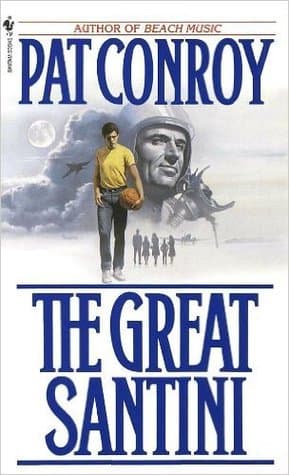
Pat Conroy (1976)
Genre
Literary Fiction / Historical Fiction
Reading Time
12-15 hours
Key Themes
See below
Sign in to track this book
In a searing portrait of a military family, a defiant son battles for his identity against the tyrannical love and unyielding expectations of his fighter-pilot father, the explosive Bull Meecham.
Lieutenant Colonel Bull Meecham, a larger-than-life Marine fighter pilot, relocates his family to Ravenel, South Carolina. His wife, Lillian, a Southern belle with a strong will, and their four children—Ben, Mary Anne, Karen, and Matthew—are accustomed to Bull's abrupt, often tyrannical, behavior. Upon arrival, Bull quickly establishes his authority, both in his new military posting and within the family home, which he treats like a barracks. Ben, the eldest son, feels the brunt of his father's demanding nature, constantly striving for approval that seems perpetually out of reach. Bull's boisterous and often aggressive personality immediately sets the tone for their new life, creating a volatile environment for everyone, particularly Ben.
Ben Meecham quickly becomes a star basketball player at Ravenel High School, a gifted athlete who finds solace and a sense of self-worth on the court. His talent earns him respect from his peers and coaches, a stark contrast to the constant criticism he receives from Bull. Despite his achievements, Bull often dismisses Ben's efforts, demanding perfection and belittling anything less. Ben's growing success in basketball becomes a quiet rebellion against his father's control, a domain where he can, for a time, escape the overwhelming pressure of his father's expectations. He forms strong friendships, particularly with the team's coach, who offers a more supportive male figure.
The simmering tension between Bull and Ben culminates in a brutal one-on-one basketball game in their driveway. Bull, a former college athlete, is determined to assert his physical and psychological dominance over his son. The game quickly devolves into a violent display of Bull's aggression, with elbows thrown and harsh words exchanged. Ben, though outmatched in brute force, refuses to back down, fighting for his dignity and independence. This intense confrontation is a microcosm of their entire relationship, showing Bull's need for absolute control and Ben's burgeoning defiance, leaving both physically and emotionally bruised.
Bull Meecham's ingrained racial prejudices become apparent, especially concerning the local African American community in Ravenel. He frequently uses derogatory language and expresses bigoted views. In contrast, Ben forms a close bond with Toomer Smalls, an African American teammate, and develops deep respect for Mrs. Smalls, Toomer's mother, who works for the Meecham family. Ben also befriends Mary Anne's boyfriend, Sammy, who is African American. These friendships expose Ben to a different world view and deepen his conflict with his father's narrow-mindedness, highlighting the cultural divides in the South during that era and Ben's growing sense of moral justice.
Lillian Meecham, Bull's wife, is the family's anchor and primary mediator. She possesses a quiet strength and a deep understanding of Bull's complex personality, often anticipating his moods and diffusing potential explosions. Lillian frequently intervenes to protect her children from Bull's wrath, offering comfort and counsel, particularly to Ben. She deftly manages the household, trying to create a semblance of normalcy amidst the chaos. Her love for Bull is evident, but so is her unwavering dedication to her children's well-being, making her a crucial buffer against Bull's more destructive tendencies and holding the family together through sheer will and intelligence.
Ben shares a particularly close and protective relationship with his younger sister, Mary Anne. As the two oldest, they often bear the brunt of Bull's volatile moods and unrealistic expectations. Ben frequently acts as Mary Anne's confidant and defender, especially when she faces Bull's disapproval, such as her relationship with Sammy. Their shared experiences foster a deep understanding and loyalty between them. Mary Anne, spirited and outspoken, often mirrors Ben's defiance, and together they form a united front against the pressures of their father, finding solace and strength in their sibling bond amidst the family's turbulent atmosphere.
Bull Meecham's identity is almost entirely consumed by his role as a Marine fighter pilot, 'The Great Santini.' He lives and breathes the military, and this rigid, disciplined, and aggressive mindset permeates every aspect of his life, especially his family interactions. He views his home as another command, his children as recruits to be whipped into shape, and his wife as a supportive officer. His deep-seated need for control and perfection, honed in the cockpit, translates into his relentless demands on his family. This identity, while making him an exceptional pilot, creates an emotionally distant and often terrifying father figure, perpetually at odds with the softer realities of family life.
As Ben navigates his senior year, he increasingly develops his own moral compass, which often conflicts with Bull's. He stands up for his friends, particularly Toomer and Sammy, against his father's racist remarks and actions. Ben begins to see the world through a more compassionate and nuanced lens than his father, questioning the rigid military code that Bull embodies. His growing independence is a slow, painful process, marked by internal struggle and direct confrontations. He starts making decisions that prioritize his own values and relationships over his father's approval, signaling his transition into adulthood and his own unique identity.
Ben's high school graduation is a bittersweet moment, signifying both an achievement and an impending separation. He has excelled academically and athletically, earning a scholarship to attend The Citadel, a military college, a choice that both pleases and subtly disappoints Bull, who sees it as a continuation of his own legacy. The graduation ceremony is a public acknowledgment of Ben's accomplishments, providing a brief respite from the constant tension at home. However, the looming departure for college represents Ben's chance to escape his father's direct influence and forge his own path, a prospect that fills him with both hope and trepidation.
Bull Meecham embarks on a routine training mission, but it takes a tragic turn. While flying a damaged aircraft, he deliberately chooses to stay with the plane and guide his co-pilot to safety, ultimately sacrificing himself to ensure the other man's survival. Bull's death is sudden and devastating, leaving his family, particularly Lillian and Ben, reeling. His heroic act, though consistent with his Marine code of conduct, highlights the complex nature of his character—a man capable of immense bravery and self-sacrifice, yet often cruel and demanding in his personal life. The family is left to mourn a man they both loved and feared, grappling with the void he leaves behind.
In the aftermath of Bull's death, the Meecham family begins a slow process of healing and adjustment. Lillian, though heartbroken, finds a new sense of calm and independence, no longer needing to constantly mitigate Bull's temper. Ben, initially struggling with guilt and conflicting emotions, starts to process his complicated relationship with his father, recognizing both the pain and the love that existed. The children find a new closeness, supporting each other as they navigate life without their formidable patriarch. Bull's absence, while painful, also allows them to grow individually and collectively, forging a new, less volatile family dynamic.
As Ben prepares to leave for The Citadel, he reflects on his father's complex legacy. He understands that while Bull's methods were often harsh, he instilled in Ben a sense of discipline, resilience, and a drive to excel. Ben recognizes that he carries parts of his father within him, both the strengths and the flaws. He is determined to forge his own path, to be a man of integrity and compassion, but also to honor the best aspects of his father's spirit. The book concludes with Ben looking towards his future, carrying the lessons learned from his tumultuous upbringing, ready to step out of his father's shadow while still acknowledging his indelible impact.
The Antagonist/Complex Protagonist
Bull's arc is largely static in his personality, but his relationships with his family, particularly Ben, are in constant, painful evolution. He never fully changes but his final act reveals a deeper, selfless core.
The Protagonist
Ben evolves from a compliant son seeking approval to an independent young man who stands up for his values and eventually comes to terms with his complicated feelings for his deceased father.
The Supporting
Lillian maintains her steady strength throughout, but after Bull's death, she finds a new, calmer independence, no longer needing to constantly mediate.
The Supporting
Mary Anne grows in confidence and continues to assert her independence, finding her voice more clearly as she matures.
The Supporting
Toomer remains a consistent, loyal friend to Ben, providing a stable presence and a moral counterpoint to Bull's racism.
The Supporting
Mrs. Smalls remains a pillar of strength and dignity throughout the narrative, embodying resilience.
The Supporting
Sammy's role is primarily to highlight the racial tensions and Bull's prejudices; his character is static but significant.
The Supporting
Karen primarily serves as a background character, absorbing the family's environment.
The central theme is the intense and often destructive conflict between Bull and Ben Meecham. This conflict is driven by Bull's need for absolute control and Ben's struggle for independence and identity. Bull attempts to mold Ben into his own image, using harsh discipline and belittling criticism, while Ben simultaneously seeks his father's love and approval, yet rebels against his oppressive methods. The basketball game scene epitomizes this struggle, a physical manifestation of their psychological battle for dominance and self-worth. It explores how paternal love can be expressed through seemingly harsh means, and the lasting impact of such a relationship.
“Bull Meecham had been in the business of breaking young men for years, and he was good at it. But he was about to discover that his eldest son was not made of the same pliable stuff as his recruits.”
The novel explores Ben Meecham's journey of self-discovery as he attempts to forge his own identity apart from his overbearing father. Ben's athletic prowess, his friendships with Toomer and Sammy, and his developing moral compass all contribute to his understanding of who he is and who he wants to be. He grapples with the legacy of his father, striving to retain the positive qualities instilled by Bull (discipline, resilience) while rejecting the negative ones (prejudice, cruelty). His decision to attend The Citadel, yet with his own motivations, highlights his complex process of accepting his heritage while asserting his individuality.
“He knew he was a Meecham, but he was also Ben, and the two were not always the same.”
The rigid discipline, hierarchical structure, and aggressive mindset of military culture profoundly impact the Meecham family dynamics. Bull Meecham's identity as a Marine fighter pilot ('The Great Santini') is so ingrained that he translates military protocols and expectations directly into his home life. He treats his children like recruits, his wife like a subordinate, and his home like a barracks. This theme explores the tension between the demands of military service and the emotional needs of a family, showing how a warrior's mentality can be both a source of strength and a destructive force within personal relationships. It highlights the difficulty of separating one's professional persona from one's familial role.
“His home was a base, his family a platoon, and he was the commanding officer. There was no democracy in the Meecham household, only orders.”
The novel confronts the pervasive racial prejudice of the American South during the period. Bull Meecham's overt racism and use of derogatory language towards African Americans, particularly Toomer Smalls and Sammy, create significant conflict. Ben, in contrast, forms deep and respectful friendships across racial lines, standing up against his father's bigotry. This theme highlights the moral awakening of Ben and the broader societal struggle against discrimination. It uses the microcosm of the Meecham family and their interactions with the local community to expose the deep-seated racial tensions and the courage required to challenge them.
“He couldn't understand his father's hatred, a hatred that felt like a poison in the air whenever Toomer or Sammy were mentioned.”
Despite the constant conflict and emotional abuse, the novel explores the complex nature of love within a dysfunctional family and the possibility of reconciliation, even after death. Lillian's unwavering love for Bull, Ben's struggle to both love and despise his father, and the eventual understanding and partial forgiveness after Bull's death are central to this theme. It suggests that love can exist alongside pain and that true forgiveness involves understanding the complexities of a person, acknowledging both their flaws and their hidden virtues. The family's healing process after Bull's passing reflects a form of reconciliation with his memory.
“He had hated his father, yes, but he had loved him too, with a ferocity that was almost as painful as the hatred.”
The one-on-one basketball game between Bull and Ben serves as a powerful metaphor for their entire relationship.
The brutal one-on-one basketball game in the Meecham driveway is a pivotal plot device. It is not merely a game but a symbolic battleground where Bull asserts his dominance and Ben fights for his autonomy. The physical aggression, the verbal taunts, and the refusal of either to yield perfectly encapsulate their deeper psychological conflict and the struggle for respect and love. It foreshadows Ben's eventual need to physically and emotionally stand up to his father, and it visually represents the intense, often painful, nature of their bond.
Bull Meecham's identity as 'The Great Santini' is a persona he embodies and imposes on his family.
Bull Meecham's alter ego, 'The Great Santini,' is more than just a nickname; it's a plot device that defines his character and his impact on the family. This persona represents his ultimate control, his fearlessness in the air, and his rigid adherence to military codes. He brings this 'Santini' persona home, treating his family as subordinates in his command. This device highlights the tension between the public hero and the private tyrant, and how a man's professional identity can utterly consume and warp his personal relationships, creating an impossible standard for his children.
The Ravenel, South Carolina setting amplifies themes of tradition, prejudice, and social change.
The setting of Ravenel, South Carolina, during the mid-20th century, is a crucial plot device. It provides a backdrop of deeply ingrained Southern traditions, including its pervasive racial prejudices, which directly fuel conflicts within the Meecham family. The racial tensions of the community, particularly Bull's interactions with African Americans and Ben's friendships, highlight the social injustices of the era and serve as a catalyst for Ben's moral awakening. The setting is not merely scenery but an active force shaping characters' beliefs, actions, and the overall narrative trajectory, especially concerning themes of bigotry and change.
The story is told from Ben's perspective, colored by his memories and reflections.
While not strictly first-person throughout, the narrative is deeply imbued with Ben Meecham's perspective, often feeling like a retrospective account of his childhood. This device allows the reader to experience Bull's tyranny and the family's struggles through the eyes of the most affected child, fostering empathy for Ben and a nuanced understanding of Bull's character. It shapes how events are interpreted, emphasizing Ben's internal conflicts, his search for identity, and his complex feelings towards his father, giving the story an intimate and emotionally resonant quality.
“A man who thinks too much about the past, a man who lets the past consume him, can't face the future.”
— Bull Meecham's philosophy on moving forward.
“I was born into a family that was a little bit crazy. I was born into a family that was a little bit violent. I was born into a family that was a little bit wild.”
— Ben Meecham reflecting on his upbringing.
“The only thing a man can be sure of is that he's going to die.”
— Bull Meecham's stark view on mortality.
“He taught me that you could love someone and still want to kill them.”
— Ben's complex feelings towards his father.
“My father was a force of nature. He was a hurricane. He was a tidal wave. He was a forest fire.”
— Ben's vivid description of his father's personality.
“There are some things you can't outrun, no matter how fast you are.”
— A reflection on inescapable truths or past events.
“He was a man who lived by his own rules, and those rules often collided with the rules of the world.”
— Describing Bull Meecham's defiant nature.
“The greatest gift a father can give his children is to love their mother.”
— A poignant observation on family dynamics.
“Life was a series of battles, and you either won them or you lost them.”
— Bull Meecham's combat-oriented view of existence.
“I learned that courage was not the absence of fear, but the triumph over it.”
— Ben's understanding of true courage.
“He was a man who loved his country more than he loved his family, and that was a terrible thing.”
— Ben's critical assessment of his father's priorities.
“Some men are born to fight, and some men are born to die. My father was born to do both.”
— Ben's fatalistic view of his father's life.
“The world was a dangerous place, and you had to be tougher than it was to survive.”
— A harsh lesson learned about resilience.
“He made me feel like I was the most important thing in the world, and then he made me feel like I was nothing.”
— Ben's experience of his father's emotional volatility.
Ready to see how well you understood this book? Take our interactive quiz with 10 questions.

Donald Patrick Conroy was an American author who wrote several acclaimed novels and memoirs; his books The Water is Wide, The Lords of Discipline, The Prince of Tides and The Great Santini were made into films, the last two being nominated for Oscars. He is recognized as a leading figure of late-20th-century Southern literature.







