“The world is full of people who will tell you what you cannot do. You must tell them what you can.”
— Vita's grandmother encourages her to be resilient and defy limitations.

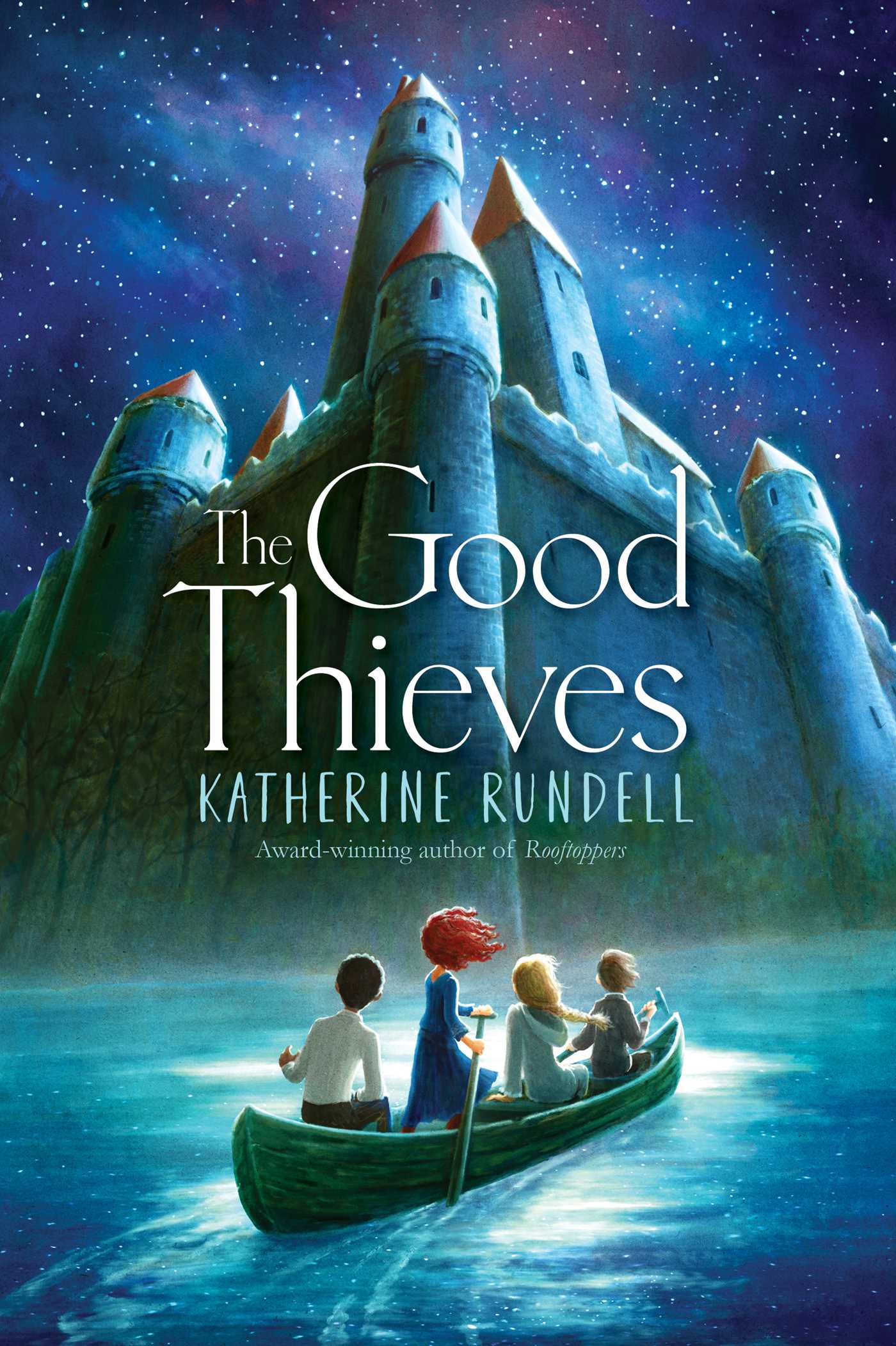
Katherine Rundell (2019)
Genre
Fantasy / Children's / Historical Fiction / Mystery / Young Adult
Reading Time
270 min
Key Themes
See below
Sign in to track this book
In 1920s Manhattan, a determined girl assembles a crew of circus misfits and a pickpocket to reclaim her grandfather's stolen mansion from a crooked tycoon, proving that loyalty and love can outsmart even the city that never sleeps.
Twelve-year-old Vita Marlowe arrives in 1920s New York City from England with her mother. She finds her grandfather, Silas, in trouble. Silas, a naturalist, lost his mansion, the 'Golden House,' and its contents, including his collection of preserved animals and plants, to a real estate tycoon named Harvey Beaumont. Beaumont, a former student of Silas, tricked him into signing away the property for a 'conservation' project. Silas is heartbroken and lives in a small room, his spirit broken by the loss of his life's work. Vita wants to reclaim what was stolen from her grandfather, recognizing the unfairness of the situation.
Vita starts watching the Golden House, now occupied by Beaumont, and realizes she needs help. She meets Silk, a street-smart boy and a talented pickpocket who lives with other children in an abandoned theatre. Silk is impressed by Vita's determination and her concern for her grandfather. Through Silk, Vita meets other children: Sam, an acrobat and tightrope walker from a circus family, and Arkady, a strong, silent boy good with animals and locks. They form a team, and Vita plans to break into the Golden House and get Silas's valuable emerald necklace, hidden within one of his specimens.
The children begin trying to get into the Golden House. They study the building's layout, security, and Beaumont's habits. Sam uses his acrobatic skills to scale walls and reach windows. Arkady's talent for picking locks is useful. Silk, with his nimble fingers, gets keys and information. Vita leads the operation, coordinating their movements and entry points. They find that Beaumont installed more security, including a guard dog and surveillance, making their task harder. During one attempt, they barely escape detection, which shows the danger of their mission.
Following Vita's plan, the children do their first major heist. Sam uses a tightrope to cross from a nearby building, while Arkady disables an alarm system. Silk moves through the interior, avoiding Beaumont's staff. They retrieve some of Silas's smaller specimens and documents, bringing them back to their hideout. Their escape is dangerous. Beaumont's guards and the guard dog almost catch them, leading to a chase across New York rooftops. The experience strengthens their bond and commitment to Vita's cause, but also makes them realize how strong their enemy is and the risks involved.
As Vita continues her efforts, Silas, though still sad, starts to notice changes. Small items from his collection, which he thought were lost, begin to reappear in his room, left by Vita. He does not connect them to a heist, but hope and suspicion start within him. Meanwhile, Harvey Beaumont, frustrated by the disturbances and the feeling of being watched, increases security at the Golden House, hiring more guards and installing new locks. He also speeds up selling Silas's collection, threatening to permanently destroy the legacy Vita is fighting to protect. This makes Vita's mission urgent, as time is running out.
Vita realizes that to succeed against Beaumont's security, they need more skills. Sam's circus background is important. They train in the abandoned theatre, practicing acrobatics, lock-picking, and stealth. Sam teaches Vita and Silk how to move silently and climb. Arkady improves his ability to calm animals, which is important given Beaumont's guard dog. Vita learns to pick simple locks and understands the team's strengths better. The training sessions improve their abilities and deepen their friendship, making them a strong unit, ready for the most dangerous part of their plan: recovering the emerald necklace.
The children launch their most daring plan: to get the emerald necklace, hidden inside a taxidermied fox in Silas's study, before Beaumont can sell it. They use Sam's aerial moves, Arkady's lock-picking and animal calming skills, and Silk's stealth. Vita directs the operation from a hidden spot, communicating with her team. They get through security measures, including pressure plates and tripwires. The tension is high as they find the fox. Arkady carefully retrieves the necklace, a symbol of Silas's scientific legacy and evidence against Beaumont.
Vita knows that just getting the emerald is not enough. She plans to publicly expose Harvey Beaumont. They learn of a party Beaumont is hosting at the Golden House, meant to show and sell Silas's collection. The children get into the party, using their skills to create diversions and get attention. Vita, with the emerald necklace, confronts Beaumont. She reveals his actions to the guests, including important people in New York society and the press. She shows the necklace as proof of his deceit and the collection's true ownership. The revelation causes a scandal, ruining Beaumont's reputation and bringing his dealings into the open.
The public exposure of Harvey Beaumont's fraud leads to his downfall. Legal proceedings begin, and with Vita's evidence and the scandal, Silas is cleared. The Golden House, with his collection, is returned to him. Silas's spirit returns. He is proud of Vita and touched by her loyalty. Silk, Sam, and Arkady, who helped Vita, are welcomed into the Golden House, forming a new family with Silas and Vita. The mansion, once a symbol of loss, becomes a home filled with love, laughter, and new adventures.
The Protagonist
Vita transforms from a grief-stricken granddaughter into a cunning leader, finding a new family and purpose in New York.
The Supporting
Silas regains his hope, his home, and his spirit, finding a new family in the process.
The Supporting
Silk evolves from a solitary street urchin to a loyal friend and trusted member of Vita's team and new family.
The Supporting
Sam uses his unique circus skills for a noble cause, finding purpose and belonging within Vita's new family.
The Supporting
Arkady finds a place where his unique skills are valued and used for good, becoming an integral part of a new family.
The Antagonist
Beaumont's unbridled greed and arrogance lead to his public exposure and the loss of his ill-gotten gains.
The Mentioned
Remains largely static, a loving but less active figure in the unfolding drama.
The Mentioned
Initially an antagonist, the dog is ultimately calmed and befriended by Arkady, becoming a neutral presence.
The main theme is the bond between Vita and her grandfather, Silas. Vita's motivation comes from her loyalty to Silas and her desire to restore his happiness and legacy after Harvey Beaumont's betrayal. This theme extends to the family formed by Vita, Silk, Sam, and Arkady, who build trust and loyalty as they work together. Their willingness to risk everything for each other and for Silas shows the power of chosen family and the strength from support.
““There are some things that, once you’ve seen them, you can’t un-see. The way your grandfather’s eyes looked. That’s one of them.””
The story is about getting justice for Silas Marlowe, who was cheated out of his home and work. Vita believes in correcting the wrong committed by Harvey Beaumont, even when adults seem unable to help. The children's heist is not just about theft, but about reclaiming what was stolen and showing the truth. This theme shows that justice can be found in unexpected ways and that small individuals can challenge powerful, corrupt figures. It is a story of standing up against injustice, no matter the odds.
““A person should not be allowed to take someone’s life’s work. Not even if they are very rich.””
Despite Silas's sadness and the challenge of facing Harvey Beaumont, the story has hope and resilience. Vita's optimism and refusal to give up, even when things go wrong, inspire her grandfather and her new friends. The children, living on the edges of society, show resilience in their daily lives and in their mission. The return of Silas's spirit and his home shows hope over sadness and the strength of the human spirit.
““Sometimes, you just have to choose to be brave. Even when you’re not.””
A theme is the power of those often overlooked or underestimated—children, street kids, and the seemingly helpless. Harvey Beaumont dismisses Vita and her friends as unimportant. But their unique skills, agility, intelligence, and lack of adult limits allow them to succeed where adults might fail. The children's ability to move through the city unnoticed and their methods are more effective than traditional approaches, showing that power can come from unexpected places.
““They never see the small ones. That’s the trick.””
A symbolic setting representing Silas's legacy and the central prize.
The Golden House is more than just a building; it's a character in itself and a powerful symbol. It represents Silas Marlowe's life's work, his passion for natural history, and his personal legacy. Its theft by Harvey Beaumont symbolizes the destruction of Silas's spirit. The children's mission to reclaim it is therefore not just about property, but about restoring identity, hope, and justice. The house's intricate layout, hidden passages, and valuable contents make it the perfect stage for the elaborate heist, serving as both the setting and the ultimate goal of their endeavors.
The formation of an unconventional family unit through shared purpose.
The concept of 'found family' is a crucial plot device. Vita, an orphan in a new city, brings together Silk, Sam, and Arkady, who are also without conventional families. Their shared purpose of helping Silas and their mutual reliance during the dangerous heist forge a powerful, unconventional family bond. This device provides emotional depth to the adventure, showing how individuals from diverse backgrounds can unite and find belonging through loyalty and shared goals. It contrasts with the broken family dynamic caused by Beaumont's actions against Silas.
A MacGuffin and a key piece of evidence hidden within a taxidermied fox.
The emerald necklace serves as a classic MacGuffin, a plot device that drives the narrative forward. While its intrinsic value is high, its primary importance lies in its role as a specific, tangible object that Vita and her team must retrieve. It is hidden within a taxidermied fox, a clever detail that connects it directly to Silas's collection and expertise. The necklace is not only the ultimate prize of the heist but also becomes a crucial piece of evidence used to expose Harvey Beaumont's fraudulent activities, giving the children a means to publicly achieve justice.
A multi-stage plot structure involving reconnaissance, planning, and execution.
The book employs a classic heist plot structure, which provides a clear and engaging narrative framework. This device involves distinct stages: initial reconnaissance of the Golden House, meticulous planning of the infiltration, gathering and training of a specialized team (each member with unique skills), and the suspenseful execution of multiple break-ins, culminating in the grand finale. This structure builds tension, allows for character development through their roles in the heist, and provides a satisfying progression towards the ultimate goal of justice and retrieval.
“The world is full of people who will tell you what you cannot do. You must tell them what you can.”
— Vita's grandmother encourages her to be resilient and defy limitations.
“A thief is only a thief if they steal for themselves. If they steal for someone else, they are a hero.”
— Vita justifies her plan to reclaim her grandfather's stolen property.
“Sometimes the bravest thing you can do is ask for help.”
— Vita learns to rely on her friends during their heist.
“Magic is not in the wand, but in the will.”
— A reflection on the power of determination over supernatural means.
“A good thief steals not just things, but chances.”
— Vita's philosophy on seizing opportunities for change.
“The heart is a compass that points to what matters most.”
— Vita reflects on her motivations for helping her grandfather.
“Fear is a wall. You must learn to climb it.”
— Vita confronts her fears during the dangerous heist.
“In the dark, even a small light can guide you home.”
— A moment of hope during a perilous situation in the story.
“A story is a kind of theft too—it steals your heart and changes you.”
— Vita muses on the impact of stories and adventures.
“Courage is not the absence of fear, but the decision that something else is more important.”
— Vita's realization about true bravery in the face of danger.
“The best plans are like spiderwebs—strong, flexible, and almost invisible.”
— Vita devises a clever strategy for the heist.
“Home is not a place, but the people you fight for.”
— Vita's understanding of family and belonging.
“Every lock has a key, and every problem has a solution, if you look hard enough.”
— Vita's optimistic problem-solving attitude.
“The truth is a treasure, but it must be earned.”
— Vita uncovers secrets during the mystery.
Ready to see how well you understood this book? Take our interactive quiz with 10 questions.

Biography coming soon.







