“Well, you have been a good wife to me, and you have borne me sons. This is a good thing.”
— Wang Lung's internal reflection on O-lan after she has given birth to their first son.

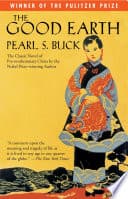
Pearl S. Buck (2016)
Genre
Historical Fiction
Reading Time
600 min
Key Themes
See below
Sign in to track this book
A peasant wife's sacrifice helps her family rise from poverty to wealth, but true prosperity is not in riches, but in the land's enduring spirit and the pain of a family broken by success.
The story begins with Wang Lung, a young Chinese farmer, getting ready for his wedding. He goes to the House of Hwang, a once-rich but now fading noble family, to get his bride, O-lan, a slave girl. Their wedding is simple; they return to Wang Lung's small mud house where his old father lives. O-lan immediately shows her hard work, cooking, cleaning, and working in the fields with Wang Lung. She shows a quiet strength and practical nature that Wang Lung at first finds a bit plain but soon relies on. She proves to be a capable wife, and Wang Lung feels content and hopeful for their future on the land.
O-lan soon has their first son, and later a second, giving Wang Lung the heirs he wants to work his land. Their third child is a daughter, born with a mental disability. Despite this, Wang Lung's fortunes continue to grow. By smartly buying land from the struggling House of Hwang, with O-lan's good advice, Wang Lung expands his property. He works hard, and the earth rewards him with good harvests. The family's wealth and standing slowly grow, allowing them to eat better and live more comfortably, catching the eye of his jealous uncle.
A bad drought hits the land, causing crop failures and widespread hunger. Wang Lung, despite his increasing wealth, is not spared. He tries to keep his land, selling what he can, but starvation becomes unavoidable. People start to eat bark, then mud. His third daughter, the disabled child, is sold into slavery by O-lan to feed the rest of the family, a choice that troubles Wang Lung. Finally, with no other option, Wang Lung sells his last ox and, with his family, joins the many desperate peasants moving south to the cities, hoping to find food and work.
In the southern city, Wang Lung and his family are reduced to begging. They live in a makeshift hut outside the city walls, enduring harsh conditions and the city people's scorn. Wang Lung struggles with the shame and loss of his dignity, always longing for his land. His sons, especially the elder, adjust to city life more easily, stealing small things and showing signs of becoming lazy. O-lan, always practical, is good at finding scraps of food and managing their meager life. The family lives through bombings and political unrest, showing their uncertain situation.
During a time of political unrest and riots in the city, Wang Lung and his family are caught in the chaos. While others loot, O-lan, with her quiet resolve, finds a hidden stash of jewels in a rich house. She gives them to Wang Lung, who sees their great value. This unexpected fortune gives them the means to buy food and, more importantly, enough money to return to their beloved land in the north. The jewels are a turning point, offering a way out of their desperate situation and a chance to rebuild their lives.
Back in the north, Wang Lung uses the jewels to buy back his land, which he had to sell during the famine. He also buys more land from the now-poor House of Hwang, effectively turning their fortunes around. With new energy, Wang Lung works his fields, and the earth again gives him abundant harvests. He becomes a wealthy and respected landowner in his village, even building a larger house and hiring servants. His prosperity grows, marking a big step up from his humble beginnings as a poor farmer.
With his new wealth, Wang Lung starts to want luxuries beyond what O-lan can provide. He becomes obsessed with Lotus, a beautiful prostitute, and takes her as his concubine, moving her into his home. This deeply hurts O-lan, who quietly endures the insult. Meanwhile, Ching, a loyal farmer who shared land with Wang Lung before the famine, returns to him, having lost everything. Wang Lung hires Ching as his loyal overseer, valuing his honesty and deep connection to the land, trusting him completely with managing his growing estate.
Wang Lung's sons, no longer happy with a farmer's life, begin to show signs of laziness and ambition for finer things. His eldest son, in particular, wants an education and a more comfortable life, eventually falling in love with a potential bride. Lotus's presence causes constant tension in the house, and O-lan's health starts to fail, made worse by emotional pain and years of hard work. Her quiet suffering and slow decline are mostly ignored by Wang Lung, who is busy with his new family and growing wealth. She bears her illnesses with her usual calm strength.
O-lan's illness worsens, and she becomes weaker. In her last days, Wang Lung finally sees her great sacrifices and deep devotion. He tries to comfort her, even getting back the pearls she had kept from the jewels, which she had given him years ago. He is filled with regret for his past neglect and unkindness. O-lan dies quietly, as she lived, leaving a deep emptiness in Wang Lung's life. Her death is a big emotional moment for him, as he truly understands the irreplaceable worth of his first wife.
After O-lan's death, Wang Lung marries off his sons, but they show little interest in farming or keeping the family's wealth. The eldest son, a scholar, gets involved in politics and spends too much money. The second son pursues trade and city life, while the third son, at first more connected to the land, also drifts away. They start to argue over the inheritance and want to sell the land, the very basis of Wang Lung's prosperity. Wang Lung, now an old man, is heartbroken by their lack of respect for the earth and their willingness to waste his life's work. He sees the sure decline of his family's fortunes.
In his old age, Wang Lung stays deeply connected to his land, finding peace and purpose walking his fields. He sees life's repeating patterns and the earth's lasting power, which has supported his family for generations. However, his sons, educated and exposed to city life, see the land as something to sell for quick money, rather than the sacred source of their existence. As Wang Lung overhears them planning to sell the land after his death, he feels despair, knowing their actions will lead to the family's ruin, but he is powerless to stop them, only able to say, "Do not sell the land."
The Protagonist
Wang Lung transforms from a poor, simple farmer into a wealthy, respected landowner, but learns the hard lessons of love, loss, and the true meaning of wealth through his experiences with O-lan and his sons.
The Supporting
O-lan endures immense hardship and neglect, sacrificing everything for her family, and though unappreciated in life, her quiet strength and love are recognized by Wang Lung after her death.
The Supporting
The father remains a static figure, representing the unchanging traditions and wisdom of the past.
The Supporting
He moves away from his farming roots, pursuing education and city life, ultimately becoming a source of conflict and disappointment for Wang Lung.
The Supporting
He chooses a path of trade and city living, contributing to the family's move away from the land.
The Supporting
Though initially showing promise as a farmer, he eventually succumbs to the influences of his brothers and the city, further detaching the family from the land.
The Supporting
Lotus remains a static character, representing temptation and the corrupting influence of superficial desires on Wang Lung.
The Supporting
Ching remains a steadfast and loyal character, embodying the enduring virtues of the common farmer throughout Wang Lung's changing fortunes.
The Mentioned
The Old Mistress represents the decline of a social class, serving as a foil to Wang Lung's ascent.
The land is the central and most powerful element in the novel. It means life, food, and true wealth. Wang Lung's fortunes are tied to his connection to the earth; when he works it hard, he thrives, but when he neglects or loses it, he suffers. The famine scenes clearly show how much people depend on the land, and Wang Lung's final despair comes from his sons wanting to sell it, which means they are betraying their heritage and the source of their strength.
“''There is no other comfort to the soul, for you, than the earth.''”
The novel carefully shows how wealth and poverty come and go, illustrating how fortunes can change over generations. Wang Lung's family goes from poverty to great wealth, mirroring the decline of the House of Hwang. However, his sons, who never knew real hardship, waste their inheritance, suggesting a return to poverty. This theme implies that wealth, especially when separated from its source (the land and hard work), is temporary and can lead to moral decay and family arguments, eventually bringing the cycle back to the start.
“''And he thought, 'Thus do great houses fall.' And he thought, 'Thus do great houses rise.'''”
O-lan shows the great strength, endurance, and self-sacrifice of women in traditional Chinese society. She works tirelessly, endures neglect, and makes huge sacrifices (like selling her daughter) for her family's survival, often without thanks. Her quiet dignity and practical wisdom are key to Wang Lung's success. The difference between O-lan and Lotus highlights different sides of womanhood, with O-lan representing lasting substance and Lotus representing fleeting beauty, emphasizing that true female strength is in character and devotion, not looks.
“''She was a woman such as few men had for a wife, for she was a woman of the earth.''”
The novel explores the conflict between traditional farming values and the growing influence of modern city life. Wang Lung represents the old ways, deeply rooted in the land and simple living. His sons, however, are drawn to education, city life, and Western ideas, seeing the land only as a commodity. This generational clash shows the social changes in early 20th-century China, where traditional ways of life were challenged by new ideas and desires, ultimately leading to a loss of heritage and family breakdown.
“''The land is there, and the sky is there, and we are here, and the land gives us our food.''”
While at first a source of comfort and security, wealth slowly corrupts Wang Lung and his family. It leads Wang Lung to take a concubine, ignore O-lan, and become focused on status. For his sons, wealth causes laziness, greed, and a detachment from the hard work that created it. The family's morals weaken as their possessions grow, showing that prosperity, when not based on strong values, can lead to moral decay, conflict, and ultimately, ruin.
“''And it was the land that held them, and the land that fed them, and the land that bred them. But now there was money, and the money bred discontent.''”
The earth represents life, sustenance, and moral grounding.
The land is the most potent symbol in the novel, embodying not just physical sustenance but also spiritual and moral well-being. It represents stability, tradition, and the cyclical nature of life. Wang Lung's connection to the land directly correlates with his integrity and happiness. When he works the land, he is aligned with a natural order; when he neglects it or his sons seek to sell it, it signifies a profound betrayal of their heritage and a move towards moral decay and eventual ruin. It is the ultimate measure of true wealth.
A symbol of O-lan's humble origins, strength, and practical nature.
In a society where bound feet were a mark of beauty and status for women, O-lan's large, unbound feet immediately distinguish her. They symbolize her peasant background, her life of hard labor, and her practical, unpretentious nature. Unlike the delicate, bound feet of women like Lotus, O-lan's feet allow her to work in the fields, carry burdens, and survive hardship. They are a physical manifestation of her enduring strength and her essential role as a partner in toil, rather than an ornamental wife.
A mirror and a warning, representing the decline of the gentry.
The House of Hwang serves as a powerful parallel and cautionary tale for Wang Lung. Initially, Wang Lung is a poor peasant who buys land from the declining House. As his wealth grows, he eventually buys their entire estate. The Hwangs' downfall, brought about by idleness, extravagance, and a detachment from the land, foreshadows the potential fate of Wang Lung's own family if his sons continue their path of indulgence. It illustrates the cyclical nature of power and wealth, showing how old money can dissipate and new fortunes can rise.
A symbol of true value, sacrifice, and belated recognition.
The pearls are part of the jewels O-lan finds during the riot. She keeps two of them, later giving them to Wang Lung for his concubine's earrings, a profound act of self-sacrifice. Years later, when O-lan is dying, Wang Lung retrieves them for her, recognizing their true value not as adornment, but as a symbol of her quiet strength and the sacrifices she made. They represent the precious, enduring worth of O-lan's character, which Wang Lung only fully appreciates when it is almost too late, contrasting with the superficial value he placed on Lotus's beauty.
“Well, you have been a good wife to me, and you have borne me sons. This is a good thing.”
— Wang Lung's internal reflection on O-lan after she has given birth to their first son.
“The land is a living thing. It is good to have land, it is a thing that will not go away.”
— Wang Lung's constant thought and belief throughout his life.
“There are no women like the women of the south, and no men like the men of the north.”
— A common saying or observation among characters, highlighting regional differences.
“It is the custom of the rich to laugh at the poor, and the custom of the poor to hate the rich.”
— Wang Lung's observation as he gains wealth and sees the changing dynamics around him.
“When a man has tilled the land, he is content.”
— Wang Lung's feeling of satisfaction after a day of working his fields.
“A man cannot live without his land.”
— Wang Lung's deep-seated belief, especially during times of famine or when he is forced to leave his land.
“And the land is not to be forsaken. A man must cleave to his land as a child to its mother's breast.”
— Wang Lung's advice to his sons as he grows older, emphasizing the importance of land.
“She was a woman who had never had time for anything but work, and her face was like the earth, with all its wrinkles and its deep lines.”
— Description of O-lan's appearance, reflecting her life of toil.
“Famine comes, and men eat men, but the land remains.”
— A stark realization during the famine, highlighting the enduring nature of the land versus human fragility.
“And the land was like a woman, a woman good and patient, and one who would return to him all that he gave to her.”
— Wang Lung's personification of the land, reflecting his deep connection and trust in it.
“Out of the land we came and into the land we go.”
— A philosophical reflection on the cycle of life and death, deeply tied to the land.
“For it is not the rich man who is to be feared, but the poor man made rich.”
— An observation about the change in character that can come with sudden wealth.
“The first good thing that a man can have is a good wife.”
— Wang Lung's early thoughts about O-lan and the foundation of his family.
“And the land was always there, and the land was always good, and the land was always fruitful.”
— A recurring theme emphasizing the constancy and reliability of the land.
Ready to see how well you understood this book? Take our interactive quiz with 10 questions.
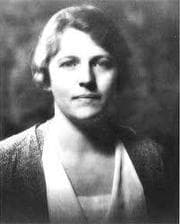
Pearl Comfort Sydenstricker Buck was an American writer and novelist. She is best known for The Good Earth, the best-selling novel in the United States in 1931 and 1932 and which won her the Pulitzer Prize in 1932. In 1938, Buck became the first American woman to win the Nobel Prize in Literature "for her rich and truly epic descriptions of peasant life in China" and for her "masterpieces", two memoir-biographies of her missionary parents.







