“Once there was a tree... and she loved a little boy.”
— Opening line introducing the relationship between the tree and the boy.

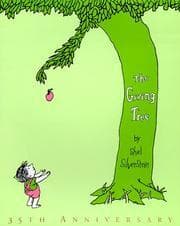
Shel Silverstein (1964)
Genre
Fantasy / Children's / Young Adult
Reading Time
10 min
Key Themes
See below
Sign in to track this book
A selfless tree gives her all to a demanding boy throughout his life, showing the bittersweet nature of unconditional love and sacrifice.
The story starts by showing a large apple tree who loves a little boy very much. Every day, the boy visited the tree, and they played together happily. He gathered her fallen leaves to make crowns, climbed her trunk, swung from her branches, and ate her apples. They played hide-and-seek, and when he was tired, he rested in her shade. The tree was always happy when the boy was with her, enjoying their shared moments of simple play and friendship. This early part of the story sets up their loving relationship, showing the tree's natural generosity and the boy's simple, carefree joy.
As time passed, the boy grew older and spent less time with the tree. One day, he returned, no longer wanting to play, but wanting money. He told the tree he wanted to buy things and have fun, and asked her for money. The tree, having no money, offered him her apples, suggesting he pick them, sell them in the city, and use the money for his desires. The boy, wanting wealth, climbed the tree, picked all her apples, and carried them away. The tree was happy, even though she lost her fruit, because she felt she was helping the boy find happiness, even if it meant being alone again.
Many more years passed, and the boy, now a young man, returned to the tree. He said he wanted a house to settle down, marry, and have children, but he had no money to build one. The tree, always wanting to make him happy, told him to cut off her branches to build his house. The young man, without hesitation, cut off all the tree's branches and carried them away to build his home. The tree was left with only her trunk, but she was happy, believing she had given him what he needed to build a life. Again, she was left alone, waiting for his return.
Even more time passed, and the man, now much older, returned to the tree. He looked sad and tired, saying he wanted to go far away and escape his problems. He asked the tree for a boat to sail away. The tree, with nothing left but her stump, told him that she no longer had branches or apples, but that he could cut down her trunk to build his boat. The man, once again, took what the tree offered, cutting down her trunk and leaving her as just a stump. He built his boat and sailed away, leaving the tree alone, and for the first time, the story did not say she was happy, only that she was left with nothing.
After a very long time, the man returned once more. He was now very old, stooped, and tired. The tree, now just a small stump, recognized him and greeted him, apologizing that she had nothing left to give him. She had no apples, no branches, and no trunk. She expressed sadness that she could no longer help him, as she had given him everything she had over the years. The old man, however, had also changed; his desires for material things and grand adventures had faded.
The old man told the tree that he didn't need much now, just a quiet place to sit and rest, as he was very tired. The tree, realizing she could still provide this one last thing, told him that a tree stump makes a good place to sit and rest. She invited him to sit down. The old man sat down on the stump, and the tree was happy. This final act of giving, simple and deep, brought a sense of peace to both the tree and the man, ending their lifelong relationship with a quiet moment of shared calm.
The Protagonist
The Tree's arc is one of complete self-sacrifice, diminishing physically while remaining constant in her love and generosity.
The Recipient/Antagonist (in terms of demands)
The Boy's arc is one of increasing demands and self-centeredness, eventually leading to weariness and a desire for simple rest.
This is the most clear theme, shown entirely by the Giving Tree. The tree's love for the boy is complete and steady, even as he grows older and his demands become more selfish. She consistently gives her apples, branches, and even her whole trunk, finding happiness in his perceived happiness. This theme looks at how deep selfless love can be, where the giver finds purpose and joy only in giving, no matter the personal cost, as seen when the tree is 'happy' after each major sacrifice.
“And the tree was happy.”
The boy's changing demands show a human tendency towards increasing desire and materialism. At first content with simple play, he moves to wanting money, then a house, then a boat to escape. Each stage reflects a societal pursuit of wealth, security, and adventure, showing how human wants often grow beyond basic needs. The story subtly questions this endless cycle by showing the boy's eventual tiredness and his return to the tree, having gained much but ultimately finding simple peace only in a place to rest, free from material pursuits.
“'I want to buy things and have fun,' said the boy. 'I want a house to keep me warm,' he said. 'I want a boat that will take me far away from here,' he said.”
The relationship between the tree and the boy is often seen as an example of parental love. The tree shows the caring, giving parent who sacrifices everything for their child's happiness, even when the child becomes demanding or ungrateful. The boy shows the child who takes from the parent, sometimes without full thanks, and eventually leaves to live their own life, only returning when in need. The story shows how lasting parental love is and the often one-sided sacrifices parents make.
“Come, Boy, sit down. Sit down on my stump and rest. And the boy did. And the tree was happy.”
The story uses the boy's changing looks and the tree's diminishing state to show the passage of time and the different stages of life. We see the boy grow from a playful child to a money-seeking youth, a house-building man, an adventurous sailor, and finally, a tired old man. At the same time, the tree changes from a full, whole entity to a stump. This progression highlights how life changes, how human needs evolve, and how foundational relationships endure even as time moves forward.
“And the tree was happy. But time went by. And the boy grew older.”
The entire narrative functions as a symbolic representation of various complex themes.
The Giving Tree is a powerful allegory. The tree symbolizes unconditional love, particularly parental or divine love, and the act of selfless giving. The boy represents humanity, with its evolving desires, self-centeredness, and eventual weariness. Their relationship allegorically explores the dynamics of giving and taking, the nature of love, the impact of materialism, and the cycle of life. The simple narrative allows for multiple interpretations, making it resonate with readers of all ages on different levels of understanding.
Each part of the tree represents a different resource or stage of giving.
The various parts of the tree are highly symbolic. The apples represent sustenance, childhood joy, and later, material wealth. The branches symbolize the means for shelter, family, and domestic life. The trunk signifies the foundation for adventure and escape. Ultimately, the stump represents a place of rest, peace, and the most fundamental form of support. The gradual removal of these parts visually illustrates the tree's progressive self-sacrifice and the boy's escalating demands, making the abstract concept of giving tangible.
A recurring statement that underscores the tree's emotional state despite her sacrifices.
The recurring phrase 'And the tree was happy' after each act of giving is a crucial plot device. It highlights the tree's unwavering love and her finding joy solely in the boy's happiness, even as she is diminished. This repetition can be interpreted in several ways: as a genuine expression of selfless joy, as a tragic irony emphasizing the tree's exploitation, or as a poignant reflection of a parent's enduring love. It forces the reader to consider the nature of happiness and the true cost of unconditional giving.
Simple drawings and sparse text convey profound emotional depth and allow for broad interpretation.
Shel Silverstein's use of minimalist, black-and-white illustrations and extremely sparse text is a deliberate plot device. The simplicity forces the reader to fill in the emotional gaps and interpret the deeper meanings. The lack of detailed descriptions or explicit judgments about the boy's actions amplifies the allegorical nature of the story, allowing it to resonate universally. The visual progression of the tree's diminishment and the boy's aging, paired with concise prose, creates a powerful, understated narrative that is both accessible and profound.
“Once there was a tree... and she loved a little boy.”
— Opening line introducing the relationship between the tree and the boy.
“And the boy loved the tree... very much.”
— Early in the story, showing mutual affection.
“I am too big to climb and play. I want to buy things and have fun. I need some money.”
— The boy, now older, asks the tree for money.
“Take my apples, Boy, and sell them in the city. Then you will have money and you will be happy.”
— The tree offers her apples to help the boy.
“I want a house to keep me warm. I want a wife and I want children, and so I need a house.”
— The boy, as a young man, asks for materials to build a house.
“Cut off my branches and build a house. Then you will be happy.”
— The tree offers her branches for the boy's house.
“I am too old and sad to play. I want a boat that will take me far away from here.”
— The boy, now an old man, expresses weariness and a desire to escape.
“Cut down my trunk and make a boat. Then you can sail away... and be happy.”
— The tree offers her trunk so the boy can build a boat.
“I am sorry, Boy... but I have nothing left to give you.”
— The tree, now a stump, apologizes for having no more to offer.
“I don't need very much now, just a quiet place to sit and rest.”
— The old boy returns, seeking comfort in his final years.
“Well, an old stump is good for sitting and resting. Come, Boy, sit down. Sit down and rest.”
— The tree, as a stump, offers her remaining self for the boy's rest.
“And the tree was happy.”
— Final line of the book, repeated after the boy rests on the stump.
“And the boy loved the tree... very much.”
— Repeated line emphasizing enduring love, though the boy's actions often seem selfish.
“I wish that I could give you something... but I have nothing left. I am just an old stump.”
— The tree laments her diminished state but still offers companionship.
Ready to see how well you understood this book? Take our interactive quiz with 10 questions.
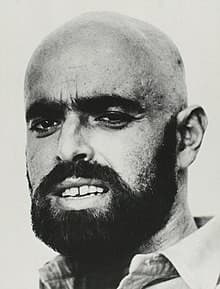
Biography coming soon.







