“I do love to go to a place where I can sit and read. You can't read properly when people are always bothering you.”
— Billy's thoughts on his ideal reading spot, before discovering the old sweet shop.

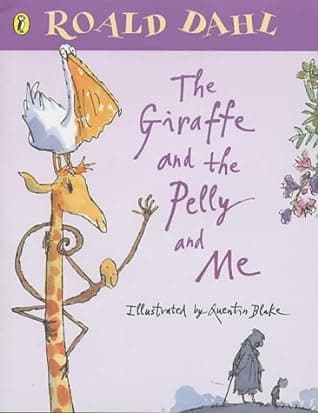
Roald Dahl (1985)
Genre
Fantasy / Children's / Young Adult
Reading Time
30 min
Key Themes
See below
Sign in to track this book
A poor boy's life takes a fantastical turn when a giraffe, a pelican, and a monkey, the Ladderless Window-Cleaning Company, move into an abandoned sweet shop and whisk him into a world of dukes, diamonds, and daring adventures.
Billy, a young boy, often dreams of owning the biggest sweet shop in the world. He lives across from an old, empty building that used to be a sweet shop called 'Grubber'. One day, Billy sees a 'SOLD' sign replace a 'FOR SALE' sign on the Grubber building. Soon after, large trucks arrive, and he watches men remove all the old shelves, counters, and fixtures, leaving the building empty. This makes him curious about who bought the old sweet shop and what they plan to do with the space, as he had always wished it would reopen as a sweet shop.
To Billy's surprise, the new occupants of the Grubber building are not a sweet shop owner, but three unusual animals: a Giraffe, a Pelican, and a Monkey. They quickly turn the empty shop into the headquarters of 'The Ladderless Window-Cleaning Company'. The Giraffe, with her very long neck, reaches the highest windows. The Pelican, with his huge beak, carries the water and soapsuds for washing. The Monkey, small and quick, polishes the windows. Billy is fascinated by their clever setup and the friendly, hard-working animals, who become a source of wonder in his quiet neighborhood.
One morning, as Billy watches the animals from his window, the Giraffe sees him and calls him over. She, along with the Pelican and the Monkey, invite Billy to become their manager. They explain they need someone to handle paperwork, schedule appointments, and manage finances. Billy, excited by the unexpected offer and the chance for adventure with his new animal friends, quickly accepts. This starts his involvement with the unusual company, fulfilling a desire for excitement far beyond his previous dreams of sweet shops.
Soon after Billy joins, the Ladderless Window-Cleaning Company gets a letter from the Duke of Hampshire. He invites them to clean all 677 windows of his grand country estate, Hampstead House. This is a very big and important job, much larger than anything they have done before. The animals are very happy, and Billy is excited by the challenge. They prepare for their trip to the Duke's estate, looking forward to showing their unique window-cleaning skills on such a big scale. The Duke's letter promises good payment when they finish, making the job even more attractive.
The Giraffe, Pelican, Monkey, and Billy go to Hampstead House. When they arrive, the Duke of Hampshire is at first doubtful but quickly becomes charmed by their efficiency and the newness of their method. The Giraffe stretches her neck to reach the highest windows. The Pelican expertly carries and pours water. The Monkey, quick and agile, polishes every pane until it shines. Billy, as manager, makes sure everything runs well. The Duke is so pleased with their work that he offers them lunch, which includes a special treat for the Pelican: a bucket full of fresh salmon, to the Pelican's delight.
During lunch, the Duke of Hampshire shares a serious secret: his Duchess has been kidnapped! He shows them a ransom note, which asks not for money, but for his valuable silver pistol. The Duke is upset, as the pistol is a family item, and he worries about his wife's safety. He explains the pistol is in a locked glass case and describes its look. The window-cleaning team, moved by the Duke's problem and feeling loyal, immediately decide to stop cleaning windows and help him find his Duchess. They see it as their new, urgent goal.
With the Duke's permission, the Giraffe uses her great height to scan the surrounding area for clues. From her high spot, she sees a light in a distant, old cottage hidden deep in trees. Using her excellent eyesight, she sees the Duchess trapped inside, along with the famous thief, the 'Cobra'. The Giraffe tells the rest of the team the exact location and details of the cottage. This discovery gives them a clear target and a plan to rescue the Duchess from her captor.
The team makes a clever plan. The Pelican, with his big beak, flies to the cottage. He snatches the Cobra's silver pistol from the table inside (which the kidnapper had already taken from the Duke) and brings it back to the Duke. The Monkey then quickly enters the cottage through an open window, unties the Duchess, and helps her escape. The Giraffe stands guard, making sure no one else comes near. The Cobra, surprised and without his weapon, is then easily caught by the local police, who the Duke had called. The Duchess is safe, and the silver pistol is back with its owner.
Very happy about his Duchess's safe return and the recovery of his valuable silver pistol, the Duke of Hampshire is very thankful to the Ladderless Window-Cleaning Company. He not only pays them well for their window cleaning but also gives them a truly wonderful reward: he buys the old Grubber sweet shop building for them and fills it with an endless supply of their favorite treats. For the Giraffe, it is a lifetime supply of her beloved 'tins of pink and purple flowers.' For the Pelican, a never-ending supply of fresh fish. And for the Monkey, countless nuts and berries. Billy's dream of a sweet shop, though not his own, is finally real, and he gets to manage it.
Billy, now the proud manager of the new Grubber sweet shop, enjoys making sure his animal friends are always well-fed and happy. The Giraffe eats her flowers, the Pelican eats his fish, and the Monkey enjoys his nuts and berries. The sweet shop becomes a symbol of their amazing adventure and the strong bond they have. While their window-cleaning days might not be over, their lives are now comfortable and happy, all thanks to their bravery and smart ideas. Billy's first dream of a sweet shop became something even better: a life of friendship and purpose with his unusual companions.
The Protagonist
Billy transforms from a dreaming spectator into an active participant and leader, finding purpose and friendship beyond his initial desires.
The Supporting
She begins as an ambitious entrepreneur and uses her unique abilities to become a hero, ultimately receiving a lifetime supply of her favorite food.
The Supporting
He begins as a hardworking but hungry member of the team and evolves into a pivotal rescuer, rewarded with an endless supply of his beloved fish.
The Supporting
Starting as a diligent polisher, he becomes a key player in the rescue, eventually enjoying a life of comfort with his preferred snacks.
The Supporting
From a wealthy client, he becomes a grateful patron, whose distress over his wife's kidnapping is resolved by the heroes he hired.
The Supporting
Her role is primarily as the damsel in distress, rescued from peril by the protagonists.
The Antagonist
He begins as a successful criminal mastermind but is ultimately outsmarted and captured by the heroes.
The main theme is the friendship between Billy and the three animals: the Giraffe, the Pelican, and the Monkey. Even though they are different species, they work together to form a successful business and later, a rescue team. Their individual strengths (Giraffe's height, Pelican's beak, Monkey's agility, Billy's intelligence) help each other. This shows that different talents, when combined, can solve any problem, from cleaning 677 windows to catching a thief. This theme highlights working together and respecting each other.
“"We are the Ladderless Window-Cleaning Company, and we've come to clean your windows."”
Billy's story starts with his childhood dream of owning a sweet shop. His dream does not come true exactly as he imagined, but it leads him to an even more fantastic reality. The animals themselves represent imagination, creating an unusual and very good business. The story suggests that dreams, even if changed, can lead to unexpected and wonderful adventures. It encourages readers to accept the unusual and to see possibilities beyond the ordinary, turning an old, run-down building into a place of new ideas and excitement.
“"He dreamed of owning the biggest and best sweet-shop in the world."”
The Ladderless Window-Cleaning Company's whole idea is based on clever problem-solving. The animals find a way to clean windows without ladders, using their natural abilities. This cleverness also helps in the rescue mission, where they use their unique skills to outsmart the Cobra and save the Duchess. The Giraffe's vision, the Pelican's ability to carry things, and the Monkey's quickness are all used strategically. This shows how smart thinking and using available resources can lead to success in difficult situations.
“"When you don't have a ladder, you have to use your head."”
The Duke of Hampshire's great thanks after the rescue of his Duchess leads to a generous and kind reward for the team. He pays them for their cleaning and also buys and stocks the Grubber sweet shop for them. This makes sure they have a lifetime supply of their favorite foods. This act of generosity shows that good deeds are often met with fitting rewards, creating a satisfying ending for the characters and reinforcing the positive results of their heroic actions and loyalty.
“"You have saved my Duchess! You have saved my pistol! You have cleaned my windows! What can I do for you?"”
Giving human characteristics, emotions, and abilities to animals.
The core of the story relies on anthropomorphism, as the Giraffe, Pelican, and Monkey not only speak and reason like humans but also operate a professional business, manage finances, and display complex emotions and problem-solving skills. This device allows for the fantastical premise of the Ladderless Window-Cleaning Company and enables the deep friendship between Billy and the animals. It makes the animals relatable and central to the narrative, moving beyond simple animal behavior to complex character roles.
A seemingly unsolvable problem is suddenly and abruptly resolved by an unexpected and unlikely intervention.
While not a literal 'god from the machine,' the Giraffe's extraordinarily long, telescopic neck functions as a subtle deus ex machina during the Duchess's kidnapping. The Duke and police are at a loss, but the Giraffe's unique ability to see for miles and spot the hidden cottage instantly resolves the seemingly impossible task of locating the Duchess. Without this specific, unique ability, the plot would have stalled, making it an essential, though internally consistent, plot shortcut.
Using a pattern of three in characters, events, or descriptions for comedic or narrative effect.
The story prominently features the 'Rule of Three' with the three animal protagonists: the Giraffe, the Pelican, and the Monkey, each with a distinct role in the company. Their unique skills are presented as a trio, and their favorite foods are listed in a pattern of three. This narrative device creates a memorable and balanced ensemble, making their interactions and combined efforts more impactful and often humorous, a common technique in children's literature to enhance readability and recall.
The protagonist's desires are met, often in an unexpected or fantastical way.
Billy's initial dream of owning a sweet shop is ultimately fulfilled, not by him directly, but by the Duke's generosity, leading him to manage the newly stocked Grubber. This device caters to a common childhood fantasy, where dreams come true, often in a grander and more adventurous fashion than initially imagined. The sweet shop becomes a symbol of the rewards of kindness and bravery, providing a satisfying and happy ending for Billy and his animal friends.
“I do love to go to a place where I can sit and read. You can't read properly when people are always bothering you.”
— Billy's thoughts on his ideal reading spot, before discovering the old sweet shop.
“We are the Ladderless Window-Cleaning Company. We clean windows without a ladder.”
— The Giraffe introducing the company to Billy.
“A pelly, you see, is a Pelican. And a Pelican, as you probably know, has a huge beak and under the beak it has a huge pouch.”
— The narrator explaining what a Pelly is to the reader.
“The higher you go, the cleaner they get. The higher you go, the better the view. The higher you go, the more money we make.”
— The Giraffe explaining the benefits of cleaning high windows.
“I'm just a small boy, and I'm not very strong. But I can tell you where the dirty windows are.”
— Billy offering his help to the company, highlighting his unique contribution.
“There are some people who are very good at noticing things, and there are some people who are not.”
— Billy reflecting on his own observational skills.
“We never eat our customers.”
— The Monkey reassuring Billy about the company's ethical practices.
“You can't do a good job if you don't enjoy what you're doing.”
— An underlying theme of the company's joyful approach to work.
“A person is a fool to become a millionaire and not share his money with others.”
— The Duke of Hampshire discussing his philosophy on wealth.
“The higher you stretch, the more you see.”
— A metaphorical and literal statement about the Giraffe's ability and the company's vision.
“It's not every day you get to meet a real pelly.”
— Billy's excitement at seeing the Pelly up close.
“The important thing is to keep your eyes open and to notice things.”
— Billy's internal monologue about how he finds the dirty windows.
“We are a very tidy company. We like everything to be neat and clean.”
— The Monkey emphasizing the company's commitment to tidiness.
“There is nothing quite so much fun as doing something you're not supposed to do.”
— A mischievous thought, reflecting the playful spirit of the book.
Ready to see how well you understood this book? Take our interactive quiz with 10 questions.
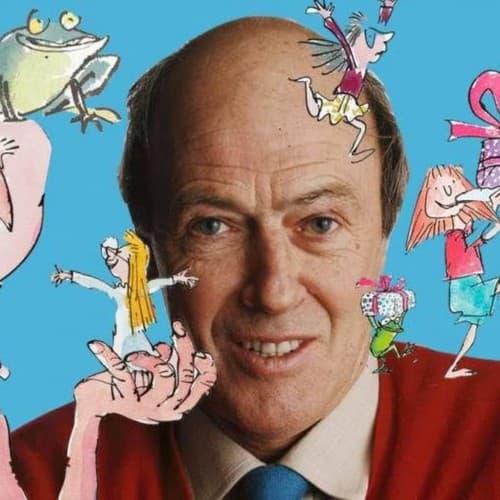
Roald Dahl was a British popular author of children's literature and short stories, a poet, and wartime fighter ace. His books have sold more than 300 million copies worldwide. Dahl has been called "one of the greatest storytellers for children of the 20th century".







