BookBrief
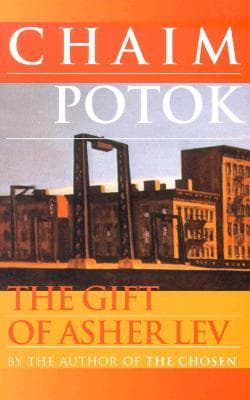
The Gift of Asher Lev cover
Archivist's Choice

The Gift of Asher Lev

Chaim Potok (1990)

Genre

Historical Fiction / Spirituality / Creativity / Young Adult

Reading Time

8-10 hours

Key Themes

See below

Track Your Reading

Sign in to track this book

A world-renowned Hasidic artist, exiled in France, returns to the Brooklyn religious community he fled after a family tragedy, forcing him to confront the gap between his sacred heritage and his art.

Synopsis

Asher Lev, a renowned artist in France, returns to his Hasidic community in Brooklyn after his Uncle Yitzchok's sudden death. This return makes Asher face the tensions between his art and his religious heritage, a conflict that has defined his life. His presence in Brooklyn reopens old family and community wounds, especially concerning his controversial artwork, which uses imagery his religious background finds unsettling. Asher deals with his past, his family's expectations, and his unique gift, as his art challenges traditional boundaries. He seeks advice from the Rebbe, but must navigate a new artistic crisis that will result in a controversial new work, solidifying his identity as an artist and linking him to his roots.
Reading time
8-10 hours
Difficulty
Medium
Pacing
Moderate
Mood
Introspective, Thought-provoking, Melancholy, Resonant
✓ Read this if...
You enjoy deep explorations of faith, art, and identity, particularly within a specific cultural context, and appreciate character-driven narratives with philosophical undertones.
✗ Skip this if...
You prefer fast-paced plots with minimal introspection or are uncomfortable with religious themes and cultural specificity.

Plot Summary

Return to Brooklyn

Asher Lev, a renowned artist in France with his wife Devorah and their two children, Rochele and Avrumel, hears devastating news: his Uncle Yitzchok, a central figure and link to his past, has died suddenly in Brooklyn. Despite decades spent cultivating his art and life away from his Ladover Hasidic community, Asher feels an immediate pull to return for the shiva. This unexpected death forces Asher to confront the world he left behind, bringing his family into a community that both respects and condemns his art, and making him reconcile his present identity with his complex past.

Confronting the Past

In Brooklyn, Asher, Devorah, and the children are immediately immersed in the intense mourning rituals and community life of the Ladover Hasidim. Asher attends the shiva for Uncle Yitzchok, reuniting with his parents, Rivkeh and Aryeh Lev, and other family members. The return is tense; while many in the community respect his success, his art, especially the controversial 'Brooklyn Crucifixion,' remains a scandal. He also has a private audience with the Ladover Rebbe, a figure of spiritual authority, who acknowledges Asher's gift and subtly reminds him of his responsibilities to his heritage, rekindling Asher's long-standing internal struggle.

The Burden of Legacy

Asher's father, Aryeh Lev, a prominent and devout Ladover member, expects Asher to stay in Brooklyn and take on a more active, religiously compliant role, perhaps as a benefactor for Ladover institutions. This expectation conflicts with Asher's identity as an artist. Aryeh sees Asher's art as a distraction, a frivolous pursuit, and a source of shame for the family, especially the 'Brooklyn Crucifixion,' which depicted his mother's suffering. Asher feels the pressure of his father's disapproval and the weight of his family's Hasidic lineage, struggling to balance his heritage with his artistic calling.

Devorah's Discomfort

Devorah, who is not Hasidic and is used to the artistic circles of Europe, finds the sudden immersion into the strict, insular Ladover community deeply uncomfortable. The gender segregation, dress codes, and intense scrutiny are alienating. She struggles to understand Asher's family dynamics and the spiritual pull the community has on him. Her discomfort highlights the cultural gap between Asher's European life and his Brooklyn roots, adding tension to their visit and forcing Asher to navigate her feelings alongside his own.

A New Artistic Crisis

Despite his international fame, Asher Lev has been experiencing an artistic crisis, feeling stagnation in his work and uncertainty about his future. Uncle Yitzchok's death and his return to Brooklyn worsen this. He feels a need to create, but inspiration is elusive, and old subject matter seems insufficient. He is searching for a new way to express his spiritual and emotional turmoil, but the path forward is unclear, adding to his internal conflict between art and faith.

Memories of Yitzchok

Uncle Yitzchok's death brings a flood of memories for Asher. Yitzchok, a successful diamond merchant, was important in Asher's early life, providing financial support and emotional encouragement for his art when his parents disapproved. He was a bridge between Asher's secular artistic world and his religious family, a man who understood and appreciated both. Asher remembers Yitzchok's quiet wisdom, pragmatic advice, and unwavering belief in Asher's gift. These reflections show the profound loss and void left by his uncle, making Asher consider his legacy.

The Rebbe's Counsel

In private audiences, the Ladover Rebbe, with his wisdom and spiritual insight, discusses Asher's art, soul, and place in the world. The Rebbe acknowledges Asher's gift and the spiritual nature of his creativity, suggesting that true art, even when seemingly transgressive, can serve a divine purpose. He challenges Asher to reconcile his artistic vision with his Jewish identity, not by abandoning one for the other, but by integrating them. This guidance slowly shifts Asher's perspective, offering a potential path out of his artistic and spiritual impasse.

A Vision of Redemption

Asher continues to deal with his artistic block, haunted by his uncle's memory and unresolved past tensions. During intense introspection and spiritual struggle, he has an artistic vision. He sees his Uncle Yitzchok, not as a victim, but as a figure bearing the suffering of the Jewish people, like a crucified figure. This vision, combined with the Rebbe's teachings about 'klipah' (shells that conceal holiness and must be broken for redemption), provides a breakthrough. Asher realizes his new artistic mission: to depict the suffering and potential for redemption within his own people, even if it means using controversial imagery.

The Farewell and the Promise

Having found a new artistic direction and a deeper understanding of his spiritual identity, Asher prepares to return to France with Devorah and their children. He has a final, poignant conversation with his parents, where unspoken understandings pass between them, though fundamental differences remain. Asher leaves Brooklyn with a renewed sense of purpose, understanding that his art is not a rejection of his heritage but a unique expression of it. He carries the weight of his family's expectations, the Rebbe's wisdom, and Uncle Yitzchok's memory, all fueling his next creative endeavor.

The Paris Crucifixion

Back in his Parisian studio, Asher begins work on his new masterpiece, 'The Paris Crucifixion.' This painting, a companion to his infamous 'Brooklyn Crucifixion,' depicts Uncle Yitzchok in a pose that evokes Christ's suffering, yet is imbued with a Jewish spiritual context. It is Asher's way of honoring his uncle's sacrifice and his people's suffering, while also expressing his complex relationship with his faith and his art. The painting is a culmination of his journey, showing his ability to transcend boundaries and create art that is both deeply personal and universally resonant, fulfilling the Rebbe's challenge.

Principal Figures

Asher Lev

The Protagonist

Asher moves from a state of artistic and spiritual stagnation to a renewed sense of purpose, finding a way to integrate his Jewish identity with his artistic vision.

Devorah Lev

The Supporting

Devorah learns to better understand the profound grip of Asher's past and the unique spiritual dimensions of his artistic struggle, though she never fully embraces it.

Aryeh Lev

The Supporting

Aryeh remains largely unchanged in his views, representing the unyielding tradition that Asher must reconcile with his own path, though he comes to a grudging acceptance of Asher's unique destiny.

Rivkeh Lev

The Supporting

Rivkeh continues to represent the empathetic, understanding, yet suffering core of Asher's family, ultimately finding a quiet peace with Asher's chosen path.

Uncle Yitzchok

The Supporting

Though deceased at the novel's beginning, Uncle Yitzchok's memory and legacy guide Asher's spiritual and artistic renewal.

The Rebbe

The Supporting

The Rebbe's counsel provides the crucial spiritual framework that allows Asher to break through his artistic block and reconcile his dual identities.

Jacob Kahn

The Mentioned

Jacob Kahn's influence, though not directly evolving in this book, provides a foundational contrast to the spiritual guidance Asher receives from the Rebbe.

Themes & Insights

The Conflict Between Art and Faith

This central theme explores the tension Asher experiences between his artistic calling and the strict demands of his Hasidic faith. His art, especially the use of 'forbidden' imagery like the crucifixion, is seen as a betrayal by his community and family, particularly his father. Yet, Asher sees his artistic gift as a sacred trust, a way to express spiritual truths and human suffering. The novel examines whether these two forces can coexist or if one must triumph, as seen in Asher's internal struggle and his conversations with the Rebbe, who challenges him to find a synthesis.

A Jew must live with his people. A Jew must suffer with his people. A Jew must find his joy with his people. And a Jew must bring his people to God.

The Rebbe

Identity and Belonging

Asher Lev constantly deals with his identity as both a renowned artist and a Ladover Hasid. He is an outsider in both worlds: too religious for the secular art world, and too secular for his religious community. His return to Brooklyn forces him to confront his identity's roots and the deep sense of belonging he feels to his people, despite the pain his art causes. The novel explores the difficulty of forging a unique identity when deeply embedded in a powerful cultural and religious heritage, particularly through his wife Devorah's struggle to fit into his Hasidic world.

I was a man who lived in the world, and I was a man who lived in a world apart. I was a man who belonged to a people, and I was a man who was alone.

Asher Lev (narrator)

Suffering and Redemption

The novel explores the nature of suffering, both personal and communal, and the potential for redemption. Asher's art often comes from suffering — his mother's pain, the historical suffering of the Jewish people, and his own anguish. Uncle Yitzchok's death becomes a focal point for this theme, as Asher seeks to understand and depict his uncle's suffering in a way that goes beyond mere pain and points towards spiritual meaning. The Rebbe's concept of 'klipah' (shells that conceal holiness) guides Asher to see suffering not as an end, but as a path to deeper understanding and revelation, leading to his new artistic vision.

The world is full of klipah, Asher. Shells. Husks. And inside the husks, there is holiness. We must break the husks to get to the holiness.

The Rebbe

The Artist's Sacrifice and Responsibility

Asher's journey shows the personal sacrifice required of a true artist and the responsibility that comes with such a gift. He has sacrificed familial approval, communal acceptance, and personal peace for his art. The novel asks what an artist owes to their community, their heritage, and their own truth. Asher's struggle is to find a way to create art that is authentic to his vision without entirely cutting ties to his people, ultimately accepting the burden of being a bridge between worlds, even if it means misunderstanding and pain.

My work was not a choice. It was a summons.

Asher Lev (narrator)

Plot Devices & Literary Techniques

The 'Brooklyn Crucifixion'

A controversial painting that symbolizes Asher's artistic rebellion and familial pain.

This painting, created in the previous novel, serves as a powerful symbol of Asher's artistic genius and his profound break from his Hasidic community. It depicted his suffering mother in a pose reminiscent of a crucifixion, an image deeply offensive within Judaism. In 'The Gift of Asher Lev,' it continues to represent the unresolved conflict between Asher's art and his faith, constantly brought up by his father and the community. Its existence forces Asher to continually justify his artistic choices and confront the pain it caused, setting the stage for his new artistic challenge.

Uncle Yitzchok's Death

The inciting incident that forces Asher to return to his past and confront his identity.

The sudden death of Asher's Uncle Yitzchok is the primary catalyst for the novel's events. It compels Asher to leave his comfortable life in France and return to the Brooklyn Hasidic community he had largely distanced himself from. This return is not merely a family obligation; it is a spiritual and artistic necessity. Yitzchok, having been a supportive figure in Asher's artistic journey, posthumously serves as a source of both grief and inspiration, pushing Asher to seek a new understanding of his art and his place within his heritage, ultimately becoming the subject of Asher's next great work.

The Rebbe's Counsel

Spiritual guidance that helps Asher reconcile his dual identities.

The Rebbe's wisdom and spiritual authority function as a crucial plot device, providing the intellectual and spiritual framework Asher needs to overcome his artistic and existential crisis. Through their dialogues, the Rebbe doesn't condemn Asher's art but challenges him to find its spiritual purpose within a Jewish context, introducing concepts like 'klipah.' This guidance is instrumental in shifting Asher's perspective, allowing him to see a path where his art can be an expression of his faith, rather than a rejection of it. The Rebbe acts as a spiritual mentor, steering Asher towards a resolution.

'The Paris Crucifixion'

The new masterpiece that signifies Asher's artistic and spiritual synthesis.

This painting, created at the novel's conclusion, is the culmination of Asher's journey. It mirrors the controversial imagery of 'The Brooklyn Crucifixion' but is imbued with a deeper, more integrated spiritual meaning, depicting Uncle Yitzchok's suffering in a way that transcends mere Christian symbolism to express universal and particularly Jewish themes of sacrifice and redemption. It serves as proof of Asher's growth, demonstrating his ability to reconcile his artistic vision with his heritage, embodying the 'gift' of his unique perspective and his continued, though perhaps still controversial, contribution to both art and his people.

Critical analysis

Notable Quotes

My father said I was a sin. My mother said I was a curse. My rebbe said I was a demon. My father said I was a monster. My mother said I was a plague. My rebbe said I was a devil. My father said I was a disease. My mother said I was a blight. My rebbe said I was a abomination.

Asher reflects on the harsh judgments he faced for his art.

A man is not a man until he has a son.

Asher's father expresses a traditional view of manhood and legacy.

Art is not a game. It is a way of seeing the world. It is a way of understanding the world. It is a way of changing the world.

Jacob Kahn's teaching on the profound nature of art.

There are no easy answers. There are only choices.

Asher grapples with the difficult decisions he must make.

The world is full of beauty, if only you know how to look for it.

A recurring theme about finding inspiration and wonder.

Every artist is a rebel. Every artist is an outsider. Every artist is a prophet.

Jacob Kahn defines the role and nature of an artist.

To be an artist is to be lonely. To be an artist is to be misunderstood. To be an artist is to be exiled.

Asher reflects on the isolation that comes with his artistic path.

The greatest gift a man can give his son is the freedom to be himself.

A sentiment Asher wishes his father understood.

A true artist does not paint what he sees, but what he feels.

Jacob Kahn's emphasis on emotional depth in art.

Sometimes, the only way to save a thing is to let it go.

Asher ponders the sacrifices required for his art and personal growth.

The world is full of suffering. And the artist's job is to make that suffering visible.

Asher recognizes the responsibility of an artist to portray truth, even painful truth.

My father saw the world in terms of good and evil. I saw the world in terms of light and shadow.

Asher contrasts his artistic perception with his father's moral worldview.

Every stroke of the brush is a prayer. Every color is a blessing. Every painting is a sermon.

Asher's attempt to reconcile his art with his spiritual upbringing.

To be an artist is to live with a wound. And to heal that wound, you must create.

A profound insight into the motivating force behind Asher's art.

Quiz

Test Your Knowledge

Ready to see how well you understood this book? Take our interactive quiz with 10 questions.

10
Questions
~5
Minutes
?
Best Score

Key Questions (FAQ)

Asher Lev's central conflict upon his return to Brooklyn is the re-emergence of the tension between his artistic calling and the demands of his Hasidic heritage. The death of his Uncle Yudel forces him to confront the community and family he left behind, reigniting the struggle to reconcile his artistic expression with religious piety and duty, especially as he considers painting a memorial for Yudel.

About the author

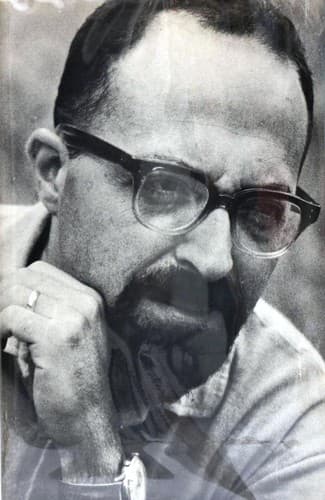
Chaim Potok

Chaim Potok was an American Jewish novelist and essayist, celebrated for his deeply resonant explorations of faith, tradition, and identity within the Hasidic and Orthodox Jewish communities. His most famous works, including 'The Chosen' and 'The Gift of Asher Lev,' delve into the complex relationships between religious observance and the modern world, often featuring protagonists grappling with artistic ambition and familial expectations. Potok's writing is characterized by its intellectual depth and empathetic portrayal of internal conflict.