BookBrief
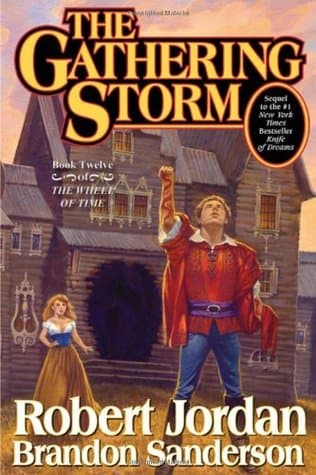
The Gathering Storm cover
Archivist's Choice

The Gathering Storm

Robert Jordan (2009)

Genre

Fantasy

Reading Time

12 Minutes

Key Themes

See below

Track Your Reading

Sign in to track this book

As the Last Battle looms, Rand al'Thor grapples with a growing darkness within himself while Egwene al'Vere fights to rally the fractured Aes Sedai against impending doom.

Synopsis

In 'The Gathering Storm,' the penultimate volume of The Wheel of Time, the world teeters on the brink of Tarmon Gai'don, the Last Battle. Rand al'Thor, the Dragon Reborn, grapples with immense pressure as he attempts to forge alliances among fractured nations and confront the encroaching Seanchan, all while battling a growing darkness within himself that threatens his sanity and leadership. Meanwhile, Egwene al'Vere, the captured Amyrlin Seat of the rebel Aes Sedai, navigates the treacherous politics of the White Tower as a prisoner, secretly working to unite the divided Aes Sedai against the tyrannical Elaida and prepare for an impending Seanchan assault, knowing that the fate of the Tower and potentially the world rests on her ability to lead from captivity.
Difficulty
Medium
Pacing
Moderate
Mood
Epic, desperate, intense, politically charged, introspective

Plot Summary

The Price of Power

Rand al'Thor, the Dragon Reborn, grows increasingly isolated and grim, his personality hardening under the pressure of leading the world against the Shadow. He tries to develop a Last Battle strategy, but his methods become ruthless, alienating many allies. He attempts to enforce a truce with the Seanchan, a move almost everyone views with suspicion. The voices of Lews Therin Telamon, his past self, grow louder, battling for control and pushing him toward despair. His increasing use of the True Power, the Shadow's counterpart to the One Power, corrupts him further. This appears as a literal shadow around his heart and a chilling detachment from humanity. He believes he must become harder than the Shadow to defeat it, a path that frightens those who love him.

A Captive Amyrlin

Egwene al'Vere, the Amyrlin Seat of the rebel Aes Sedai, is captured by the White Tower and disciplined by Elaida do Avriny a'Roihan and the Mistress of Novices, Silviana. Despite imprisonment and abuse, Egwene refuses to break. Instead, she uses her position to subtly undermine Elaida's authority, sow discord among loyalist Aes Sedai, and secretly rally her rebel sisters within the Tower. She endures beatings and public shaming, but her spirit remains strong, earning her the respect of many who first scorned her. Egwene's resolve and strategic mind begin to unify the Aes Sedai factions, loyalist and rebel, as a Seanchan invasion approaches.

The Seanchan Threat

The Seanchan forces, led by Tuon, move toward Tar Valon, the White Tower's seat. Their advance is swift and brutal, conquering lands and enslaving channelers. The White Tower, weakened by internal strife and Elaida's poor leadership, is unprepared. Egwene, though a prisoner, predicts the attack and tries to warn the Tower, but her warnings are dismissed. As the Seanchan approach, the loyalist Aes Sedai face their precarious position. Tar Valon prepares for an invasion unlike any it has seen in centuries, threatening to shatter the Aes Sedai's power and influence.

Nynaeve's Quest

Nynaeve al'Meara, with Elayne Trakand and others, travels to the Borderlands, specifically Kandor, to find a cure for the madness that afflicts male channelers. This quest is driven by the urgent need to allow men to wield the One Power without succumbing to the taint on saidin, a critical factor for the Last Battle. Their journey is dangerous, encountering various threats and political complications. Nynaeve's healing abilities are pushed to their limits as she experiments with methods and studies the One Power, hoping to unlock a secret that has eluded Aes Sedai for millennia. Her determination comes from her love for Lan and her understanding of male channelers' vital role.

Rand's Dark Path

Rand's descent into a colder, more calculating leader continues. He executes those he sees as disloyal, including White Tower members and nobles who defy him. His interactions with Min, Elayne, and Aviendha become strained; they see the man they love transforming into someone they barely recognize. He tries to use the True Power more frequently, believing it gives him an edge against the Shadow, but it only isolates him further. His pronouncements become absolute, his orders unyielding, and his trust in anyone, even himself, wanes. He is convinced that only through ruthlessness can he prepare the world for the Last Battle, even if it means sacrificing his own soul.

The White Tower Siege

The Seanchan launch their full-scale assault on Tar Valon. The battle is fierce and devastating, with Seanchan air forces and ground troops overwhelming the city's defenses. The Aes Sedai, despite internal divisions, fight valiantly but are outmatched by the Seanchan's numbers and tactics. The loyalist Aes Sedai leadership, particularly Elaida, proves ineffective. Egwene, still a prisoner, sees the destruction and recognizes the desperate need for unified leadership. The White Tower is heavily damaged, and many Aes Sedai are captured and collared as damane, a humiliating fate for those who once wielded such power freely.

Egwene's Leadership Emerges

During the Seanchan siege's chaos, Egwene asserts her leadership. She strategically uses her knowledge of both loyalist and rebel Aes Sedai to coordinate resistance from within the Tower. Despite her damane collar, she inspires others to fight, using her strength and resolve to unite the factions. She shows courage and tactical brilliance, earning the respect and loyalty of many who had previously scorned her. Her actions during the siege show her true power as the Amyrlin Seat, proving that even in chains, she can lead and inspire, a stark contrast to Elaida's crumbling authority.

Elaida's Downfall

Elaida's incompetence and arrogance lead to her downfall during the Seanchan invasion. Her inability to lead, her disregard for warnings, and her focus on petty power struggles rather than defense leave the White Tower vulnerable. As the Seanchan overwhelm the Tower, Elaida tries to flee but is captured and collared as a damane, a deeply ironic and humiliating end for the woman who so vehemently persecuted other channelers. Her capture signals the collapse of her tyrannical rule and opens the way for new, unified leadership within the Aes Sedai, spearheaded by Egwene's actions during the crisis.

Rand's Despair and the Dragonmount

Overwhelmed by his destiny, the taint on saidin, Lews Therin's voices, and the seemingly endless cycle of violence and betrayal, Rand falls into despair. He believes he has failed, that he is nothing more than a weapon of destruction, and that the only way to end the suffering is to destroy everything. He travels to Dragonmount, the site of his previous incarnation's suicide, intending to unleash a catastrophic amount of the One Power, enough to cleanse the world of all life. This is his darkest hour, a moment where the weight of the world threatens to crush him entirely, pushing him to the brink of ultimate annihilation.

The Enlightenment at Dragonmount

At his self-destruction's edge on Dragonmount, Rand is confronted by Tam al'Thor, his adoptive father. Tam's unwavering love and simple wisdom break through Rand's hardened shell, reminding him of what it means to be human and to fight for life. This encounter, with a spiritual experience, leads Rand to a revelation. He understands the true nature of the Light and the Shadow, realizing that the fight is not about becoming as hard as the Shadow, but about embracing life, love, and hope. This enlightenment cleanses the taint from his soul, integrates Lews Therin's memories, and restores his humanity, marking a turning point in his journey.

The Unified White Tower

After the Seanchan invasion, with Elaida captured, Egwene is recognized as the true Amyrlin Seat by both loyalist and rebel Aes Sedai. Her courage, leadership during the siege, and her ability to unite the factions prove her worth. She begins the task of rebuilding the White Tower, healing divisions, and preparing the Aes Sedai for the Last Battle. This unification of the Aes Sedai, long fractured by the schism, is a critical step toward presenting a united front against the Shadow and a victory for Egwene and the White Tower's future.

The Cleansing of Rand

Following his enlightenment on Dragonmount, Rand is fundamentally changed. Lews Therin's voices are no longer a torment but integrated memories, offering wisdom. The shadow around his heart dissipates, and he regains his compassion and humanity. He understands that the fight against the Shadow is not about power or destruction, but about protecting life and upholding the Light. This internal cleansing revitalizes his spirit and clarifies his purpose, allowing him to approach the Last Battle not as a weary weapon, but as a true leader, filled with hope and resolve. He is no longer just the Dragon Reborn, but Rand al'Thor, whole once more.

Principal Figures

Rand al'Thor

The Protagonist

Rand begins as a hardened, isolated leader, nearly consumed by despair and the Shadow's influence, but ultimately experiences a profound enlightenment that restores his humanity and clarifies his purpose.

Egwene al'Vere

The Protagonist

Egwene endures harsh imprisonment and suffering, emerging as the undisputed, unified leader of the Aes Sedai, demonstrating immense strength and political acumen.

Nynaeve al'Meara

The Supporting

Nynaeve continues to develop her healing skills and confidence, taking on a critical mission that could change the fate of male channelers and the Last Battle.

Elaida do Avriny a'Roihan

The Antagonist

Elaida's reign of arrogance and incompetence culminates in her complete downfall and capture by the Seanchan, a stark reversal of her power.

Tam al'Thor

The Supporting

Tam serves as a pivotal moral anchor for Rand, ultimately pulling him back from the brink of self-destruction and helping him find his true path.

Tuon

The Supporting

Tuon continues her relentless pursuit of conquest, leading the Seanchan invasion that brings the White Tower to its knees, showcasing her strategic prowess.

Cadsuane Melaidhrin

The Supporting

Cadsuane continues her difficult and often misunderstood mission to prepare Rand, facing new challenges as his darkness deepens before his ultimate breakthrough.

Min Farshaw

The Supporting

Min witnesses Rand's harrowing descent into darkness and despair, remaining a steadfast source of love and concern despite her inability to fully reach him until his enlightenment.

Gawyn Trakand

The Supporting

Gawyn's personal loyalties and love for Egwene continue to drive his actions, often leading him into conflict and moral dilemmas.

Themes & Insights

The Burden of Leadership and Power

This theme explores the psychological and moral toll that ultimate power and leadership demand. Rand al'Thor's journey is the central example, as he becomes increasingly isolated, ruthless, and detached, believing he must sacrifice his humanity to save the world. The weight of his destiny nearly breaks him, pushing him to despair. Egwene's leadership, while different, also highlights the sacrifices required, as she endures torture and imprisonment to unite the Aes Sedai. Both characters show how power, even for noble ends, can corrupt and isolate.

The price of power is to live in a world where the only thing that matters is power.

Rand al'Thor (internal thought, reflecting his despair)

Redemption and Rebirth

Despite the pervasive darkness, the theme of redemption and rebirth appears, particularly with Rand al'Thor. His descent into despair is a necessary prelude to his enlightenment on Dragonmount. This moment is a spiritual and emotional rebirth, where he sheds his corrupted persona, integrates his past life, and reclaims his humanity. It signifies that even from darkness, hope and a renewed sense of purpose can emerge. Egwene's journey also reflects this, as her imprisonment and suffering lead to her emergence as a unified and respected Amyrlin, reborn from the White Tower's schism.

The answer, Rand realized, was not to become the Shadow, but to embrace the Light. Not to destroy, but to create. Not to end, but to begin again.

Narrator (describing Rand's epiphany)

The Nature of Sacrifice

Sacrifice is a recurring idea, explored through various characters and their choices. Rand believes he must sacrifice his soul and humanity to defeat the Shadow, a path that nearly consumes him. Egwene willingly sacrifices her freedom and endures torture, understanding that her suffering is a necessary step to unify the Aes Sedai and save the White Tower. The novel questions the limits of sacrifice: when does it become self-destructive, and when is it a necessity? It suggests that true sacrifice is not giving up one's essence, but enduring hardship for a greater good without losing oneself.

Sometimes, you have to sacrifice a part of yourself to save the whole. But you must never let the whole of yourself be lost.

Cadsuane Melaidhrin

Unity in the Face of Adversity

This theme highlights the importance of unity, especially when facing an existential threat. The White Tower's internal schism and Elaida's incompetent rule leave it vulnerable to the Seanchan invasion, showing the dangers of division. Egwene's actions as a captive, her ability to inspire and unite both loyalist and rebel Aes Sedai during the siege, exemplify the power of a unified front. Rand's struggles to unite the nations also speak to this, as he realizes that a fractured world cannot stand against the Shadow's unified forces. The novel argues that only through collaboration and mutual trust can victory be achieved.

A divided house cannot stand, and the Shadow cares nothing for our squabbles.

Egwene al'Vere

The Cycle of Violence and Hope

The Wheel of Time's cyclical nature appears in the constant interplay between violence and hope. Rand's initial belief that only violence can defeat violence traps him in a destructive cycle. However, his epiphany at Dragonmount breaks this cycle, showing that hope, compassion, and creation are ultimately stronger than destruction. The novel explores how the world teeters between these two forces, with characters making choices that either perpetuate violence or strive to build a future founded on hope. The Last Battle is the culmination of this cycle, demanding a choice that transcends mere destruction.

The world will always turn, and the Shadow will always return. But so too will the Light, and the hope of a new dawn.

Narrator

Plot Devices & Literary Techniques

The True Power

The Dark One's corrupted counterpart to the One Power.

The True Power is the Dark One's power, which Rand increasingly uses in 'The Gathering Storm.' Unlike the One Power, which draws from the True Source, the True Power draws directly from the Dark One, granting immense, albeit corrupting, strength. Its use manifests as a literal shadow around Rand's heart, symbolizing his descent into darkness and his growing ruthlessness. This device highlights the insidious nature of the Shadow and the moral compromises Rand believes he must make, driving his isolation and despair. It serves as a tangible representation of his internal struggle against corruption.

Dragonmount

A sacred and symbolic mountain, site of Rand's ultimate despair and enlightenment.

Dragonmount is a mountain formed by Lews Therin Telamon's suicide at the end of the Age of Legends, making it a place of immense symbolic weight for Rand. In 'The Gathering Storm,' Rand travels to Dragonmount intending to unleash a catastrophic amount of the One Power, mirroring his past incarnation's destructive act, but on a global scale. This setting becomes the crucible for his ultimate internal conflict, where he confronts his despair and ultimately experiences a profound enlightenment. It is a physical manifestation of his journey from suicidal despair to renewed purpose, a place of death and rebirth.

The Damane Collar (A'dam)

A Seanchan artifact used to enslave female channelers.

The a'dam is a powerful Seanchan ter'angreal used to control and enslave female channelers, turning them into 'damane.' In 'The Gathering Storm,' Egwene's capture and collaring by Elaida (who mistakenly believes it's a Seanchan device) and then later by the Seanchan themselves, is a central plot device. It symbolizes the ultimate subjugation and dehumanization of channelers, a fate considered worse than death by Aes Sedai. Egwene's ability to resist, endure, and even lead while collared highlights her immense strength and the indomitable spirit of the Aes Sedai, turning a tool of oppression into a platform for resistance.

The Taint on Saidin

The Dark One's corruption of the male half of the One Power.

The Taint on saidin is the Dark One's curse on the male half of the One Power, driving male channelers mad. While mostly cleansed in a previous book, its lingering psychological effects, particularly on Rand through the voice of Lews Therin, remain a potent plot device. It represents the inherent danger and historical tragedy associated with male channeling and contributes significantly to Rand's despair and isolation. Nynaeve's quest to find a complete cure for the madness further emphasizes its importance as a lingering threat and a critical obstacle to overcome before the Last Battle.

Critical analysis

Notable Quotes

Quiz

Test Your Knowledge

Ready to see how well you understood this book? Take our interactive quiz with 10 questions.

10
Questions
~5
Minutes
?
Best Score

Key Questions (FAQ)

The Gathering Storm is the eleventh book in The Wheel of Time series and the first of the concluding volumes. It deals with the escalating preparations for the Last Battle, Tarmon Gai'don, and the internal struggles of key characters like Rand al'Thor and Egwene al'Vere as the world teeters on the brink of destruction.

About the author

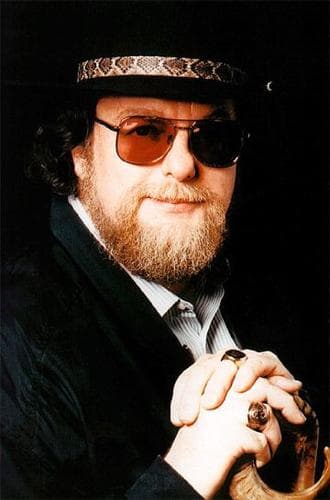
Robert Jordan

James Oliver Rigney Jr., better known by his pen name Robert Jordan, was an American author of epic fantasy. He is known best for his series The Wheel of Time which comprises 14 books and a prequel novel. He is one of several writers to have written original Conan the Barbarian novels; his are considered by fans to be some of the best of the non-Robert E. Howard efforts. Jordan also published historical fiction using the pseudonym Reagan O'Neal, a western as Jackson O'Reilly, and dance criticism as Chang Lung. Jordan claimed to have ghostwritten an "international thriller" that is still believed to have been written by someone else.