“It was a dress for the living, for the ones left behind to remember and to mourn.”
— Describing the purpose and significance of the funeral dress.

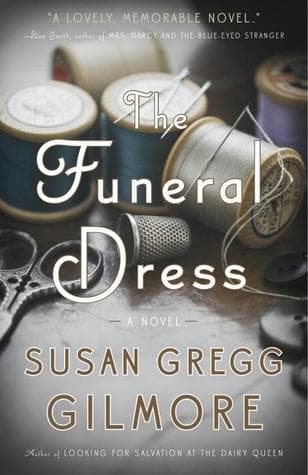
Susan Gregg Gilmore (2013)
Genre
Historical Fiction
Reading Time
356 min
Key Themes
See below
Sign in to track this book
In 1920s rural Tennessee, an unmarried mother defies small-town judgment, weaving a legacy of resilience and unconventional love into her deceased mentor's funeral dress, fighting to honor her memory and secure her child's future.
Emmalee Bullard, a young, unmarried mother, faces hard times in Red Chert, Tennessee, after her baby's father leaves her. Working at the local shirt factory, she connects with Leona Lane, an older, skilled seamstress. Leona, seeing Emmalee's desperation and talent, offers Emmalee and her infant daughter, Lily, a place to live, away from the holler's harsh conditions and the community's judgment. Just as Emmalee starts to imagine a new, stable life with Leona's guidance, tragedy strikes. Leona dies suddenly from a fall, leaving Emmalee heartbroken and alone again, but with a deep sense of loss and new responsibility.
Heartbroken by Leona's sudden death, Emmalee feels a strong need to honor the woman who showed her kindness and offered her a future. Despite her own limited money and the social shame of being an unmarried mother, Emmalee promises to sew Leona's funeral dress. This decision is more than just making a dress; it is an act of love, defiance, and a way for Emmalee to grieve and show thanks. However, her plan is met with doubt and disapproval from many townspeople, who question if she, an unmarried mother, is suitable to sew such an important garment for a respected Christian woman, especially given her own perceived moral flaws and lack of formal training in burial clothing.
As Emmalee starts the difficult task of designing and sewing Leona's funeral dress, she faces significant resistance and judgment from the conservative community of Red Chert. Mrs. Poinsett, a prominent and judgmental churchwoman, openly questions Emmalee's ability and moral standing for such a sacred task. Whispers and gossip spread through town, fueled by Emmalee's unmarried status and Lily's birth. Many believe a more 'respectable' person should handle Leona's final clothing. Emmalee feels isolated, facing much criticism and the pressure to prove her worth, not only as a seamstress but as a mother and a community member.
Despite the initial criticism, Emmalee's resolve begins to soften some hearts and gain unexpected allies. The other seamstresses from the shirt factory, including the practical and loyal Beatrice and the more outspoken Dot, recognize Emmalee's talent and her true wish to honor Leona. They offer quiet support, sharing fabric scraps, giving advice, and defending Emmalee against town gossip. Even Mr. Winston, the local funeral director, a quiet man, sees Emmalee's sincerity and skill. He provides important encouragement and practical help, giving her access to Leona's measurements and discreetly guiding her through funeral customs, becoming a key support.
One of Emmalee's biggest challenges is finding the right fabric for Leona's funeral dress. The ideal material, a delicate and dignified silk, is rare and expensive in Depression-era Red Chert. Emmalee's limited money and the difficulty of getting such a luxurious fabric show her struggles with poverty and social standing. Her search takes her to small shops and other women's homes, forcing her to interact with community members who had previously avoided her. This search for the perfect fabric becomes a symbol for Emmalee's journey to find her place and acceptance in the community, as each interaction, no matter how small, lessens her isolation.
With each stitch she puts into Leona's funeral dress, Emmalee's memories of Leona return. She remembers Leona's kindness, her steady support at the factory, and her practical advice about life, sewing, and motherhood. Emmalee recalls Leona's stories of her past, her quiet strength, and her deep faith. Sewing becomes a meditative process, allowing Emmalee to grieve and feel Leona's presence guiding her hands. She realizes the dress is not just for Leona's burial, but a sign of their bond and Leona's lasting compassion and strength.
Making the dress also forces Emmalee to face her past and the reasons she came to Red Chert with a child born out of wedlock. The town's judgment, especially from people like Mrs. Poinsett, brings up the shame and regret she carries. She thinks about her relationship with Lily's father and the difficult choices she made. The dress becomes a canvas for her emotions, as she pours her feelings of inadequacy, strength, and hope into its creation. Through this deep reflection, Emmalee begins to understand that honoring Leona also means finding strength and dignity within herself, regardless of what society says.
After days of hard work, careful measurements, and precise stitching, Emmalee finishes Leona's funeral dress. It is a garment of great beauty and skill, showing not only Emmalee's exceptional talent as a seamstress but also the deep love and respect she had for Leona. The simple elegance of the design, the careful fabric choice, and the perfect execution contrast sharply with the community's initial doubts and criticisms. When Mr. Winston sees the finished dress, he is deeply moved by its artistry and the clear devotion it shows, recognizing it as a fitting tribute to Leona's character.
Leona's funeral is a quiet event, attended by many from Red Chert. When Leona is shown in her casket, wearing the gown Emmalee created, the effect is immediate and clear. The dress is beautiful, showing dignity and peace, and it silences the previous gossip and criticism. The community sees not just a beautiful garment, but a powerful act of love and remembrance. Many, including Mrs. Poinsett, are visibly touched. The dress becomes a symbol of Emmalee's devotion and talent, making the town rethink their harsh judgments. It marks a turning point, as the community starts to see Emmalee not just as an outcast, but as a skilled and caring young woman.
After Leona's funeral, Emmalee finds new acceptance in Red Chert. The completed dress, and its strong impact, confirms her reputation as a skilled seamstress and a woman of integrity. The other factory women support her more openly, and even Mrs. Poinsett offers a reluctant acknowledgment of her talent. Mr. Winston remains a steady supporter, recognizing Emmalee's good nature. Emmalee, with Lily by her side, no longer feels like an outsider. She has honored Leona's memory and created a respected place for herself and her daughter, changing a skeptical town into a supportive community through her quiet strength and deep act of love.
The Protagonist
Emmalee transforms from a shamed, isolated young woman into a respected member of the community, finding her voice and purpose through her act of honoring Leona.
The Supporting/Catalyst
Leona's arc is completed off-screen; her death serves as the catalyst for Emmalee's journey of self-discovery and community integration.
The Supporting
As an infant, Lily does not have a personal arc, but her presence drives Emmalee's development and the narrative.
The Supporting
Mr. Winston's arc involves a gradual opening up to Emmalee, becoming a trusted ally and mentor.
The Antagonist
Mrs. Poinsett's arc shows a subtle shift from outright condemnation to grudging respect for Emmalee's talent and devotion.
The Supporting
Beatrice's arc is relatively static, serving as a consistent source of support for Emmalee.
The Supporting
Dot's arc is relatively static, serving as a vocal ally for Emmalee.
The novel explores community dynamics in a small, Depression-era Southern town. Emmalee's journey shows the struggle for acceptance when one does not fit social norms. Initially, Red Chert is judgmental and isolating, especially toward Emmalee's unmarried motherhood. However, her dedication to honoring Leona slowly breaks down these barriers. Sewing the funeral dress helps the town re-evaluate its prejudices, turning individuals into a more compassionate community that accepts Emmalee and her daughter. This theme is clear in the shift from Mrs. Poinsett's condemnation to the quiet support of other seamstresses and Mr. Winston.
““A community isn't just a place; it's the people in it, and how they choose to treat each other.””
Sewing, specifically making Leona's funeral dress, is central to the novel's themes. For Emmalee, sewing is more than a skill; it is a way to express herself, process grief, show love, and assert her identity. The dress itself is a strong symbol of dignity, respect, and Emmalee's worth. Through her careful stitches and artistic vision, Emmalee transforms fabric into a tribute, and in doing so, transforms herself and others' perceptions. Factory work, though routine, connects the women, and Emmalee's act of creation elevates craft to an art form that can bridge social divides, as seen in the community's reaction to the finished gown.
““Every stitch was a memory, a prayer, a testament to the woman who had seen worth in her when no one else would.””
The novel highlights the strength and friendship among women, especially working-class women in a tough era. Despite wider social judgment, Emmalee finds key support from her fellow seamstresses at the factory—Beatrice and Dot—who quietly or openly defend her. Leona Lane's initial kindness is a prime example of this solidarity, offering Emmalee a lifeline. These women understand their shared struggles and provide empathy and practical help, showing how female bonds can offer resilience against hardship and prejudice. Their support helps Emmalee to persist and succeed.
““Women, when they stood together, could move mountains, even if those mountains were made of gossip and judgment.””
Grief is a strong underlying theme throughout the story, particularly Emmalee's mourning for Leona. Making the funeral dress becomes Emmalee's personal ritual of remembrance and a tangible way to cope with her loss. Each stitch is filled with her memories of Leona's kindness and wisdom, allowing her to keep Leona's spirit alive. The dress itself serves as a lasting memorial, not just for Leona, but for the deep impact she had on Emmalee's life. The story shows how acts of creation and devotion can be powerful expressions of grief and a way to honor the departed.
““To honor someone wasn't just about tears; it was about doing something, creating something, that spoke of their life.””
A symbolic object that drives the plot and represents Emmalee's journey.
The funeral dress is the central plot device. It is not merely a garment but a powerful symbol. It represents Emmalee's grief, her skill, her defiance, and her quest for acceptance. The act of making the dress drives the narrative, creating conflict, revealing character, and ultimately serving as the catalyst for Emmalee's integration into the community. Its creation forces Emmalee to confront her past, utilize her talent, and engage with the town, making it a tangible manifestation of her emotional and social journey.
A setting that symbolizes working-class life and female camaraderie.
The shirt factory serves as a significant setting and plot device. It represents the harsh realities of working-class life during the Depression, but more importantly, it is the crucible where female solidarity is forged. It's where Emmalee meets Leona, and where she finds her initial allies among the other seamstresses. The factory environment highlights the shared experiences and struggles of these women, fostering a sense of community that contrasts with the judgmental attitudes outside its walls. It underscores the theme of female resilience and mutual support.
An antagonistic force that creates external conflict and highlights societal prejudice.
Gossip and social stigma function as a pervasive antagonistic force throughout the novel. Emmalee's unmarried motherhood and her perceived low social standing make her a target for the town's whispers and judgment, particularly from figures like Mrs. Poinsett. This societal pressure creates significant external conflict, challenging Emmalee's resolve and forcing her to prove her worth. It highlights the rigid social norms of the era and the destructive power of prejudice, driving much of Emmalee's emotional struggle and her determination to overcome it.
“It was a dress for the living, for the ones left behind to remember and to mourn.”
— Describing the purpose and significance of the funeral dress.
“Some things, once broken, can never be put back together in quite the same way.”
— Reflecting on the permanence of loss and change.
“The mountains held their secrets close, just like the people who lived among them.”
— Illustrating the insular nature of the Appalachian community.
“A woman’s worth wasn’t measured by the man she married, but by the strength she carried within her.”
— Mamaw's wisdom about female independence and inner strength.
“Grief was a river, sometimes a trickle, sometimes a flood, but always flowing.”
— Metaphor for the enduring and changing nature of grief.
“There was a comfort in the familiar rhythm of the seasons, a promise that life would go on, even after the hardest winters.”
— Finding solace in nature's cycles amidst personal hardship.
“Sometimes the hardest thing to do was to let go of what you thought was supposed to be.”
— The struggle of accepting a different reality than planned.
“The threads of a life, like the threads of a dress, were woven with joy and sorrow, light and shadow.”
— Comparing the complexity of life to the intricate weaving of the dress.
“Silence could hold as much meaning as words, sometimes more.”
— Observing the unspoken communication and understanding within the community.
“Hope was a stubborn thing, blooming even in the rockiest soil.”
— Reflecting on the persistent nature of hope despite adversity.
“Every stitch told a story, every patch a memory.”
— Referring to the quilt-like qualities of the funeral dress and its symbolic meaning.
“The past wasn’t something you could outrun, it walked with you, a shadow at your heels.”
— Acknowledging the lasting impact of past events and decisions.
“Love wasn't always a grand gesture; sometimes it was just showing up, day after day.”
— Defining love through consistent presence and quiet support.
“There was a particular kind of strength found in women who had seen too much and said too little.”
— Highlighting the quiet resilience of women who have endured hardship.
Ready to see how well you understood this book? Take our interactive quiz with 10 questions.

Biography coming soon.







