“The first year was the hardest. It was the year of the grasshoppers.”
— Reflecting on the initial challenges after marriage and moving to the claim.

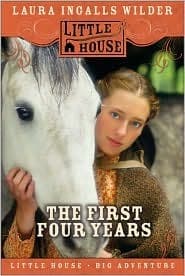
Laura Ingalls Wilder (1953)
Genre
Children's / Historical Fiction / Young Adult
Reading Time
90 min
Key Themes
See below
Sign in to track this book
Laura and Almanzo Wilder face blizzards, crop failures, and personal tragedies on the South Dakota prairie, fighting to keep their love and new family alive.
Laura Ingalls marries Almanzo Wilder on August 25, 1885, at Reverend Brown's home. Laura is eighteen, Almanzo twenty-eight. They move into a small, new house on Almanzo's tree claim near De Smet, South Dakota. Laura wants to be a good wife. They begin farming, planting wheat, and building their new life. Almanzo brings his horses, Prince and Lady, and they work hard to break the prairie sod, turning wild land into farmland.
Their first year means hard work and hope for a good harvest. Laura learns to run a household and helps Almanzo with chores, including stacking hay. The wheat harvest is decent but brings less money than they hoped due to low market prices. They must be very careful with money. They sell some of Almanzo's horses to pay bills and buy winter necessities. Laura feels the financial strain but remains hopeful, believing they can overcome challenges. Farming on the prairie, they learn, is a constant gamble against weather and market.
In December 1886, Laura gives birth to their daughter, Rose Wilder. The birth happens in their small shanty, with a local woman acting as midwife. Despite the simple conditions, Laura is thrilled with her baby. Rose brings new love and responsibility into their lives. Almanzo is a proud father. Rose's arrival strengthens their bond and brings great joy, even as they still face the practical challenges of pioneer life, needing more income to support their growing family.
A severe diphtheria epidemic hits the community, and both Almanzo and Laura get sick. The illness is serious, leaving them weak and unable to work. Laura's family, especially Ma and Pa Ingalls, cares for them, providing vital support. Laura recovers, but Almanzo's recovery is slower and more difficult. The illness leaves him with lasting health problems, including partial paralysis in his legs, which greatly affects his ability to do strenuous farm work. This is a major turning point, bringing long-term physical challenges.
Diphtheria has a lasting effect on Almanzo. He suffers a stroke soon after, losing the use of his legs and becoming partially paralyzed. He uses a wheelchair for a time and must learn to walk again with crutches. This injury is a severe blow to their farming plans, as Almanzo can no longer do the heavy labor needed to work the land. Laura takes on even more tasks, showing great resilience and determination to support her husband and family despite the physical and emotional stress.
Another disaster strikes when their small house catches fire and burns down. Laura and Almanzo lose almost everything, including furniture and many personal items. This fire is a major setback, forcing them to start over. They move into a smaller, temporary home, further testing their resolve. Despite the immense loss and emotional toll, they remain determined to overcome this, relying on their inner strength and the support of family and community to rebuild.
Just as they begin to recover from the fire and Almanzo's illness, a severe hailstorm sweeps across the prairie. The storm completely destroys their promising wheat crop, which was their main hope for financial stability. This loss is disastrous, meaning they will have no farm income for the year. This event pushes them to the edge of financial ruin, leaving them without means to pay debts or support themselves. The hailstorm feels like a final, crushing blow, making their future on the South Dakota prairie seem increasingly dim.
With Almanzo's disability, the destroyed crop, and the loss of their home, Laura and Almanzo realize they cannot continue farming their tree claim. They must make the hard decision to leave the land they worked so hard on. They rent out their claim and move into town, hoping to find work Almanzo can do despite his injuries. This move signals the end of their initial dreams of prosperity on the prairie and a painful admission of defeat in their battle against nature and misfortune.
Wanting a change of luck and a climate better for Almanzo's health, Laura and Almanzo decide to move to Spring Valley, Minnesota, near Almanzo's parents. They hope to find work and a fresh start away from the harsh South Dakota prairie. However, their time in Minnesota is short and unsuccessful. Almanzo struggles to find suitable work, and the climate does not offer the relief they hoped for. This brief move highlights their ongoing struggle to find stability and a place where they can thrive as a family.
After their unsuccessful attempt to settle in Minnesota, Laura, Almanzo, and Rose return to De Smet, South Dakota. They are back where they started, facing the same challenges but with more experience of hardship. They live in a rented house, and Almanzo takes odd jobs, still limited by his physical condition. Laura continues to work hard, doing whatever she can to help the family's income. Despite repeated setbacks, their bond remains strong, and they face life's challenges with quiet determination, accepting their reality on the prairie.
As the fourth year ends, Laura and Almanzo, though beaten by misfortune, have not given up. They are still together, their love deepened by shared suffering, and their daughter Rose is healthy. They continue to dream of a better future, perhaps in a new place, where Almanzo's health might improve and they could find prosperity. The story ends with an implied promise of their eventual move to Mansfield, Missouri, where they would finally build a successful farm and home. Their lasting spirit and commitment to each other are the true triumphs of these challenging first four years.
The Protagonist
Laura transforms from a hopeful newlywed into a seasoned pioneer wife and mother, hardened by adversity but never broken, her spirit enduring through immense suffering.
The Protagonist/Supporting
Almanzo transitions from a robust, independent farmer to a man living with a permanent disability, learning to cope with his physical limitations while maintaining his loving spirit.
The Supporting
Rose remains a symbol of hope and the future, experiencing her early childhood amidst her parents' struggles.
The Supporting
Ma remains a constant source of maternal strength and support, embodying the enduring spirit of pioneer women.
The Supporting
Pa continues his role as a supportive, optimistic patriarch, offering practical help and emotional resilience.
The Mentioned
Remains a background figure, representing Almanzo's broader family context.
The Mentioned
A static character, serving a ceremonial role at the story's beginning.
The novel shows the human spirit's ability to endure and overcome hardship. Laura and Almanzo face many misfortunes—low crop prices, diphtheria, Almanzo's paralysis, a house fire, and a hailstorm—yet they always get back up and try again. Their strong commitment to each other and their shared dream, even when that dream seems impossible, shows their incredible resilience. This theme appears in every chapter, from Laura's determination to be a good wife despite her youth to their decision to move to Minnesota and then back to De Smet, always looking for a way forward.
“It was a good thing that Laura and Almanzo had the happy faculty of living in the present. They did not borrow trouble from the future, nor did they regret the past. So they were able to make the best of what they had and what they were.”
The book clearly shows the harsh and unpredictable nature of frontier life, a stark contrast to romanticized views of pioneers. It details the constant struggle against nature (drought, hailstorms), financial instability (low crop prices, debt), disease (diphtheria), and accidents (fire). The story emphasizes that success on the prairie was never guaranteed, and often, despite great effort, pioneers could lose everything. This theme is central to the plot, as almost every major event in Laura and Almanzo's first four years comes from these harsh realities, forcing them to confront how fragile their lives are.
“They had learned that farming was a gamble, and that they had lost.”
At its core, the book is a story of lasting love and partnership. Laura and Almanzo's marriage is tested by extreme pressures, but their bond only grows stronger. They support each other through illness, disability, and financial ruin, showing deep affection and mutual respect. Laura's steady devotion to Almanzo after his paralysis, and Almanzo's efforts to adapt and keep providing for his family, show the strong commitment they share. Their ability to face every setback together, without blaming each other, highlights the strength of their marriage.
“They were young and strong, and they loved each other. Nothing else mattered.”
The desire for their own home, land, and a self-sufficient life drives Laura and Almanzo from the start. They work tirelessly to establish their farm, plant crops, and build their house, all seeking independence. However, the book also reveals the limits of self-sufficiency when faced with overwhelming natural and economic forces. Despite their best efforts, they often must rely on family, sell assets, or leave their land. This theme explores the tension between the pioneer ideal of independence and the harsh realities that often made it impossible.
“They had a little house of their own, and they were beginning a new life.”
A series of distinct, often calamitous, events.
The narrative unfolds as a series of distinct, chronologically ordered episodes, each detailing a significant event or challenge within the 'first four years.' This structure emphasizes the relentless nature of pioneer hardships, as one trial follows another without much respite. Each episode, such as the diphtheria epidemic, the house fire, or the hailstorm, functions almost as a self-contained mini-story of struggle and survival, contributing to the overall theme of perseverance. This episodic approach highlights the unpredictable and often devastating rhythm of frontier life, preventing a linear progression of success.
Subtle hints of future challenges through the 'four years' premise.
While not explicit, the very title 'The First Four Years' implies a period of challenge and growth, subtly foreshadowing the difficulties Laura and Almanzo will face. The book also uses the cyclical nature of farming and the unpredictable prairie weather as a constant, underlying sense of potential disaster. For instance, early descriptions of their hard work and minimal profits hint at future financial struggles. The recurring mention of their small savings and the high cost of goods creates a continuous tension, suggesting that their stability is fragile and easily disrupted by external forces.
The prairie as both a promise and a relentless adversary.
The prairie land itself acts as a powerful symbol throughout the book. Initially, it represents opportunity, independence, and the promise of a prosperous future for Laura and Almanzo, who dream of transforming it into fertile farmland. However, it quickly becomes a symbol of relentless adversity, unleashing hailstorms, droughts, and the vast, untamed nature that resists human control. The land's indifference to their struggles emphasizes the harsh realities of pioneer life, highlighting how their hopes and efforts are constantly at the mercy of natural forces. It embodies both the dream and the crushing reality of frontier settlement.
The ironic outcome of Laura's initial bet about wealth.
Early in their marriage, Laura makes a lighthearted bet with Almanzo that they will be rich within seven years. This bet, initially a symbol of youthful optimism, becomes deeply ironic as the story progresses. Instead of accumulating wealth, they experience a series of devastating losses that leave them impoverished and indebted. The irony highlights the stark contrast between their initial hopes and the harsh reality of their pioneer experience, underscoring the unpredictable and often cruel nature of frontier life. It serves as a poignant reminder of shattered dreams and the triumph of spirit over material loss.
“The first year was the hardest. It was the year of the grasshoppers.”
— Reflecting on the initial challenges after marriage and moving to the claim.
“She was a farmer's wife now, and she must not be afraid of anything.”
— Laura's internal resolve as she embraces her new role and responsibilities.
“There was no end to the work on a farm. Just when one thing was done, another had to be started.”
— Observing the continuous labor required for their livelihood.
“She had always hated mice, but now she had to catch them.”
— Laura's practical adaptation to the necessities of maintaining a home on the prairie.
“It was a wild, free life, and she loved it, even though it was so hard.”
— Contemplating the paradox of her challenging yet fulfilling existence.
“The wind howled and shrieked around the little house, but inside it was snug and warm.”
— Describing the contrast between the harsh prairie weather and the comfort of their home.
“Every morning they woke to the sound of the wind.”
— A daily reality of living on the open prairie.
“She looked at her hands, rough and red, and knew they were the hands of a farmer's wife.”
— Laura's acceptance of the physical toll of her work and her identity.
“The sun shone brightly, but there was a chill in the air that told of winter coming.”
— Observing the subtle signs of changing seasons on the prairie.
“They were young and strong, and they had each other.”
— A reflection on their most valuable assets in facing life's difficulties.
“Life was a struggle, but it was a good struggle.”
— Laura's overall perspective on the challenges and rewards of her life.
“Every time she looked at the wheat waving in the wind, she felt a thrill of pride.”
— Finding satisfaction and joy in the fruits of their labor.
“She knew now that she would never be lonely again.”
— After marrying Almanzo, finding companionship and belonging.
“They had learned to be patient, to wait for the earth to give up its bounty.”
— A lesson learned through the cycles of farming and nature.
Ready to see how well you understood this book? Take our interactive quiz with 10 questions.
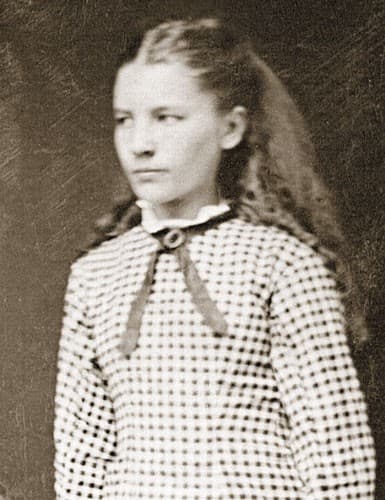
Laura Elizabeth Ingalls Wilder was an American writer. The Little House on the Prairie series of children's books, published between 1932 and 1943, were based on her childhood in a settler and pioneer family.

Dan Gemeinhart
4.5

Kate O'Hearn
4.4

Jeanne Birdsall
4.4

Jen Wang
4.4

Wendelin Van Draanen
4.3

John Marsden
4.3

Chris Van Allsburg
4.3
Jennifer A. Nielsen
4.2