““There is no such thing as a fair fight. All that matters is that you win.””
— Jace Herondale's philosophy on combat.

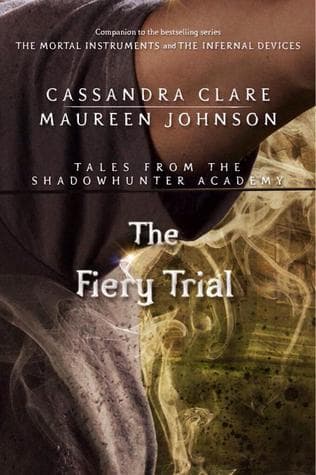
Genre
Fantasy / Young Adult
Reading Time
30 min
Key Themes
See below
Sign in to track this book
Forbidden love becomes a curse when Emma and Julian's parabatai ritual ignites dangerous magic, threatening their bond and the Shadowhunter world.
The novella starts with Emma Carstairs asking Clary Fray to witness her parabatai ceremony with Julian Blackthorn. Clary and Simon Lewis agree, wanting to see the ritual before they become parabatai after Simon graduates. Emma explains how important witnesses are, making the bond more real. They meet at the Los Angeles Institute for the ceremony, which involves serious preparations and the promise of a lifelong magical commitment between two Shadowhunters.
Before the ceremony, Emma and Julian share a quiet moment, thinking about their deep connection and the seriousness of becoming parabatai. Julian feels a bit nervous, not about their bond, but about the formality and permanent nature of the magical commitment. Emma reassures him, reminding him of their past, their loyalty, and the strength they get from each other. Their talk shows the deep love and trust they already have, making their decision to formalize their bond seem natural.
While Emma and Julian get ready, Clary and Simon discuss their own hopes of becoming parabatai. Simon expresses excitement and slight worry about the magical commitment, comparing it to marriage. Clary, having seen Jace and Alec's powerful parabatai bonds, explains the unique and strong nature of the connection. They watch the runes being drawn on Emma and Julian and feel the Institute's serious atmosphere. Their conversation teaches the reader about the parabatai bond and hints at their own future as a bonded pair.
The ceremony begins in the Institute's grand hall. Emma and Julian stand facing each other, looking serious and determined. Brother Zachariah, a Silent Brother, leads the ritual, adding to the ancient and sacred mood. He chants traditional Latin verses, calling on the Nephilim and the Angel Raziel to bind the two Shadowhunters. The air in the room fills with magic, and the witnesses, Clary and Simon, feel a clear shift as the ritual progresses, showing the deep spiritual and magical commitment about to happen.
As Brother Zachariah continues the incantation, Emma and Julian repeat sacred vows, promising to fight by each other's side, to love as siblings, and to die for each other. Their words have deep meaning, reflecting their existing bond. Then, Brother Zachariah draws the parabatai rune on their skin. The rune glows brightly, showing the magical activation of their bond. Clary and Simon watch, amazed by the ritual's power, understanding what they are seeing and the lasting mark it leaves on Emma and Julian's souls.
As the parabatai rune settles on Emma and Julian, raw, untamed magic bursts forth. The bond forms with an intensity beyond typical ceremonies, causing a visible shimmer in the air and a strong tremor throughout the Institute. Clary and Simon, as witnesses, feel the effects of this surge, experiencing a jolt of energy themselves. The unusual strength of the magic suggests something deeper and more profound in Emma and Julian's connection, leaving the witnesses with awe and a bit of unease about the power they just saw.
The ceremony ends, and Emma and Julian are officially parabatai. They share a look of deep understanding and new strength. However, the unusual intensity of the bond's formation leaves a lingering question for the witnesses. Clary and Simon discuss the strange energy they felt, wondering if it was normal or if Emma and Julian's bond was unique. Brother Zachariah, without openly commenting on the unusual event, watches the new pair thoughtfully, suggesting he also sensed the extraordinary nature of their connection.
With the ceremony complete, Emma and Julian fully accept their new status as parabatai. The bond, now magically formalized, feels like a natural extension of their already close connection. They feel a heightened awareness of each other, deeper empathy, and a shared source of strength. Despite the ritual's unexpected intensity, they focus on the future and the challenges they will face together, now bound by an unbreakable magical oath. Their journey as Shadowhunters, already connected, now moves forward with an even greater sense of unity.
Witnessing Emma and Julian's powerful bond strengthens Clary and Simon's own desire to become parabatai. Despite the unexpected magical surge, they are more determined to formalize their deep friendship and loyalty. Clary reflects on the bond's beauty and strength, while Simon looks forward to his graduation and the day they can undergo the ritual. Their experience as witnesses gives them valuable insight into the deep commitment, strengthening their resolve to start this journey together soon.
While the novella focuses on the parabatai ceremony, there are subtle hints about Emma and Julian's deeper, unspoken feelings. The unusual intensity of their bond's formation, their glances, and their deep connection suggest a romantic love beyond what is expected of parabatai. This undertone is implied, not stated, setting the stage for the forbidden romance that will become a main conflict in 'The Dark Artifices' series, adding dramatic irony to their sacred vow.
The Protagonist
In this novella, Emma formalizes her deepest bond, solidifying her path alongside Julian and setting the stage for future emotional complexities.
The Protagonist
Julian formalizes his unbreakable bond with Emma, intertwining their destinies and committing to a shared future that carries both strength and potential heartbreak.
The Supporting
Clary gains crucial insight into the parabatai bond, reinforcing her personal aspirations to share it with Simon.
The Supporting
Simon's understanding of Shadowhunter rituals deepens, solidifying his commitment to his new life and his desire for a parabatai bond with Clary.
The Supporting
Brother Zachariah fulfills his duty by officiating the ceremony, serving as a conduit for ancient magic and a silent observer of its unique manifestation.
The main theme is the strong bonds between people, especially the parabatai bond. Emma and Julian's ceremony shows the highest form of loyalty, trust, and shared future. Their willingness to commit their lives to each other, even before the ritual, highlights their connection's strength. The story shows how these bonds provide strength, support, and belonging, reflected in Clary and Simon's desire to form their own. The unexpected magical surge during the ceremony further emphasizes the power of these connections.
“For where you go, I will go, and where you stay, I will stay. Your people shall be my people, and your God my God. Where you die, I will die, and there I will be buried. The Angel do so to me, and more also, if anything but death parts me from you.”
Underneath the sacred parabatai bond, the novella hints at forbidden love. The strong connection between Emma and Julian, especially the unusual magic surge during the ceremony, suggests a romantic love beyond the platonic expectations for parabatai. While not directly stated, the story plants seeds of this deeper affection, which Shadowhunter law strictly forbids. This tension adds dramatic irony to their vows of eternal closeness, suggesting their powerful bond might also lead to future heartbreak and conflict.
“He knew her better than anyone, knew her heart and her soul, and she knew his. It was the deepest love he had ever known, a love that transcended family and friendship.”
The story explores the importance of old Shadowhunter traditions and destiny. The parabatai ceremony is an ancient ritual, full of history and magic, representing a deep commitment within Nephilim culture. Emma and Julian willingly accept this tradition, understanding the weight of their vows. Their shared past and how they naturally complement each other suggest a destined partnership. Even the witnesses, Clary and Simon, acknowledge the power of this tradition, wanting to participate themselves, showing how these old customs shape Shadowhunters' lives and futures.
“The parabatai bond was ancient, a sacred and unbreakable oath that bound two warriors together for life, in battle and in spirit.”
The novella subtly explores growth and change, especially through Simon Lewis's journey. As a new Shadowhunter, Simon is still adjusting to his new life and the Nephilim world's complexities. Witnessing the parabatai ceremony changes him, deepening his understanding of the strong bonds in this new community. His desire to become parabatai with Clary shows his full acceptance of his Shadowhunter identity and his commitment to a future linked with magic and old traditions, marking a significant personal evolution.
“It was like watching a marriage, only more permanent, more magical. And they wanted that for themselves.”
A sacred magical bond between two Shadowhunters.
The parabatai bond is the central plot device, driving the entire narrative. It is a magical, lifelong commitment between two Shadowhunters, granting them enhanced strength and a deep, empathetic connection. The ceremony itself is the focus of the novella, but the device also serves to establish the unbreakable link between Emma and Julian, which will be crucial for their future story arc. It introduces the concept of a shared destiny and the magical implications of their relationship, setting up both the strength they gain and the potential conflicts arising from the forbidden nature of romantic love between parabatai.
Hints at a romantic love between Emma and Julian.
The novella employs foreshadowing to hint at the deeper, romantic feelings between Emma and Julian, despite the traditional platonic nature of the parabatai bond. The unusual intensity of the magic during their ceremony, the way they look at each other, and the narrator's subtle descriptions of their profound connection all serve to suggest a love that goes beyond friendship. This device is crucial for readers familiar with 'The Dark Artifices' series, as it lays the groundwork for the central forbidden romance that defines their later story, adding layers of dramatic irony to the sacred vows they make.
Clary and Simon's observations provide context and drive their own desires.
The use of Clary and Simon as witnesses is a key plot device. Their perspective allows for exposition about the parabatai bond and its significance, explaining the ritual to both Simon and the reader. Their presence also serves to reflect and reinforce the importance of the bond, as they actively discuss their own aspirations to become parabatai. This device not only provides an external view of Emma and Julian's ceremony but also propels Clary and Simon's character arcs forward, highlighting their commitment to each other and their integration into the Shadowhunter world.
““There is no such thing as a fair fight. All that matters is that you win.””
— Jace Herondale's philosophy on combat.
““Hearts are breakable. And even when you heal, you're never the same.””
— Clary Fray reflecting on the pain of loss and change.
““Love makes you a fool, doesn't it?””
— Simon Lewis's wry observation about the nature of love.
““The world is a dangerous place, not because of those who do evil, but because of those who look on and do nothing.””
— A general theme about responsibility and inaction.
““Sometimes, when you're afraid, you do things you wouldn't normally do.””
— Characters grappling with fear and its influence on their actions.
““Power is a dangerous thing. It can corrupt the best of us.””
— A warning about the corrupting nature of power.
““Family is not just blood. It's the people who choose to stand by you.””
— Emphasizing the chosen nature of family bonds.
““The greatest lies are often told in silence.””
— Exploring the concept of deception through omission.
““Hope is a dangerous thing. It can keep you alive when you should have died.””
— A character reflecting on the double-edged sword of hope.
““To love is to destroy, and to be loved is to be the ruin.””
— A classic Shadowhunter quote, reflecting the intensity and potential pain of love.
““There are worse things than death, and one of them is living without the people you love.””
— A character's deep sentiment about the importance of loved ones.
““Sometimes, the only way to save someone is to let them go.””
— A difficult decision made for the greater good of another character.
““The truth is a weapon, and like any weapon, it can be used for good or ill.””
— Discussing the power and ethical implications of truth.
““We are all broken in our own ways, but that's what makes us beautiful.””
— A message of acceptance and finding beauty in imperfection.
Ready to see how well you understood this book? Take our interactive quiz with 10 questions.
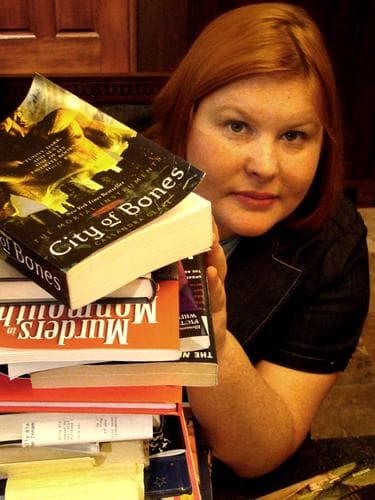
Cassandra Clare is a celebrated author of young adult fantasy, best known for her bestselling Shadowhunters series, which includes "City of Ashes" and "Clockwork Prince." Her intricate world-building and complex characters have captivated millions of readers worldwide. Clare's work often blends magical elements with relatable coming-of-age themes.







