
Biography coming soon.
Archivist's Choice
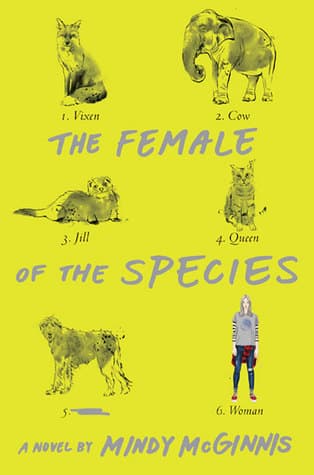
The Female of the Species
Mindy McGinnis (2016)
Genre
Thriller / Mystery / Young Adult / Romance
Reading Time
12 Minutes
Key Themes
See below
Track Your Reading
Sign in to track this book
A young woman's quest for justice after her sister's murder unleashes a darkness that ensnares her and two unlikely allies in a dangerous dance of violence and revenge.
Synopsis
Alex Craft is a high school senior haunted by the unsolved murder of her older sister, Anna, three years prior. Driven by a burning need for justice that the legal system failed to deliver, Alex took matters into her own hands, committing a violent act against Anna's killer, a crime that has gone unpunished. Now, she struggles to navigate her everyday life, believing herself a danger to others and incapable of genuine connection. Her carefully constructed isolation is challenged by two classmates: Jack, a popular athlete grappling with his own guilt over his proximity to the discovery of Anna's body, and Peekay, a rebellious preacher's kid who forms an unlikely friendship with Alex at an animal shelter. As their lives intertwine during their senior year, Alex's suppressed rage and violent tendencies threaten to resurface, setting the three teens on a perilous path where their secrets and choices will inevitably collide with devastating consequences.
Difficulty
Medium
Pacing
Moderate
Mood
Dark, intense, unsettling, vengeful, reflective
Plot Summary
The Silence After
Three years after her older sister, Anna, was brutally murdered and her killer acquitted, Alex Craft lives with a deep sense of injustice. She also holds a dark secret: she killed the man responsible. Now, as she starts her senior year, Alex is an outsider, known for being stoic and intelligent. She works part-time at an animal shelter, finding peace with abused animals. Her thoughts show no regret for her act, seeing it as a necessary fix for a broken system. She struggles to make real connections, believing her true nature makes her dangerous to others, and that her secret must stay hidden.
First Encounters
Alex's careful isolation begins to break down. Jack, a popular athlete and Anna's former friend, approaches Alex, genuinely wanting to know her. He feels guilty for not being there for Anna the night she died. At the same time, Peekay, the rebellious daughter of a local preacher, starts volunteering at the animal shelter. Despite Alex's distance, Peekay actively seeks her friendship. Peekay is drawn to Alex's quiet intensity and unique view. These new relationships, though Alex initially doesn't want them, slowly start to challenge her solitude, opening unexpected ways for connection.
Unveiling Layers
Jack and Peekay keep trying to connect with Alex. Jack is attracted to her intelligence and strength, but also senses a deep pain and mystery. He tries to get closer, often frustrated by her emotional distance. Peekay, on the other hand, finds Alex's direct honesty refreshing and non-judgmental. She pushes Alex to open up, sharing her own struggles with her strict religious upbringing and the hypocrisy she sees in her community. Alex, not used to such genuine attention, finds herself reluctantly drawn to their company, even as she fights to keep her emotional walls up and protect her secret.
Growing Bonds
Despite Alex's first resistance, a complex dynamic forms between the three. Jack and Alex develop a growing romantic tension, with Jack trying to break through her emotional walls. He sees hints of her vulnerability, which makes him more determined. Peekay becomes a close friend to Alex, offering an unusual friendship that challenges Alex's view of the world. Through their interactions, Alex is exposed to different ideas about justice, morality, and human connection, which slowly begin to chip away at her tough exterior. However, her core belief that she is dangerous remains, casting a shadow over these new bonds.
Seeds of Doubt
The peace Alex finds in her new friendships is threatened by past traumas and injustices. She encounters situations that remind her of Anna's murder and the killer's acquittal, stirring her dormant rage. Small acts of sexism and casual cruelty at their school infuriate Alex, reminding her of the systemic problems that allowed Anna's killer to go free. These incidents trigger her darker impulses, making her question if she can truly suppress the violence she knows she is capable of. The delicate balance she has found begins to waver as her need for justice reawakens.
Escalating Tensions
As the story continues, Alex becomes more aware of and enraged by the widespread rape culture in her community. She sees how girls are blamed, dismissed, and subjected to casual misogyny. This growing awareness, combined with her own unresolved trauma, fuels her desire to protect those who cannot protect themselves. When a new sexual assault comes to light, and the system again fails to deliver justice, Alex's internal struggle ends in a decisive act. She takes matters into her own hands, enacting her own form of vigilante justice against another perpetrator, believing it is the only way to truly make things right.
The Aftermath and Suspicions
After her latest act of violence, Alex feels a strange mix of satisfaction and dread. While she feels a sense of completion, the act also isolates her further, reinforcing her belief that she is fundamentally different and dangerous. Meanwhile, Jack and Peekay notice subtle changes in Alex. Her intensity sharpens, and she withdraws more often. They begin to put clues together and sense that Alex is hiding something important and possibly dangerous. Their growing concern for her, along with their own moral compasses, leads them to investigate, slowly getting closer to Alex's dark secret.
Confrontation and Revelation
The truth about Alex's past and present actions comes out. Jack and Peekay, through their own investigations and observations, confront Alex. The revelation of her vigilantism forces Alex to drop her emotional guard, showing the depth of her trauma, her firm belief in her own twisted justice, and the burden she carries. This confrontation is a key moment, forcing all three characters to deal with difficult questions about morality, justice, and the consequences of violence. Their relationships are severely tested as they face the shocking reality of Alex's true nature.
Moral Dilemmas
The exposure of Alex's secret puts Jack and Peekay in a moral dilemma. Jack, who has strong ties to conventional justice and a deep sense of responsibility, struggles to reconcile the Alex he knows with the avenger she truly is. Peekay, while often rebellious, also grapples with the ethics of taking justice into her own hands, especially given her religious background. Both must decide whether to condemn Alex, protect her, or report her. This internal conflict highlights the complex themes of the novel, as they are forced to confront the flaws of the legal system and the human desire for revenge.
The Final Stand
As the story approaches its climax, Alex finds herself in a new dangerous situation, this time involving a vulnerable young woman and a predatory individual. Her protective instincts are fully engaged, and she again faces the choice to intervene. This confrontation is the ultimate test of her character and her relationships. Jack and Peekay, having processed the revelations, must decide where their loyalties lie and how they will act in the face of escalating danger. The scene ends in a violent confrontation that forces Alex to make a definitive choice about her future and the path she will take.
Aftermath and Resolution
After the final confrontation, the lives of Alex, Jack, and Peekay are permanently changed. They must face the immediate consequences of the violence, whether legal or personal. The resolution explores the different paths the characters choose, whether Alex continues her vigilantism, faces legal repercussions, or finds a new way to channel her need for justice. The ending provides a sense of closure while also leaving some questions open, reflecting the complex nature of the themes. It emphasizes the lasting impact of trauma and the difficult choices people make when confronted with injustice.
Principal Figures
Alex Craft
The Protagonist
Alex begins as a solitary avenger, gradually opening up to Jack and Peekay, but ultimately reaffirms her belief in vigilante justice, albeit with a deeper understanding of its consequences.
Jack
The Supporting
Jack moves from initial attraction and curiosity about Alex to a deep moral conflict when he discovers her secrets, forcing him to confront his own understanding of justice and loyalty.
Peekay (Patricia Kaye)
The Supporting
Peekay evolves from a rebellious outsider seeking genuine connection to a loyal friend who is forced to reconcile her personal values with Alex's extreme actions.
Anna Craft
The Supporting
Anna's arc is entirely in the past; her death serves as the catalyst for Alex's transformation and the novel's exploration of justice.
Mr. Craft
The Supporting
Mr. Craft's arc is static; he remains a figure of quiet grief and emotional distance, representing the conventional parental response to tragedy.
Mrs. Craft
The Supporting
Mrs. Craft's arc is also static, representing the lingering pain of loss and the emotional chasm within the family.
Mr. Davies
The Antagonist
Mr. Davies's arc is minimal, serving primarily as the initial victim of Alex's vigilantism and the embodiment of injustice.
Pastor Miller
The Supporting
Pastor Miller remains a static character, representing institutional hypocrisy and a rigid moral framework.
Themes & Insights
Vigilante Justice vs. Systemic Failure
The novel deeply explores the moral and ethical complexities of taking justice into one's own hands when the legal system fails. Alex's actions directly respond to her sister's killer being acquitted, showing how perceived legal inadequacy can drive people to extreme measures. It questions if such violence is ever justified and examines the psychological cost to the person who commits it. The theme also critiques the systemic biases and loopholes that allow perpetrators of sexual violence to avoid accountability, making characters like Alex consider other forms of retribution.
“The language I know best is violence. Not the kind that comes from anger, but the kind that comes from necessity. The kind that comes from knowing. From seeing. From being the female of the species.”
Rape Culture and Misogyny
A central theme of the novel is the widespread nature of rape culture, especially in a high school setting. It shows how casual misogyny, victim-blaming, and the normalization of sexual harassment create an environment where sexual assault is often dismissed or perpetrators are protected. The book illustrates the devastating impact of this culture on young women, showing how it silences victims and continues a cycle of violence. Alex's rage is fueled not just by her sister's murder, but by her sharp awareness of how society often fails to protect women and hold their abusers accountable.
“It’s not enough to say 'no.' You have to scream it. You have to fight for it. And even then, it might not be enough.”
Trauma and Grief
The novel clearly shows the long-lasting psychological effects of trauma and unresolved grief. Alex's inability to process Anna's death and the subsequent injustice leads her to violence and emotional isolation. The story also shows how grief affects her parents differently, causing emotional distance and a fractured family. It explores how deep emotional wounds can warp a person's sense of morality and their ability to connect, emphasizing the need for healing and accountability after tragedy.
“Grief doesn't shrink; it's just that your world grows around it. And sometimes, the world doesn't grow fast enough.”
Identity and Self-Perception
Alex's journey is deeply connected to her struggle to understand her own identity, especially considering her violent actions. She grapples with whether she is inherently a monster or a necessary force for justice. Her relationships with Jack and Peekay challenge her self-perception, forcing her to confront the possibility of connection and vulnerability. The theme explores how external events and internal choices shape who we become, and whether one can truly escape or redefine a past defined by violence.
“I am not good. I am not bad. I am necessary.”
Plot Devices & Literary Techniques
First-Person Perspective (Multiple)
Alternating viewpoints to offer diverse insights.
The novel employs a first-person narrative that alternates between Alex, Jack, and Peekay. This device allows readers direct access to each character's thoughts, motivations, and emotional states. Alex's perspective is particularly crucial for understanding her detached morality and the justification for her violence. Jack's perspective offers a more conventional moral lens, while Peekay's provides an outsider's view that is both rebellious and empathetic. This multi-perspectival approach enriches the themes of justice, morality, and understanding, allowing for a more nuanced exploration of complex issues and building suspense as each character gradually uncovers truths.
Foreshadowing
Subtle hints of Alex's violent capabilities and future actions.
Foreshadowing is used throughout the novel, particularly in Alex's internal monologues, to hint at her past act of violence and her readiness to commit more. Her thoughts about justice, her lack of remorse, and her observations about predatory behavior subtly prepare the reader for her eventual actions. For example, her early statements about knowing 'the language of violence' or her protective instincts towards abused animals serve as early indicators of her true nature. This device builds tension and suspense, making Alex's subsequent acts of vigilantism impactful but not entirely unexpected.
Symbolism (Animals)
Abused animals mirroring human vulnerability and Alex's protective instincts.
The animal shelter where Alex and Peekay volunteer serves as a significant symbolic setting. The abused and neglected animals symbolize the vulnerability of victims, particularly women, in a world that often fails to protect them. Alex's fierce protectiveness towards these animals mirrors her underlying desire to protect human victims of injustice, especially those who cannot defend themselves. The animals also represent a space where Alex can express empathy and care without the complex social dynamics she struggles with in human relationships, highlighting her capacity for compassion alongside her capacity for violence.
Flashbacks/Memory
Recollections of Anna's murder and its aftermath.
The novel uses flashbacks and Alex's recurring memories of Anna's murder and the subsequent trial to establish her core motivation and trauma. These fragmented recollections not only provide crucial plot details about the inciting incident but also delve into Alex's psychological state and the genesis of her vigilantism. The memories serve to reinforce the injustice that Alex felt, explaining her hardened exterior and her belief that the legal system is inadequate. They are often triggered by current events, linking past trauma to present actions and intensifying Alex's internal conflict.
Critical analysis
Notable Quotes
Quiz
Test Your Knowledge
Ready to see how well you understood this book? Take our interactive quiz with 10 questions.
10
Questions
~5
Minutes
?
Best Score
Key Questions (FAQ)
'The Female of the Species' is a contemporary young adult thriller that delves into themes of rape culture and violence. It follows Alex Craft, who seeks justice for her sister's murder, and explores the consequences of her actions through the perspectives of Alex, Jack, and Peekay.







