“Fear is the mind-killer. Fear is the little-death that brings total obliteration.”
— A character reflects on the paralyzing nature of fear in the post-apocalyptic world.

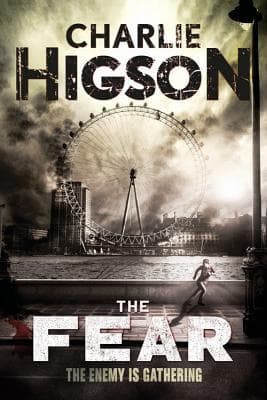
Charlie Higson (2011)
Genre
Thriller / Science Fiction / Young Adult
Reading Time
900 min
Key Themes
See below
Sign in to track this book
In a post-apocalyptic London where a mysterious sickness has transformed all adults into ravenous, bloodthirsty hunters, DogNut and his crew must navigate a dangerous city from the Tower to Buckingham Palace to find their missing friends before they become the next meal.
The story opens with DogNut, Brooke, and the remaining children of the Tower of London under constant attack by the 'grown-ups' – adults infected by a sickness that turns them into feral, cannibalistic creatures. They have a difficult existence within the Tower walls, scavenging for supplies and fending off attacks. DogNut, a pragmatic leader, struggles with the responsibility of keeping his group safe. Their defenses are weak, and resources are low. The grown-ups, driven by hunger, launch an aggressive assault, forcing the children to fight for their lives. This shows the brutal reality of their post-apocalyptic world and the constant threat they face.
During a grown-up attack, a fire breaks out, engulfing parts of the Tower and forcing the children to escape. In the chaos, DogNut, Brooke, and a smaller core group are separated from many of their friends, including the twins, Blue and Feral. Believing some of their lost companions might have gone towards Buckingham Palace, a rumored safe place, DogNut decides to lead his remaining group on a dangerous journey across London. Their immediate goal is survival, but DogNut hopes to reunite with their lost friends, despite the dangers between the Tower and the Palace.
As DogNut's group goes through the desolate streets of London, they encounter various threats beyond the grown-ups. They learn to navigate the city's abandoned infrastructure, using their wits to avoid patrols of the 'sickos'. They find temporary shelter in a run-down department store, where they scavenge for food and supplies. During their journey, they have close calls with the grown-ups, seeing their increasing ferocity and cunning. They also meet other, smaller groups of children, some hostile, some desperate. This shows the fractured and dangerous nature of their world and the constant need for vigilance and quick decisions.
After a difficult journey, DogNut's group reaches Buckingham Palace, hoping to find their lost friends and a secure refuge. However, their hopes are quickly gone. The Palace is not the safe place they imagined; instead, it's a heavily fortified and chaotic battleground. The grown-ups are not only numerous but also seem more organized and aggressive than ever, relentlessly attacking the Palace's defenses. The children inside are struggling to hold their ground, and the scene is one of constant skirmishes and desperation, forcing DogNut to immediately assess the new, dire situation and the potential for a new kind of fight.
Inside Buckingham Palace, DogNut's group finds some of their missing friends, including the twins, Blue and Feral, who had indeed made their way there. They also meet the Palace's current leader, a charismatic but ruthless boy named Maxie. Maxie has established a strict hierarchy and a militaristic defense system within the Palace, using the children's skills to fight off the grown-ups. DogNut and his friends, though wary of Maxie's methods, must join his command structure, participating in the constant battles against the grown-ups and adapting to the Palace's harsh rules and limited resources.
The children inside the Palace begin to notice changes in the grown-ups' behavior. They are not only more numerous but also show coordination and tactical thinking, suggesting a higher intelligence driving their attacks. Maxie, recognizing the escalating threat, reveals his desperate plan: a mass exodus from the Palace, trying to break through the grown-up lines and find a truly safe place, possibly outside London. This plan is met with mixed reactions, fear, and a sense of impending doom, as the children understand the risks involved in such a large-scale movement through enemy territory.
Maxie puts his plan into action, and the children of Buckingham Palace launch their desperate attempt to escape. It is a chaotic and brutal battle as they try to break through the overwhelming numbers of grown-ups surrounding the Palace. Many children are lost, showing the brutality of their world and the cost of survival. DogNut, Brooke, and their friends fight, trying to protect each other amidst the chaos. The escape is a desperate struggle for every inch of ground, a grim reminder of their dwindling numbers.
After the escape, the remaining children are scattered. Maxie, injured, continues to lead a larger group towards an unknown destination. DogNut, disillusioned by the heavy losses and Maxie's erratic leadership, decides to break off with Brooke, Blue, Feral, and a few others. They choose to head in a different direction, seeking a quieter, potentially safer path away from the main group and the relentless pursuit of the grown-ups. This decision marks a turning point, as DogNut embraces his leadership, prioritizing the safety of his immediate friends over a larger, more uncertain collective.
DogNut's smaller group seeks refuge in the abandoned tunnels of the London Underground. They find a temporary sanctuary, relatively safe from the grown-ups roaming the surface. While exploring the dark passages, they make a discovery: evidence of human experimentation and medical facilities, suggesting that the 'sickness' was not natural but possibly man-made. This revelation adds a new layer of horror and mystery to their plight, hinting at a darker origin for the grown-ups and the apocalypse, and raising questions about the true nature of their enemy and the possibility of a cure or a cause.
As DogNut's group continues their journey underground, they observe more evidence of the grown-ups' evolving intelligence. They seem to be communicating, setting traps, and even using tools, making them an even more terrifying foe. However, amidst the despair, they also meet a small group of children who have developed a method of subtly distracting or even temporarily deterring the grown-ups with specific sounds or lights. This offers a glimmer of hope, suggesting that the grown-ups are not entirely invincible and that understanding their weaknesses might be the key to long-term survival, giving DogNut and his friends a renewed sense of purpose.
The Protagonist
DogNut evolves from a hesitant survivor to a determined leader, learning to make difficult choices for the good of his group.
The Supporting
Brooke remains a pillar of strength and loyalty, reinforcing the importance of human connection in a fractured world.
The Supporting
Blue grows in resilience and resourcefulness, becoming an increasingly capable survivor.
The Supporting
Feral learns to temper his impulsiveness with caution, while retaining his courageous spirit.
The Antagonist/Supporting
Maxie's leadership evolves from effective to increasingly desperate and morally compromised, highlighting the corrupting influence of power and fear.
The Antagonist
The grown-ups evolve from chaotic predators to a more organized and intelligent threat, reflecting the escalating danger.
The Supporting
Small Sam remains a symbol of innocence and vulnerability, highlighting the harshness of their world.
The Supporting
Puffer solidifies his role as a dependable and courageous member of the group.
The main theme is the relentless struggle for survival in a world turned upside down. Children are forced to adapt to extreme conditions, scavenge for food, build defenses, and fight for their lives against the grown-ups. DogNut and his group constantly adjust their strategies, from defending the Tower to navigating the city and seeking new refuges. Their ingenuity in repurposing abandoned buildings and their development of fighting skills show this theme. The children's ability to adapt, physically and mentally, is necessary for their continued existence in a world where every day is a fight.
“You survived because you were quick, because you were strong, because you were clever. And because you were lucky. And because you were a kid.”
The book shows the end of childhood. Children like DogNut, Brooke, Blue, and Feral confront violence, death, and moral compromises daily. They lose their families, homes, and the safety net of adulthood, becoming warriors and scavengers. There are moments where the children briefly try to reclaim aspects of their lost youth, but these are fleeting, overshadowed by the constant threat. The burden of leadership and the need to protect younger children, like Small Sam, further highlight the weight of responsibility placed upon them, effectively robbing them of their childhood.
“There was no more childhood. Not for any of them. There was only living, and dying.”
The story explores different styles of leadership and the moral dilemmas in making life-or-death decisions. DogNut, a reluctant but compassionate leader, constantly grapples with his choices, prioritizing the safety of his immediate group. In contrast, Maxie's leadership at Buckingham Palace is more authoritarian and ruthless, valuing efficiency and survival above individual well-being. The conflict between these two approaches shows the ethical complexities of power in a post-apocalyptic world, making readers consider what kind of leadership is truly sustainable and humane when humanity itself is on the brink.
“He knew what he had to do. He just didn't like it. But then, no one ever liked what they had to do anymore.”
The book explores what it means to be human when society has collapsed. The grown-ups represent the loss of humanity, reduced to primal instincts. However, the children also face moments where their own humanity is tested, forcing them to commit acts of violence or make difficult sacrifices. The theme explores the resilience of the human spirit, the bonds of friendship, and the capacity for both cruelty and compassion in extreme circumstances. It questions whether humanity can endure when the structures that define it have crumbled.
“The grown-ups were the monsters, but sometimes the kids could be just as bad. Or worse.”
Throughout the narrative, the children swing between despair and hope. The overwhelming odds, constant loss, and reality of their world often lead to feelings of hopelessness. Yet, the discovery of new strategies, the reunion with lost friends, or the prospect of a new, safer haven reignites their will to fight. This theme shows the human capacity to find light in the darkest of circumstances, even if it's just a faint flicker, and the importance of having something to believe in to continue the struggle for survival.
“Hope was a dangerous thing in this world. But it was also the only thing that kept them going.”
The familiar city of London transformed into a dangerous, overgrown wasteland
The ruined cityscape of London serves as a powerful backdrop, emphasizing the scale of the catastrophe. Iconic landmarks like the Tower of London and Buckingham Palace are repurposed as fortresses or battlegrounds, highlighting the complete breakdown of civilization. The overgrown streets, abandoned vehicles, and desolate buildings create a pervasive atmosphere of decay and danger, constantly reminding the characters and the reader of the world they have lost and the harsh reality they now inhabit. The familiarity of the setting makes its destruction all the more impactful.
The central threat: a mysterious illness turning adults into feral, cannibalistic creatures
The 'sickness' is the catalyst for the entire plot, transforming adults into the primary antagonists, the 'grown-ups'. This device creates an inversion of the natural order, where children are no longer protected but hunted by their former caregivers. The evolving nature of the grown-ups, from mindless to increasingly cunning, builds suspense and escalates the threat, forcing the protagonists to constantly adapt. Their horrifying behavior not only provides external conflict but also raises questions about humanity, fear, and the line between predator and prey.
Children forced to mature rapidly and take on adult responsibilities
This device focuses on the accelerated development of the young protagonists. DogNut, Brooke, and their friends are stripped of their childhoods and thrust into roles of leadership, survival, and combat. They learn to make difficult decisions, endure immense hardship, and confront moral ambiguities far beyond their years. This theme highlights their resilience and adaptability but also the tragic loss of innocence, demonstrating how extreme circumstances forge character and redefine the very meaning of growing up.
The constant search for food, water, and supplies in a ruined world
Scavenging is a recurring plot device that drives much of the immediate action and creates constant tension. The children's survival hinges on their ability to find and secure essential resources like food, water, and medical supplies from abandoned stores and homes. This often leads to dangerous expeditions into grown-up infested areas, highlighting their vulnerability and ingenuity. The scarcity of resources also fuels internal conflicts and moral dilemmas, emphasizing the desperate nature of their existence and the constant struggle to sustain themselves.
“Fear is the mind-killer. Fear is the little-death that brings total obliteration.”
— A character reflects on the paralyzing nature of fear in the post-apocalyptic world.
“In the end, it's not the monsters you see that get you; it's the ones you don't.”
— A warning about unseen dangers in the ravaged landscape.
“We're not just fighting for our lives; we're fighting for our humanity.”
— A leader motivates a group to uphold morals amidst chaos.
“The world didn't end with a bang, but with a whimper of fear.”
— Describing the collapse of society due to widespread terror.
“Trust is a luxury we can't afford anymore.”
— A character argues for caution in forming alliances.
“Every shadow hides a story, and most of them are nightmares.”
— Observations on the haunting memories of the past.
“Strength isn't about being unafraid; it's about moving forward despite the fear.”
— A lesson on courage from an experienced survivor.
“The infected aren't the real enemy; it's what they make us become.”
— A philosophical take on the loss of self in survival situations.
“Hope is a dangerous thing, but it's all we have left.”
— A moment of vulnerability in a desperate situation.
“In this new world, the rules are written in blood.”
— Commenting on the brutal realities of post-apocalyptic life.
“Sometimes, the quiet is louder than the screams.”
— Describing the eerie silence that precedes danger.
“We're all just ghosts haunting the ruins of our own lives.”
— A melancholic reflection on loss and survival.
“Fear doesn't just live in the dark; it lives in the spaces between us.”
— Analyzing how fear affects relationships and trust.
“The only way out is through, no matter how terrifying the path.”
— Encouragement to face challenges head-on.
Ready to see how well you understood this book? Take our interactive quiz with 10 questions.

Charlie Higson is a British author, best known for his thrilling Young Adult horror series, 'The Enemy'. He also penned the popular 'Young Bond' series, including titles like 'SilverFin' and 'Hurricane Gold'. Higson's work often features suspenseful plots and relatable teenage protagonists facing extreme situations.







