“The world is not a courtroom where a man can be judged by his deeds alone. It is a crazyhouse where everyone is both sane and mad, guilty and innocent.”
— A reflection on the complexities of human nature and morality.

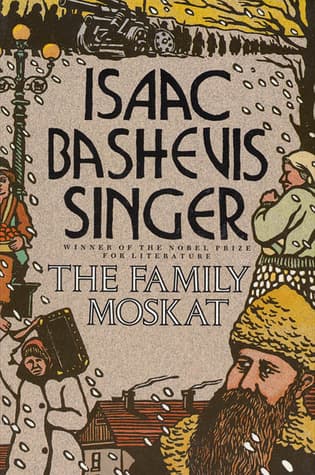
Isaac Bashevis Singer (1950)
Genre
Historical Fiction
Reading Time
1500 min
Key Themes
See below
Sign in to track this book
In early 20th-century Warsaw, the lives of patriarch Meshulam Moskat and scholar Asa Heshel Bannet show a thriving Jewish community, unaware of its coming destruction.
Asa Heshel Bannet, a bright but naive yeshiva student from Tereshpol Minor, arrives in busy Warsaw in 1911, looking for spiritual insight and a better life. He meets Reb Meshulam Moskat, a wealthy patriarch who made his money in lumber and property. Reb Meshulam, impressed by Asa Heshel's knowledge, offers him a job tutoring his youngest granddaughter, Adele, and invites him to live in his grand home. Asa Heshel, overwhelmed by the splendor and the secular ways of the Moskat family, tries to keep up his studies amidst constant family dramas and city distractions. His first encounters with the Moskat children and grandchildren show a family divided by tradition, ambition, and modern desires, a sharp contrast to his sheltered upbringing.
Reb Meshulam Moskat, despite his age and failing health, remains a powerful figure. He has outlived several wives and, to his family's shock, decides to marry a fourth time. His chosen bride is Hadassah, a much younger, worldly, and beautiful distant relative. The marriage causes controversy, with many of his children and grandchildren suspecting Hadassah of being a fortune-seeker. Soon after the wedding, Reb Meshulam's health quickly worsens, and he dies. His death starts a fierce fight over his large estate, revealing deep-seated resentments and greed among his many heirs. Asa Heshel, a confused observer, finds himself pulled deeper into the family's complex relationships and financial schemes.
After Reb Meshulam's death, Hadassah, now a rich widow, becomes central to the Moskat family's ongoing stories. Asa Heshel, at first intimidated by her sophistication and beauty, finds himself increasingly drawn to her. Hadassah, in turn, is interested in Asa Heshel's intellectual depth and his unique mix of piety and naiveté. Their relationship develops subtly, marked by shared intellectual talks and growing emotional closeness, much to the disapproval and gossip of the extended Moskat family. This unexpected connection challenges Asa Heshel's strict ideals and pulls him further from his traditional scholarly path, exposing him to a world of passion and modern complexities he had only read about before.
World War I begins in 1914 and throws Warsaw into chaos. German forces occupy the city, and the Jewish community faces severe hardship, including food shortages, economic disruption, and the constant threat of conscription and violence. The war greatly affects the Moskat family's finances and lives. Many of the younger generation must flee or hide, while others struggle to adapt to the new reality. Asa Heshel and Hadassah, now living together, experience the war's difficulties firsthand, their relationship tested by constant uncertainty and danger. The war is a major turning point, breaking down the established order and forcing characters to face questions about their faith, identity, and survival in a quickly changing world.
Asa Heshel's life becomes a series of marriages and spiritual crises. Despite his strong bond with Hadassah, social pressures and his own inner conflicts lead him to marry other women. He first marries Leah, a religious but simple woman from a traditional family; this union is unfulfilling and short-lived. Later, he marries Adele, Reb Meshulam's granddaughter whom he once tutored. This marriage, too, has difficulties, as Adele is a modern woman with her own ambitions, often clashing with Asa Heshel's scholarly nature. Each marriage takes him further from his initial spiritual goals, leaving him more and more disappointed with both worldly life and his ability to find true meaning or contentment.
After World War I, Poland regains its independence, but this new era brings new challenges for the Jewish population. Antisemitism becomes more open and official, making life harder for the Moskat family and the wider Jewish community. Economic conditions remain unstable, and political instability is common. The younger generations of the Moskat family deal with assimilation, Zionism, communism, and other modern ideas, often clashing with more traditional members. Asa Heshel, now more cynical and weary, observes these societal changes, thinking about his people's fate and the decline of traditional values in a hostile environment. Warsaw's vibrant Jewish culture, though still alive, feels increasingly at risk.
Hadassah, a strong and independent woman, continues to make her own way. She manages her inheritance, starts various businesses, and maintains a complex relationship with Asa Heshel, often being his emotional support and intellectual partner. Despite her initial worldliness, she experiences her own suffering and loneliness, including the loss of her child. As years pass, her beauty fades, and her spirit is increasingly weighed down by life's difficulties and the growing threats to her community. Her journey shows the changing role of women in Jewish society and the strength needed to navigate a world that is both appealing and dangerous.
Reb Meshulam Moskat's many descendants show the fragmentation of Jewish society in the early 20th century. Pinchas, a son, remains traditional, trying to keep his religious observance in changing times. Koppel, another son, is a clever businessman, representing the family's material goals. The grandchildren, like Adele, want modern education and secular lives, often embracing socialist or Zionist ideas. Fishel, a grandson, becomes a communist, while others pursue artistic or professional careers. These varied paths highlight the internal conflicts within the Jewish community between tradition and modernity, religion and secularism, and the struggle to define identity in a rapidly changing world, hinting at the coming destruction of their way of life.
Throughout his life, Asa Heshel Bannet remains a constant seeker. Despite his worldly involvements and personal disappointments, he continues to grapple with deep philosophical and religious questions. He reads widely, writes his own commentaries, and engages in deep self-reflection, often feeling separate from both the strictly religious world of his youth and the secular world he lives in. His spiritual journey is marked by doubt, a feeling of unfulfilled potential, and a constant longing for truth and connection. He is a man caught between worlds, unable to fully commit to any single path, always searching for a combination that remains out of reach, making him a poignant symbol of his generation's intellectual and spiritual struggles.
As the 1930s progress, the political situation in Europe grows darker. News of Hitler's rise to power and the persecution of Jews in Germany reaches Warsaw, causing fear and despair in the community. The Moskat family, like all Polish Jews, senses the coming disaster. Discussions turn to emigration, but many are unable or unwilling to leave their homes and heritage. Warsaw's once active Jewish life begins to feel increasingly vulnerable, its future uncertain. The story slowly builds a sense of dread, hinting at the unimaginable horrors about to engulf them, as the characters struggle to understand the size of the threat and make difficult choices.
In September 1939, German forces invade Poland, and the bombing of Warsaw begins. The city falls into chaos, and the Jewish quarter becomes a main target. The Moskat family, along with millions of others, faces immediate danger, displacement, and the brutal reality of war. Asa Heshel and Hadassah, now older and more resigned, witness their world's destruction. The vibrant life shown throughout the novel is shattered, replaced by terror and uncertainty. The invasion marks the irreversible end of the Eastern European Jewish community the book so carefully described, beginning an era of immense suffering and loss.
The novel's final parts show the increasing horrors of the German occupation, though the full extent of the Holocaust is only hinted at, as the book was published soon after the war. Characters face roundups, starvation, and constant threats of violence. The once-grand Moskat family is scattered, their wealth and status made meaningless. Asa Heshel, seeing his community destroyed, reflects on life's fragility and the ultimate pointlessness of worldly pursuits when faced with such overwhelming evil. The novel ends on a sad note, leaving the reader with a deep sense of the irreplaceable loss of an entire community, its traditions, and its people, a world gone forever into history's ashes.
The Protagonist
Asa Heshel evolves from an innocent scholar to a disillusioned intellectual, losing his initial spiritual fervor but gaining a deeper, if more cynical, understanding of humanity and suffering.
The Patriarch
His arc is primarily established at the beginning, defining the family's world before his death, which then sets the central conflicts in motion.
The Supporting
Hadassah transforms from a somewhat opportunistic young woman to a more mature, independent, and ultimately tragic figure, experiencing love, loss, and the decline of her world.
The Supporting
Adele matures from a curious student into an independent woman, navigating the complexities of marriage, modernity, and the societal shifts impacting Jewish women.
The Supporting
Leah remains relatively static, representing the traditional life Asa Heshel attempts to embrace but ultimately cannot fully commit to.
The Supporting
Pinchas's arc is one of quiet struggle, trying to preserve tradition in a world that is rapidly abandoning it, leading to a sense of increasing isolation.
The Supporting
Fishel moves from youthful idealism to a more hardened political commitment, reflecting the tumultuous political landscape of the interwar period.
The Supporting
Koppel's arc is one of continuous pursuit of wealth and status, often at the expense of familial harmony or traditional values, until the war makes such pursuits meaningless.
The novel carefully shows the decline of traditional Eastern European Jewish life, seen in the Moskat family's story. From the religious Reb Meshulam to his increasingly secular grandchildren, the story shows the weakening hold of religious practice, the shift from Yiddish culture to Polish assimilation, and the appeal of modern ideas like Zionism and communism. Asa Heshel's arrival, a symbol of the old world, into the busy, modernizing Warsaw, immediately starts this theme, as he struggles to continue his studies amidst family dramas and worldly interests. The period between the wars further speeds up this decline, with rising antisemitism forcing Jews to question their identity and place, ending in ultimate destruction during World War II.
“For generations, the Moskat family had lived according to the Law of Moses and the Talmud. Now, they lived according to the Law of Moses and the Talmud and the Polish constitution, and a dozen other laws.”
This main theme appears as an ongoing conflict within characters and the Moskat family itself. Asa Heshel shows this struggle, torn between his deep roots in yeshiva scholarship and his interest in Hadassah and the secular world. The different generations of the Moskat family represent various stages of this change: Reb Meshulam, a traditionalist with modern business sense; his children, who keep some tradition while embracing worldly comforts; and his grandchildren, who often reject tradition entirely for education, politics, or assimilation. This tension is clear in marriage choices, career paths, and philosophical debates, showing the deep societal changes in early 20th-century Jewish life and the challenges of combining old and new ways.
“He was a man of the old world, but his fortune was built on the new. A foot in the synagogue, a foot in the stock market.”
Many characters, especially Asa Heshel, deal with big questions about life's purpose, God's nature, and the meaning of suffering. Asa Heshel's intellectual journey is a constant search for spiritual truth, often leading to disappointment as he finds neither traditional religion nor secular life fully satisfying. His many marriages and career changes show this restlessness. The characters' struggles are made worse by the historical context of rising antisemitism and the coming threat of war, which challenge their faith and understanding of fairness. The search for meaning becomes more urgent as their world falls apart, leaving many with a deep sense of loss and unanswered questions.
“What was the purpose of it all? To study, to marry, to beget children, to die? And what if the study led to doubt, and the marriage to sorrow, and the children to indifference?”
The novel explores the complexities of love and marriage within traditional limits and the pull of modern desires. Reb Meshulam's controversial fourth marriage, Asa Heshel's multiple, often unfulfilling, unions, and Hadassah's independent spirit all show the changing nature of relationships. The Moskat family itself is a small example of complex dynamics: power struggles, inheritance fights, generational clashes, and the lasting bonds (and resentments) of family. These relationships are shaped by social expectations, money matters, and personal passions, often leading to sadness and conflict. The family's large size allows Singer to explore a wide range of human connection and its fragility.
“Love was a riddle, a blessing, and a curse. It bound people together, and it tore them apart. And in Warsaw, it was rarely simple.”
Beneath daily life in Warsaw, the novel consistently builds a sense of coming disaster, reflecting the historical reality of the Holocaust. The characters' struggles with modernity, antisemitism, and political instability are all set against a world on the edge of destruction. The active Jewish community, with its intellectual discussions, family dramas, and spiritual quests, is ultimately shown to be very fragile. World War I and the rise of Nazism are chilling signs of what's to come. The novel's final chapters, showing the German invasion, highlight the idea that even the most established communities can be completely destroyed, leaving a lasting mark of loss and the deep tragedy of a vanished world.
“They built their houses, they married, they begot children, they made their fortunes, as if the ground beneath them were not already trembling.”
A detached, all-knowing narrator provides broad historical context and deep character insight.
Singer employs an omniscient narrator who moves freely between characters' thoughts and provides expansive historical and cultural context. This allows for a panoramic view of the Moskat family and the broader Jewish community of Warsaw. The narrator often interjects with philosophical reflections or historical observations, giving the story a sense of both intimacy and epic scope. This device helps to establish the novel as a comprehensive historical record, not just a personal story, and underscores the author's intent to document a vanished world, often foreshadowing the coming catastrophe with a knowing melancholy.
The novel traces the development and eventual destruction of an entire community, rather than a single individual.
While Asa Heshel's personal journey is central, the novel functions as a 'bildungsroman' for the entire Eastern European Jewish community. It chronicles its evolution from traditional piety through the challenges of modernity, secularism, political movements, and antisemitism, culminating in its tragic demise. The Moskat family, with its many branches and diverse members, serves as a microcosm for this larger community, allowing Singer to explore the societal, cultural, and spiritual development and eventual destruction of a civilization, rather than just an individual's coming-of-age.
Subtle and overt hints throughout the narrative allude to the impending destruction of the Jewish community.
From the early chapters, there are subtle hints and growing anxieties that foreshadow the ultimate destruction of Polish Jewry. The rise of antisemitism, the discussions of emigration, the political instability, and the impact of World War I all build a sense of impending doom. The narrator occasionally interjects with a knowing tone, reflecting on the fate that awaits these characters, even as they go about their daily lives. This device imbues the narrative with a profound sense of tragedy and poignancy, as the reader knows the historical outcome that the characters themselves are only dimly perceiving.
Clashes between older and younger generations highlight the rapid societal changes and loss of tradition.
The novel is rich with instances of intergenerational conflict, particularly between Reb Meshulam and his more traditional children, and then between those children and their increasingly secular or politically radical offspring. These conflicts manifest in disagreements over religious observance, marriage choices, education, and political allegiances. This device effectively illustrates the rapid pace of change within the Jewish community, the erosion of traditional values, and the struggle of individuals to find their place in a world that is constantly shifting away from the past, showcasing the fragmentation of the family unit as a reflection of larger societal divides.
“The world is not a courtroom where a man can be judged by his deeds alone. It is a crazyhouse where everyone is both sane and mad, guilty and innocent.”
— A reflection on the complexities of human nature and morality.
“God is not mocked. What a man sows, that shall he also reap. But sometimes the harvest is delayed, and sometimes it ripens in unexpected ways.”
— A commentary on divine justice and the unpredictable nature of consequences.
“Warsaw was a city of perpetual motion, a beehive of anxieties and aspirations, where the past clung to the present like a stubborn shadow.”
— Describing the vibrant yet troubled atmosphere of pre-war Warsaw.
“Love is a fire that consumes everything in its path, even itself. But from its ashes, sometimes, a new and stranger fire is born.”
— A poetic observation on the transformative and destructive power of love.
“Man is a creature of habit, and his habits are often stronger than his will. He builds his own prison and then complains about the bars.”
— A cynical view on human behavior and self-imposed limitations.
“The truth is a bitter herb, but it is the only medicine that can truly heal. Lies are like sweet poisons, delightful to the taste but deadly in the end.”
— A proverb-like statement on the importance of truth and the danger of deception.
“Every generation thinks it is wiser than the last, and every generation makes the same mistakes, only with new excuses.”
— A recurring theme of generational conflict and the cyclical nature of human error.
“To be a Jew in Poland was to live on the edge of a precipice, with one foot in the present and the other in an uncertain future.”
— Reflecting on the precarious existence of Jews in pre-Holocaust Poland.
“Money is a master that demands constant service, and it cares nothing for the soul of its slave.”
— A critical perspective on the corrupting influence of wealth.
“The past is a foreign country; they do things differently there. But sometimes the past refuses to stay buried and demands its due.”
— Highlighting the lingering impact of historical events and personal histories.
“A man’s character is like a house built brick by brick; one faulty brick can undermine the entire structure.”
— An analogy emphasizing the cumulative nature of character development and its vulnerabilities.
“Hope is a fragile thing, easily crushed, but it is also the only thing that keeps us from despair.”
— A poignant observation on the enduring power and vulnerability of hope.
“The older one gets, the more one realizes how little one knows. Life is a school where the lessons never end.”
— A reflection on lifelong learning and the humility that comes with age.
“Every family is a world unto itself, with its own suns and moons, its own storms and calms, its own secrets and revelations.”
— A universal truth about the intricate dynamics within family units.
“To be truly free, one must first be free of oneself, of one's own desires and fears.”
— A philosophical insight into the nature of true freedom.
Ready to see how well you understood this book? Take our interactive quiz with 10 questions.
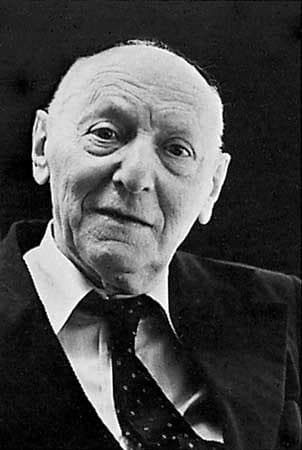
Isaac Bashevis Singer was a Polish-born Jewish-American novelist, short-story writer, memoirist, essayist, and translator. Some of his works were adapted for the theater. He wrote and published first in Yiddish and later translated his own works into English with the help of editors and collaborators. He was awarded the Nobel Prize for Literature in 1978. A leading figure in the Yiddish literary movement, he was awarded two U.S. National Book Awards, one in Children's Literature for his memoir A Day of Pleasure: Stories of a Boy Growing Up in Warsaw (1970) and one in Fiction for his collection A Crown of Feathers and Other Stories (1974).







