“The past is a stubborn thing, and it often refuses to stay buried.”
— A general observation on the nature of history and its impact.

Genre
Fantasy / Historical Fiction / Young Adult / Romance
Reading Time
600 min
Key Themes
See below
Sign in to track this book
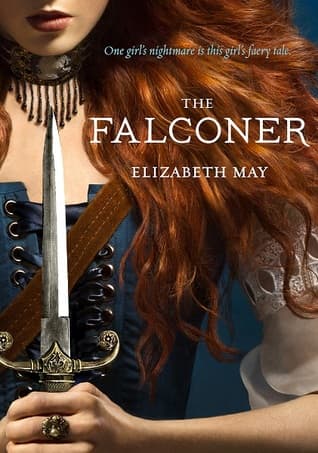
In 1840s Edinburgh, a high-society lady secretly uses steampunk inventions and ancient fae-hunting gifts to avenge her mother's murder and stop a faery genocide.
Eighteen-year-old Lady Aileana Kameron lives a double life in 1844 Edinburgh. By day, she is a proper noblewoman, attending balls and social functions with her father, the Marquess of Douglas, and her best friend, Catherine. By night, Aileana is a skilled fae hunter, using her ability to sense the sìthíchean and her advanced weapons to track and kill the creatures responsible for her mother's death a year prior. Her mentor, the mysterious Kiaran, a fae himself, guides her training and provides information about the fae world. He remains distant and often cryptic. Aileana's goal is to find the specific fae who murdered her mother.
Aileana investigates a series of gruesome murders, recognizing them as the work of the fae. She uses her observational skills and inventions, such as a lightning pistol, to pursue the creatures. During one hunt, she encounters a powerful and brutal fae, whom she suspects killed her mother. The confrontation is fierce, pushing Aileana to her limits. She wounds the fae, but it escapes, leaving her frustrated yet more determined. This encounter solidifies her resolve to avenge her mother and protect innocent humans, even as she grapples with the dangers of her secret life.
Kiaran delivers urgent warnings to Aileana about a surge in fae activity and a looming threat to humanity. He says her personal quest for revenge must broaden to encompass the greater war. Meanwhile, Aileana attends a royal ball, where she meets Gavin, a charming suitor, and finds herself under society's scrutiny. She struggles to maintain her facade of a carefree noblewoman while constantly aware of the hidden dangers around her and her true purpose. The contrast between her two lives becomes increasingly stark and stressful, highlighting her sacrifices.
Kiaran reveals more about the fae world, specifically the two warring courts: the Seelie and Unseelie. He explains that the Unseelie are growing in power and are responsible for the escalating attacks. To combat this, Kiaran forces Aileana into an alliance with members of the Seelie Court, including the enigmatic Derrick. Aileana, initially distrustful of all fae, reluctantly agrees, understanding the need to unite against a common, more dangerous enemy. This alliance is tense, as Aileana grapples with her ingrained hatred for the fae and the need to cooperate with them.
Aileana learns a shocking truth about her lineage: she is the last of the Falconers, a line of human women gifted with the ability to hunt and kill fae, destined to protect humanity. Kiaran reveals an ancient prophecy foretelling a devastating war between fae and humans, in which the Falconer plays a role. This revelation shifts Aileana's understanding of her powers and her purpose, transforming her personal vendetta into a much larger, world-saving mission. She begins to understand the weight of her abilities and the responsibility placed upon her shoulders.
Under Kiaran's rigorous guidance, Aileana intensifies her training, honing her combat skills and mastering her unique weapons. Their relationship deepens, marked by a mix of animosity, reliance, and a romantic tension. Kiaran pushes her to her limits, often frustrating her, but always preparing her for the impending war. Aileana, despite her initial distrust, begins to rely on Kiaran, seeing glimpses of his true nature and the burden he carries as a fae who aids humans. This period is important for her development as a Falconer.
The fae threat infiltrates Aileana's personal life when Catherine, her best friend, is attacked. This event shatters Aileana's illusion of safety and highlights the immediate danger to those she loves. The attack also raises questions about the fae's ability to move within human society undetected and suggests a deeper conspiracy. The incident fuels Aileana's rage and determination, but also forces her to confront the painful reality that her secret life endangers those closest to her, making her mission even more personal and urgent.
Through Kiaran's information and Aileana's investigations, the full extent of the Unseelie Court's plan is revealed. They aim to open a permanent portal between their realm and the human world, allowing for a full-scale invasion and the slaughter of humanity. The fae who killed Aileana's mother is a key player in this scheme. This discovery gives Aileana a clear objective: she must prevent the portal from opening, not just for revenge, but for the survival of her entire species.
Aileana, armed with her inventions and knowledge, confronts the Unseelie fae responsible for her mother's death and the impending invasion. The climax takes place at a location where the Unseelie are attempting to open the permanent portal. Aileana faces overwhelming odds, battling powerful fae and using all her skills as a Falconer. The fight is intense and desperate, with humanity's fate hanging in the balance. She must make difficult choices, relying on her instincts and her bond with Kiaran.
Aileana, with help from Kiaran and some Seelie fae, disrupts the Unseelie's plans and prevents the full opening of the portal, saving Edinburgh and humanity from immediate destruction. However, the victory is hard-won and costly. The fae who killed her mother is defeated, but not without personal sacrifice. The war against the fae is far from over, and the Unseelie threat still looms. Aileana emerges from the battle changed, having fully embraced her role as the Falconer, ready for the continuing fight.
The Protagonist
Aileana transforms from a lone avenger consumed by personal revenge to a courageous leader embracing her destiny as the last Falconer, willing to sacrifice for the greater good.
The Supporting
Kiaran's initial role as a detached mentor evolves as he becomes increasingly invested in Aileana's safety and the fate of humanity, revealing his hidden compassion and loyalty.
The Supporting
The Marquess remains largely unchanged in his perception, serving as a contrast to Aileana's hidden life and the escalating supernatural conflict.
The Supporting
Catherine's character primarily serves as a catalyst for Aileana's emotional and plot development, her innocence shattered by the fae attack.
The Supporting
Gavin's role remains largely as a symbol of Aileana's 'normal' life, though his interest in her adds a layer of romantic complication.
The Supporting
Derrick acts as a morally grey ally, his motivations remaining somewhat self-serving despite his aid to Aileana.
The Antagonist
This antagonist is a static force of evil, representing the overarching threat and the personal catalyst for Aileana's journey.
Aileana's main conflict is balancing her personal quest for revenge against the fae who murdered her mother with her duty as the last Falconer to protect all of humanity. Initially, vengeance drives her actions as she hunts fae. However, as the scope of the fae threat becomes clear and the prophecy is revealed, Aileana must realize that her individual pain must yield to the greater good. This theme is clear when she works with Kiaran and Seelie fae, despite her hatred, to prevent a global catastrophe rather than just pursuing her mother's killer.
““Revenge is a poor master, Aileana. The world is at stake.””
The novel explores the idea of a hidden supernatural world existing beneath 19th-century Edinburgh society. Aileana herself embodies this theme, living a dual identity: the proper Lady Aileana by day and the ruthless fae hunter by night. The contrast between her elegant gowns and her custom-made battle gear, or her polite conversations and her brutal fae hunts, emphasizes this duality. The fae often appear in disguises or operate in the shadows, highlighting humanity's precarious ignorance and the constant threat. This theme creates suspense and underscores Aileana's isolation.
““No one in this city, not even my father, knew the truth of what lurked beneath the gaslit streets, or the truth of what I was.””
Aileana's ability to see the fae, while a source of power, also comes at a cost. Her knowledge of the hidden world isolates her from her peers and family, forcing her to lead a lonely, dangerous existence. The power she holds as a Falconer, combined with her inventive genius, makes her a formidable warrior, but also places a burden on her shoulders – the fate of humanity. This theme is evident in her strained relationship with her father, her inability to confide in Catherine, and the constant threat to her own life. The more she learns and the stronger she becomes, the heavier her responsibilities grow, leading to personal sacrifices.
““Ignorance is bliss, they say. But I had no such luxury.””
Aileana harbors a deep prejudice against all fae due to her mother's murder, viewing them as evil. However, the escalating war against the Unseelie forces her to confront this bias and form an alliance with Kiaran and other Seelie fae. This theme explores the need to overcome ingrained hatred for a greater cause. Aileana's initial reluctance and distrust towards Kiaran, despite his aid, gradually gives way to a complex reliance and even affection. The narrative suggests that even in ancient conflicts, common enemies can forge unexpected bonds, challenging long-held beliefs about 'good' and 'evil' within the fae world itself.
““I hated him. I hated all of them. But I needed him.””
Aileana's inherited destiny as a fae hunter.
The Falconer's Legacy is a pivotal plot device that reveals Aileana's true heritage and destiny. It transforms her personal vendetta into a world-saving mission. This ancient line of female warriors, born with the gift to perceive and kill fae, positions Aileana as the last hope for humanity. The prophecy surrounding the Falconer provides a clear framework for the overarching conflict and gives Aileana's actions greater significance. It also explains her innate abilities and her mother's mysterious death, retroactively adding depth to her backstory and motivating her forward.
Aileana's unique, advanced weaponry and gadgets.
Aileana's steampunk inventions are a distinctive plot device that sets her apart from traditional fantasy heroes. Her lightning pistols, detonators, and even early flying machines are not just cool gadgets; they are crucial to her ability to fight the fae, who possess supernatural powers. These inventions showcase her intellect and resourcefulness, providing practical solutions to magical problems. They also ground the fantasy elements within a specific historical/technological context (19th-century Scotland), adding a unique flavor to the world-building and demonstrating how ingenuity can level the playing field against superior foes.
The warring factions of the fae world.
The division of the fae into the Seelie and Unseelie Courts is a crucial plot device that complicates the fae threat. It introduces moral ambiguity and the possibility of alliances, rather than a monolithic evil. The Unseelie represent the destructive, malevolent force aiming to conquer humanity, while the Seelie, though often self-serving and manipulative, offer a potential, albeit uneasy, path to cooperation. This device allows for internal conflict within the fae world, provides Kiaran with a context for his actions, and forces Aileana to reconsider her blanket hatred of all fae, adding layers of political intrigue and strategic complexity to the narrative.
The magical barrier obscuring the fae from human perception.
The Veil, or glamour, is a magical plot device that explains why humans are largely unaware of the fae's existence and activities. It creates the 'hidden world' aspect of the story, allowing the fae to operate in secret and making Aileana's ability to see through it extraordinarily rare and powerful. This device generates tension and urgency, as the impending breach of the Veil by the Unseelie threatens to expose humanity to a brutal reality they are unprepared for. It also highlights Aileana's isolation, as she alone perceives the true dangers lurking in plain sight.
“The past is a stubborn thing, and it often refuses to stay buried.”
— A general observation on the nature of history and its impact.
“Sometimes, the greatest battles are fought not with swords, but within the confines of one's own heart.”
— A reflection on internal struggles and emotional conflicts.
“Fear is a powerful master, but it is not unconquerable.”
— A statement about overcoming fear and finding courage.
“Magic is not a tool to be wielded lightly, for it has a will of its own.”
— A warning about the unpredictable and potent nature of magic.
“Love, like a falcon, cannot be caged without losing its spirit.”
— A metaphor comparing love to a wild bird that needs freedom.
“The world is not always as it seems; sometimes, the most dangerous things wear the prettiest masks.”
— A cautionary thought about deception and hidden dangers.
“Even in the darkest of times, hope can be a stubborn, flickering flame.”
— A statement about the resilience of hope amidst despair.
“A true queen does not simply rule; she protects her people, even at the cost of her own heart.”
— A definition of true leadership and sacrifice.
“There are some wounds that time alone cannot heal; they require a different kind of magic.”
— A reflection on deep emotional scars and the need for more profound healing.
“The future is not written in stone; it is carved by the choices we make today.”
— A thought on free will and the impact of present decisions.
“Sometimes, the only way to save what you love is to let it go.”
— A poignant observation about sacrifice and the nature of love.
“The whispers of the past can be louder than any shout in the present.”
— A comment on how historical events and memories continue to influence.
“To truly know a creature, you must first understand its wildness.”
— A philosophical thought on understanding nature and untamed spirits.
“Duty is a heavy cloak, but it can also be a shield.”
— A dual perspective on the burdens and protections of responsibility.
Ready to see how well you understood this book? Take our interactive quiz with 10 questions.

Biography coming soon.







