“The past is never dead. It's not even past.”
— Gabriel contemplating the enduring impact of historical events and personal histories.

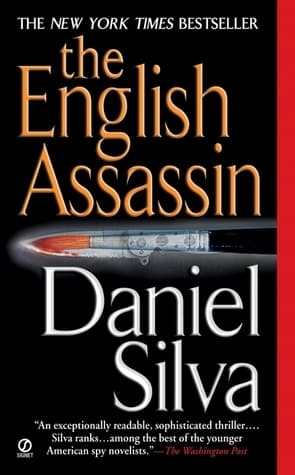
Daniel Silva (2002)
Genre
Thriller / Mystery
Reading Time
9-10 hours
Key Themes
See below
Sign in to track this book
An Israeli art restorer, caught in Switzerland's dark WWII secrets, hunts a rogue assassin he once trained, as a priceless collection of stolen Impressionist paintings hangs in the balance.
Gabriel Allon, an Israeli art restorer in Cornwall, England, receives a summons from Swiss banker Augustus Rolf to restore a Raphael painting in his Zurich villa. Gabriel travels to Switzerland, only to find Rolf's bloodied body at the foot of the painting. Inspector DuBois quickly rules it a suicide. However, Gabriel notices inconsistencies, like the position of Rolf's hands and the pristine state of nearby art, suggesting foul play. He also learns that Rolf had an extensive, secret collection of Impressionist paintings, many of which are now missing, hinting at a deeper conspiracy.
Following Rolf's death, Gabriel's Israeli handlers, Ari Shamron and Uzi Navot, appear. They reveal that Rolf was an informant, providing intelligence on Swiss banks' illicit dealings during World War II, specifically concerning Nazi looted art and Jewish assets. The missing Impressionist collection was part of this illicit hoard, acquired by Rolf's family through questionable means. Shamron tasks Gabriel with recovering the stolen art and uncovering the truth behind Rolf's murder, which they believe is connected to his investigations into wartime financial crimes and the powerful figures involved.
Gabriel's investigation leads him to Venice, Italy, where he traces the missing paintings to a notorious art dealer. He sets up a trap, posing as a buyer interested in the stolen works. The plan ends in a tense confrontation in a Venetian palazzo, where Gabriel faces the assassin responsible for Rolf's death. To his shock, the killer is Jean-Luc Martel, an operative Gabriel himself had trained years ago in Israeli intelligence. Martel, now a rogue agent, tries to eliminate Gabriel, leading to a brutal and personal struggle.
Despite Gabriel's efforts, Jean-Luc Martel escapes in Venice, leaving Gabriel injured and frustrated. The encounter confirms that Martel is part of a sophisticated organization. Shamron explains that Martel likely works for powerful individuals who benefited from Swiss neutrality and financial secrecy during WWII, and who are desperate to keep the truth about their ill-gotten gains buried. The stolen art is valuable not just for its monetary worth, but for the information it represents, which could expose a vast network of corruption.
Gabriel, driven by a personal vendetta against Martel and a commitment to justice for Rolf, begins a relentless pursuit across Europe. He uncovers more evidence linking Martel to powerful Swiss banking families and their long-held secrets. The investigation reveals that Rolf was not just a victim, but a man attempting to atone for his family's past involvement in wartime profiteering. Gabriel realizes that the conspiracy extends to the highest levels of Swiss society, with individuals who have hidden their tracks for decades, using their influence to silence anyone who threatens to expose them.
Gabriel seeks out Chiara Zolli, Augustus Rolf's estranged daughter, hoping she can provide insights into her father's activities or the missing art. Chiara is wary and defensive, having been estranged from her father for years due to his secretive nature and the family's shadowy past. However, as Gabriel reveals the true nature of her father's death and the extent of the conspiracy, Chiara begins to cooperate. She has crucial information about her father's personal affairs and a hidden safe deposit box, which becomes a key to unraveling the mystery, making her a target for Martel.
Using information from Chiara and his intelligence network, Gabriel plans to lure Martel into a trap in Geneva. He orchestrates a situation involving a potential buyer for one of the recovered paintings, knowing Martel will be sent to retrieve or destroy it. The plan is dangerous, as Martel is a skilled and unpredictable adversary. The tension builds as Gabriel and his team prepare for the encounter, knowing a single misstep could cost them their lives and allow the conspirators to escape justice.
The confrontation in Geneva is brutal and intense. Gabriel and Martel engage in a deadly cat-and-mouse game through the city's streets and hidden passages. During their final struggle, Gabriel overpowers Martel. Before Martel dies, or is captured, he reveals the identity of the true mastermind behind Rolf's murder and the larger cover-up: a powerful, seemingly untouchable figure within the Swiss establishment, deeply implicated in wartime profiteering. This revelation exposes the vast reach and ruthlessness of the conspiracy, extending beyond a single assassin.
With Martel neutralized and the mastermind identified, Gabriel, with the help of Shamron and other allies, gathers the evidence needed to expose the powerful Swiss figures involved in the wartime crimes and the subsequent cover-up. The missing art, along with documents found in Rolf's hidden safe deposit box, provides crucial links. Gabriel faces immense pressure and resistance from those who wish to maintain the status quo and protect their reputations. The process is slow and arduous, but Gabriel is determined to bring these long-hidden truths to light, even if it means jeopardizing his own safety.
The evidence amassed by Gabriel and his team eventually leads to public exposure and legal repercussions for the Swiss conspirators. While not all are brought to immediate justice, their reputations are shattered, and their illicit dealings are revealed. The recovered art is returned to its rightful owners or their descendants, providing some closure. Gabriel, though successful, is left with the scars of violence and betrayal. He reflects on the personal toll of his work, the moral ambiguities of the spy world, and the enduring nature of historical injustice, before retreating to his quiet life as an art restorer.
The Protagonist
Gabriel moves from a reluctant, semi-retired operative to fully re-engaging with his past as an assassin and intelligence agent, driven by personal connection and a sense of justice.
The Antagonist
Martel is revealed as a highly effective, amoral operative working to protect powerful secrets, ultimately becoming Gabriel's personal antagonist.
The Supporting
Shamron remains a steadfast and guiding force, consistently pushing Gabriel to engage with the world of espionage for the greater good.
The Supporting
Rolf's arc is completed before the main narrative, serving as the inciting incident and a posthumous driver for the plot.
The Supporting
Chiara transforms from an estranged, skeptical daughter into an active participant in uncovering her family's secrets and seeking justice.
The Supporting
Navot consistently supports Shamron and Gabriel, providing stability and operational expertise throughout the narrative.
The Supporting
DuBois moves from a dismissive investigator to a more open-minded, though still cautious, observer of Gabriel's findings.
The Antagonist
Their collective power is gradually exposed and undermined by Gabriel's investigations, though their full reach remains a looming threat.
The novel explores confronting historical injustices, particularly those from World War II. It highlights Switzerland's complex role during the war, focusing on illicit financial dealings and profiteering from Nazi-looted art and Jewish assets. Augustus Rolf's character embodies the struggle for atonement, as he tries to right his family's past wrongs, leading to his demise. Gabriel Allon's mission is not just about revenge, but about bringing truth to light and providing justice for the victims of these long-buried crimes. The recovery of the stolen art symbolizes the reclamation of lost heritage and dignity, as Gabriel works to identify and return the masterpieces.
“Sometimes, Gabriel thought, the dead demanded more than the living.”
Gabriel Allon constantly grapples with his dual identity as a renowned art restorer and a deadly intelligence operative. This theme explores the moral ambiguities in his work: using violence to achieve justice, and living a life of deception. His artistic pursuits offer peace and beauty, contrasting sharply with the brutal realities of his espionage. Jean-Luc Martel further highlights this duality, representing a darker path Gabriel himself could have taken. The novel questions whether one can truly escape their past and whether the ends justify the means in the pursuit of justice, particularly when dealing with the dark underbelly of historical secrets.
“He was a man of two lives, and the two were always at war.”
Secrets, both personal and institutional, drive the narrative. The Swiss banking establishment's long-held secrets about wartime profiteering form the core of the conspiracy. The powerful figures involved are willing to commit murder and orchestrate elaborate cover-ups to protect their reputations and fortunes. Augustus Rolf's secret investigations and his hidden art collection are central to unraveling these truths. The novel shows how deeply entrenched secrets can be, and the lengths to which powerful individuals and institutions will go to keep them buried. It also explores the corrosive effect of these secrets on individuals and society, and the difficulty of exposing them when facing such immense power.
“Some secrets were meant to remain buried, protected by the silence of the grave.”
The theme of betrayal is central, particularly with Jean-Luc Martel, Gabriel's former trainee, now an assassin. Martel's betrayal is deeply personal for Gabriel, highlighting the fragility of trust in espionage. Augustus Rolf's trust in certain individuals is also betrayed, leading to his murder. Conversely, the loyalty of characters like Ari Shamron and Uzi Navot to Gabriel and their mission underscores the importance of trust and solidarity in a dangerous world. The novel explores how betrayal can motivate revenge and a fierce determination for justice, while loyalty provides the necessary foundation for difficult and dangerous operations.
“The worst betrayals were always by those you trusted most.”
A priceless collection of stolen Impressionist paintings that drives the plot.
The missing collection of Impressionist masterpieces serves as the primary MacGuffin in 'The English Assassin.' While the art itself is valuable, its true significance lies in what it represents: evidence of illicit wartime dealings and a key to unlocking the conspiracy behind Augustus Rolf's murder. Gabriel's mission to recover the art is a tangible goal that propels him across Europe, leading him to confront Jean-Luc Martel and uncover the broader network of conspirators. The art is less important for its aesthetic value and more for its function as a catalyst for revealing deeper truths about historical injustice and corruption.
Gabriel's seasoned handler who guides and manipulates him into action.
Ari Shamron functions as the classic mentor figure for Gabriel Allon. He is a wise, experienced, and sometimes manipulative leader who understands Gabriel's capabilities and vulnerabilities. Shamron provides Gabriel with missions, intelligence, and the necessary resources, but also pushes him emotionally and psychologically. He acts as Gabriel's moral compass and strategic guide, even while acknowledging the dark nature of their work. His presence provides a grounding force for Gabriel, reminding him of his duty and the larger stakes involved, while also representing the institutional memory and authority of the Israeli intelligence service.
Gabriel's personal connection to the assassin, fueling his relentless pursuit.
The revelation that Jean-Luc Martel, the assassin, was once Gabriel's protégé transforms the mission from a professional assignment into a deeply personal vendetta. This plot device adds significant emotional weight to Gabriel's pursuit. It elevates the conflict beyond mere espionage, making it a battle between former master and student, a twisted reflection of Gabriel's own past. This personal stake fuels Gabriel's relentless determination, making him more driven and willing to take greater risks, as he seeks not only justice for Rolf but also to confront the moral implications of Martel's actions and his own role in training him.
A mysterious woman who initially obstructs, then aids, the protagonist.
Chiara Zolli initially embodies elements of a femme fatale – mysterious, beautiful, and potentially withholding information. However, she evolves into a reluctant ally. Her estranged relationship with her father, Augustus Rolf, and her initial skepticism towards Gabriel's claims create early narrative tension. As Gabriel uncovers more truths, Chiara's vulnerability and her possession of crucial information (like knowledge of a hidden safe deposit box) make her a key player. Her character serves to both complicate Gabriel's investigation and provide him with vital emotional and practical support, while also adding a potential romantic subplot to the narrative.
“The past is never dead. It's not even past.”
— Gabriel contemplating the enduring impact of historical events and personal histories.
“There are some things you can never outrun, no matter how fast you are.”
— Gabriel reflecting on the inescapable nature of certain truths or consequences.
“The world is a dangerous place, not because of those who do evil, but because of those who look on and do nothing.”
— Gabriel's cynical view on complicity and inaction in the face of wrongdoing.
“Every secret has a shelf life.”
— Gabriel discussing the inherent impermanence of hidden information.
“Trust is a weapon that can cut both ways.”
— Gabriel's cautious approach to alliances and personal relationships in his line of work.
“Sometimes the greatest lies are told in silence.”
— Gabriel considering the deceptive power of omission and unspoken truths.
“He understood then that true courage was not the absence of fear, but the triumph over it.”
— Gabriel observing another character's bravery in a perilous situation.
“The dead can tell no tales, but they can leave behind a trail of breadcrumbs.”
— Gabriel following clues left by a deceased individual to uncover a conspiracy.
“Revenge is a dish best served cold, but justice is a meal for the living.”
— Gabriel distinguishing between personal retribution and the pursuit of rightful outcomes.
“Art, like life, is full of shadows and light.”
— Gabriel, an art restorer, reflecting on the duality of his passion and his espionage life.
“The truth is rarely simple, and never convenient.”
— Gabriel grappling with the complexities and difficulties of uncovering a hidden truth.
“In this game, there are no friends, only temporary allies.”
— Gabriel's pragmatic view on the nature of alliances in the espionage world.
“Sometimes you have to break a few rules to save the world.”
— Gabriel justifying his unorthodox methods in pursuit of a greater good.
Ready to see how well you understood this book? Take our interactive quiz with 10 questions.

Daniel Silva is a globally acclaimed author celebrated for his thrilling espionage novels. He is best known for his Gabriel Allon series, which includes international bestsellers like "Portrait of a Spy," "The English Assassin," and "The Unlikely Spy." Silva's meticulous research and complex plots have cemented his reputation as a master of the spy thriller genre.







