“The thing about being a kid is that you don't know anything. You don't know what's coming. You just live it.”
— Reflecting on the children's innocence before the sickness.

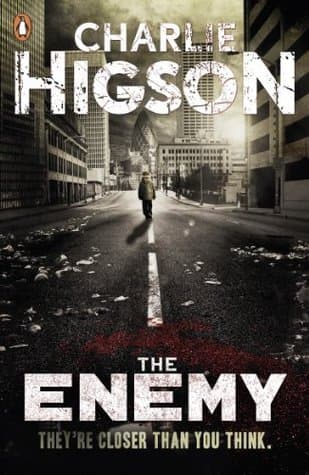
Charlie Higson (2009)
Genre
Thriller / Mystery
Reading Time
8-9 hours
Key Themes
See below
Sign in to track this book
In a London ravaged by a zombie virus that spares only those under fourteen, a desperate band of children navigates a city teeming with their former guardians-turned-monsters, all while clinging to the slim hope of a rumored safe haven.
The story begins with a group of children, all under fourteen, living in a fortified Waitrose supermarket in London. Months have passed since a mysterious illness, 'the sickness,' turned all adults into zombie-like creatures called 'grown-ups' or 'sickos.' DogNut, a thirteen-year-old boy, is part of a scavenging team led by the practical Small Sam, also thirteen. Other members include the tough Freak, the kind Courtney, and younger, more vulnerable kids. Their daily life is a struggle for food and safety, constantly threatened by 'grown-ups' who roam the streets, driven by hunger. The supermarket is a temporary refuge, but supplies are low, and the children face internal conflicts and the constant fear of outside attack.
One day, a new group of survivors arrives at the supermarket, led by David, a charismatic and somewhat ruthless boy. His group is larger and includes Jester, who quickly connects with DogNut, and Fred, a cynical older boy. David's group brings valuable supplies but also tension and different survival methods. They say they came from another camp and, more importantly, have heard rumors of a safe place for children, a sanctuary somewhere far west, possibly Buckingham Palace. This news sparks hope and debate among the supermarket children. The journey would be dangerous but offers a chance at a better future than their current uncertain life.
The leaders of the supermarket group, Small Sam and Fred, along with David, discuss the rumors and the possibility of the journey. Small Sam, always cautious, is hesitant to leave their relatively secure, though shrinking, stronghold. Fred is more adventurous and sees the journey as their only real hope for long-term survival. David, confident and persuasive, pushes for the expedition, highlighting the potential for a larger, safer community. Ultimately, dwindling food supplies and an increasing number of 'grown-ups' in the area force their decision. They decide to prepare for the journey west, knowing the risks are huge but the alternative is slow starvation or being overrun.
The combined groups, now a large convoy of children, leave the supermarket and begin their trek across London. The city is a desolate and dangerous maze, filled with 'grown-ups' in every shadow. They navigate ruined streets, abandoned buildings, and dark alleys, always on high alert. Early in their journey, they encounter a terrifying swarm of 'grown-ups' in a park, forcing them to scatter and fight for their lives. This first fight shows the brutality of their new world and the constant danger they face. They quickly learn that stealth and speed are vital for survival, and that every decision has serious consequences.
Looking for temporary shelter and a safer route, the children go to the Natural History Museum. The vast, echoing halls offer a sense of eerie grandeur but also potential hiding spots for 'grown-ups.' Inside, they encounter a particularly grotesque and aggressive 'grown-up' that lives there. A tense battle follows, showing the children's growing resourcefulness and their ability to work together under pressure. During this encounter, the differences in leadership styles between Small Sam and David become clearer, leading to arguments about tactics and safety. Jester's empathy and quick thinking are valuable, while DogNut struggles with his own fears and a desire to prove himself.
To avoid the most dangerous streets, the group decides to travel through parts of the London Underground. The dark, cramped tunnels present new challenges, including unexpected 'grown-ups' and the psychological toll of being so far underground. They encounter a frightening 'grown-up' who seems more cunning and less mindless than others they have met, leading to a harrowing chase. This section also introduces a mysterious figure, 'the Collector,' rumored to be a 'grown-up' who hoards children's belongings, adding another layer of fear to their journey through the underground. The constant tension pushes the children to their limits, both physically and mentally.
After days of constant travel, the children find a seemingly safe house, a well-stocked and fortified dwelling that appears to have been recently abandoned. They find rest, clean water, and food, allowing them a moment to recover. However, the peace is short-lived. David, driven by his own goals and a desire for control, makes a shocking decision. He intentionally sabotages their supplies and leaves a smaller, more vulnerable group behind, including some younger children and those he considers 'weak,' to lighten their load and speed up his favored group. This act of betrayal deeply affects DogNut and the others, showing the harsh realities of survival and the moral compromises some are willing to make.
DogNut, Small Sam, Jester, Freak, and the remaining children, upset but determined, continue their journey west. David's betrayal weighs heavily on them, forcing them to confront the darker side of human nature even among children. They face increasingly cunning 'grown-ups' and the psychological toll of constant fear and loss. Food and water become very scarce, and their morale drops. They pass through increasingly desolate and dangerous areas of London, the rumors of Buckingham Palace as a sanctuary becoming their only motivation. The children must rely on each other more than ever, their bonds strengthening, even as hope begins to fade.
As they near what they believe is their destination, the group finds the Tower of London, which has been fortified and is inhabited by another group of child survivors. This community is led by Greg and his older, more experienced sister, Emily. Unlike their own group, the Tower children have established a more structured, almost military society, with clear roles and a strict defense system. They are wary of outsiders but offer the protagonists temporary refuge. This encounter shows a clear difference in survival methods and philosophies, making DogNut and his friends consider what kind of society they want to build, if they ever reach the sanctuary. There is tension between the two groups, fueled by different experiences and a lack of resources.
Leaving the Tower of London, DogNut's group, now somewhat refreshed but still cautious, makes their final push towards Buckingham Palace. The journey is filled with the most intense dangers yet, as the 'grown-ups' seem to be more concentrated and aggressive in the city center. They have several desperate fights, losing more children along the way. The physical and emotional exhaustion is immense, but the tempting idea of a truly safe place, a sanctuary where they can rebuild, keeps them going. The story builds to a climax as they finally reach the massive gates of Buckingham Palace, unsure of what awaits them inside, or if the rumors of a sanctuary are even true.
Upon reaching Buckingham Palace, the children find not a thriving sanctuary, but a desolate, overgrown fortress. The gates are open, and inside, they discover a small, desperate group of survivors, much like themselves, who have been holding out, clinging to the same false hope. They learn that the rumors of a grand, organized sanctuary were largely exaggerated or simply false. However, they also uncover a deeper truth: not all 'grown-ups' are mindless. They discover a 'grown-up' who, while still infected, shows moments of lucidity and appears to be trying to protect a group of children. This revelation shatters their understanding of the sickness and the 'grown-ups,' opening up a terrifying new possibility – that some adults might retain parts of their former selves, making them even more unpredictable and dangerous.
The children at Buckingham Palace, now joined by DogNut's group, must accept the devastating truth: there is no easy sanctuary. They are still alone, still fighting for survival. However, the discovery of the 'grown-up' with lingering lucidity changes everything. It suggests the 'sickness' is not as absolute as they believed, and that the 'grown-ups' are not a single, mindless threat. This new understanding brings both terrifying uncertainty and a glimmer of potential hope for understanding the disease. The book ends with the combined group making plans to fortify Buckingham Palace, realizing that their fight is far from over, but now with a more complex, and perhaps more dangerous, understanding of their enemy.
The Protagonist
DogNut begins as a timid scavenger but grows into a more confident and morally grounded leader, learning to trust his instincts and stand up for what is right.
The Supporting/Leader
Small Sam learns to adapt his cautious leadership style to the ever-changing dangers of the outside world, becoming more decisive when necessary.
The Supporting/Love Interest
Jester maintains her humanity and compassion amidst brutality, becoming a source of strength and hope for the group.
The Antagonist/Supporting
David's journey reveals his true nature as a self-serving leader, culminating in a betrayal that establishes him as a significant antagonist.
The Supporting
Freak remains a steadfast and protective force, his loyalty a constant amidst changing alliances and dangers.
The Supporting
Fred's adventurous spirit is tempered by the harsh realities of the journey, making him a more grounded, albeit still cynical, survivor.
The Supporting
Courtney's gentle nature is tested by the harshness of their world, yet she strives to maintain compassion.
The Antagonist
Initially a monolithic, mindless threat, the 'grown-ups' are revealed to be more complex and potentially more dangerous with the discovery of lingering lucidity in some.
The most common theme is the abrupt and brutal end of childhood. The children must shed their innocence and take on adult responsibilities for survival. They scavenge for food, fight for their lives, and make serious decisions, all while dealing with the trauma of losing their families and the world they knew. Scenes like the children fortifying a supermarket or DogNut having to kill a 'grown-up' clearly show this loss. Their games are now survival tactics, and their fears are no longer monsters under the bed, but actual predatory adults.
“We were children, but we weren't. We were just... survivors.”
The book constantly explores the tension between doing what is necessary to survive and keeping one's humanity. Characters like Small Sam and DogNut struggle with moral dilemmas, while David embodies the ruthless practicality that sacrifices others for self-preservation. David's betrayal, where he abandons vulnerable children, is a prime example of this theme. The children must confront how far they will go to stay alive, and whether certain actions make them as monstrous as the 'grown-ups' they fight.
“How much of yourself do you have to lose to stay alive?”
Different leadership styles appear through Small Sam (cautious, democratic), David (charismatic, ruthless), and even Fred (cynical, adventurous). The story examines the qualities needed to lead in a post-apocalyptic world – strategic thinking, courage, empathy, or sheer force of will. The clashes between Small Sam and David highlight the strengths and weaknesses of each approach, and how leadership can inspire hope or lead to betrayal. DogNut's own journey shows him grappling with what it means to be a leader.
“Some lead with a map, others with a whip. Both can get you killed.”
The children's journey is driven by the rumor of a sanctuary, representing their desperate hope for a better future. This hope pushes them through incredible dangers and helps them endure great suffering. However, the constant threat, the loss of friends, and the ultimate revelation about the 'sanctuary' at Buckingham Palace plunge them into despair. The theme explores how hope can be a powerful motivator but also a fragile illusion, and how true resilience means finding a way forward even when hope seems lost. The end of the book leaves them with a new, more complex understanding of their situation, balancing despair with a new kind of resolve.
“Hope was a dangerous thing, a fragile thing. But without it, what did you have left?”
Without their families and familiar structures, the children struggle to form new identities and find a sense of belonging within their makeshift groups. DogNut, in particular, battles with his self-perception and his place within the group. The formation of new 'families' and alliances, and the devastating impact of betrayal, underscore the basic human need for connection and purpose, even in the most desolate circumstances. Their shared trauma creates a unique bond, but also highlights individual struggles to define themselves in a world without adults.
“We were a gang, a family, a broken mess of kids clinging to each other.”
A mysterious plague that turns adults into zombie-like predators.
The 'sickness' is the inciting incident and the primary antagonist force, an unexplained virus that transforms all adults over fourteen into mindless, aggressive, and cannibalistic creatures. This device establishes the post-apocalyptic setting and the central conflict. The 'grown-ups' are not merely monsters; they represent the loss of the old world, the betrayal of parental figures, and a constant, pervasive threat that forces the children to mature rapidly. The ambiguity of the sickness's origin and the later revelation about some 'grown-ups' retaining lucidity adds depth and horror to the device.
A persistent rumor of a safe haven for children that drives the plot.
The rumor of a safe place, specifically Buckingham Palace, functions as the central MacGuffin. It provides the children with a goal, a sense of hope, and a direction for their perilous journey across London. This device is crucial for initiating the main plot, forcing the children out of their relatively stable supermarket sanctuary and into the dangerous unknown. Its ultimate reveal as a less-than-ideal reality serves as a powerful plot twist, challenging the children's perceptions and forcing them to confront a harsher truth about their world.
Regular forays into dangerous territory for supplies.
Scavenging expeditions are a recurring plot device that drives immediate action and creates tension. These trips into the 'grown-up'-infested streets are essential for the children's survival, providing food, water, and other necessities. Each expedition is a mini-adventure, filled with suspense, close calls, and opportunities for character development (e.g., DogNut's fear, Freak's bravery). This device constantly reminds the reader of the ever-present danger and the ingenuity required for daily survival, illustrating the children's resourcefulness and the brutal reality of their existence.
Disagreements and power struggles among the child survivors.
Internal group conflict, particularly between leaders like Small Sam and David, and within DogNut's own moral compass, serves as a significant plot device. These conflicts create dramatic tension beyond the external threat of the 'grown-ups.' They highlight the moral ambiguities of survival, the struggle for leadership, and the breakdown of trust. David's betrayal is the most impactful instance, demonstrating how internal strife can be as dangerous, if not more so, than the external enemy. This device explores the darker aspects of human nature under extreme pressure.
“The thing about being a kid is that you don't know anything. You don't know what's coming. You just live it.”
— Reflecting on the children's innocence before the sickness.
“There were no rules anymore, not really. Only the ones you made up for yourself, and the ones you could enforce.”
— Describing the lawless post-apocalyptic world.
“You could get used to anything, given enough time. Even the end of the world.”
— A character's grim acceptance of their new reality.
“Fear was a good thing, sometimes. It kept you alive. But too much fear, that just made you stupid.”
— Contemplating the role of fear in survival.
“They were kids playing at being adults, but the game was real, and the stakes were their lives.”
— Observing the children's struggle for leadership and survival.
“The monsters weren't just outside. Sometimes they were inside too, in the things you had to do to stay alive.”
— A character grappling with their own moral compromises.
“Hope was a dangerous thing. It could make you do stupid stuff. But without it, what was the point?”
— Considering the double-edged sword of hope in a bleak world.
“Food was everything. More than money, more than power. It was life itself.”
— Highlighting the primary struggle for resources.
“They were all just trying to make it to tomorrow. That was the only goal that mattered.”
— Summarizing the daily struggle for existence.
“The silence was the worst. The silence where all the grown-ups used to be.”
— A child reflecting on the absence of adults and the quiet world.
“You had to be hard. You had to be tougher than anyone else, or you were dead.”
— Emphasizing the brutality required for survival.
“Every day was a victory. Every night was a battle.”
— A concise summary of their ongoing struggle.
“The past was gone. The future was a question mark. Only now mattered.”
— Focusing on the immediate present in a world without certainty.
“They were like ants, scrambling over the ruins of a picnic, picking up what they could find.”
— A vivid metaphor for the children scavenging in the ruined city.
Ready to see how well you understood this book? Take our interactive quiz with 10 questions.

Charlie Higson is a British author, best known for his thrilling Young Adult horror series, 'The Enemy'. He also penned the popular 'Young Bond' series, including titles like 'SilverFin' and 'Hurricane Gold'. Higson's work often features suspenseful plots and relatable teenage protagonists facing extreme situations.







