
Biography coming soon.
Archivist's Choice
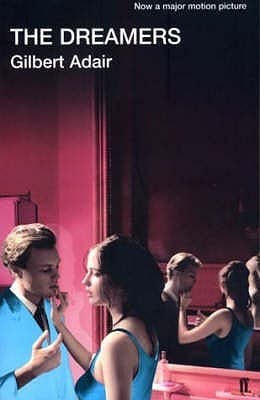
The Dreamers
Gilbert Adair (2003)
Genre
Historical Fiction
Reading Time
12 Minutes
Key Themes
See below
Track Your Reading
Sign in to track this book
In the midst of Paris's 1968 upheaval, three film lovers withdraw into a self-made world of obsessive games and growing intimacy, only to have their sealed reality shattered by the encroaching outside world.
Synopsis
Set in Paris during the tumultuous spring of 1968, "The Dreamers" follows French twins Théo and Isabelle, and their American student friend Matthew, as they navigate the city's awakening social and political fervor. Their primary escape is the Cinémathèque Française, where they obsessively immerse themselves in the world of cinema. When the Cinémathèque is abruptly closed by the government, the trio retreats into their own apartment, creating a hermetically sealed world. Here, they engage in an escalating series of perverse games, ordeals, and sexual jousting, shedding inhibitions and clothes with equal abandon, as their private delirium intensifies. This isolated existence is tragically interrupted when the real-world upheaval finally breaks through their self-imposed bubble, forcing a confrontation with the external revolution.
Difficulty
Medium
Pacing
Moderate
Mood
Intimate, Erotic, Claustrophobic, Dreamlike, Melancholy
Plot Summary
The Cinémathèque Obsession
Matthew, an American exchange student, arrives in Paris and quickly becomes involved in the intense, isolated world of French cinema. He often goes to the Cinémathèque Française, where he sees how dedicated film lovers act. There, he meets Théo and Isabelle, twin siblings who have a close bond and a deep love for film. Matthew is an outsider at first, drawn to their knowledge and their shared, intimate life. He observes them, often feeling like he's watching a movie himself, as he navigates the city and the unique film subculture. Their shared passion for cinema starts to create a silent connection between them.
A Shared Passion
Matthew's initial observations lead to a cautious friendship with Théo and Isabelle. They connect over their vast film knowledge, their preferred front-row seats, and their dislike for anyone who doesn't share their strong dedication. The Cinémathèque becomes their refuge, a place where the outside world fades, replaced by the images on screen. Their talks are full of film facts, obscure directors, and passionate discussions about great movies. Matthew finds himself increasingly drawn to the twins' quirks and their deep, almost telepathic understanding of each other. This shared love for film is the basis of their developing, complicated relationship.
The Closure of the Cinémathèque
The peaceful, film-focused life of Matthew, Théo, and Isabelle is suddenly broken by the announcement that the Cinémathèque Française will close. This government decision, supposedly due to administrative changes, angers film lovers and suggests wider political unrest in Paris. For the three, it's a disaster, cutting off their main connection to the world and each other. With their daily ritual gone, they are left without direction. Théo and Isabelle invite Matthew to stay with them in their parents' large Parisian apartment, which is empty while their parents are away. This move is a major turning point, isolating them further from reality.
Withdrawal into the Apartment
With the Cinémathèque closed and the outside world growing more chaotic with student protests, the three withdraw completely into Théo and Isabelle's apartment. The spacious, elegant rooms become their new world, a sealed environment where time and outside events lose meaning. They cut themselves off from news, social interaction, and even daylight, drawing the shutters to create a constant twilight. This deliberate isolation creates an intense atmosphere, where their shared film knowledge and their increasingly strong personal dynamics become their only focus. The apartment becomes a stage for their unfolding drama, a refuge from the encroaching real world.
Cinematic Games and Challenges
To fill their days and keep their connection to cinema alive, Théo and Isabelle start a series of elaborate, often challenging games, all inspired by their vast film knowledge. These challenges range from guessing obscure movie quotes and recreating famous scenes to more personal and daring tasks. Matthew, at first a hesitant participant, is gradually drawn into their complex rules and forfeits. The games replace their lost Cinémathèque experience, allowing them to continue living within film narratives. However, these games become increasingly personal, pushing boundaries and revealing hidden tensions and attractions between them.
Shedding Inhibitions
As the days turn into weeks, the games become more transgressive and sexual. The forfeits for losing grow more personal and humiliating, often involving nudity and sexual acts. The line between role-playing and genuine desire blurs as their inhibitions disappear. Matthew finds himself caught between his initial fascination and a growing unease, yet he cannot resist the pull of the twins' shared world. The apartment becomes a place of radical freedom and experimentation, where conventional morality is suspended. Their bodies become another way to explore cinema, reflecting the uninhibited nature of some of the films they admire.
The Nature of Their Bond
The escalating sexual competition within the apartment shows the deeply intertwined, almost incestuous bond between Théo and Isabelle. Their interactions with Matthew often seem designed to test the limits of their own relationship, to include him in their private world while also reinforcing their unique connection. Matthew becomes both a participant and an observer, a catalyst for their explorations and a mirror reflecting their complex desires. The sexual acts are less about conventional romance and more about a shared psychological and physical exploration, a blurring of identities and desires that challenges social norms and deepens the intensity of their self-imposed isolation.
Growing Discomfort and Reality's Intrusion
Despite the intoxicating nature of their games, Matthew feels occasional unease and a longing for the outside world. The constant darkness, the lack of fresh air, and the relentless intensity of their interactions start to affect him. Subtle sounds from the street below – distant sirens, shouts, the rumbling of protests – sometimes break through their sealed environment, serving as faint reminders of the world they've left behind. These intrusions are initially dismissed, but they slowly chip away at the illusion of their perfect, isolated cinematic paradise. The growing unrest in Paris, at first a distant hum, begins to press in on their self-imposed delusion.
The Breaking Point
The games reach a dramatic climax, pushing the trio's psychological and physical limits. An intense challenge or a series of escalating dares leads to an act that shatters any remaining pretense of innocence or playful experimentation. This breaking point signals an irreversible shift in their dynamic, exposing the raw vulnerability and desperation beneath their cinematic posing. The sexual and emotional intensity becomes too much, creating unbearable tension within the apartment. The line between fantasy and reality, already weak, threatens to completely disappear, leaving them exposed and fragile.
The Outside World Breaks In
The escalating May 1968 student protests, which have been a distant, muffled background to their isolation, finally erupt directly outside their apartment. The sounds of sirens, chanting, and breaking glass become deafening. A brick or a Molotov cocktail shatters their window, violently breaking into their carefully built sanctuary. This sudden, brutal intrusion of the real world into their sealed universe is a shock. The filmic dream they've lived in is shattered, forcing them to confront the socio-political turmoil they had so carefully ignored. The contrast between their intimate, self-absorbed world and the chaos outside is stark and devastating.
Confrontation and Resolution
Stunned and disoriented by the violent intrusion, the trio must acknowledge the reality of the revolution unfolding around them. They look out from their shattered window, seeing the raw, unfiltered chaos of the streets. This sudden, direct exposure to the world outside their cinematic bubble is a deep shock. The film-inspired games and their self-imposed isolation are revealed as a fragile, ultimately unsustainable fantasy. The confrontation with the protests forces them to choose between their dream world and the urgent demands of reality, ending their shared delusion, and perhaps, their unique bond.
Principal Figures
Matthew
The Protagonist
Matthew transforms from an observant outsider into an active participant in a transgressive relationship, ultimately forced to confront the harsh reality outside their insulated world.
Théo
The Protagonist
Théo maintains his control and vision for their shared cinematic reality, only to have it violently shattered by the intrusion of the outside world, exposing the fragility of his constructed universe.
Isabelle
The Protagonist
Isabelle fully embraces the uninhibited freedom of their isolated world, her journey culminating in a stark confrontation with the reality she and Théo had so carefully avoided.
The Cinémathèque Française
The Supporting
Its closure forces the protagonists into their hermetic world, while its memory continues to inspire their games and challenges.
The Parents (Théo and Isabelle's)
The Supporting
Their absence allows the central conflict and isolation to unfold, but they remain symbolic of the 'real' world outside.
The May '68 Protesters
The Supporting
They evolve from an abstract background noise to a violent, physical force that directly intervenes in the protagonists' lives, forcing an end to their delusion.
Themes & Insights
Escapism and Reality
The novel explores the human desire to escape reality through art, especially cinema. The characters first find comfort and identity in the Cinémathèque, and when it's gone, they create an even more elaborate, isolated fantasy in their apartment. This theme highlights the appeal of creating one's own world, free from the demands of the external, socio-political reality. The tragic ending shows that complete escapism is impossible, as the real world inevitably breaks in, often violently, to shatter the illusion.
“The world outside their shuttered apartment succeeds at last in encroaching on their delirium.”
The Power of Cinema
Cinema is not just a setting but a core part of the characters' lives and identities. It provides their language, their shared history, their games, and their way of seeing the world. The novel shows how film can shape perception, influence behavior, and even dictate personal relationships. The characters' obsession with films allows them to live through cinematic narratives, blurring the lines between their own lives and the stories on screen. It is both a source of deep connection and a dangerous tool for self-deception.
“Night after night, they take their place beside their fellow cinephiles in the very front row of the stalls and feast insatiably off the images that flicker across the vast white screen.”
Sexual Awakening and Transgression
The novel examines the complexities of sexual awakening and the breaking of social rules within a closed environment. The triangular relationship between Matthew, Théo, and Isabelle involves perverse eroticism, hints of incest, and a radical loss of inhibitions. Their sexual experimentation is tied to their cinematic games, blurring the lines between performance and genuine desire. This theme explores the liberating yet potentially destructive nature of unrestrained sexual freedom when separated from external moral frameworks, highlighting the raw and often confusing aspects of developing sexuality.
“A vertiginous free fall interrupted only, and tragically, when the real world outside their shuttered apartment succeeds at last in encroaching on their delirium.”
Identity and Performance
The characters, especially Théo and Isabelle, constantly act out roles, inspired by the films they love. Their interactions, games, and even their sexual encounters often feel like carefully staged scenes from a movie. This theme questions the authenticity of identity, suggesting that in a media-filled world, people might build their selves through imitation and performance. Matthew, too, is drawn into this theatrical life, struggling to tell where the performance ends and real emotion begins. The apartment is a stage where identities are fluid and constantly re-negotiated.
“They had learned to speak in the language of cinema, their lives a perpetual homage to the silver screen.”
The Nature of Obsession
Obsession drives the novel, first seen in the characters' strong love for cinema and then in their increasingly intense private games. The closing of the Cinémathèque does not lessen their obsession; instead, it turns it inward, creating an intense environment where their desires and fixations grow unchecked. This theme explores the consuming nature of obsession, how it can both unite people and isolate them from the wider world. It also highlights the fine line between passionate dedication and destructive fixation, especially when not checked by outside influences.
“They think only of immersing themselves in another, addictive form of hibernation: moviegoing at the Cinémathèque Française.”
Plot Devices & Literary Techniques
The Hermetically Sealed Apartment
A physical and psychological cage.
The apartment serves as a crucial plot device, acting as both a sanctuary and a prison. Its physical isolation, with drawn shutters and lack of external communication, mirrors the psychological isolation of the characters. It enables their extreme experimentation and the breakdown of social norms, creating a hothouse environment where their desires and games can escalate without external judgment. The apartment's eventual breach by the outside world is the ultimate symbol of reality's inevitable intrusion, marking the tragic end of their self-made fantasy.
Cinematic Allusions and Games
Structuring their reality through film.
The constant allusions to classic films and the games based on cinematic knowledge are central to the narrative. They provide the framework for the characters' interactions, dictate their challenges, and blur the lines between their lives and the movies they idolize. This device allows the author to comment on the power of film to shape perception and identity, while also propelling the plot forward through escalating dares and forfeits. The games evolve from playful trivia to deeply personal and sexually charged enactments, mirroring the characters' increasing loss of inhibition.
May 1968 Protests
The external force of historical reality.
The historical backdrop of the May 1968 student protests in Paris functions as a powerful plot device, serving as a constant, looming threat to the characters' insular world. Initially a distant hum, the protests gradually intensify, symbolizing the inescapable reality and social responsibility that the protagonists are actively avoiding. Their eventual violent intrusion into the apartment provides the dramatic climax, forcing the characters to confront the world they had so carefully shut out. This device grounds the fantastical elements of the story in a specific historical context, highlighting the contrast between personal escapism and collective upheaval.
The Twin Dynamic
A pre-existing, intense bond.
The fact that Théo and Isabelle are twins is a crucial plot device, establishing a pre-existing, almost impenetrable bond that Matthew struggles to understand and penetrate. This twin dynamic creates a sense of exclusivity and shared history that shapes their interactions with each other and with Matthew. It also provides a natural foundation for the incestuous undertones and the blurring of individual identities within their relationship. Their telepathic understanding and shared world are amplified by their twin status, making their bond both fascinating and formidable.
Critical analysis
Notable Quotes
Quiz
Test Your Knowledge
Ready to see how well you understood this book? Take our interactive quiz with 10 questions.
10
Questions
~5
Minutes
?
Best Score
Key Questions (FAQ)
'The Dreamers' is set in Paris during the spring of 1968. The city is experiencing a period of social and political change, but the main characters are more focused on their passion for cinema.







