“Nancy Drew was a girl detective whose fame had spread far beyond her own town.”
— Introduction of Nancy Drew's reputation.

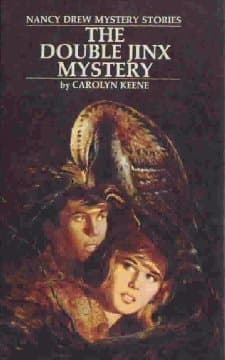
Carolyn Keene (1973)
Genre
Children's / Mystery / Young Adult
Reading Time
180 min
Key Themes
See below
Sign in to track this book
When a strange 'bird of ill omen' appears on her lawn, Nancy Drew must solve a series of jinxes threatening a rare bird farm to expose the true reasons behind a high-rise development.
The story begins with Nancy Drew finding a strange, jinxing bird ornament on her lawn. This immediately sparks her detective interest. Soon after, her father, Carson Drew, a well-known lawyer, tells her about his new case. He represents Mr. and Mrs. Smith, who own "The Bluebird," a rare bird farm. The farm is in danger of being destroyed for a high-rise apartment complex. The developers, represented by Mr. Henderson, are pushing hard for the sale. Nancy soon realizes the jinxing bird on her lawn might relate to the threats and intimidation aimed at those who oppose the construction, including her father and the Smiths.
Nancy, with her friends Bess Marvin and George Fayne, begins investigating the jinxes. They visit the Smith's bird farm, observing the beautiful but increasingly nervous rare birds. The Smiths express their worry about the constant pressure and strange events. Nancy learns that others connected to the opposition, like a local historian, have also received similar jinxing objects or experienced minor problems. Mr. Henderson, the developer's representative, seems overly eager to buy the land and is the main suspect for the threats. Nancy also considers Mr. Finch, a disgruntled former employee of the Smiths, who was recently fired.
During one of Nancy's visits to The Bluebird, the farm's most valuable bird, a rare bluebird, disappears. This upsets the Smiths greatly and confirms Nancy's belief that someone is deliberately sabotaging the farm. The missing bird is a major setback, as its rarity makes the farm's future even more uncertain. Nancy suspects the theft aims to force the Smiths to sell their land, making the apartment complex project seem unavoidable. She questions the farm's staff and neighbors, but no one saw anything, which makes the crime even more puzzling.
While searching for clues at the bird farm, Nancy finds an old, faded map hidden in a dusty attic. The map, belonging to a Smith ancestor, shows unusual marks and symbols around the property. Believing it is a key piece of the puzzle, Nancy studies it closely. She suspects the map indicates something valuable hidden on the land. This could be the real reason behind the developers' aggressive tactics, not just the desire for a high-rise. This discovery shifts her focus from just the jinxes to a deeper reason for the land acquisition.
With her sharp mind, Nancy deciphers the old map's cryptic markings. She realizes it points to a hidden underground spring on the Smith's property. Further investigation shows this is not just any spring; its water has unique mineral properties, making it very valuable. This discovery gives the developers a clear, strong reason to acquire the land at any cost. It explains their unusual persistence and the increasing threats. The apartment complex was just a cover-up to hide their true goal of profiting from the spring.
Armed with her new knowledge about the spring, Nancy confronts Mr. Henderson. She presents her findings, but Henderson strongly denies knowing about the spring or its value, sticking to the apartment complex story. However, his nervous manner and overly defensive answers reveal his true feelings. Nancy notices his increasing desperation, which only strengthens her suspicion that he is either directly involved or being used in a larger scheme by someone higher up in the development company. She decides to look more closely into Henderson's background and his true employers.
Nancy's investigation into Henderson's employers leads her to Mr. Granger, the seemingly respectable head of the development company. Through careful deduction and by tracking financial transactions, Nancy uncovers Granger as the real mastermind. She learns that Granger had found the valuable spring years ago but could not buy the land legally. He then created the complex plan of the apartment complex and the jinxes to intimidate the Smiths and force a sale, using Henderson as his unknowing or forced agent. The jinxes were a psychological tactic to make the Smiths believe they were cursed.
Following a hunch, Nancy revisits Mr. Finch, the disgruntled former employee. She sees a newly built, elaborate birdcage in his backyard, which seems out of place for his current income. Upon closer inspection, she finds the missing rare bluebird inside. Finch, pressured by Granger with promises of money, had stolen the bird to further distress the Smiths. Nancy cleverly gathers evidence to prove Finch's involvement and the bird's identity, ensuring its safe return to the Smiths. This discovery further connects Granger to the criminal activities.
Nancy creates a clever plan to expose Granger. She arranges a meeting with him, pretending to have found a buyer for the land who knows about the spring's value, hoping to provoke him. During the confrontation, Nancy presents her evidence, including the connection between the jinxes, the stolen bird, and the hidden spring. Cornered and realizing his plan is failing, Granger confesses to orchestrating the entire plot, including hiring Finch to steal the bluebird and using Henderson to push the apartment complex facade. Henderson, unaware of the spring, is shocked by the revelation.
With Granger's confession and Nancy's overwhelming evidence, Carson Drew can present a strong case. Granger is arrested and faces charges for fraud, intimidation, and theft. The Smiths are happy that their beloved bird farm, The Bluebird, is saved. The rare bluebird is safely returned home, and the valuable spring is secured for the Smiths. Nancy, having solved another complex mystery, ensures justice and breaks the jinx that had troubled the Drews and the Smiths.
The Protagonist
Nancy's arc reinforces her established character as a capable detective, demonstrating her growth in handling complex conspiracies and emotional manipulation.
The Supporting
Carson's arc shows his reliance on Nancy's unique skills to navigate a legally complex and criminally motivated case.
The Supporting
Bess's arc, though minor, highlights her unwavering loyalty to Nancy, overcoming her fears to help solve the mystery.
The Supporting
George's arc, like Bess's, emphasizes her reliability and courage in assisting Nancy's dangerous investigations.
The Antagonist
Granger's arc reveals his descent from a seemingly legitimate businessman to a exposed criminal, undone by his own greed and Nancy's persistence.
The Supporting
Henderson's arc shifts from an aggressive, seemingly villainous figure to a surprised and somewhat sympathetic character, revealing his unwitting involvement in a larger scheme.
The Supporting
The Smiths' arc moves from despair and intimidation to hope and relief as their farm is saved and the jinx is broken.
The Mentioned
Finch's arc reveals his transformation from a disgruntled employee to a coerced accomplice, ultimately exposed by Nancy.
The main theme is Nancy's steady pursuit of justice for the innocent and her search for truth. From the first jinxing bird to finding the hidden spring, Nancy wants to expose criminals and protect the Smiths. This theme shows in her careful investigation, her refusal to be scared, and her success in bringing Mr. Granger to justice, ensuring the rightful owners keep their property.
““Nancy Drew never gave up on a mystery until she had solved it, no matter how puzzling or how dangerous it might be.””
The novel explores deception, where things are not as they seem. The high-rise apartment complex is a cover-up to hide the real reason for wanting the valuable spring. Mr. Granger, the villain, acts respectable while planning crimes. The jinxes themselves are a form of psychological trickery, meant to frighten victims. Nancy's job is to uncover these layers of deceit to reveal the truth and the antagonists' real plans.
““The developer’s interest in the land for a high-rise was merely a cover-up for a far more valuable secret.””
This theme contrasts preserving natural beauty and historical value (The Bluebird farm, rare birds, the hidden spring) with 'progress' driven by corporate greed. The developers represent an unchecked desire for profit at the expense of communities and ecological value. The Smiths' struggle to save their farm shows the fight against such forces. Nancy's success in saving the farm highlights the importance of protecting unique and valuable assets from exploitation.
““The Smiths loved their birds and their land more than any amount of money the developers could offer.””
The mystery begins with 'jinxes,' playing on superstitious fears. The jinxing bird and later 'misfortunes' are meant to make victims believe they are cursed, weakening their resolve. Nancy, however, approaches these events with logic and reason, refusing to be swayed by superstition. She investigates the 'jinxes' as deliberate acts, proving them to be tools of intimidation rather than supernatural events. This theme emphasizes the power of rational thought over unfounded beliefs.
““Nancy knew that behind every so-called jinx, there was usually a human hand at work.””
Misleading clues or characters that divert suspicion.
The 'jinxes' themselves serve as a significant red herring, initially making the mystery seem supernatural or based on bad luck, diverting attention from the human perpetrators. Mr. Henderson is another red herring, presented as the primary antagonist pushing for the land sale, while the true mastermind, Mr. Granger, remains hidden. Mr. Finch, the disgruntled former employee, also acts as a red herring, drawing initial suspicion for the bird theft before the larger conspiracy is revealed. These devices keep Nancy and the reader guessing, adding to the mystery's complexity.
A concealed item or piece of information crucial to the plot.
The hidden underground spring is the central 'hidden object' that drives the entire plot. Its existence is the true motive behind the developers' aggressive tactics. The old map found by Nancy is another crucial hidden object, as it provides the key to locating and understanding the value of the spring. These hidden elements provide the core mystery and the ultimate explanation for the antagonist's actions, transforming a simple land dispute into a high-stakes criminal conspiracy.
An object or character representing a deeper meaning.
The rare bluebird, and 'The Bluebird' farm itself, symbolizes hope, uniqueness, and the preciousness of nature. Its theft represents the vulnerability of these values in the face of greed and destructive 'progress.' The farm's name evokes happiness and good fortune, making the 'double jinx' a direct attack on these positive associations. The successful return of the bluebird and the saving of the farm symbolizes the restoration of hope and justice, overcoming the forces of ill omen.
The act of influencing someone through threats or trickery.
Coercion and manipulation are central to the antagonists' methods. Mr. Granger manipulates Mr. Henderson by keeping him unaware of the true motive, making him an unwitting tool. He also coerces Mr. Finch into stealing the bluebird, using his past grievances and promising financial gain. The 'jinxes' themselves are a form of psychological manipulation, designed to intimidate and wear down the Smiths' resolve. Nancy's investigation exposes these manipulative tactics, revealing the true nature of the criminal enterprise.
“Nancy Drew was a girl detective whose fame had spread far beyond her own town.”
— Introduction of Nancy Drew's reputation.
“The Double Jinx Mystery, Nancy thought, was certainly living up to its name!”
— Nancy reflecting on the series of unfortunate events.
“It takes more than a few threats to scare Nancy Drew.”
— Nancy's internal thought or a character's observation about her bravery.
“A clue is only a clue if you know how to interpret it.”
— Nancy explaining her detective process to Bess or George.
“Sometimes the most obvious answer is the one staring you in the face.”
— Nancy contemplating a puzzling piece of evidence.
“There's no such thing as a coincidence when you're dealing with a mystery.”
— Nancy dismissing a seemingly random event as potentially significant.
“Teamwork makes the dream work, especially when solving a mystery.”
— Nancy acknowledging the help of Bess and George.
“Every secret has a way of coming to light, eventually.”
— Nancy's belief in uncovering the truth.
“The greatest joy in solving a mystery is seeing justice served.”
— Nancy's motivation for her detective work.
“Never underestimate the power of a keen eye and a curious mind.”
— Nancy reflecting on the tools of a good detective.
“A good detective always checks the details, no matter how small.”
— Nancy instructing her friends on careful investigation.
“Danger was just another part of the adventure for Nancy Drew.”
— Narrator describing Nancy's attitude towards perilous situations.
“Even the cleverest criminal leaves a trail.”
— Nancy expressing confidence in finding the culprit.
“The truth is often stranger than fiction, and far more interesting.”
— Nancy reflecting on the bizarre nature of the case.
Ready to see how well you understood this book? Take our interactive quiz with 10 questions.
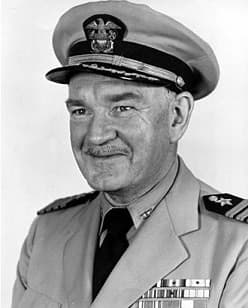
Carolyn Keene is the pseudonym for the authors of the Nancy Drew Mystery Stories series. Under this pen name, numerous authors have penned over 170 books since 1930, captivating young readers with thrilling mysteries and adventures. The series, including notable titles like "The Secret of Red Gate Farm" and "Mystery of Crocodile Island," has become a cultural phenomenon, selling millions of copies worldwide and inspiring adaptations across various media.

Dan Gemeinhart
4.5
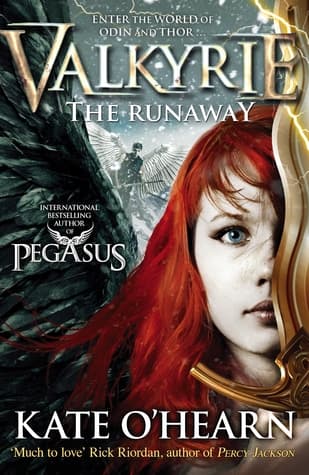
Kate O'Hearn
4.4

Jeanne Birdsall
4.4

Jen Wang
4.4
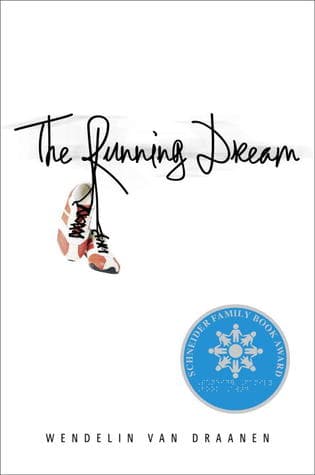
Wendelin Van Draanen
4.3

John Marsden
4.3

Chris Van Allsburg
4.3
Jennifer A. Nielsen
4.2