“The wind was a living thing, always there, always biting.”
— Describing the harsh Siberian winter.

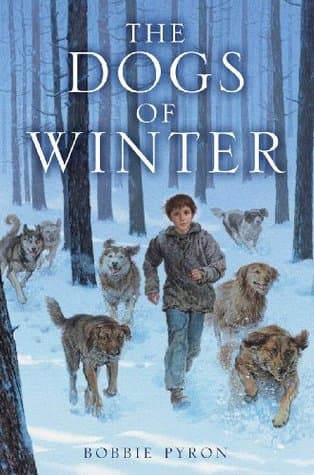
Bobbie Pyron (2012)
Genre
Children's / Historical Fiction / Young Adult
Reading Time
320 min
Key Themes
See below
Sign in to track this book
Abandoned to the brutal Moscow winter, a young boy finds an unbreakable family and fierce survival in an unexpected pack of stray dogs, challenging the very definition of humanity.
Nine-year-old Ivan is left alone in a Moscow apartment after his mother, a single parent, disappears. He waits for her, growing hungry and desperate. When the landlord threatens eviction, Ivan, fearing orphanages, flees to the cold streets of Moscow. He quickly learns the harshness of homelessness, struggling to find food and shelter among indifferent passersby. His first attempts to beg for food are met with suspicion or rejection, showing his vulnerability and the city's unforgiving nature.
Ivan spends his first nights on the street in fear and hunger. He learns to scavenge, searching dumpsters and market stalls for food. One evening, trying to steal a sausage, he meets a large, scary stray dog named Sasha, the pack leader. Sasha's presence is at first threatening, but Ivan, desperate, stands his ground, surprising himself and the dog. This meeting starts an uneasy truce and the first step toward an unusual partnership.
After several careful meetings, Sasha, seeing Ivan's resilience, lets him join her pack. The pack includes Sasha, the leader; a playful, smaller dog named Little One; and a larger, protective male dog. Ivan quickly learns their ways, communicating with barks, growls, and body language. He shares their small finds, sleeps huddled with them for warmth, and begins to feel a sense of belonging he hadn't known since his mother left. The dogs become his family, offering protection and company.
Life with the dog pack is a constant fight for survival. Ivan learns to beg for coins, sometimes using the dogs to get sympathy, other times relying on his small size. They create routines for finding food, often raiding market stalls or waiting for scraps. They move through Moscow's complex streets, finding shelters in abandoned buildings, under bridges, and in forgotten city corners. Ivan finds that the dogs are intelligent and resourceful, using their senses and teamwork to survive the harsh Russian winter.
A constant danger for Ivan and his new family are the Moscow dog catchers. These men patrol the city, rounding up stray dogs, often brutally. Ivan quickly learns to recognize their vehicles and signs of their approach, warning the pack. He and Sasha develop ways to escape them, using their knowledge of the city's alleys and hidden paths. These close calls emphasize the fragile nature of their freedom and the constant danger they face, strengthening their bond as they rely on each other to survive.
During one begging trip, Ivan meets an elderly woman who shows him a rare kindness. Instead of ignoring him, she offers him food and a warm place to rest for a short time. She speaks gently to him, and for the first time in a long time, Ivan gets a break from his hard street life. This meeting is a reminder of the human connection he lost and the potential for good in the world, even as he knows he must return to his pack.
The Moscow winter gets worse, bringing extreme cold and less food. The pack struggles to find enough to eat, and the winds make finding warm shelter vital. Ivan, despite his growing strength, feels the strain of the cold and hunger. He worries about his dog family, especially Little One, who is more vulnerable. This time tests their bond and resourcefulness, forcing them to take bigger risks for food and warmth, making them even more dependent on each other.
While scavenging in a park, Ivan and the dogs are involved in an event. They might save someone or cause a small disturbance, drawing attention from authorities or citizens. This event, though not necessarily bad, highlights Ivan's unusual living situation and makes him more visible. The incident is a turning point, showing that their hidden life cannot last forever and that Ivan's unique bond with the dogs is becoming harder to hide.
After the park incident, a social worker or kind person becomes interested in Ivan's well-being. They approach him, offering him a chance at a safer, more normal life – a warm bed, regular meals, and school. This offer creates a deep problem for Ivan. While comfort is tempting, it means leaving Sasha, Little One, and his pack, who have become his true family. He struggles with the conflict between the safety of a human world and the strong loyalty he feels for his dog companions.
Ivan struggles with his choice, torn between two very different lives. He reflects on his journey, the harshness of the streets, and his dog family's loyalty. He knows that staying with the dogs means a life of constant danger and uncertainty, but leaving them feels like betrayal. Finally, with a heavy heart, Ivan chooses to accept human help, understanding it is for his long-term good, even if it means a painful separation from Sasha and the pack. This decision marks his reluctant return to the human world.
Ivan enters a children's home or foster care, starting the slow and often hard process of adjusting to a normal life. He experiences the comforts he lacked on the streets – regular food, a warm bed, clean clothes, and school. However, memories of his time with Sasha and the pack are strong. He misses their company, their silent talks, and the freedom of their wild life. His change is marked by longing and a deep thankfulness for the family that saved him.
Despite his new life, Ivan never forgets his dog family. He finds ways to stay connected, perhaps visiting their old roaming areas, or looking for signs of them. He carries the lessons of survival, loyalty, and strength learned from Sasha. The story ends with Ivan in a stable environment, but his time with the dogs remains a defining part of him. He is forever shaped by their love and the extraordinary bond they shared, which shows the power of an unusual family.
The Protagonist
Ivan transforms from a scared, abandoned child into a resourceful and resilient survivor, finding an unconventional family before reluctantly returning to the human world, forever changed by his experiences.
The Supporting
Sasha's character remains consistent as a strong, protective leader, but her acceptance of Ivan demonstrates her capacity for unusual compassion and adaptability.
The Supporting
Little One's character provides emotional support and companionship, remaining a constant source of affection for Ivan.
The Supporting
This character's arc is less about personal development and more about their impact on Ivan's future, serving as a beacon of hope.
The Mentioned
Her absence is a constant motivator for Ivan, even as he builds a new life.
The Antagonist
They serve as a consistent external threat, driving much of the pack's evasive actions.
The main theme is the unusual family Ivan forms with the stray dogs. After his mother abandons him, Ivan finds unconditional love, protection, and belonging with Sasha's pack. Their loyalty, sharing food, and huddling for warmth show that family is not just blood, but shared experiences, care, and support. This is clear when Ivan struggles to decide whether to leave the dogs for a human home, as they have become his real family.
“They were his pack, his family, the only ones who truly understood the language of the street.”
The harsh realities of Moscow street life, especially in winter, highlight the great resilience of both Ivan and the dogs. They learn to find food, shelter, and avoid dangers like dog catchers. Ivan changes from a vulnerable child to a resourceful survivor, adapting to the dogs' ways. This shows the human spirit's ability to endure and thrive against great odds. Each day is a display of their cleverness, teamwork, and will to live, even in the hardest conditions.
“Hunger was a constant companion, but so was the fierce determination to outwit the city.”
The book explores what makes us human through Ivan's interactions with people and animals. While many humans are uncaring or cruel, the dogs show Ivan the most kindness, loyalty, and empathy. On the other hand, the kind acts from the old woman or social worker offer glimpses of human compassion. The story asks readers to consider if 'humanity' is about species or qualities like love, protection, and connection, which Ivan finds more readily in his dog companions.
“Sometimes, he thought, the dogs understood more than any person ever could.”
Ivan's journey involves a quick and brutal loss of childhood innocence. He must leave behind his fairytales and face the grim truth of homelessness. However, this loss brings significant personal growth. He gains street smarts, courage, and a deep understanding of nature and animal behavior. His experiences, though hard, make him a stronger, more empathetic person, capable of making difficult, adult choices for his future. He gains a valuable view on life that most children never encounter.
“The streets had taught him lessons no book ever could, lessons etched not in ink, but in the bite of winter and the bark of a friend.”
Attributing human characteristics and emotions to the stray dogs.
The author frequently employs anthropomorphism to deepen the connection between Ivan and the dogs, and for the reader to empathize with the animals. Sasha's wisdom, Little One's playfulness, and the pack's cooperative strategies are often described in terms that suggest human-like intelligence, loyalty, and emotional depth. This device allows the dogs to function as fully realized characters, making their bond with Ivan more believable and emotionally resonant, and blurring the lines between human and animal family.
Winter represents the harshness of life, isolation, and the struggle for survival.
The Moscow winter serves as a powerful symbolic force throughout the narrative. It represents not only the literal physical hardship and danger Ivan and the dogs face but also the emotional coldness and indifference of the city towards its most vulnerable inhabitants. The relentless cold, scarcity of food, and need for shelter underscore the constant struggle for survival and amplify the themes of resilience and the preciousness of warmth and companionship. As winter eventually gives way, it symbolizes the potential for new beginnings and hope.
Subtle hints that Ivan's situation might eventually change.
While Ivan's life on the streets is precarious, there are subtle instances of foreshadowing that suggest his situation might not be permanent. These could include brief, compassionate glances from passersby, the mention of social services, or Ivan's own lingering memories of a different life. This device provides a glimmer of hope amidst the harsh realities, preparing the reader for the eventual offer of help and the difficult choice Ivan will face, without diminishing the immediate challenges of his survival.
“The wind was a living thing, always there, always biting.”
— Describing the harsh Siberian winter.
“Hope was a small, warm stone in a pocket of ice.”
— Reflecting on the struggle to maintain optimism.
“A dog's loyalty isn't earned with food alone, but with trust.”
— Understanding the bond between humans and dogs.
“The world was vast and indifferent, but in our small circle, we were everything to each other.”
— Emphasizing the importance of companionship.
“Sometimes, the coldest places hold the warmest hearts.”
— Discovering kindness in unexpected places.
“Every step was a prayer, every breath a testament.”
— Describing the difficult journey and will to survive.
“Silence could be a comfort, or a terror, depending on what it hid.”
— Reflecting on the quiet of the wilderness.
“Memory is a strange companion; it can warm you or haunt you.”
— Contemplating past experiences.
“Even in the darkest night, the stars still shine.”
— Finding beauty and hope amidst despair.
“We were not just surviving; we were living, fiercely and defiantly.”
— Emphasizing the will to embrace life despite hardship.
“A true friend is a light in the longest winter.”
— Highlighting the value of friendship.
“The stories we tell ourselves are often the strongest shields.”
— Using narratives to cope with reality.
“To be truly free, one must first be truly brave.”
— Understanding the connection between courage and freedom.
Ready to see how well you understood this book? Take our interactive quiz with 10 questions.
Dan Gemeinhart
4.5

Kate O'Hearn
4.4

Jeanne Birdsall
4.4

Jen Wang
4.4

Wendelin Van Draanen
4.3

John Marsden
4.3

Chris Van Allsburg
4.3
Jennifer A. Nielsen
4.2