“There are some things you can't outrun, not even if you're the fastest man in the world.”
— Han Alister reflecting on his past and the consequences of his actions.

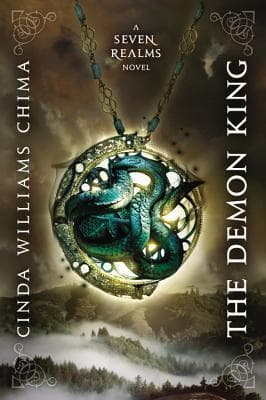
Cinda Williams Chima (2009)
Genre
Fantasy / Young Adult / Romance
Reading Time
600 min
Key Themes
See below
Sign in to track this book
A former thief, marked by mysterious silver cuffs, and a rebellious princess heir find their lives tied to a dangerous ancient amulet as their world nears a magical war between clans and powerful wizards.
Han Alister, known as 'Cuffs' because of the silver bands on his wrists, lives with his sister Mari and mother in the slums of Fellsmarch. He left his life as a streetlord and now does odd jobs. One day, while looking for food on Hanalea's sacred mountain with his friend Dancer, they find three young wizards—Micah Bayar, Gareth Bayar, and Will—setting the forest on fire. In a confrontation, Han takes a valuable amulet from Micah. This act against the powerful Bayar family starts a dangerous series of events, as the amulet is a relic of dark power, hinting at a past Han knows nothing about.
Princess Raisa ana'Marianna, heir to the Fells, returns to the capital of Fellsmarch after three years living among the clans in the mountains. She values the freedom and connection to the land she found there, especially with the Gray Wolf clan. Back at court, she finds royal life restrictive, full of political games and the expectation of an arranged marriage to Lord Garet, a powerful wizard and son of the High Wizard Bayar. Raisa resists her mother Queen Marianna's plans, wanting to rule fairly and follow Queen Hanalea, rather than be used in a political alliance.
Han learns the amulet he took from Micah Bayar is not ordinary. Through his mentor, the witch Cat, he finds out it belonged to the legendary Demon King, a powerful wizard who almost destroyed the world a thousand years ago. The amulet focuses dark magic, and having it makes Han a target. The Bayars, wanting to get it back, use their power to hunt him and his family. Han realizes the amulet's power is dangerous, and he must protect his loved ones from the ruthless wizard family.
Raisa attends court events, enduring Lord Garet's unwanted attention and the Bayar family's schemes. She suspects the Bayars are trying to weaken her mother's rule and gain more power. Raisa talks to her loyal guard, Amon, and seeks advice from her tutor, Master Symon. She sees the growing tension between the ruling wizards and the mountain clans, a gap she hopes to close as queen. She also starts to question the official history of the Demon King and Queen Hanalea, sensing there is more to the story.
The Bayars' pursuit of Han becomes constant. They frame him for crimes, making him an outlaw, and put his family in danger. Forced to leave their home in Fellsmarch, Han, Mari, and Dancer flee into the mountains. Their journey is risky, as they must avoid the Bayars' magic tracking and the dangers of the wild. Han uses his quick thinking and street smarts to protect his loved ones, all while dealing with the mysterious power of the Demon King's amulet, which seems to have a will of its own.
Raisa, against her mother's wishes, travels to the annual clan gathering at the Spirit Mountains. This tradition is important for the clans, and Raisa believes she needs to connect with her future subjects. There, she observes the clan leaders, including the Gray Wolf clan, and sees their customs and concerns. She also meets Han Alister, disguised and on the run, though she does not recognize him from their earlier brief meeting. The gathering shows the deep divide between the Crown and the clans, and Raisa feels a growing duty to bridge it.
During their separate travels through the mountains, Han and Raisa's paths cross several times, sometimes without them knowing. Han, still pursued by the Bayars, watches the princess and her group. Raisa, on her journey to and from the clan gathering, develops a greater appreciation for the mountain people's independence. Though they come from different worlds, their shared experiences in the wilderness, facing similar dangers and political plots, subtly bring them closer, hinting at a connection beyond their social standing.
The Bayars finally trap Han and capture him. He is taken back to Fellsmarch for a public execution for his alleged crimes, a move meant to warn anyone who defies the wizards. Raisa, seeing the injustice and recognizing the man from the mountain, feels she must act. She uses her royal power to intervene, demanding a trial for Han instead of an immediate execution. This bold public act further strains her relationship with her mother and the Bayars, but earns her the respect of the common people and Han himself.
Han's trial becomes a political battleground. The Bayars try to paint him as a dangerous criminal and a dark wizard, while Raisa and her allies try to show the Bayars' true motives and the amulet's nature. During the trial, the amulet's power is accidentally revealed, confirming its link to the Demon King. Han's mysterious silver cuffs also react, hinting at a deeper, unknown connection to magic. The trial, though not fully conclusive, reveals the Bayars' desire for power and the potential for a larger conflict.
Despite Raisa's help, Han stays imprisoned and in danger from the Bayars. With the help of his friends and unexpected allies, he escapes. Realizing the Bayars threaten him and the stability of the Fells, Raisa seeks out Han. They form an alliance, seeing they have a common enemy. This partnership between the street-wise former thief and the determined princess sets the stage for a confrontation with the powerful Bayar family and a deeper look into the ancient magic of the Demon King.
As Han and Raisa work together, they learn more about the Demon King and Queen Hanalea. They find that the official story, spread by the wizards, is incomplete or made up. The Demon King was not just an evil sorcerer, and Queen Hanalea's victory was more complex than a simple win of good over evil. The amulet and Han's cuffs are key pieces in a larger magical puzzle, hinting at an ancient power struggle and a hidden lineage that connects directly to Han, challenging everything they thought they knew about their world's history.
The Bayars, increasingly desperate to get the amulet back and gain power, increase their efforts. They manipulate political groups, cause trouble among the clans, and use dark magic. Their actions push the Fells closer to civil war, with the clans growing restless under the wizards' rule. Raisa works to unite her people and prepare for the coming conflict, while Han, now knowing about his own magical heritage and the amulet's power, realizes he must play a role in stopping the Bayars and protecting the realm.
The Protagonist
Han evolves from a street-level survivor to a leader who embraces his hidden magical heritage and takes on a pivotal role in defending the Fells.
The Protagonist
Raisa transforms from a rebellious princess into a decisive and politically astute leader, ready to fight for her kingdom's future.
The Antagonist
Micah's unchecked ambition and dabbling in dark magic lead him further down a path of corruption and destruction.
The Antagonist
The High Wizard's relentless pursuit of power and the Demon King's magic ultimately expose his tyrannical nature.
The Supporting
Dancer remains a steadfast friend, evolving from a street rogue to a trusted ally in a larger conflict.
The Supporting
Mari's experience with danger forces her to grow, revealing her own quiet courage.
The Supporting
Queen Marianna struggles to balance her royal duties with her personal feelings, learning to trust Raisa's judgment.
The Supporting
Amon remains a constant, loyal presence, his devotion to Raisa deepening as she faces greater challenges.
The Supporting
Garet's calculated pursuit of power is gradually revealed to be as dangerous as his brother's impulsiveness.
Both Han and Raisa deal with their expected identities and the future given to them. Han, the former streetlord, must accept his hidden magical heritage and the meaning of his silver cuffs, which link him to ancient powers. Raisa, as the princess heir, fights against the expectations of her royal role and an arranged marriage, wanting to make her own path as a ruler. Their journeys explore if birth or choices define who they are and what they achieve, especially when ancient prophecies and powerful items are involved. Han's mysterious cuffs and the Demon King's amulet are central to this theme, forcing him to face a past he never knew.
““It’s hard to change who you are. It’s even harder to change who people think you are.””
The novel clearly shows how power corrupts, especially through the Bayar family. The High Wizard Bayar and his sons, Micah and Garet, use their magic and political influence to control commoners, manipulate the court, and seek absolute power over the Fells. Their constant search for the Demon King's amulet shows their endless hunger for even greater, darker power. This theme highlights how unchecked power and a desire for control can lead to injustice, tyranny, and suffering, contrasting with Raisa's idea of fair rule and Han's experience with the vulnerable.
““Power. They wanted it all. They always did.””
The story reveals the deep prejudice and social classes within the Fells, particularly between the powerful wizard class and the commoners/mountain clans. Han, as a former streetlord, experiences the wizards' scorn and the unfairness of a system against the poor. Raisa, despite her royal status, understands the clans' difficulties and sees the injustice of the divide. The conflict between the Bayars and Han, and the Queen's effort to keep peace, are direct results of these social tensions. The story asks readers to consider the effects of such divisions and the importance of empathy and understanding across different social groups.
““The wizards saw themselves as above everyone else, especially us street rats.””
The Demon King explores the complexities of good and evil, questioning simple black-and-white stories. The legendary Demon King is first presented as purely evil, and Queen Hanalea as a clear hero. However, as Han and Raisa learn more about the past, they find that history, especially when written by winners, can be biased and incomplete. The amulet, a relic of the Demon King, has great power that can be used for both destruction and defense, suggesting that 'evil' often depends on intent and control rather than being an inherent quality. This theme promotes a deeper understanding of history and morality.
““History is written by the victors, and they don't always tell the whole truth.””
A powerful magical artifact that drives much of the plot and reveals ancient secrets.
The amulet, initially stolen by Han from Micah Bayar, is revealed to be a relic of the legendary Demon King. It possesses immense, dark magical power and is a focal point for the Bayars' ambition. Its presence in Han's possession makes him a target and forces him to confront the world of magic. The amulet acts as a MacGuffin, driving the Bayars' relentless pursuit, but also serves as a key to unlocking ancient history, revealing the true nature of the Demon King, Queen Hanalea, and Han's own mysterious connection to magic.
Mysterious, magical cuffs worn by Han since birth, hinting at his hidden lineage.
Han's silver cuffs are a constant enigma, growing with him but impossible to remove. They are clearly magical, reacting to powerful spells and the Demon King's amulet. These cuffs serve as a potent symbol of Han's unknown origins and a physical manifestation of his hidden magical potential. They function as a 'Chekhov's Gun,' introduced early in the narrative and hinting at a significant future revelation about Han's true identity and his connection to the ancient history of the Fells. They are a source of both mystery and potential power.
A political ploy for Raisa, creating conflict and highlighting her desire for independence.
Queen Marianna's insistence on Raisa's arranged marriage to Lord Garet Bayar is a significant plot device. It serves to highlight Raisa's rebellious spirit and her desire for self-determination, directly contrasting with the political machinations of the court. The marriage is a strategic move by the Queen to secure an alliance with the powerful wizard family, but it also underscores the Bayars' growing influence and their ambition to control the throne. This arrangement creates personal conflict for Raisa and acts as a constant source of tension between her and her mother, driving Raisa to seek her own path.
A symbolic location that sparks the initial conflict and represents ancient power.
The sacred mountain of Hanalea, where Han first confronts Micah Bayar, serves as more than just a setting. It is a symbol of the ancient history of the Fells, the legendary Queen Hanalea, and the connection between the land and its people, especially the clans. The wizards' attempt to burn it down is an act of desecration and a blatant disregard for clan traditions, immediately establishing their antagonistic nature. This initial conflict sets the entire plot in motion, intertwining Han's fate with the destiny of the Fells and the ancient magic tied to the mountain.
“There are some things you can't outrun, not even if you're the fastest man in the world.”
— Han Alister reflecting on his past and the consequences of his actions.
“Power doesn't corrupt. It reveals.”
— A philosophical thought on the nature of power, often attributed to Raisa's mentors or her own observations.
“Sometimes the best way to protect someone is to let them fight their own battles.”
— Raisa's internal struggle with her mother's overprotectiveness and her desire for independence.
“A leader must be willing to make difficult choices, even when those choices are unpopular.”
— A lesson Raisa learns about the responsibilities of royalty and leadership.
“Magic is not good or evil. It is a tool. The wielder determines its purpose.”
— A common understanding of magic in the world, often discussed by wizards or those knowledgeable about its nature.
“It's hard to be a hero when you're just trying to survive.”
— Han's perspective on his life, constantly on the run and struggling to make ends meet.
“You can't always choose your family, but you can choose your loyalties.”
— Han's relationship with his adopted family and his deep bond with them.
“The greatest battles are often fought within oneself.”
— Raisa's internal conflict between her duties as a princess and her personal desires.
“Sometimes, the smallest act of kindness can change a life.”
— A reflection on the impact of seemingly minor interactions between characters.
“Fear is a powerful motivator, but hope is stronger.”
— Characters facing overwhelming odds and finding strength in hope.
“Even a flicker of magic can ignite a fire.”
— Referring to the nascent magical abilities of some characters and their potential.
“The truth has a way of coming out, no matter how deeply buried.”
— Secrets and hidden histories slowly being revealed throughout the narrative.
“Love isn't always easy, but it's always worth fighting for.”
— The developing romantic relationships facing challenges and obstacles.
“A crown doesn't make a ruler. Character does.”
— A critique of born royalty versus earned leadership, often in Raisa's thoughts.
Ready to see how well you understood this book? Take our interactive quiz with 10 questions.
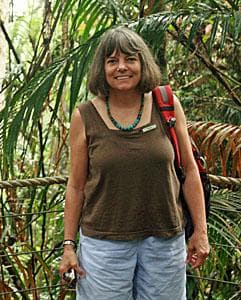
Cinda Williams Chima is a New York Times bestselling author of young adult fantasy novels. She is best known for her Seven Realms series, which includes "The Demon King" and "The Gray Wolf Throne," and her Heir series, featuring "The Enchanter Heir" and "Flamecaster." Chima's work is celebrated for its intricate world-building and compelling characters.







