BookBrief
The Decameron cover
Archivist's Choice

The Decameron

Giovanni Boccaccio (2003)

Genre

Historical Fiction

Reading Time

1500 min

Key Themes

See below

Track Your Reading

Sign in to track this book

Amidst the Black Death, ten Florentine youths retreat to the countryside, telling a hundred tales of love, lust, and life's unpredictable turns.

Synopsis

As the Black Death devastates Florence in 1348, seven young women and three young men escape the city to a secluded Tuscan villa. To pass the time and stay sane during their quarantine, they agree to a routine: each person tells one story per day for ten days, creating a collection of one hundred tales. These stories, ranging from witty and humorous to tragic, bawdy, and romantic, explore themes of love, fortune, human cleverness, desire, and deception. Through storytelling, the group creates a temporary, ideal world away from the plague's horrors, reflecting on human nature and values before returning to Florence when the immediate danger passes.
Reading time
1500 min
Difficulty
Medium
Pacing
Variable
Mood
Witty, Humorous, Reflective, Bawdy, Romantic, Tragic
✓ Read this if...
You enjoy classic literature, collections of short stories, or want to explore medieval life and human nature through a diverse set of narrative voices. Perfect if you appreciate wit, satire, and tales that range from the deeply moral to the delightfully irreverent.
✗ Skip this if...
You prefer a single, continuous plotline, are easily offended by bawdy humor or frank discussions of sexuality, or dislike episodic structures.

Plot Summary

The Flight from Florence

In the summer of 1348, as the Black Death devastates Florence, seven young noblewomen—Pampinea, Fiammetta, Filomena, Emilia, Lauretta, Neifile, and Elisa—gather in the deserted church of Santa Maria Novella. Seeing the plague's horrors and the breakdown of society, Pampinea suggests they go to a country estate to escape the sickness and keep their civility. Three young men—Panfilo, Filostrato, and Dioneo—soon join them. The ten decide to form a group and travel to a beautiful villa in the Fiesole hills, seeking comfort and distraction from the city's grim reality.

Establishing the Rules and the First Day

At their first villa, the ten young people agree to a structured routine to maintain order and enjoyment. Pampinea is chosen as the first queen for the day. She decides that after their midday meal and rest, they will gather to tell stories. Each person will tell one story, and the day's ruler will choose the theme. This ritual is meant to provide entertainment, moral thought, and a sense of normalcy during their extraordinary situation. The first day's stories, under Pampinea's rule, have no specific theme, allowing for a varied initial collection.

Day Two: Tales of Fortune and Unforeseen Events

Filomena is elected queen for the second day. She sets the theme for the stories: people who, after suffering various misfortunes, find happiness beyond their hopes. This theme allows for stories with dramatic twists, unexpected changes of fortune, and individuals overcoming difficult problems. Characters in these tales often rely on luck, cleverness, or divine help to navigate dangerous journeys, mistaken identities, and false accusations, eventually finding peace and contentment. Examples include Alatiel's incredible journey and Rinaldo d'Asti's encounter with thieves and a kind widow.

Day Three: Ingenuity and Desire

Neifile becomes queen for the third day, proposing stories about people who, with great effort, get something they wanted or recover something they had lost. Many of these tales involve love and lust, showing characters who use cunning, deception, and elaborate plans to satisfy their desires, often at the expense of unsuspecting husbands or guardians. The stories highlight human resourcefulness and the pursuit of personal satisfaction, sometimes blurring moral lines. Notable tales include Masetto da Lamporecchio pretending to be mute to become a gardener in a convent and a woman's clever tricks to enjoy her lover's company.

Day Four: Tragic Love

Filostrato, whose name means 'vanquished by love,' is chosen as king for the fourth day. He decrees that the stories should be about love affairs that end sadly. This day shifts to more serious and tragic stories, exploring the darker sides of passion, jealousy, and social restrictions. Tales often feature lovers separated by circumstance, betrayed by rivals, or dying early due to their forbidden affections. The most famous story from this day is Ghismonda's, who, after her lover Guiscardo's execution by her father, poisons herself in an act of defiant love.

Day Five: Happy Endings After Trials

Fiammetta, chosen as queen for the fifth day, sets the theme: lovers who, after some terrible or unlucky event, are finally happily reunited. This day counters the previous day's tragedies, focusing on resilience, endurance, and love's eventual triumph. Characters face separation, misunderstanding, or outside opposition but ultimately find their way back to each other, often through luck or their own determined efforts. The stories confirm love's power to overcome trouble and offer a more optimistic view of romantic relationships, such as Federigo degli Alberighi's sacrifice leading to unexpected union.

Day Six: Quick Wit and Clever Replies

Elisa is queen for the sixth day, and her theme is about people who, with a witty saying, have avoided an attack, danger, or ridicule, or otherwise saved themselves. These stories emphasize intellect, quick thinking, and verbal skill. Characters, often in difficult social situations, use their sharp minds and eloquent speech to outsmart opponents, deflect criticism, or get out of embarrassing situations. The tales are often funny and show the value placed on intelligence and social grace in Boccaccio's world, such as Chichibio's quick retort about the crane's single leg.

Days Seven and Eight: Cunning and Deception

Dioneo, known for his honesty, is king for the seventh day and dictates stories about wives who, for love or self-preservation, play tricks on their husbands, whether or not the husbands find out. These tales are often bawdy and disrespectful, showing female action and cleverness in getting around male control. Lauretta, as queen for the eighth day, continues this theme, with stories about men and women who trick each other. These days highlight the complex dance of deception and desire in relationships, often with a comedic and sometimes cynical tone, such as Peronella hiding her lover in a tub.

Day Nine: Free Choice of Subject

Emilia is chosen as queen for the ninth day, and she opts for a day where everyone can tell a story on any subject they wish. This freedom allows for a wide variety of stories, showing the diverse interests and storytelling talents of the group members. The tales range from moral fables to humorous anecdotes, further demonstrating Boccaccio's skill with different narrative styles and themes. It provides a moment of creative freedom before the final day, allowing for a more relaxed and varied collection of stories, reflecting the growing comfort and friendship among the storytellers.

Day Ten: Magnanimity and Generosity

Panfilo, elected king for the tenth and final day, sets the theme for stories: those who have performed a generous or great deed, either in love or otherwise. This day is a grand finale, focusing on acts of nobility, self-sacrifice, and moral excellence. The tales emphasize the highest human virtues, showing characters who demonstrate remarkable generosity, forgiveness, and integrity, often in challenging situations. The most famous story from this day is Griselda's, a peasant woman who endures extreme tests of patience and obedience from her husband, the Marquis Gualtieri, to prove her virtue, a tale that sparks much debate among the company.

The Return to Florence

After ten days in their ideal country retreat, telling a hundred stories and enjoying each other's company, the group decides it is time to return to Florence. They have successfully protected themselves from the plague's immediate dangers and maintained their civility and moral compass through their structured routine and shared stories. The return signals a careful re-engagement with the world, though the plague still looms. Their experience has formed strong bonds and provided a rich collection of human experience through the stories, offering both escape and a deeper understanding of life's complexities.

Principal Figures

Pampinea

The Protagonist, Leader

Pampinea maintains her role as a guiding, stabilizing force, ensuring the group's well-being and the continuation of their storytelling tradition.

Dioneo

The Protagonist, Storyteller

Dioneo consistently provides a counterpoint to the group's more reserved members, championing a more earthly and often transgressive perspective.

Filostrato

The Protagonist, Storyteller

Filostrato's character remains consistent in his somewhat somber outlook on love, influencing the thematic direction of the storytelling on his day.

Fiammetta

The Protagonist, Storyteller

Fiammetta consistently contributes to the group's aesthetic and romantic sensibilities, providing tales of enduring love and beauty.

Panfilo

The Protagonist, Storyteller

Panfilo consistently embodies wisdom and moral uprightness, culminating in his choice of theme for the final day, which emphasizes virtue.

Elisa

The Protagonist, Storyteller

Elisa consistently contributes narratives that emphasize the power of intellect and quick wit in overcoming challenges.

The Black Death

The Antagonist, Setting Element

The Black Death's initial devastation drives the plot, and its continued presence as an external threat frames the entire narrative without undergoing any 'development' itself.

Griselda

The Mentioned, Exemplar

Griselda's character is presented as a static ideal of patience and virtue, serving as a didactic example within the story.

Themes & Insights

The Power of Storytelling

Storytelling is a vital coping mechanism and a way to bring order and meaning to a chaotic world. Sharing tales allows the group to escape the grim reality of the plague, maintain their civility, and reflect on human experience. Each story offers a different view on life, love, and morality, together forming a rich collection that both entertains and teaches. The stories become a small representation of society, offering lessons, warnings, and celebrations of human cleverness and resilience.

“Let us provide for our own safety, and pass our time in such pleasures and diversions as may be suitable to our present circumstances, without in any wise transgressing the bounds of reason.”

Pampinea

Fortune vs. Human Ingenuity

Many stories explore the connection between unpredictable fortune (fortuna) and human cleverness or effort (industria). Characters often find themselves in bad situations due to fate, but their ability to use their wit, intelligence, and resourcefulness determines their final outcome. While some tales highlight the random nature of luck, others celebrate the human ability to overcome problems through cleverness and determination. This theme reflects a Renaissance view that values individual action even when facing powerful outside forces.

“For many things which appear to us to be evil, are in reality good; and many which appear to us to be good, are in reality evil.”

Narrator

Love and Desire

Love, in its many forms, is a central and common theme. *The Decameron* explores romantic love, courtly love, forbidden affairs, and the strong power of sexual desire. The stories show both the joys and sorrows of love, its ability to elevate and degrade, and its power to drive individuals to great heroism or profound foolishness. There is an open and often bawdy exploration of human sexuality, contrasting with more idealized ideas of love, and challenging traditional moral views on marital faithfulness and social propriety.

“Love, if it be not accompanied by desire, is merely friendship.”

Dioneo

The Breakdown and Reconstruction of Social Order

The plague causes the collapse of established social norms and moral codes in Florence. The group's retreat to the countryside and their self-imposed rules are an attempt to rebuild a civilized society, though on a smaller scale. Their structured days, democratic leadership, and focus on polite discussion and entertainment are a deliberate effort to counteract the chaos and moral decay they saw in the city. This theme highlights the fragility of social structures and the human need for order and community, even during a crisis.

“Seeing that the laws of God and man were silent, it was permitted to everyone to do as he pleased.”

Narrator (describing Florence during the plague)

Plot Devices & Literary Techniques

Frame Narrative

A story within a story, where the main narrative provides a context for a series of smaller tales.

The Decameron employs a classic frame narrative structure. The overarching story is that of the ten young Florentines who flee the Black Death and retreat to a country villa. This 'frame' narrative sets the scene, introduces the characters, and establishes the rules for their daily interactions. Within this frame, the 100 individual stories are told over ten days. This structure allows Boccaccio to present a vast array of human experiences and character types, while also providing a unifying context and a sense of purpose for the storytelling.

Didacticism through Exempla

Stories used as examples to illustrate moral points, behaviors, or consequences.

Many of the tales in The Decameron function as exempla, or examples. While not always strictly moral in the traditional sense, they often illustrate a particular human trait, consequence of an action, or a point about fortune or ingenuity. The brigata members often discuss the 'lessons' or implications of the stories, even if those lessons are sometimes ambiguous or challenge conventional morality. This device allows Boccaccio to explore complex ethical questions and human behaviors through concrete narratives, inviting the reader to reflect on the stories' broader meanings.

Thematic Days

Each day of storytelling is assigned a specific theme by the day's elected ruler.

A key organizational device is the assignment of a specific theme for the stories told on most of the ten days. For example, one day focuses on unhappy love, another on clever retorts, and another on acts of generosity. This thematic structure provides variety and intellectual coherence to the collection of tales. It challenges the storytellers to adapt their narratives to a given subject, showcasing their versatility, and allows Boccaccio to explore different facets of human experience systematically, moving from tragedy to comedy, from misfortune to triumph.

Critical analysis

Notable Quotes

And how many times, do you think, did it happen that a woman, either to avoid the shame of being discovered in her sin, or to prevent her husband from finding out about it, would take a lover into her house and keep him there for days without the knowledge of anyone but herself?

A reflection on the cleverness and secrecy employed by women in their affairs, often to the husband's ignorance.

Let those who wish to live in peace and quiet and to avoid the troubles of the world, withdraw from it and live by themselves, and let them not meddle in the affairs of others.

A character's advice on how to live a peaceful life, avoiding societal entanglements.

It is better to do well and be silent than to speak well and do ill.

A general proverb reflecting on the importance of actions over words.

Many a man has been ruined by his own folly, and many a woman has been saved by her own wit.

A common observation throughout the tales, highlighting the contrast between male foolishness and female ingenuity.

For in truth, love is a mighty master, and makes men do things that they would never do otherwise.

A general statement about the powerful influence of love on human behavior.

There is no more certain sign of a base and ignoble mind than to be always finding fault with others.

A condemnation of constant criticism and judgment of others.

And so, having spent the day in these pleasant discourses, and having supped with much cheer, they returned to their beds, well content with their day's entertainment.

A recurring closing line or sentiment, describing the end of a day of storytelling during the plague.

For it is not the habit, but the heart, that makes the monk.

A tale where outward appearance or profession is contrasted with inner character and true intentions.

Nature, which is a most excellent mistress, teaches all creatures to preserve their lives.

A character's observation on the innate drive for self-preservation, especially relevant during the plague.

He who thinks he is wise, and is not, is a fool.

A simple yet profound statement about self-awareness and the dangers of false wisdom.

No one should ever despair, for there is no evil that may not be overcome by patience and good counsel.

A message of hope and resilience in the face of adversity.

Many a time a man thinks he is doing good, when he is doing ill.

A reflection on the often-unintended consequences of actions, even when motivated by good intentions.

And thus, with a little wit and much boldness, he brought his purpose to a happy conclusion.

A summary of how a character successfully achieved their goal through cleverness and courage.

For it is often seen that those who are most eager to find fault with others have the most faults themselves.

A common observation on the hypocrisy of those who are quick to criticize.

Quiz

Test Your Knowledge

Ready to see how well you understood this book? Take our interactive quiz with 10 questions.

10
Questions
~5
Minutes
?
Best Score

Key Questions (FAQ)

The Decameron follows ten young Florentines—seven women and three men—who flee to a secluded villa in the countryside to escape the devastating Black Death plaguing Florence in 1348. To pass the time and maintain their spirits, they agree to tell one story each day for ten days, resulting in a collection of one hundred tales.

About the author

Giovanni Boccaccio

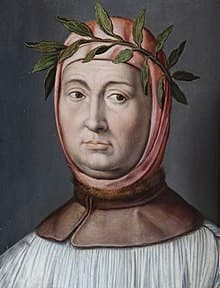
Giovanni Boccaccio was an Italian writer, poet, correspondent of Petrarch, and an important Renaissance humanist. Born in the town of Certaldo, he became so well known as a writer that he was sometimes simply known as "the Certaldese" and one of the most important figures in the European literary panorama of the fourteenth century. Some scholars define him as the greatest European prose writer of his time, a versatile writer who amalgamated different literary trends and genres, making them converge in original works, thanks to a creative activity exercised under the banner of experimentalism.