“The darkness was like a blanket, soft and heavy, but full of unseen things.”
— Ellie describes the night during the early days of the invasion.

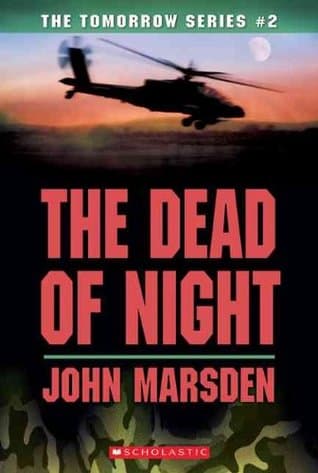
John Marsden (1997)
Genre
Fantasy / Children's / Mystery / Young Adult
Reading Time
264 min
Key Themes
See below
Sign in to track this book
During an alien invasion that turned their world into a warzone, Ellie and her friends must become resourceful fighters, risking everything to rescue captured comrades and defy an unseen enemy.
Months after the invasion, Ellie Linton and her friends – Corrie, Kevin, Homer, Fi, and Robyn – live in the bush. They formed a survival group and set up a hidden camp, using their wits and scavenged supplies. The initial shock gave way to a grim routine of survival and constant watch against the unknown enemy in Wirrawee. Their families are unreachable, and the group worries about their loved ones. Ellie, as the leader, feels pressure to keep everyone safe and hopeful.
One day, Corrie and Kevin go on a scouting mission into Wirrawee to find information and news of their families. They are supposed to return by nightfall, but as darkness comes, there is no sign of them. The remaining group – Ellie, Homer, Fi, and Robyn – grows anxious. Ellie is torn between waiting and acting, knowing every hour increases Corrie and Kevin's danger. The night's silence is filled with their unspoken fears, and they realize their friends are likely captured.
With Corrie and Kevin missing, Ellie feels guilty and unsure. Homer, surprisingly, takes charge. Despite his earlier reputation as wild, he says they must go into Wirrawee to rescue their friends. Fi and Robyn doubt Homer's leadership, questioning his judgment for such a dangerous mission. But Homer's newfound seriousness and conviction eventually persuade them. Ellie, seeing his determination and the urgency, agrees to let him lead the risky operation, knowing the stakes are high.
Under Homer's lead, the four friends – Homer, Ellie, Fi, and Robyn – head back towards Wirrawee. They move quietly through familiar land that now feels strange and dangerous. The town is quiet, patrolled by enemy soldiers, and every shadow seems to hide a threat. They watch enemy movements, gathering information for their rescue. Seeing their occupied homes and realizing how much their lives changed fuels their resolve, but also increases their fear and anger.
While moving through Wirrawee, the group has a tense encounter with an enemy patrol. Their stealth is almost broken, forcing them to hide and use their wits to avoid being seen. Homer's quick thinking helps them evade the soldiers. This close call reminds them of the constant danger and confirms Homer's role as a capable leader. It also makes the others trust his instincts more, as their lives depend on it.
The group finds that the Wirrawee Showgrounds are a makeshift prison camp. From a distance, they see the conditions and confirm Corrie and Kevin are among the captives. Seeing their friends, thin and clearly upset, strengthens their resolve. They also see other familiar faces from Wirrawee, realizing the enemy's operation is large. The problem now is not just finding their friends, but planning to get them out of a heavily guarded place, a much harder task than they first thought.
Homer, with Ellie's help, creates a bold and risky rescue plan. It involves making a diversion to pull enemy soldiers away from the showgrounds, giving them a chance to get in and free Corrie and Kevin. The plan includes using explosives and setting fires to create maximum chaos. The group understands the danger, knowing failure means their own capture or worse. Despite fear, they commit to Homer's strategy, driven by loyalty to their friends and hope for freedom.
The night of the rescue, the group acts. Homer and Ellie set off explosives at a key spot, creating a loud blast through the town. At the same time, Fi and Robyn start fires in strategic areas, increasing the confusion. The town fills with noise, light, and panic as enemy soldiers rush to respond. The diversion works, pulling many guards away from the showgrounds, creating the window of opportunity they need.
Using the chaos, Homer, Ellie, Fi, and Robyn enter the showgrounds. They move quickly and silently, avoiding the remaining guards. They find Corrie and Kevin and quickly explain the situation. The reunion is short and intense, filled with relief and urgency. They try to free Corrie and Kevin, but the process is dangerous, with constant threat of discovery. Seeing their friends in such a state, combined with the mission's pressure, affects them deeply.
During the escape from the showgrounds, the group meets unexpected resistance. In the struggle, Corrie is shot and badly wounded. Kevin, though shaken, helps carry her. The group makes a harrowing escape under fire, their rescue turning into a desperate fight for survival. They get Corrie out of the showgrounds and back to the relative safety of the bush, but her condition is critical, overshadowing their partial victory. The joy of the rescue is replaced by fear for Corrie's life.
With Corrie bleeding heavily and barely conscious, the group starts a desperate journey back to their hidden camp. They move as fast as possible, but every step is painful, both physically and emotionally. Kevin is devastated, blaming himself for Corrie's injury, while Ellie and Homer try to keep everyone focused on getting her help. Fi and Robyn do their best to give first aid. Sounds of enemy patrols in the distance add to their urgency, knowing they are not yet safe.
Back at camp, Corrie's condition worsens. Her wound is severe, and they lack medical supplies and knowledge to save her. In a desperate move, they decide to take Corrie to a remote farm where they know a kind, elderly couple might help, despite the risk. But upon arrival, it is clear Corrie's injuries are too severe. The couple, with heavy hearts, confirms Corrie is beyond help. The group faces the heartbreaking reality of her coming death.
Surrounded by her friends, Corrie slowly dies. The group feels deep grief and helplessness as they watch their friend's life end. Each member deals with their sorrow, remembering happier times. Ellie, especially, feels the weight of leadership and the pain of losing someone she loves. It is a moment of tragedy and loss, confirming the harsh reality of their war-torn life and the high cost of their fight.
After Corrie's death, the group buries her in a quiet, secluded spot, marking her grave with simple stones. The act is somber, a silent sign of their shared pain and the permanent scar left by the invasion. Losing Corrie strengthens their resolve. While grieving, they also feel a renewed purpose and defiance. They vow to continue their fight, not just for survival, but to avenge Corrie and reclaim their lives and country. The tragedy solidifies their bond and commitment.
With Corrie gone, the remaining five friends – Ellie, Homer, Kevin, Fi, and Robyn – are changed. Their innocence is shattered, replaced by grim determination. They understand their fight is not over and more sacrifices may be needed. Homer, having shown his leadership, continues to grow in his role. Ellie, despite her grief, remains the emotional center and strategic thinker. They begin to plan their next moves, knowing their resistance must become more organized to have any hope against the enemy.
The Protagonist
Ellie transforms from a bewildered teenager into a hardened, decisive leader, grappling with the heavy emotional toll of war and loss while maintaining her humanity.
The Supporting, then co-leader
Homer evolves from an impulsive troublemaker into a capable, strategic, and respected leader, demonstrating surprising maturity and courage.
The Supporting
Corrie, a grounded and brave friend, tragically becomes a casualty of the war, her death serving as a catalyst for the group's deeper commitment to resistance.
The Supporting
Kevin, initially fearful and reliant on Corrie, endures capture and her tragic death, forcing him to confront his inner strength and loyalty.
The Supporting
Fi, initially sheltered and sensitive, learns to adapt to the brutal realities of war, finding courage and resilience despite her fears.
The Supporting
Robyn maintains her moral compass and physical strength amidst the chaos, using her faith to navigate the increasingly dark realities of war.
The main theme is the sudden end of childhood for Ellie and her friends. They must leave school, family, and normal life to face war, violence, and death. The change from carefree teenagers to hardened survivors is clear in their actions, thoughts, and darkening experiences. Corrie's death, especially, marks a deep and permanent loss of innocence, forcing them to face the ultimate cost of their resistance.
“We were not kids anymore. Not really. The war had taken that from us, along with everything else.”
The novel explores how courage appears in different ways and how unexpected leaders rise in a crisis. Ellie, despite her fears, takes on leadership through her empathy and strategic thinking. Homer, initially seen as a troublemaker, surprises everyone by showing decisive leadership during the rescue. The book shows that courage is not the absence of fear, but acting despite it, and that leaders can come from unexpected people.
“He wasn't the brightest bulb, but when the chips were down, Homer was the one who shone.”
The story centers on the group's struggle to survive in a hostile environment. They learn to live off the land, find supplies, and adapt to constant danger. Their ability to quickly learn new skills – from setting traps to planning military operations – shows human resilience. This theme is clear in their hidden camp, their resourcefulness in finding food and shelter, and their planning for the rescue, always adjusting to new threats.
“We were learning fast. The bush was our home now, and we had to know its secrets to survive.”
The strong bond between the friends is central to the story. Their loyalty to each other drives their most dangerous actions, especially the rescue mission for Corrie and Kevin. Despite individual fears and disagreements, they always prioritize each other's safety. This theme is strongly shown by their shared grief after Corrie's death and their vow to keep fighting together, reinforcing that their strength is in their unity and commitment.
“We were a family now, bound by blood, fear, and the sheer impossibility of our situation.”
The novel shows the harsh nature of war, especially its impact on civilians and young people. It does not avoid showing violence, loss, and psychological trauma. Corrie's capture, injury, and death are a clear reminder of war's devastating effects, showing that even the innocent are not spared. The constant threat, displacement, and emotional toll on the characters highlight the suffering and moral compromises that war demands.
“War wasn't a game. It was ugly, it was cruel, and it didn't care who you were.”
Provides an intimate, subjective perspective of the war.
The story is told entirely from Ellie's perspective, offering a deeply personal and emotional account of the invasion. This device allows the reader to experience the fear, confusion, grief, and moments of courage directly through her eyes. It emphasizes the psychological impact of war on a young mind and makes her reflections on morality and leadership particularly poignant. The subjective nature of the narration also creates suspense, as the reader only knows what Ellie knows, mirroring her own uncertainty.
Symbolizes refuge, independence, and the group's new identity.
The hidden camp in the bush serves as the group's sanctuary and operational base. It represents their independence from the occupied world and their adaptation to a new, wilder way of life. It's a place of relative safety, but also a constant reminder of their displacement and isolation. The camp symbolizes their resourcefulness and their ability to forge a new home amidst chaos, while also highlighting their vulnerability should it be discovered by the enemy.
Transforms a familiar, innocent space into a symbol of occupation and oppression.
By turning the Wirrawee Showgrounds, a place associated with community events and childhood memories, into a prison camp, the author creates a powerful symbol of the enemy's complete control and the subversion of everyday life. This transformation heightens the emotional impact of the rescue mission, as the characters are forced to confront the desecration of their past. It underscores the profound loss of their former lives and the brutal reality of their occupied hometown.
A classic military strategy used by the untrained group, highlighting their ingenuity.
The use of explosives and fires to create a diversion for the rescue mission is a key plot device that showcases the group's increasing tactical sophistication. It demonstrates Homer's emerging strategic mind and the group's willingness to take calculated risks. This device builds immense tension during the planning and execution phases and highlights their transformation from ordinary teenagers into guerrilla fighters capable of complex operations, even if imperfectly executed.
“The darkness was like a blanket, soft and heavy, but full of unseen things.”
— Ellie describes the night during the early days of the invasion.
“We were learning that there were no rules anymore. Only what you could get away with, and what you couldn't.”
— Reflecting on the breakdown of society and moral boundaries.
“It’s amazing how quickly you can get used to things. Even terrible things.”
— Ellie observing their adaptation to the harsh new reality.
“The silence wasn't empty, it was full of danger.”
— Describing the oppressive quiet they often encountered.
“Sometimes you just had to do things that made your stomach churn and your hands shake, because if you didn't, someone else would die.”
— Ellie grappling with difficult decisions and violent actions.
“We were still kids, but we were doing grown-up things. Things no kid should ever have to do.”
— Reflecting on their lost innocence and forced maturity.
“Fear was a constant companion, a cold hand on your shoulder.”
— Describing the pervasive sense of dread they lived with.
“The worst thing about the war wasn't the fighting, it was the waiting. The not knowing.”
— Ellie discussing the mental toll of uncertainty.
“Every time we made a plan, it felt like we were tempting fate.”
— The group's apprehension about their limited control over events.
“We were ghosts haunting our own lives, living in the shadows of what used to be.”
— A poignant reflection on their altered existence and loss.
“The line between right and wrong was blurred, smudged by desperation and survival.”
— Ellie contemplating the moral compromises they had to make.
“Hope was a dangerous thing, but it was also the only thing that kept us going.”
— Discussing the double-edged sword of maintaining hope in dire circumstances.
“You never knew what tomorrow would bring. Or if there would even be a tomorrow.”
— A stark reminder of the constant peril and uncertain future.
“We didn't have much to lose anymore, which meant we had everything to gain.”
— A paradoxical thought on their desperate situation, finding strength in having nothing left.
Ready to see how well you understood this book? Take our interactive quiz with 10 questions.

Biography coming soon.







