“The thing about being a teenager is that you think you're invincible. You think you're going to live forever. And then something like this happens.”
— Early in the outbreak, as the characters begin to grasp the reality of the situation.

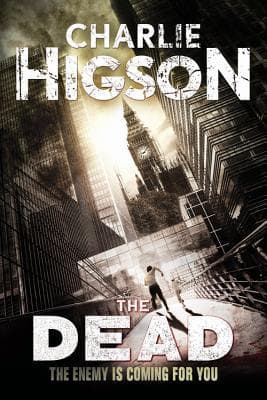
Charlie Higson (2010)
Genre
Literary Fiction
Reading Time
10-12 hours
Key Themes
See below
Sign in to track this book
In a London devastated by a zombie virus that only affects adults, a group of teens, including best friends Jack and Ed, must navigate betrayal, dwindling hope, and the terrifying threat of their zombified elders, all while questioning the true motives of the lone adult who claims immunity.
The story begins with Jack and Ed, two teenage boys, trapped in a hospital overrun by infected adults, called 'grown-ups' or 'sickos'. They escape the chaotic scene, moving through blood-soaked corridors and avoiding the rabid, flesh-eating adults. During their desperate flight, they meet a small, varied group of other young survivors, including the resourceful Penny and the quiet, observant Freddie. This initial escape sets the tone for their dangerous journey, showing the constant threat from the infected and the immediate need for teamwork among the kids. They quickly realize that survival means relying on each other in this new, terrifying world.
After their hospital escape, Jack and Ed, along with Penny and Freddie, meet several other kids. This group includes the tough but caring Brooke, the tech-savvy Harry, and the younger, more vulnerable Ella and Liam. They also find Greg, an adult butcher who seems uninfected and says he is immune to the virus. Greg's presence causes suspicion within the group, as adults are feared. Despite their doubts, Greg's knowledge of the city and his practical skills, especially with weapons and survival, make him a valuable, if unsettling, addition. The group's dynamic immediately becomes complex, balancing trust with the constant danger of the grown-ups.
With Greg leading, the group starts a dangerous journey across London. Their main goal is to find a safe location, away from the swarms of 'sickos' and other aggressive groups of children. They travel through deserted streets, abandoned shops, and ransacked homes, looking for food, water, and supplies. This journey has many close calls and frightening encounters with the infected, forcing the kids to quickly learn survival skills and defensive tactics. Greg's leadership is tested as he makes difficult decisions, sometimes at the expense of the group's comfort, but always with their safety in mind. They see firsthand the widespread devastation and the complete collapse of society.
During their travels, Jack's group often meets other groups of uninfected children. These meetings are rarely peaceful, as resources are scarce and trust is rare. They face aggressive gangs, such as the Holloway crew, who are territorial and ruthless. These confrontations often turn into tense standoffs or violent fights, forcing Jack, Ed, Brooke, and even Greg to fight for their lives and protect the younger members. These interactions show the harsh reality of their new world, where even children have become hardened survivors, willing to use violence to protect their own or get what they need. Friendships are tested and new alliances form and break.
After facing many dangers, the group finds a large, abandoned department store, which they decide to fortify and use as a temporary base. The store has multiple levels, potential hiding spots, and many goods that can be used for survival. Greg, with his practical skills, organizes the barricading of entrances and the establishment of lookouts. This period offers a brief break from constant movement and immediate danger, allowing the children to rest, check their supplies, and process the trauma they have experienced. However, the feeling of security is fragile, as the large number of infected adults outside remains a constant threat, always testing their defenses.
Life in the department store has its challenges. Personalities clash, especially between the more aggressive Brooke and the cautious Penny. Jack and Ed's friendship is strained under the immense pressure, with Ed often questioning Jack's decisions and willingness to follow Greg. Greg's adult status continues to cause mistrust among some of the children, especially as he makes difficult, sometimes harsh, decisions for the group's safety. These internal conflicts highlight the psychological impact of their situation, as the children struggle to adapt to a world without adult guidance and the constant threat of death. They learn that survival is not just about fighting 'sickos', but also about managing human relationships.
Their temporary sanctuary is eventually discovered by a vast horde of 'sickos'. The fortified department store becomes a battleground as the children and Greg fight desperately to defend their position. The sheer number of infected adults puts immense pressure on their defenses, leading to terrifying close-quarters combat and near-overruns. This siege is a critical moment, forcing every member of the group to face their fears and fight for their lives. The children see the full, terrifying power of the virus and the relentless nature of the infected, making them realize that no place is truly safe for long.
During the relentless attack on the department store, the group suffers devastating losses. Some of the younger, more vulnerable children are overrun, and even some of the tougher members are gravely injured or killed. These casualties are a stark reminder of the brutality of their new reality and the high cost of survival. The deaths deeply affect the remaining survivors, forcing them to face grief and the harsh truth that they will not all make it. Greg, despite his efforts, cannot protect everyone, and his own immunity comes under scrutiny as the siege continues. The emotional toll on Jack and Ed, who see their companions die, is immense.
With their defenses crumbling and the department store completely overrun, the remaining survivors, led by Greg and the more capable teenagers, are forced to make a desperate escape. They use their knowledge of the store's layout and a combination of stealth and force to break through the horde of 'sickos'. This escape is chaotic and dangerous, requiring quick decisions and acts of bravery. They leave behind the bodies of their fallen comrades and the ruins of their temporary home, carrying only what they can and the heavy burden of their losses. The escape reinforces the idea that constant movement and adaptability are key to survival.
After escaping the department store, the much smaller group is left to wander the desolate streets of London once more. The experience has hardened them, but also left them deeply traumatized. Jack and Ed, though still friends, are changed by the horrors they have witnessed. Greg's immunity and leadership are seen with a mix of gratitude and lingering suspicion. They realize that a permanent sanctuary may not exist in this world. The story ends with the group, though battered and bruised, continuing their relentless search for safety, their future uncertain but their will to survive unbroken. The fight is far from over, and the threat of the 'sickos' remains constant.
The Protagonist
Jack evolves from a typical teenager to a hardened survivor and a natural leader, learning to make tough choices for the group's survival.
The Protagonist
Ed learns to overcome his fears and trust his own instincts, though he remains more sensitive to the group's emotional well-being.
The Supporting
Greg maintains his enigmatic nature, proving his worth through action while never fully earning the children's trust.
The Supporting
Brooke hones her combat skills and learns to channel her aggression into protecting her new family.
The Supporting
Penny grows more confident in voicing her strategic ideas and becomes a key planner for the group.
The Supporting
Harry slowly gains confidence in his unique skills, finding his place despite his anxieties.
The Supporting
Ella remains largely a figure of innocence and vulnerability, serving as a motivation for the older children's protective instincts.
The Supporting
Liam's primary role is to represent the innocence and vulnerability that the older survivors are fighting to protect.
The Supporting
Freddie maintains his observant nature, becoming a quiet but reliable presence within the group.
The main theme is the brutal and fast loss of innocence among the children. Forced to face death, violence, and the complete breakdown of society, characters like Jack, Ed, and Brooke quickly lose their childhoods. They must kill, scavenge, and make life-or-death decisions that no child should ever face. The presence of younger children like Ella and Liam constantly highlights this theme, as the older kids struggle to protect their remaining innocence while losing their own. This appears in scenes where they must fight off 'sickos' or rival gangs, forcing them to adopt a hardened, adult mindset.
“We were kids, just yesterday. Now we were soldiers, butchers, survivors. There was no going back.”
This theme explores the extreme actions individuals take to survive in a world where all rules have collapsed. The characters constantly search for food and shelter, fighting off both the infected and other desperate children. Greg's often ruthless decisions, like sacrificing resources for speed, show this. The internal conflicts within the group, especially regarding resource distribution and the treatment of outsiders, highlight the moral compromises made for survival. The relentless search for a safe place, even at the expense of others, drives the story, ending with the desperate escape from the department store.
“There were no good choices left, only choices that kept you alive a little longer.”
In a world without authority, trust is precious and dangerous. The children's deep suspicion of Greg, the adult, despite his help, shows this. Their encounters with other child gangs, who often use violence and trickery, further reduce their ability to trust. Even within their own group, friendships like Jack and Ed's are tested by fear and different ideas on leadership and strategy. The constant threat of betrayal, whether from a seemingly safe adult or a desperate peer, highlights the fragility of human connection in an apocalyptic setting.
“Every new face was a question mark, a potential threat, a ghost of a friend.”
The book explores what it means to lead in unimaginable circumstances. Jack, initially a reluctant leader, grows into the role, making tough calls and bearing responsibility. Greg's leadership style, practical and sometimes brutal, challenges the children's ideas of authority. The internal debates and questioning of leadership, particularly from Ed, highlight the difficulties of guiding a diverse group through constant danger. The story suggests that true leadership in this world is not about popularity, but about making the hard choices that ensure the group's survival, even if it means sacrificing some moral comfort.
“A leader had to choose, and every choice felt like a betrayal to someone.”
The novel vividly shows the rapid and complete collapse of society once the adult population gets the virus. London, a busy city, quickly becomes a desolate, dangerous wasteland. Infrastructure crumbles, laws disappear, and basic human decency is replaced by primal survival instincts. This theme is clear in the abandoned buildings, the lack of resources, and the rise of violent child gangs. The story is a stark warning about how quickly civilization can fall apart when its foundations are removed, leaving children to fend for themselves in a brutal, lawless world.
“The city was a tomb, and we were the worms picking through the bones.”
Greg's unexplained immunity drives plot and character suspicion.
Greg's immunity to the virus serves as a key plot device. It immediately makes him an anomaly and a source of both hope and deep suspicion for the children. This ambiguity creates internal conflict within the group, as they must weigh the potential danger of an adult against the practical benefits of his survival skills and knowledge. His immunity also functions as a potential solution or a cruel deception, driving much of the group's dynamic and their cautious reliance on him. It raises questions about the virus itself and the possibility of a cure, though these are largely unexplored in this installment.
The infected adults are a relentless, overwhelming, and non-negotiable threat.
The 'sickos' or 'grown-ups' are not just individual antagonists but act as a collective, relentless force of nature. Their sheer numbers and unthinking aggression create an overwhelming and constant threat that drives the plot forward and dictates the characters' movements and decisions. They represent an insurmountable obstacle, forcing the children to constantly adapt, flee, and fight. This device ensures a high level of tension and underscores the desperate nature of their survival, making permanent safety an illusion and emphasizing the fragility of their existence.
The constant need for supplies creates mini-quests and exposes the group to danger.
The necessity of scavenging for food, water, and other supplies acts as a recurring plot device, creating episodic mini-quests within the larger narrative. Each scavenging mission forces the characters into dangerous, unknown territory, leading to encounters with 'sickos', rival gangs, or environmental hazards. This device allows for exploration of the devastated London landscape, provides opportunities for character development (showing resourcefulness or fear), and constantly reminds the reader of the dire circumstances the children face. It also highlights the ingenuity and desperation required for daily survival.
Temporary sanctuaries provide respite but are eventually overrun, forcing continuous movement.
The concept of the 'shifting safe house' is a crucial plot device. The group finds temporary refuges, like the department store, which offer a brief illusion of security and a chance for the characters to rest and regroup. However, these locations are inevitably discovered and overrun by the infected, forcing the group to abandon them and continue their perilous journey. This device prevents the narrative from becoming static, maintains a high level of tension, and reinforces the theme that no place is truly safe. It emphasizes the transient nature of their existence and the relentless, ongoing threat they face.
“The thing about being a teenager is that you think you're invincible. You think you're going to live forever. And then something like this happens.”
— Early in the outbreak, as the characters begin to grasp the reality of the situation.
“You can't trust anyone. Not really. Not when it comes down to it. Everyone's just looking out for themselves.”
— A character's cynical observation after a betrayal or difficult decision.
“The silence was the worst. The silence after the screaming, after the chaos. That's when you knew it was real.”
— Describing the eerie aftermath of a zombie attack.
“We were just kids. Playing at being grown-ups. And then the world ended.”
— A reflection on the sudden loss of childhood and innocence.
“Hope is a dangerous thing. It keeps you going, but it also makes it harder when everything falls apart.”
— A character contemplating the double-edged sword of optimism.
“You learn to live with it. The smell. The fear. The constant looking over your shoulder. You just do.”
— Describing the grim adaptation to the new, dangerous world.
“There are worse things than dying. Living like this, for instance.”
— A character expressing profound weariness and disillusionment.
“The rules had changed. All the rules. And nobody knew what the new ones were.”
— Reflecting on the breakdown of society and moral codes.
“Every day was a victory. Every single day you woke up and weren't dead, that was a win.”
— A character's grim but determined outlook on survival.
“They weren't monsters. Not really. They were just... sick. And hungry.”
— A character's attempt to rationalize or understand the zombies.
“You think you know what you'd do. You think you'd be brave. Until it actually happens.”
— A character's realization about the difference between theory and reality in a crisis.
“The world was full of ghosts now. Not just the dead, but the ghosts of what used to be.”
— A melancholic reflection on the loss of the old world.
“It wasn't about being strong. It was about not giving up. Even when you wanted to more than anything.”
— A character's internal struggle and resolve to keep fighting.
“Sometimes you just had to run. No plan, no destination. Just run.”
— Describing a desperate moment of flight from danger.
Ready to see how well you understood this book? Take our interactive quiz with 10 questions.

Charlie Higson is a British author, best known for his thrilling Young Adult horror series, 'The Enemy'. He also penned the popular 'Young Bond' series, including titles like 'SilverFin' and 'Hurricane Gold'. Higson's work often features suspenseful plots and relatable teenage protagonists facing extreme situations.







