“The forest breathes, and if you listen closely enough, it whispers your name.”
— Elara's first encounter with the sentient forest, feeling its pull.

Genre
Fantasy / Young Adult / Romance
Reading Time
345 min
Key Themes
See below
Sign in to track this book
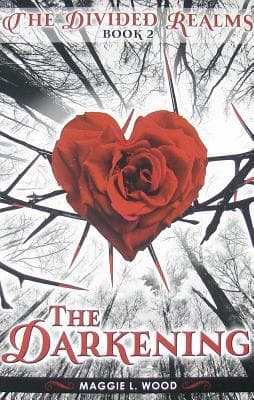
When a faerie king's twisted game thrusts Willow and her protective knight into a deadly gauntlet of mythical beasts, she must navigate treacherous alliances and resist the allure of a charming faerie prince, all while battling for the fate of two realms.
Following her victory over the faerie prince, Willow settles into life at Mage School, honing her magical abilities. She enjoys the companionship of her friends and the protective presence of Brand, the knight who has pledged his loyalty to her. However, their developing romance is frequently challenged by Brand's adherence to traditional courtship rituals, which Willow finds antiquated and stifling. Despite the surface calm, the underlying tension of faerie influence remains a subtle threat. Willow's recent experiences have made her aware of the delicate balance between the realms and the constant vigilance required to maintain it, even in times of apparent peace. This period is a brief reprieve before the true danger resurfaces, highlighting both her growth and remaining vulnerabilities.
While on a routine outing in Clarion, a magical miscalculation or unforeseen circumstance involving Willow leads to an unfortunate incident. This misstep, though perhaps minor in its immediate appearance, has dire consequences in the faerie realm. It serves as the catalyst for King Jarlath of the Unseelie Court to initiate a new, twisted faerie game directly involving Willow. The specifics of the misstep are important, as they provide Jarlath with the justification or opportunity he needs to force Willow into another dangerous contest, demonstrating the unpredictable and far-reaching effects of even small actions when dealing with faerie magic and politics. This event shatters the fragile peace Willow had been enjoying, plunging her back into peril.
King Jarlath, the ruthless ruler of the Unseelie Court, uses Willow's misstep as an opportunity to start a new faerie game. He declares that if Willow loses, the faeries will regain unrestricted access to both Mistolear and Earth, unleashing chaos. The game he devises is called the Goblin's Gauntlet, a treacherous challenge designed to test Willow's limits. Jarlath's motives are clearly to destabilize the human realms and reassert faerie dominance. He personally oversees the game, ensuring its brutality, and makes it clear that failure is not an option for Willow, setting the stage for a desperate struggle for survival and the fate of two worlds.
Willow and Brand are thrust into the Goblin's Gauntlet, a perilous environment teeming with dangerous creatures. Goblins, phookas, and other bloodthirsty monsters are on the hunt, making survival a constant struggle. The gauntlet is designed to be a brutal test, where every shadow could hide a threat and every decision could mean life or death. Willow must rely on her developing magical skills and Brand on his knightly prowess, but the sheer number and ferocity of their pursuers make their task difficult. The immediate danger forces them to work together, pushing aside their personal frustrations for the sake of survival.
In a surprising and strategic move, King Jarlath sends his own children, Dacia and Theon, into the Goblin's Gauntlet. Dacia is ruthless and cunning, embodying the darker aspects of the Unseelie Court. Her twin brother, Theon, is clever, flirtatious, and beautiful, possessing the captivating charm inherent to faeries. Their entry immediately raises questions about Jarlath's true intentions: are they meant to help Willow, hinder her, or serve as a distraction? Their presence adds a layer of unpredictable faerie politics and personal dynamics to the already dangerous game, forcing Willow and Brand to re-evaluate their alliances and trust.
As Willow and Brand navigate the Goblin's Gauntlet, Theon's faerie charm and flirtatious demeanor become a significant distraction. He frequently engages Willow, attempting to sway her or simply enjoy her reaction, much to Brand's chagrin. Brand's protective instincts and developing romantic feelings for Willow manifest as simmering jealousy, making him suspicious of Theon's motives and frustrated by Willow's apparent susceptibility to the faerie's allure. This emotional turmoil threatens to compromise their focus on the deadly game, forcing both Willow and Brand to confront their personal feelings while the fate of two realms hangs precariously in the balance. They must find a way to manage their emotions to survive.
The presence of Dacia and Theon forces Willow and Brand to consider an uneasy alliance. While the faerie siblings are powerful and knowledgeable about the faerie realm, their loyalty is questionable. Dacia's ruthlessness and Theon's manipulative charm make it difficult to discern their true intentions. Willow and Brand constantly weigh the benefits of their assistance against the risk of betrayal. This internal conflict is made worse by the constant threat of the gauntlet's creatures and Jarlath's watchful eye. They must decide if the immediate advantage of faerie aid outweighs the potential for a deeper, more insidious game being played by Jarlath and his children.
Throughout the Goblin's Gauntlet, Willow, Brand, Dacia, and Theon encounter a series of deadly challenges. These include navigating treacherous terrain, outwitting cunning goblins, and battling formidable phookas and other monstrous creatures. Each encounter forces them to combine their unique skills: Willow's magic, Brand's combat prowess, and the faerie siblings' knowledge of the realm and their distinct powers. These trials also highlight the growing, albeit fragile, trust (or lack thereof) between the four. Success often relies on quick thinking and a willingness to depend on each other, despite lingering suspicions and personal animosities. The gauntlet's design is not just physical but psychological.
As the Goblin's Gauntlet progresses, Willow's keen intellect and past experiences with faerie trickery lead her to suspect that King Jarlath's game is more complex than it appears. She begins to piece together clues, realizing that Jarlath might have ulterior motives beyond merely winning the gauntlet or reclaiming access to the human realms. Perhaps he is testing his own children, manipulating alliances, or seeking a specific outcome that benefits him in a more subtle way. This realization adds another layer of urgency and suspicion to the already dangerous situation, compelling Willow to look beyond the immediate threats and try to decipher Jarlath's true, overarching plan.
The journey through the Goblin's Gauntlet culminates in a climactic final challenge. This could involve a confrontation with Jarlath himself, a powerful guardian creature, or a complex puzzle that demands both magical and intellectual prowess. During this ultimate test, Jarlath's true intentions and the full scope of his manipulative game are revealed. Alliances are tested to their breaking point, and the characters are forced to make critical decisions that will determine not only the outcome of the game but also the fate of Mistolear and Earth. The climax is a high-stakes moment where all the preceding tensions and suspicions converge, demanding their absolute best.
Even after the Goblin's Gauntlet concludes and a victor is determined, the repercussions of King Jarlath's game are far from over. The relationships forged and broken, the secrets revealed, and the sacrifices made leave lasting impacts on Willow, Brand, and even the faerie siblings. While the immediate threat of faeries running rampant might be averted (or realized), the political landscape between the realms has shifted. Lingering questions about Jarlath's ultimate goals, the true nature of Dacia and Theon, and the long-term safety of Mistolear and Earth remain, setting the stage for future conflicts and continuing Willow's journey as a key player in the delicate balance of her world.
The Protagonist
Willow evolves from a reactive participant in faerie games to a more proactive and strategic player, learning to navigate complex faerie politics and trust her own judgment amidst deception.
The Supporting
Brand learns to adapt his rigid worldview and trust Willow's judgment more fully, while also confronting and managing his own jealousy and possessiveness.
The Antagonist
Jarlath remains a consistent force of antagonism, revealing deeper layers of his manipulative nature as the story progresses.
The Supporting
Dacia's arc involves revealing the extent of her cunning and potentially a hint of her own ambitions or constraints within her father's shadow.
The Supporting
Theon's arc explores the limits of his charm and manipulative nature, potentially revealing a more complex side beneath his playful exterior as he interacts with Willow.
This theme is central to 'The Darkening,' as Willow constantly grapples with the deceitfulness of faeries. King Jarlath's entire game relies on manipulation and hidden motives, forcing Willow and Brand to question every alliance and every piece of information. The introduction of Dacia and Theon, with their charming yet potentially treacherous natures, further complicates the ability to discern friend from foe. Willow's past experiences with faerie trickery make her wary, but the high stakes of the Goblin's Gauntlet demand a degree of trust, even if it's conditional. This theme explores the difficulty of forming alliances when betrayal is always a possibility, and how one navigates a world where appearances are rarely what they seem, seen explicitly when Willow struggles with Theon's flirtations versus his true intentions.
“Can Willow and Brand trust the faerie siblings, or is there more than one game being played?”
Throughout the narrative, characters are forced to choose between their personal desires and their duties. Willow's duty to protect Mistolear and Earth often clashes with her developing feelings for Brand and the distracting allure of Theon. Brand's duty as a knight and protector is frequently challenged by his jealousy and traditional views on courtship. The fate of two realms is in the balance, demanding that both Willow and Brand push aside their emotional turmoil to focus on the immediate threat. This theme highlights the sacrifices required in times of crisis and the internal conflict that arises when personal happiness must be subjugated to a greater cause, especially evident in how Brand's jealousy could compromise their mission.
“but with the fate of two realms hanging in the balance, both must push their emotions aside.”
The story emphasizes that even small actions can have far-reaching consequences, particularly when dealing with powerful faerie magic. Willow's 'misstep in Clarion' is the direct catalyst for King Jarlath's new game, illustrating how a single error can doom entire realms. This theme highlights the weight of responsibility Willow carries and the constant need for vigilance. Every decision made within the Goblin's Gauntlet, whether it's an alliance forged, a path chosen, or a creature confronted, directly impacts the survival of the characters and the ultimate outcome of the game. It explores the idea that characters are not merely pawns, but active agents whose choices shape their destiny and the fate of others.
“a misstep in Clarion dooms Willow to play another twisted faerie game.”
The faerie world, particularly the Unseelie Court, is both mesmerizing and dangerous. Theon's beauty and flirtatious charm represent the seductive allure of the fae, which can easily distract and manipulate mortals. However, beneath this enchanting exterior lies the ruthlessness and manipulative nature embodied by King Jarlath and Dacia. This theme explores the dual nature of faeries — their captivating magic and beauty contrasted with their amoral and often cruel intentions. It serves as a constant reminder that while the fae can be beautiful, they are never truly safe, and their power comes at a steep price, forcing Willow to constantly guard against their influence.
“Theon, the male, is clever, flirtatious and, like all faeries, devastatingly beautiful.”
A magical, high-stakes contest orchestrated by faeries with dire consequences.
The 'faerie game' is a recurring plot device that drives the central conflict. In 'The Darkening,' it manifests as the 'Goblin's Gauntlet,' a perilous challenge designed by King Jarlath. These games are never fair or straightforward; they are elaborate traps, tests of will, and psychological manipulations intended to entertain the fae while serving their larger agenda. The rules are often fluid or hidden, and the stakes are always immense, usually involving the fate of realms or the freedom of mortals. It forces the protagonist into direct confrontation with faerie power and cunning, providing a clear objective while layering in deception and danger.
The prize of the faerie game: unrestricted access to Mistolear and Earth for the faeries.
The MacGuffin in 'The Darkening' is the unrestricted access for faeries to wreak havoc in Mistolear and Earth. This tangible goal serves as the primary motivation for King Jarlath and the driving force behind Willow's desperate struggle to win the Goblin's Gauntlet. While the 'access' itself isn't a physical object, it's the ultimate prize or consequence that all characters are fighting over. It establishes the high stakes and the looming threat, providing a clear objective for the protagonist to prevent and a powerful incentive for the antagonist to achieve, propelling the narrative forward with urgency.
A romantic entanglement between Willow, Brand, and Theon that adds emotional tension.
The romantic tension between Willow, Brand, and Theon forms a crucial plot device. Brand's established, if complicated, relationship with Willow is challenged by Theon's alluring faerie charm. This 'love triangle' (or quadrangle, if considering Dacia's potential influence) serves to create internal conflict for Willow, test Brand's character, and add a layer of emotional vulnerability and distraction to the already dangerous faerie game. It heightens personal stakes, makes the characters' decisions more complex, and provides opportunities for character development as they navigate their feelings amidst life-or-death situations, making their sacrifices more meaningful.
Characters whose loyalties and intentions are ambiguous, creating constant suspense.
The faerie siblings, Dacia and Theon, serve as key examples of the unreliable ally/antagonist device. Sent into the game by their father, King Jarlath, their true motives are constantly in question. Are they there to help Willow, hinder her, or are they playing their own separate game? Their actions can be helpful one moment and suspicious the next, forcing Willow and Brand to remain perpetually cautious. This device injects constant suspense and psychological tension into the narrative, making it difficult for the protagonists (and the reader) to fully trust anyone, thus enhancing the theme of deception and complicating strategic decisions within the gauntlet.
“The forest breathes, and if you listen closely enough, it whispers your name.”
— Elara's first encounter with the sentient forest, feeling its pull.
“Fear is a shadow, but it only has power if you let it obscure the light within you.”
— Lyra offering advice to a struggling Elara about her anxieties.
“Some bonds are forged in fire, others in the quiet understanding of shared burdens.”
— Reflecting on the growing connection between Elara and Kael.
“The 'darkening' isn't just an event; it's a choice. A choice between despair and defiance.”
— The ancient prophecy being explained to the younger generation.
“You cannot save everyone, but you can fight for what you believe in, and that is enough.”
— A mentor figure reassuring Elara after a difficult decision.
“Even the mightiest oak began as a tiny seed, vulnerable but full of potential.”
— Kael encouraging Elara when she doubts her own abilities.
“Love isn't a weakness; it's the most potent magic there is, capable of mending what's broken.”
— Elara realizing the true power of her feelings for Kael.
“The past is a map, not a prison. It shows you where you've been, not where you're destined to go.”
— Addressing the weight of ancestral burdens on Elara.
“Sometimes, the greatest strength lies not in wielding a sword, but in offering a hand.”
— Elara choosing diplomacy over conflict in a tense situation.
“The world doesn't need perfect heroes, just brave ones who refuse to give up.”
— Kael's reflection on his own perceived flaws and Elara's unwavering spirit.
“There's a song in the wind, a story in the stones, if you only learn to listen.”
— An ancient elder explaining the deep magic of their land to Elara.
“Darkness thrives on silence. Speak your truth, and watch it scatter.”
— Elara finding her voice and confronting a difficult truth.
“To truly live is to risk everything for what you hold dear.”
— Elara making a pivotal, life-altering decision at the climax.
“The whispers of doubt are louder than the roars of certainty, but only if you let them be.”
— Elara battling her internal struggles and self-doubt.
Ready to see how well you understood this book? Take our interactive quiz with 10 questions.







