BookBrief
The Cricket on the Hearth cover
Archivist's Choice

The Cricket on the Hearth

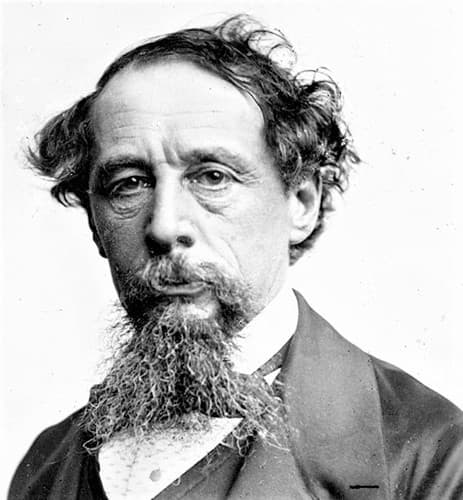
Charles Dickens (1846)

Genre

Fantasy

Reading Time

90 min

Key Themes

See below

Track Your Reading

Sign in to track this book

Amidst the cozy glow of a Victorian hearth, a magical cricket chirps a symphony of hope, guiding a trusting carrier through a jealous old man's deceit to rediscover faith in his young wife's love.

Synopsis

On Christmas Eve, the Peerybingle household is warm, but their happiness is soon threatened by Tackleton, a malicious toy merchant. Tackleton makes John Peerybingle doubt his younger wife, Dot, and a mysterious stranger staying in their home. The stranger is Dot's childhood sweetheart Edward Plummer, back in disguise after being presumed dead. Caleb Plummer, Edward's blind father, has maintained a loving deception for years, creating a fantastical world for his daughter Bertha to shield her from their poverty. Tackleton's words and John's sadness make the cricket on the hearth fall silent, symbolizing the household's fading joy. Through the cricket's help, John's confidence is restored, and he learns the truth about Edward and Dot's innocent past. On May Fielding's wedding day to Tackleton, a confrontation reveals Edward's true identity, leading to May's heartbreak. However, Tackleton, seeing the genuine love, changes his heart. The story ends in a joyous double wedding, as Edward marries May and Dot and John's love is renewed, bringing happiness and the cricket's cheerful chirping back to the hearth.
Reading time
90 min
Difficulty
Easy
Pacing
Moderate
Mood
Heartwarming, Sentimental, Hopeful, Festive
✓ Read this if...
You enjoy classic Dickensian charm, heartwarming tales of love and redemption, and a touch of gentle fantasy.
✗ Skip this if...
You prefer fast-paced, complex plots or are averse to sentimental Victorian prose.

Plot Summary

A Peerybingle Christmas Eve

John Peerybingle, a cheerful and honest carrier, comes home to his cottage on Christmas Eve, his cart full of goods. His young wife, Dot, and their infant son greet him. Their home is warm, and a cricket on the hearth chirps, which Dot sees as a good sign and a household spirit. Their servant, Tilly Slowboy, a kind but clumsy girl, is also there. John tells about his day, including giving a ride to a mysterious old man with white hair and a stooping figure. Dot later offers this stranger lodging, surprising John, and the stranger quietly watches the household.

Tackleton's Malicious Visit

Tackleton, the local toy merchant, a sour and cynical man, visits the Peerybingle home. He is successful but unpleasant, known for being harsh to his employees, especially his poor, blind toy-maker, Caleb Plummer, and Caleb's daughter, Bertha. Tackleton is engaged to May Fielding, a young woman once courted by Edward Plummer, Caleb's son, who is believed to have died abroad. During his visit, Tackleton sees the young and seemingly flirtatious Dot with the mysterious old man. His suspicious and jealous nature makes him think the worst, planting doubts about Dot's fidelity in his mind, and later, subtly in John's.

Caleb Plummer's Deception

The story moves to the home of Caleb Plummer, the blind toy-maker, and his daughter, Bertha. Caleb, despite their extreme poverty and his cruel employer Tackleton, invents elaborate stories to make Bertha believe their home is grander, their food more plentiful, and even Tackleton himself a kind person. He carefully describes beautiful toys and a comfortable life, all to shield Bertha from their harsh reality. Bertha, being blind, accepts these loving deceptions, holding onto the idealized image of her lost love, Edward Plummer, and the hope of a reunion with May Fielding, whom she believes still loves Edward.

Tackleton's Poisonous Words

Tackleton, driven by his cynicism and perhaps a wish to cause unhappiness, returns to John Peerybingle's house. He subtly, but effectively, turns John against Dot. He points out the big age difference between John and Dot, and then highlights Dot's seeming closeness with the mysterious old man, who has now shaved his beard and looks younger. Tackleton suggests that Dot is being unfaithful and that the stranger is her lover. John, a simple and trusting man, is very upset by these accusations, despite his love and faith in Dot. His cheerful home is now shadowed by doubt and sorrow, and the cricket falls silent.

John's Anguish and the Cricket's Counsel

John Peerybingle is very sad and despairing. He watches Dot and the stranger, interpreting their every interaction through Tackleton's accusations. He sees Dot's youthful beauty and the stranger's apparent affection, and his heart breaks thinking of her betrayal. He considers confronting them but cannot bring himself to destroy their apparent happiness, even if it means his own. As he sits alone with his pain, the cricket on the hearth, which had been silent, chirps again. John hears the cricket's chirps as a gentle, comforting voice, urging him to be patient and understand, suggesting that things might not be as they seem.

The Stranger's Revelation

The mysterious stranger, who had been staying with the Peerybingles, tells Dot his true identity. He is Edward Plummer, Caleb's son, believed to have died abroad. He had returned in disguise to see if May Fielding, his former sweetheart, still loved him before revealing himself. Dot, who had recognized him earlier, had been helping him maintain his disguise and watch May. This explains her seemingly suspicious interactions with the stranger, as she knew his secret and was helping his plan. Edward's return is a key moment, setting up the resolution of several intertwined plotlines.

May Fielding's Heartbreak

May Fielding, the young woman engaged to the unpleasant Tackleton, is very unhappy. She had loved Edward Plummer, Caleb's son, and still grieves his supposed death. Her engagement to Tackleton is out of convenience or resignation, not love. She tells Dot her sorrow, regretting her fate and the loss of her true love. Bertha Plummer, still believing in Caleb's invented world, hopes that May still loves Edward and will not marry Tackleton. This creates a sad tension as the wedding day nears, with May's heart torn between duty and her lasting affection for Edward.

The Wedding Day Confrontation

On the morning of May Fielding's wedding to Tackleton, the Peerybingle household is busy. The mysterious stranger, now revealed as Edward Plummer, prepares to appear. John, still dealing with his doubts about Dot, watches the drama unfold. When Edward finally reveals himself, shocking everyone, especially Tackleton and May, the truth about Dot's 'betrayal' also becomes clear. Her seemingly close interactions with the stranger were just her helping Edward in his disguise and plan to test May's feelings. John realizes his terrible mistake and the unfairness of his suspicions, his heart filled with relief and regret.

Tackleton's Change of Heart

When Edward reveals himself and May shows clear joy, Tackleton, for the first time, shows a bit of humanity. Seeing the true love between Edward and May, and perhaps realizing his own cynicism and loneliness, he makes a surprising decision. Instead of forcing the marriage, he steps aside and encourages May to marry Edward. He even offers to provide a wedding feast and gifts, a complete change from his usual miserly and mean nature. This unexpected generosity shows a significant, though temporary, softening of his character, proving that even the hardest hearts can be touched by genuine affection.

A Double Wedding and Renewed Happiness

The story ends in a joyous double wedding. Edward Plummer and May Fielding, reunited after years of separation and misunderstanding, marry. At the same time, John Peerybingle, relieved of his agonizing doubts and realizing Dot's loyalty, renews his vows of love and trust to his young wife. The cricket on the hearth chirps more merrily than ever, symbolizing the restored harmony and happiness in the Peerybingle home. Caleb Plummer's deceptions are gently revealed to Bertha, who, though initially sad, finds joy in her brother's return and the general happiness. All ends in celebration, with John and Dot's love stronger than before.

Principal Figures

John Peerybingle

The Protagonist

John moves from contentedness, through agonizing doubt and suspicion, to a renewed and deeper trust and love for his wife.

Dot Peerybingle

The Protagonist

Dot maintains her innocent nature despite being misunderstood, ultimately proving her unwavering love and fidelity.

Tackleton

The Antagonist

Tackleton remains largely cynical but shows a surprising, albeit fleeting, moment of generosity and understanding at the climax.

Caleb Plummer

The Supporting

Caleb maintains his loving deceptions for Bertha, eventually revealing the truth gently for her happiness.

Bertha Plummer

The Supporting

Bertha lives in a world of illusion, which is gently dismantled, leading her to a new understanding of reality and true happiness.

Edward Plummer

The Supporting

Edward returns in disguise, tests May's affection, and ultimately reunites with his family and marries his true love.

May Fielding

The Supporting

May is resigned to a loveless marriage but is ultimately reunited with her true love, finding happiness.

Tilly Slowboy

The Supporting

Tilly remains consistently clumsy but kind throughout the narrative.

Themes & Insights

Domesticity and the Hearth

Domesticity is a main theme, especially through the Peerybingle household. The hearth, with its chirping cricket, symbolizes warmth, security, and the simple joys of home life. John and Dot's cottage is a safe place, contrasted with the coldness of Tackleton's factory and the poverty of Caleb's home. The cricket's silence when John doubts Dot shows the disruption of this home harmony, while its renewed chirping marks the return of peace and happiness. The story emphasizes the comfort, love, and contentment found within a humble home.

For the Cricket was a Cricket of an amiable and affectionate disposition; and a constant friend of the carrier's.

Narrator

Perception vs. Reality / Illusion and Deception

This theme is explored through several characters. Caleb Plummer actively creates an elaborate illusion for his blind daughter, Bertha, painting a rosy picture of their poor life and Tackleton's character. John Peerybingle's view of Dot's fidelity is twisted by Tackleton's suggestions, making him believe a false reality. Edward Plummer's disguise as an old man also fits this theme, as his true identity is hidden. The story ultimately reveals the truth behind these illusions, showing the importance of looking beyond surface appearances and the dangers of misjudgment.

There was a Cricket on the Hearth; and it was always chirping there, and everywhere.

Narrator

Love and Fidelity

The lasting power of love and fidelity is a cornerstone of the story. John and Dot's marriage, though tested by suspicion, proves strong. Dot's loyalty to John, even when misunderstood, shows her faithful nature. The long-lost love between Edward Plummer and May Fielding, which survives absence and the threat of a forced marriage, shows love's ability to overcome problems. Caleb Plummer's deep, selfless love for Bertha drives his protective deceptions. The story champions true affection and commitment as the basis of happiness.

Oh, a good, good wife, a true, true wife. My little Dot!

John Peerybingle

Cynicism vs. Optimism

This theme is seen in the contrast between Tackleton and the other characters. Tackleton represents cynicism, believing the worst in people and enjoying others' misfortunes, especially regarding love and happiness. His worldview is one of suspicion. In contrast, characters like John, Dot, and Caleb show optimism and goodness, believing in kindness, trust, and the possibility of happiness. The story ultimately argues for optimism and warm-heartedness over bitter cynicism, as even Tackleton is momentarily softened by the genuine love he sees.

There are not many people in the world, I think, who can look at a toy-shop at night, and not be a little better for it.

Tackleton (ironically, but later fulfilled by his actions)

Plot Devices & Literary Techniques

The Cricket on the Hearth

A symbolic household spirit reflecting the home's emotional atmosphere.

The cricket serves as a symbolic barometer of the emotional state of the Peerybingle household. Its cheerful chirping signifies happiness, peace, and domestic harmony, acting as a benevolent household spirit. When John's mind is poisoned by doubt and sorrow, the cricket falls silent, reflecting the disruption of their domestic bliss. Its return to chirping at the story's resolution signals the restoration of trust, love, and joy. It functions as a magical realist element, subtly guiding John and emphasizing the story's emotional beats and themes of home and contentment.

The Disguise (Edward Plummer)

A narrative device creating suspense and testing character loyalty.

Edward Plummer's disguise as an old man (and then a younger, bearded stranger) is a crucial plot device. It creates significant dramatic tension and drives the central conflict concerning Dot's apparent infidelity. This deception serves to test the loyalty and love of both May Fielding and John Peerybingle. It allows Edward to observe May's true feelings without prejudice and forces John to confront his own insecurities and trust issues. The revelation of the disguise is the climax, resolving the misunderstandings and allowing for the happy ending.

The Illusion (Caleb Plummer's Deceptions)

A protective, loving deception highlighting themes of perception and parental love.

Caleb Plummer's elaborate, loving deceptions for his blind daughter, Bertha, serve as a poignant plot device. They create a contrast between their harsh reality and the beautiful world Bertha perceives, emphasizing the power of imagination and the depths of parental love. This illusion highlights the theme of perception versus reality. While a form of deception, it is born of love, not malice, and its gentle unraveling allows Bertha to embrace a new, genuine happiness, rather than shattering her spirit.

The Hearth

A recurring symbol of home, warmth, and domestic virtue.

Beyond merely being the cricket's dwelling, the hearth itself is a powerful symbol in the story. It represents the heart of the home, providing warmth, comfort, and a gathering place for family. It is where John returns after his journeys, where Dot tends to her child, and where the domestic life of the Peerybingles unfolds. Its symbolic significance is intertwined with the cricket's presence, reinforcing the ideals of domestic bliss, security, and the simple, enduring virtues of home and family that Dickens frequently championed.

Critical analysis

Notable Quotes

The kettle began it! Don't tell me what Mrs. Peerybingle said. I know better. Mrs. Peerybingle may leave it on record to the end of time that she couldn't say which of them began it; but I say the kettle did.

Opening lines of the story, setting a whimsical, domestic scene.

It's a world of disappointment. Often, when we wake in the morning, by dint of a series of struggles we have had the misfortune to accomplish since we rose last, we find we have had no sleep at all!

Reflection by the narrator on life's struggles.

I am a poor man, but I would gladly give my mite to see you happy.

Caleb Plummer speaking to his blind daughter Bertha.

To be let alone, and have my own way, and never be interfered with, is the only happiness I care for.

Tackleton, the miserly toy merchant, expressing his selfish philosophy.

Love is, I think, the strangest and most unaccountable thing in the world.

Dot Peerybingle reflecting on her feelings for her husband John.

The Cricket on the Hearth is a cheerful creature, and a man might learn a lesson from him.

The narrator describing the cricket's symbolic role.

I have been so happy in my dreams, that I have felt sorry to wake.

Bertha Plummer, who is blind, speaking about her inner world.

Home is a name, a word, it is a strong one; stronger than magician ever spoke, or spirit ever answered to, in the strongest conjuration.

A famous line emphasizing the power and sanctity of home.

It is a melancholy truth that even great men have their poor relations.

Narrator's humorous observation on social hierarchies.

The years have a way of filing by like so many sheep, and leaving their wool on the brambles.

Poetic reflection on the passage of time.

I am the happiest man in the world, for I have found my treasure where I least expected it.

John Peerybingle realizing the value of his wife Dot.

A man is not so soon healed of a wound to his pride as of a wound to his body.

Narrator commenting on human nature after a conflict.

Let us be merry and wise, and faithful and true, and look for the good in everything.

Moral advice given towards the story's end.

The kettle hummed a tune, the cricket chirped, and all was right with the world.

Closing scene restoring domestic harmony.

Quiz

Test Your Knowledge

Ready to see how well you understood this book? Take our interactive quiz with 10 questions.

10
Questions
~5
Minutes
?
Best Score

Key Questions (FAQ)

The story centers on John Peerybingle, a carrier, and his much younger wife Dot, whose domestic happiness is monitored by a supernatural cricket on their hearth. When the jealous toy merchant Tackleton falsely suggests Dot is unfaithful, the cricket intervenes to restore harmony, leading to a joyful Christmas reconciliation.

About the author

Charles Dickens

Charles John Huffam Dickens was an English writer and social critic who created some of the world's best-known fictional characters and is regarded by many as the greatest novelist of the Victorian era. His works enjoyed unprecedented popularity during his lifetime and, by the 20th century, critics and scholars had recognised him as a literary genius. His novels and short stories are widely read today.