“It is a fact of life that you will grieve for what you don’t have more than you rejoice for what you do.”
— Max reflecting on the nature of human desire and dissatisfaction.


Andrew Sean Greer (2003)
Genre
Literary Fiction / Fantasy / Historical Fiction / Romance
Reading Time
360 min
Key Themes
See below
Sign in to track this book
Born an old man who ages backward, Max Tivoli repeatedly pursues the love of his life through the decades of turn-of-the-century San Francisco, each time a stranger to her as his body grows younger.
Max Tivoli is born in San Francisco looking like an eighty-year-old man. His parents, Mr. and Mrs. Tivoli, are bewildered. His mother, at first horrified, learns to love him, while his father remains distant. Max's early life shows the strange contradiction of his aging body and developing mind; he learns to crawl and speak while looking like an old man. He attends school, where he is an outcast, mistaken for a strange old man among children. His only comfort is Hughie, who becomes his first and only friend, accepting Max's unusual appearance without question. Max's parents try to protect him, but his unique condition ensures he is always an anomaly.
In his late teens, while his body still looks elderly, Max Tivoli meets Alice Varner at a social gathering. Her beauty, intelligence, and kindness captivate him. Despite his aged appearance, Alice is drawn to his wit and mature demeanor, mistaking him for an experienced gentleman. Max, deeply in love, uses his intellect and charm to court her, hiding the truth about his reversed aging. Their courtship flourishes, filled with tender moments and intellectual talks. Alice, unaware of his true chronological age, falls for the man she believes to be much older and more experienced than herself, a man who understands her deeply.
Max and Alice become engaged, planning a future together. However, Max's secret weighs heavily on him. He fears the day his body will appear younger than Alice, dreading her reaction and society's judgment. His insecurity and the pressure of maintaining his deception lead to emotional distance. He struggles with the idea of Alice seeing him as he truly is – a young man trapped in an old man's body that is paradoxically getting younger. One evening, overwhelmed by anxiety, Max confesses a convoluted half-truth, implying a past that is not entirely real, pushing Alice away. Devastated, Alice breaks off the engagement, leaving Max heartbroken and alone.
After his separation from Alice, Max Tivoli lives a solitary life. He continues to live in San Francisco, working as a clerk, but he spends his time observing Alice from a distance. He watches her marry another man, Mr. Seidel, and start a family. As years pass, Max's body continues its reverse aging. He loses the wrinkles and grey hair of his 'youth,' gradually becoming a middle-aged man. This period is marked by melancholy and introspection for Max, as he struggles with his unique condition and the pain of losing Alice, all while his physical appearance moves further from the man she once knew.
Years later, Max, now looking like a man in his forties, encounters Alice again through her husband, Mr. Seidel. Mr. Seidel, a business acquaintance, introduces Max as a friend, unaware of their shared past. Alice also fails to recognize Max, seeing him as a new acquaintance. This second encounter fills Max with a mix of hope and despair. He is delighted to be near Alice again but tormented by her lack of recognition. He becomes a frequent visitor to their home, befriending Mr. Seidel and subtly re-entering Alice's life, determined to win her back, but this time, with a different approach.
As a friend of the Seidel family, Max Tivoli slowly begins to court Alice anew. He uses his knowledge of her past preferences and memories, from their first relationship, to connect with her. He tells stories and expresses sentiments that resonate deeply with Alice, making her feel an inexplicable familiarity and connection to him. He is careful not to reveal anything that would expose his true identity, weaving a careful narrative of half-truths and shared experiences. This period is tense for Max, as he constantly fears discovery while also enjoying the chance to love Alice again, though under false pretenses.
Max's renewed courtship of Alice becomes more intense, creating a complex love triangle. Alice finds herself increasingly drawn to Max, feeling a deep connection that goes beyond her marriage to Mr. Seidel. Max, despite his joy, constantly battles his conscience and the fear of exposure. He sees Alice's growing affection, knowing he is deceiving her. The moral implications of his actions weigh heavily on him, especially as he becomes closer to Mr. Seidel, who trusts him completely. Max wants to confess but is terrified of losing Alice again, knowing his secret would likely destroy their relationship and Alice's trust.
Overwhelmed by his love and the burden of his secret, Max Tivoli tries to confess the truth to Alice. He tries to explain his unique condition and their shared past, but his words are abstract and confusing, making him sound insane to Alice. She struggles to understand his fragmented story, interpreting his confession as mental instability or a cruel trick. Unable to accept what he is saying, and hurt by his perceived deception, Alice rejects Max again. Heartbroken and despairing, Max realizes he cannot make her understand. He leaves San Francisco once more, abandoning his renewed pursuit of Alice.
After his second departure from Alice, Max Tivoli travels extensively, living in various cities. During this time, his body continues its reverse aging, transforming him from a middle-aged man into a young man in his twenties. He experiences life with new physical vitality but remains emotionally scarred by his unrequited love for Alice. He often thinks about his past, his unique condition, and the impossibility of a normal life. Eventually, a deep desire to see Alice again, along with the realization that he now looks like a desirable young man, draws him back to San Francisco.
Max Tivoli returns to San Francisco, now appearing as a handsome young man. He seeks out Alice, who is much older, a widow, and living a quieter life. She does not recognize him, seeing only a charming, energetic young man. Max introduces himself under a new name, determined to win her heart for a third and final time, hoping that his youthful appearance will finally allow for a conventional romance. He uses his knowledge of her life and preferences to endear himself, becoming a comforting and engaging presence in her later years, a contrast to the old man she first knew.
As a young man, Max Tivoli becomes a constant companion to the aging Alice. He brings joy and vitality into her life, and she finds comfort and affection in his presence. This time, Max subtly reveals details of their shared past, framing them as stories he has heard or read, or as insights that resonate with Alice. She feels an uncanny connection to him, a sense of having known him forever, without fully understanding why. Max finally experiences a period of genuine, uncomplicated love with Alice, free from the immediate fear of his physical appearance betraying him.
In Alice's final days, as her health declines, Max Tivoli finally gathers the courage to reveal the full truth of his life and their shared history. He tells her of his reverse aging, their first courtship, and their subsequent encounters, carefully explaining how he was the old man, then the middle-aged friend, and now the young man by her side. To his surprise and immense relief, Alice, softened by age and nearing death, understands. She accepts his story, recognizing the love that has spanned decades and appearances. This final confession brings them peace and validates Max's lifelong devotion.
Alice passes away peacefully, holding Max's hand, having finally understood and accepted their extraordinary love. Her death leaves Max heartbroken but also with a sense of completion. He has finally been truly known and loved by her. After Alice's death, Max continues his reverse aging. His body grows younger still, transforming him into a child. He tells his story from this perspective, reflecting on his long, peculiar life and the enduring power of his love for Alice. He understands that his unique condition, while a curse, also allowed him to experience love in multiple forms and ultimately, to be with the woman he adored until her very end.
The Protagonist
Max begins as a lonely outcast, driven by a desperate desire for love. He learns to navigate his unique condition, suffering heartbreak, and eventually achieves a profound understanding and acceptance of his fate, culminating in a shared, acknowledged love with Alice.
The Love Interest
Alice lives a seemingly conventional life, experiencing love, marriage, and widowhood, until she comes to understand and accept Max's extraordinary truth, ultimately finding a unique and profound connection with him.
The Supporting
Hughie remains a static character, serving as a beacon of early acceptance for Max, highlighting the profound isolation Max experiences from others.
The Supporting
Mr. Seidel's arc is largely static, representing a stable but ultimately less passionate love for Alice compared to Max's.
The Supporting
Mr. Tivoli's character remains largely static, representing the societal difficulty in accepting Max's unique condition.
The Supporting
Mrs. Tivoli evolves from initial shock to loving acceptance of her son, providing him with vital, albeit limited, emotional support.
The novel explores how love transcends physical appearance and chronological age. Max's enduring love for Alice, and her evolving affection for him across his three 'incarnations,' questions conventional ideas of identity tied to the body. Alice loves Max's essence, his mind, and his spirit, rather than his changing exterior. This theme is clear in how Max's first encounter with Alice succeeds despite his aged body. Her love for the 'young man' Max is linked to the 'old man' she first knew, even if she doesn't consciously realize it until the end. The book asks if true love recognizes the soul regardless of the vessel.
“We are each the love of someone's life.”
Time is not linear for Max Tivoli, making memory a complex and often painful experience. His physical regression means his memories often conflict with his current appearance, creating a sense of temporal displacement. He remembers a past that others cannot imagine him having. This theme is particularly poignant when Max tries to tell Alice their shared history, as she cannot reconcile his youthful appearance with the memories he describes. The novel suggests that memory is not just a record of the past, but an active force that shapes identity and meaning, even if it is not shared or understood by others. Max's entire existence is a living paradox of time.
“I was always older than I looked, and always younger than I remembered.”
Max's unique condition condemns him to isolation. He is an outsider, unable to fully share his truth with anyone for most of his life. This leads to deep loneliness and a constant performance of a false identity. His friendships (with Hughie) and relationships (with Alice) are always affected by the secret he must keep. The novel highlights the human need for connection and the pain of being fundamentally misunderstood. The fleeting moments of genuine connection, like his childhood friendship with Hughie or Alice's acceptance, are therefore incredibly precious, offering brief breaks from his solitary existence.
“To be seen, to be known, to be understood – it was the greatest longing of my life.”
Max's life is built on deception, necessary because of his reverse aging. He constantly creates false narratives and identities to navigate a world that would not understand his truth. This deception, while born of necessity and a desire for love, also causes suffering and complicates his relationships, especially with Alice. The novel explores the moral questions of such a life, asking at what point deception becomes a barrier to true intimacy. The eventual revelation of his truth to Alice, and her acceptance, emphasizes the liberating power of honesty, even when it comes at the very end of life.
“I had built my life on a lie, and the truth was too fragile to speak.”
The fantastical condition that dictates Max Tivoli's physical appearance and life trajectory.
The central plot device is Max Tivoli's reverse aging, a magical realist element that allows his body to grow younger while his mind ages normally. This condition is the engine of the plot, creating all the central conflicts and opportunities. It forces Max into repeated encounters with Alice, each time as a different 'person,' and underpins the themes of identity, time, and love. It's a unique twist on the aging process that enables a multi-layered exploration of a single love story, making the impossible seem plausible within the narrative's framework.
Max Tivoli recounts his life story directly to the reader, often with an older, reflective voice.
The novel is framed as Max Tivoli's confessions, told in the first person. This device allows for deep introspection into Max's unique psychological state and experiences. The reader gains direct access to his thoughts, feelings, and the complex internal world shaped by his reverse aging. The confessional tone creates intimacy and invites empathy, even for his deceptive actions. It also allows Max to directly address the paradoxes of his life and love, providing a subjective and emotional lens through which the extraordinary plot unfolds, often with a retrospective wisdom.
The recurring pattern of Max meeting Alice at different life stages, with slight variations.
The plot uses repetition and variation as a key device, particularly in Max's three encounters with Alice. Each meeting presents a similar scenario – Max falling in love with Alice – but with crucial variations in their respective ages, Max's appearance, and the context of their relationship. This allows the author to explore the nuances of love, recognition, and identity. The repetition highlights the enduring nature of Max's love, while the variations provide new challenges and insights into Alice's character and the complexities of human connection across time.
“It is a fact of life that you will grieve for what you don’t have more than you rejoice for what you do.”
— Max reflecting on the nature of human desire and dissatisfaction.
“The greatest trick the devil ever pulled was convincing the world he didn't exist. The greatest trick Max Tivoli ever pulled was convincing the world he was growing old.”
— A playful twist on a famous quote, highlighting Max's unique condition.
“To be young is to be in love, to be old is to be in love, to be middle-aged is to be in love. There is only love.”
— Max's overarching philosophy on life and the constant presence of love.
“We are all of us, in some way, living backward.”
— A broader observation about memory and the past's influence on the present.
“The world is not a place for the faint of heart, or for those who expect things to happen in the proper order.”
— Max's realization about the unpredictable nature of life, especially his own.
“A man is only as old as the woman he feels in love with.”
— Max's personal experience of how his emotional state, tied to love, affects his perceived age.
“Perhaps all love is a kind of trick, a way of seeing in another what we wish to see in ourselves.”
— A cynical yet insightful thought about the self-serving aspects of love.
“I was born an old man, and I have lived my life growing younger.”
— The core premise of Max's condition, stated directly.
“Every life has its own particular music, its own rhythm, its own melody.”
— A poetic reflection on the individuality and uniqueness of each person's journey.
“There are some things you cannot outrun, no matter how fast you travel back in time.”
— Max's understanding that certain destinies or consequences are inescapable.
“The past is not a place you can visit, but a place you can carry.”
— A nuanced view of how the past affects the present, not as a physical location but as an internal burden or treasure.
“To be loved is to be seen, even when you wish to be invisible.”
— Max's struggle with his unique condition and the desire for both connection and concealment.
“Perhaps the greatest tragedy of my life is that I have loved the same woman in every stage of my own.”
— Max's poignant reflection on his enduring love for Alice, complicated by his reverse aging.
“We are all merely actors, playing roles we barely understand, on a stage we never chose.”
— A philosophical musing on the nature of existence and the lack of control over one's life.
Ready to see how well you understood this book? Take our interactive quiz with 10 questions.
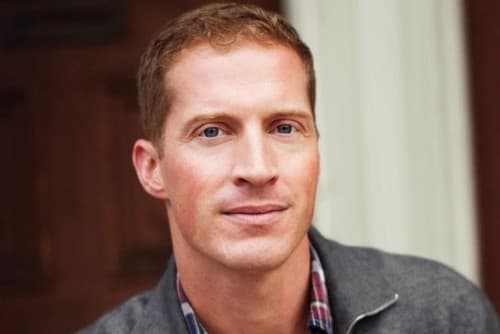
Andrew Sean Greer is a Pulitzer Prize-winning author known for his critically acclaimed novels. His 2017 work, "Less," earned him the Pulitzer Prize for Fiction, solidifying his reputation for witty and poignant storytelling. Greer's other notable works include "The Confessions of Max Tivoli" and "The Great Believers."







