“Nancy felt a thrill of excitement. Another mystery to solve!”
— Nancy Drew's initial reaction to a new case.


Carolyn Keene (1960)
Genre
Children's / Mystery / Young Adult
Reading Time
150 min
Key Themes
See below
Sign in to track this book
Nancy Drew must find a lost stagecoach and its hidden treasure to save a struggling town and fund a new school, all while on summer vacation at Camp Merriweather.
Nancy Drew, Bess Marvin, and George Fayne arrive at Camp Merriweather for a relaxing vacation. Soon after they settle in, they meet Mrs. Strook, an elderly woman from the nearby town of Francisville. Mrs. Strook approaches Nancy, having heard of her detective skills, and explains her problem. She says her great-uncle, a notable person in Francisville's past, hid a valuable old stagecoach nearby. This stagecoach is believed to hold a treasure, perhaps gold or important documents, that could provide the funds Francisville needs to build a new school. Mrs. Strook asks Nancy to help find the stagecoach, as the town is in financial trouble and time is short to secure the land for the new school.
Nancy accepts the case and begins by asking Mrs. Strook more questions. Mrs. Strook gives her a cryptic old poem written by her great-uncle, which is thought to contain clues to the stagecoach's location. The poem mentions 'golden wheels' and 'a hidden path.' As Nancy, Bess, and George explore the area around Francisville, they notice two suspicious men, Mr. Bufford and Mr. Slater. These men seem to be following them and show unusual interest in their activities. They are often seen near historical sites and old trails, making Nancy suspect they might also be looking for the stagecoach and its treasure, possibly with bad intentions.
Following a clue from the poem about 'the turning wheel,' Nancy realizes an old, run-down mill might be an important place. The girls visit the abandoned mill, a dusty, decaying building, and search for more clues. Inside, they barely escape a falling beam, which Nancy suspects was deliberately loosened. Bufford and Slater are seen nearby shortly after the incident, strengthening Nancy's belief that they are not only after the treasure but are also willing to use dangerous methods to stop her. The incident at the mill increases the urgency and danger of the investigation.
Nancy researches local history at the Francisville library, looking into Mrs. Strook's great-uncle and the town's past. She finds old newspaper articles and historical records that mention a forgotten gold mine nearby, once owned by Mrs. Strook's great-uncle. The articles suggest the mine was active during the gold rush but was eventually abandoned. Nancy starts to connect the 'golden wheels' in the poem not just to the stagecoach, but possibly to the mine itself, or a secret link between the stagecoach and the mine's output. This new information gives her investigation a fresh direction.
Following another line from the poem, Nancy, Bess, and George explore a rocky area known for its caves. After a thorough search, they find a cleverly hidden cave entrance. Inside, they find some old mining tools and a small, empty chest, but no stagecoach. The cave seems to have been used for storage or a temporary hideout, but the stagecoach is not there. This discovery, while not the main prize, confirms the historical context of the great-uncle's activities and suggests the treasure might be directly related to the gold mine's operations, or hidden in a similar, rugged place.
As Nancy continues her search, Bufford and Slater become more aggressive. They set a trap for Nancy and her friends near an old, shaky bridge, hoping to delay or injure them. Nancy, with her sharp observation skills, notices subtle signs that the bridge has been tampered with and avoids the trap, but it is a close call. The incident confirms that Bufford and Slater are serious threats and are willing to go to dangerous lengths to get the treasure for themselves, likely planning to sell it for personal profit rather than for the town's benefit. This escalation makes Nancy more determined to outwit them.
A phrase in the poem, 'where the cattle once roamed free,' leads Nancy to investigate an old, abandoned ranch on the edge of Francisville. The ranch house is falling apart, but the surrounding barns and outbuildings look promising. While exploring a crumbling barn, Nancy notices a loose floorboard. Under it, she discovers a hidden entrance to a narrow, dusty tunnel. The tunnel seems to be an old smuggling route or a secret passage, possibly used to move goods secretly. This discovery energizes the search, as such a hidden passage could easily hide something as large as a stagecoach, or lead to its final hiding spot.
Following the secret tunnel, Nancy, Bess, and George navigate through the dark, winding passage. The tunnel eventually opens into a larger, cavernous space under the ranch. There, covered in thick dust and cobwebs but well-preserved, sits the old stagecoach. It is an ornate, beautifully made vehicle, clearly of significant historical value. The girls are thrilled to have found it, realizing how important their discovery is for Francisville. The stagecoach is exactly as Mrs. Strook described, showing her great-uncle's cleverness in hiding it so effectively for so long.
Upon closer inspection of the stagecoach, Nancy discovers a cleverly hidden compartment inside one of its seats. Inside, they find not only gold coins but also valuable historical documents, including land deeds and old stock certificates that belong to Francisville. The treasure is even more substantial and varied than first thought, providing a big boost to the town's finances. The discovery ensures that Francisville will have the funds needed to build its new school and secure its future, fulfilling Mrs. Strook's hope and proving Nancy's persistent efforts worthwhile.
Just as Nancy, Bess, and George are looking at the treasure, Bufford and Slater burst into the underground chamber, having followed them. A tense confrontation follows. However, Nancy, expecting their arrival, had quietly alerted local authorities beforehand. The police arrive quickly, arresting Bufford and Slater, who are revealed to be known criminals with a history of trying to steal historical artifacts. The stagecoach and its valuable contents are secured, and the criminals are taken into custody, ensuring they can no longer threaten Francisville or its historical legacy. Justice is served, and the town's future is safe.
With the stagecoach and its treasure safely recovered, Francisville celebrates. The funds are more than enough to build the new school, and the historical documents further strengthen the town's heritage. Mrs. Strook is overjoyed and thanks Nancy, Bess, and George greatly. The mayor and other town officials publicly praise Nancy for her detective work, which not only solved a long-standing mystery but also saved their town's future. Nancy, Bess, and George enjoy the rest of their vacation at Camp Merriweather, knowing they made a significant positive impact on the community.
The Protagonist
Nancy starts as a confident detective, and her success in finding the stagecoach further solidifies her reputation and reinforces her belief in using her skills for good.
The Supporting
Bess, despite her initial apprehension, consistently supports Nancy, showing growth in her courage and resilience throughout the investigation.
The Supporting
George's practical skills and bravery are consistently highlighted, proving indispensable in challenging situations.
The Supporting
Mrs. Strook initially feels helpless but finds hope and resolution through Nancy's efforts, leading to the fulfillment of her dream for the town.
The Antagonist
Bufford begins as a shadowy threat and is ultimately exposed and apprehended due to his criminal intentions.
The Antagonist
Slater, like Bufford, is a persistent threat who is ultimately thwarted and brought to justice.
The Mentioned
His legacy is preserved and his intentions fulfilled through Nancy's discovery.
The Mentioned
Not applicable as he is only mentioned.
The novel shows how understanding the past helps solve current problems and secure the future. Nancy's investigation relies on an old poem and research into local history, including the gold mine and Mrs. Strook's great-uncle. The stagecoach itself is a historical item, and its contents are valuable for their monetary worth and the historical documents they contain, which cement Francisville's heritage. The town's goal to build a new school directly links to preserving its future by learning from its past, ensuring that history is not just kept but used for progress. This theme is clear when Nancy researches at the library, finding clues in old newspaper articles.
““The past holds the keys to the future, Nancy. My great-uncle always believed that.””
A strong theme is working for the good of a community. Mrs. Strook's main reason for finding the stagecoach is not personal gain, but to get funds for Francisville to build a new school. Nancy, too, wants to help the town, showing her commitment to civic duty. The difference between Mrs. Strook and Nancy's selfless motives and Bufford and Slater's selfish pursuit of personal wealth highlights this theme. The successful outcome benefits the whole community, showing the positive effect of shared effort and selfless action. The town's celebration at the end emphasizes the victory of community spirit.
““If we could find it, Nancy, it would mean everything for Francisville. A new school for our children!””
Nancy's detective work shows the power of persistence and cleverness. Faced with cryptic clues, dangerous enemies, and many false leads, she never quits. Her ability to think creatively, connect different pieces of information (like the poem, the old mill, and the gold mine), and predict her opponents' moves shows her cleverness. The stagecoach's elaborate hiding place, created by Mrs. Strook's great-uncle, is another example of ingenuity. The story suggests that difficult problems can be solved through persistent effort and intelligent, unconventional thinking, even when facing big obstacles and threats. Her continuous exploration of different sites shows this.
““Every mystery has a solution, if you just keep looking for the right key.””
The story clearly separates characters driven by good intentions from those motivated by greed and selfishness. Nancy Drew, along with Bess, George, and Mrs. Strook, represents good, seeking truth and benefiting the community. In contrast, Mr. Bufford and Mr. Slater embody evil, trying to steal the treasure for their own profit and using dangerous, unethical methods to stop Nancy. Their eventual capture and the securing of the treasure for Francisville show good triumphing over evil, reinforcing moral lessons about justice and integrity. The traps set by Bufford and Slater clearly mark them as bad guys.
““Some people only care about what they can take, not what they can give.””
A mysterious poem containing coded clues to the stagecoach's location.
The cryptic poem, written by Mrs. Strook's great-uncle, serves as the central plot device driving Nancy's investigation. Each line or stanza of the poem provides a metaphorical or literal clue, leading Nancy to various locations or prompting her to research specific historical details. This device allows for a structured progression of the mystery, as Nancy must decipher each clue to move forward. It also creates suspense and engagement for the reader, inviting them to solve the puzzle alongside Nancy. The poem's ambiguity often leads to initial misinterpretations, adding layers to the mystery.
False clues or misleading information that divert the investigation.
Red herrings are used to complicate Nancy's search and add to the suspense. For instance, the initial focus on the old mill or the hidden cave, while historically relevant, doesn't immediately lead to the stagecoach. These detours force Nancy to re-evaluate her interpretations of the clues and broaden her search. The presence of Bufford and Slater also acts as a red herring in terms of their immediate actions; while they are indeed after the treasure, their traps and surveillance often lead Nancy down paths that aren't directly to the stagecoach, but rather to confrontations or near misses.
Criminal characters whose actions contrast and highlight the protagonist's virtues.
Mr. Bufford and Mr. Slater serve as antagonistic foils to Nancy Drew. Their greedy, self-serving motives and willingness to use underhanded tactics directly contrast with Nancy's integrity, altruism, and ethical detective methods. Their constant presence and attempts to sabotage Nancy's efforts create external conflict and heighten the stakes of the mystery. By having these villains, the story emphasizes Nancy's moral compass and her dedication to justice, making her eventual success in finding the stagecoach and apprehending the criminals more satisfying and impactful.
A secret space within the stagecoach used to conceal the treasure.
The hidden compartment within the stagecoach is a classic mystery plot device. It provides a final, clever twist to the treasure hunt, revealing that the stagecoach itself was not just a historical artifact but also a sophisticated container for the valuable items. This device adds an extra layer of ingenuity to the great-uncle's original plan and serves as the ultimate payoff for Nancy's persistent efforts, confirming the existence and nature of the treasure. It's a satisfying conclusion to the physical search, leading to the discovery of the gold and documents.
“Nancy felt a thrill of excitement. Another mystery to solve!”
— Nancy Drew's initial reaction to a new case.
“The old stagecoach stood in the barn, a silent sentinel of a bygone era.”
— Describing the titular stagecoach's appearance and historical significance.
“Sometimes the smallest detail can unlock the biggest secret.”
— Nancy reflecting on her investigative approach.
“A good detective never gives up, no matter how puzzling the clues seem.”
— Nancy's determination when faced with difficult challenges.
“The past often holds the key to the present, if you know where to look.”
— Nancy considering the historical context of the mystery.
“Danger was a familiar companion on Nancy's adventures, but she never let it deter her.”
— Nancy confronting a perilous situation.
“Every person has a story, and sometimes those stories are more tangled than a skein of yarn.”
— Nancy considering the various individuals involved in the mystery.
“Friendship was a valuable asset, especially when facing a perplexing puzzle.”
— Nancy appreciating the help of Bess and George.
“The thrill of discovery was a reward in itself, even before the mystery was fully unraveled.”
— Nancy experiencing a breakthrough in the case.
“Not everything that glitters is gold, and not every old tale is just a legend.”
— Nancy discerning truth from folklore.
“A quick mind and a keen eye are a detective's best tools.”
— Nancy relying on her intellect and observational skills.
“The stagecoach had traveled many miles, but its greatest journey was yet to be revealed.”
— Hinting at the secrets hidden within the old vehicle.
“Even the most carefully hidden secrets eventually come to light.”
— Nancy's belief in the eventual unraveling of any mystery.
Ready to see how well you understood this book? Take our interactive quiz with 10 questions.
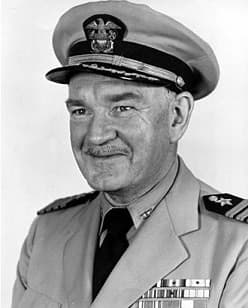
Carolyn Keene is the pseudonym for the authors of the Nancy Drew Mystery Stories series. Under this pen name, numerous authors have penned over 170 books since 1930, captivating young readers with thrilling mysteries and adventures. The series, including notable titles like "The Secret of Red Gate Farm" and "Mystery of Crocodile Island," has become a cultural phenomenon, selling millions of copies worldwide and inspiring adaptations across various media.

Dan Gemeinhart
4.5
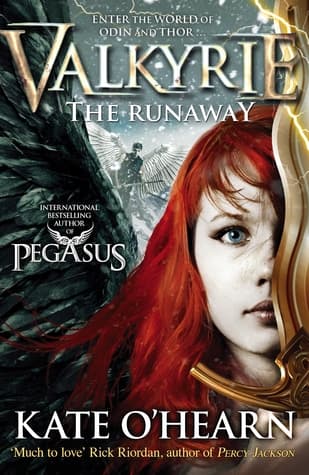
Kate O'Hearn
4.4

Jeanne Birdsall
4.4

Jen Wang
4.4

Wendelin Van Draanen
4.3

John Marsden
4.3

Chris Van Allsburg
4.3
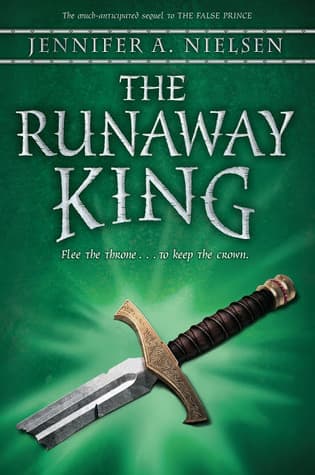
Jennifer A. Nielsen
4.2