BookBrief
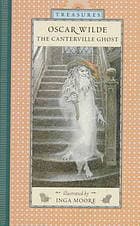
The Canterville Ghost cover
Archivist's Choice

The Canterville Ghost

Oscar Wilde (1887)

Genre

Fantasy

Reading Time

126 min

Key Themes

See below

Track Your Reading

Sign in to track this book

An American family's practical view of the supernatural clashes with a dramatic British ghost, leading to a touching romance hidden beneath wit and social commentary.

Synopsis

When the American Otis family buys Canterville Chase, a historic English manor, they are told it comes with a ghost. Lord Canterville himself warns them about Sir Simon de Canterville, who has haunted the estate for centuries after murdering his wife. However, the practical Otis family, led by Hiram B. Otis, ignores these warnings. After moving in, they immediately face the ghost's attempts to scare them, starting with a bloodstain in the library that keeps reappearing despite cleaning. Sir Simon, the ghost, uses theatrical scares, with many disguises and chilling moans. But the Otis children, especially the mischievous twins, respond with pranks and practical solutions, offering him lubricant for his chains and stain remover for his bloodstains. Sir Simon's pride is hurt, and his attempts to frighten them fail, causing him to despair and retreat into the house's hidden passages. Only Virginia, the sensitive daughter, notices the ghost's sadness. She finds Sir Simon deeply despondent and listens to his tragic story. He reveals a prophecy: a young maiden must cry for his sins, pray for his soul, and lead him to the Garden of Death to find rest. Moved by his situation, Virginia agrees to help him. She enters a mysterious place with Sir Simon, fulfills the prophecy, and sees his peaceful end. After her disappearance, the family is worried, but she eventually returns, bringing a box of jewels from Sir Simon as thanks. Sir Simon is buried with honors, and Virginia later marries the Duke of Cheshire. She keeps her encounter a secret, thinking about the lesson of compassion and the thin line between life and death.
Reading time
126 min
Difficulty
Medium
Pacing
Moderate
Mood
Humorous, Whimsical, Poignant, Witty, Sentimental
✓ Read this if...
You enjoy classic Victorian literature, witty social commentary, and a blend of humor, fantasy, and poignant sentimentality.
✗ Skip this if...
You prefer genuinely terrifying ghost stories or dislike allegorical tales with moral undertones.

Plot Summary

The Purchase of Canterville Chase

Mr. Hiram B. Otis, a wealthy American, buys Canterville Chase despite warnings from Lord Canterville about its ghost. Lord Canterville details the ghost's history, including many hauntings, but Mr. Otis, a materialist, dismisses these stories as superstition. He believes anything can be bought, even a ghost, and that any ghost can be reasoned with or handled by American know-how. The family, including Mrs. Otis, their eldest son Washington, the twins (Stars and Stripes), and their sensitive daughter Virginia, prepare to move in, confident they can manage any supernatural events.

The Bloodstain and the Initial Encounter

Upon arriving at Canterville Chase, Mrs. Otis immediately sees a dark bloodstain on the library floor. Mrs. Umney, the housekeeper, explains it is the mark of Lady Eleanore de Canterville, murdered by her husband, Sir Simon de Canterville, three hundred years earlier. Washington Otis, scoffing, quickly removes the stain with cleaner. However, the stain reappears the next morning, and again after Washington cleans it, surprising the family. On their first night, chains clanking wake the family. Mr. Otis calmly faces Sir Simon, offering him lubricant for his chains, while the twins throw pillows at him, completely unafraid.

Sir Simon's Frustration and Failed Attempts

Sir Simon de Canterville is deeply offended by the Otis family's lack of fear and their practical responses. He tries his scariest disguises: the Headless Horrors, the Blood-Sucker of Bexley Moor, and the Corpse-Snatcher of Chertsey Barn, but each attempt is met with jokes or practical solutions. The twins, especially, enjoy bothering him, setting tripwires, greasing floors, and even building a fake ghost to scare him. Sir Simon, used to centuries of success in terrifying people, finds his reputation falling apart and his confidence shaken. He retreats to his secret passages, planning new scares, but increasingly feels hopeless.

The Ghost's Retreat and Despair

After more failed attempts to scare the Otis family, including slipping on buttered linoleum and being hit with peashooters by the twins, Sir Simon is completely discouraged. He becomes withdrawn, spending his days in his secret room, reading about medieval hauntings and regretting the loss of true terror. He stops changing the bloodstain, to the relief of the family, who assume he has given up. His once strong supernatural energy weakens, replaced by loneliness and sadness. He is especially bothered by the twins' constant pranks, feeling his dignity as a ghost has been ruined by their modern attitudes.

Virginia's Sensitivity and the Ghost's Story

Virginia Otis, sensitive and artistic, is the only family member who feels sympathy for Sir Simon. One afternoon, she finds him in a hidden room, looking very unhappy and thinking about his failures. He admits his loneliness and his wish for rest, explaining he cannot find peace until a prophecy is fulfilled: a pure maiden cries for him and prays for his soul. He admits his past crimes, including murdering his wife, but shows regret for his long haunting. Virginia, at first scared, is moved by his sorrow, seeing past his scary reputation to a troubled soul.

The Prophecy and Virginia's Sacrifice

Sir Simon tells Virginia the old prophecy: 'When a golden girl can win prayer from out the lips of sin, and a child can give up tears for a ghost's wild woes and fears, then shall all the house be still, and peace come to Canterville.' He explains he has been stuck in purgatory for over three hundred years, unable to rest. He asks Virginia to cry for him and pray for his soul, as only a pure maiden can help him. Despite her fear, Virginia, moved by compassion, agrees to help him. She understands the seriousness of the task and the personal sacrifice it requires.

The Garden of Death

Virginia takes Sir Simon's hand, and they disappear into the wall. The family, worried, searches for her. Mr. Otis organizes a search party with police and villagers. Meanwhile, Sir Simon guides Virginia through a secret passage to the 'Garden of Death,' a dark place where she suffers as she keeps her promise. She cries for Sir Simon's sins and prays for his soul, seeing visions of his troubled past. This act of selflessness and compassion frees him, allowing him to finally break his earthly chains.

Sir Simon's Rest

After what seems like a long time, Virginia comes out of the wall, pale and shaken, carrying a small box of old jewels and gold coins – a gift from Sir Simon. She leads her family to a hidden room where they find Sir Simon's skeleton, chained to a wall, holding a crumbling paper. The paper confirms his identity and the old crime. The family, finally understanding the ghost's suffering, gives Sir Simon a proper burial in the Canterville churchyard, marked by a blossoming almond tree, symbolizing peace. His spirit is finally at rest.

Virginia's Marriage and Reflection

Years pass, and Virginia becomes a beautiful young woman. She marries the young Duke of Cheshire, who was very worried during her disappearance. On their honeymoon, the Duke asks her to say what happened with Sir Simon. Virginia explains that Sir Simon taught her about life, death, and love. She says that pity and love are stronger than money or logic. She keeps the details of the 'Garden of Death' to herself, seeing them as a sacred experience that shaped her understanding of the world and its unseen forces, confirming her unique sensitivity.

The Enduring Lesson

Virginia's meeting with Sir Simon de Canterville changes her. She learns that while her family's American practicality can solve many problems, it does not address the deeper, spiritual needs of life. Her compassion and willingness to help a troubled soul show that love and empathy go beyond logic and material solutions. The jewels she gets symbolize a different kind of wealth – one gained through spiritual understanding and selflessness. Her story shows that some mysteries cannot be explained and that true wisdom often comes from unexpected, supernatural encounters, challenging a purely rational view.

Principal Figures

Sir Simon de Canterville

The Antagonist/Protagonist

He transforms from a tormenting ghost confident in his scares to a deeply depressed and lonely spirit, ultimately finding peace through Virginia's compassion.

Virginia Otis

The Protagonist

She begins as a typical American girl but matures into a profound individual, understanding the spiritual world and the power of love through her interaction with Sir Simon.

Mr. Hiram B. Otis

The Supporting

He remains largely unchanged, representing a fixed worldview that ultimately cannot comprehend the deeper mysteries of the world.

Mrs. Lucretia Otis

The Supporting

She remains a practical, no-nonsense character, focused on household management.

Washington Otis

The Supporting

He remains a steadfastly practical character, never truly grasping the spiritual dimension of the events.

The Twins (Stars and Stripes)

The Supporting

They remain pranksters throughout the story, never developing a deeper understanding of Sir Simon's plight.

Mrs. Umney

The Supporting

She remains a static character, representing traditional belief and fear of the supernatural.

Duke of Cheshire

The Supporting

He remains a supportive and loving figure for Virginia, eventually marrying her.

Themes & Insights

The Clash of Old World vs. New World

The main theme looks at the conflict between old European aristocracy and superstition (Sir Simon and Lord Canterville) and modern American practicality and materialism (the Otis family). The Otis family's logical, scientific approach to the supernatural, like offering lubricant for chains or stain remover for bloodstains, directly challenges Sir Simon's old methods of terror. This clash shows society's changing values, where old fears give way to modern indifference and technical solutions. The story makes fun of both the outdated British aristocracy and the sometimes-rough practicality of American culture.

'My Lord,' answered Mr. Otis, 'I will take the furniture and the ghost at a valuation. I have come to this country to buy Canterville Chase, and I intend to do so.'

Mr. Hiram B. Otis

The Power of Compassion and Sacrifice

This theme is shown through Virginia Otis, who, unlike her family, has the emotional depth and empathy to understand Sir Simon's suffering. While her family sees the ghost as a bother or a joke, Virginia sees a troubled soul. Her willingness to cry for his sins and pray for his soul, fulfilling the prophecy, shows that true freedom and peace come only through selfless love and compassion. This act of sacrifice goes beyond the material world and highlights the spiritual side of life, suggesting that empathy is stronger than logic or wealth.

'You must weep for me, and pray for me, and then, if you have always been sweet and good, the Angel of Death will have mercy on me.'

Sir Simon de Canterville

Appearance vs. Reality

The story constantly plays with the idea that things are not always what they seem. Sir Simon, at first a scary ghost, turns out to be a lonely, sad, and pathetic figure looking for rest. The Otis family, appearing strong in their modern practicality, ultimately have their views challenged by Virginia's spiritual journey. The bloodstain, seemingly permanent and supernatural, is repeatedly removed by Washington, only to reappear, blurring the lines between what is real and what is perceived. This theme suggests that deeper truths often lie beneath surface appearances.

'I have been a ghost for three hundred years, and I am tired of it.'

Sir Simon de Canterville

Redemption and Forgiveness

Sir Simon's long haunting is a form of punishment for his past sins, especially murdering his wife. The prophecy says he can only find peace through a pure maiden. Virginia's act of crying and praying for him is an act of forgiveness, both from a higher power and from people. This theme emphasizes that even the worst can find freedom, but it needs real regret and the compassionate help of another. It highlights that forgiveness is a strong force for spiritual release.

'For she has wept for me, and prayed for me, and given me peace. She has gone down into the Garden of Death with me, and has taken from me the power of sin.'

Sir Simon de Canterville (as told by Virginia)

Plot Devices & Literary Techniques

The Indelible Bloodstain

A recurring symbol of Sir Simon's crime and his inability to find peace.

The bloodstain on the library floor, traditionally associated with Lady Eleanore's murder, serves as a primary point of contention and a symbolic representation of Sir Simon's enduring guilt and the house's haunted nature. Its repeated reappearance after Washington Otis cleans it highlights the supernatural elements that defy modern logic. It also acts as a barometer for Sir Simon's emotional state; when he gives up haunting, the stain ceases to reappear, only to be restored by Virginia, signifying her acceptance of his reality before his redemption.

The Prophecy

An ancient verse dictating the terms of Sir Simon's release.

The ancient prophecy ('When a golden girl can win prayer from out the lips of sin...') is a classic supernatural plot device that provides the narrative's central quest and resolution. It establishes the conditions for Sir Simon's redemption and sets Virginia apart as the chosen figure. This device introduces an element of destiny and fate, contrasting with the Otis family's belief in human agency and control. It ultimately guides Virginia's actions and provides the framework for the story's sentimental ending.

Sir Simon's Guises and Pranks

The ghost's traditional methods of haunting, which are repeatedly thwarted.

Sir Simon's various terrifying guises (e.g., the Headless Horrors, the Blood-Sucker of Bexley Moor) and his attempts at traditional haunting (clanking chains, spectral laughter) are plot devices that establish his character as a classic ghost. However, the repeated failure of these tactics against the Otis family's pragmatic responses and the twins' practical jokes serves a satirical purpose, highlighting the clash between old and new. These failed attempts drive Sir Simon's despair and ultimately lead to his confession to Virginia.

The Jewels

A tangible reward and symbol of the spiritual wealth gained by Virginia.

The casket of ancient jewels and gold coins that Virginia brings back after leading Sir Simon to rest serves as a tangible reward for her compassion and sacrifice. While the Otis family values material wealth, these jewels are presented as a different kind of treasure, one earned through spiritual growth and selflessness. They symbolize the true 'riches' gained from understanding and embracing the unseen, contrasting with the superficial value placed on money and possessions by the modern world.

Critical analysis

Notable Quotes

When you are in America,' said Mrs. Umney, who had a great respect for the aristocracy, 'you will no doubt be able to procure some of the remedies that are so efficacious in this country.'

Mrs. Umney, the housekeeper, advises the Otis family on dealing with the ghost.

Indeed, in many respects, he was a most modern ghost.

The narrator describes Sir Simon de Canterville's advanced haunting techniques.

I really don't think it is at all nice, Mr. Otis, to chaff a poor ghost. And you must remember he has been in the house for three hundred years, and has a right to be there.

Virginia Otis defends the ghost from her father's practical jokes.

Death must be so beautiful. To lie in the soft brown earth, with the grasses waving above one's head, and listen to silence. To have no yesterday, and no to-morrow. To forget time, to forget life, to be at peace.

Virginia speaks to the Ghost about his desire for peace in the Garden of Death.

Love is stronger than death.

Virginia explains to the Ghost why she can pray for him.

If you cannot make the ghost behave, you must just make him disappear. That is all.

Mr. Otis's pragmatic American approach to the supernatural problem.

The Canterville Ghost was exceedingly indignant at this. He had never been so grossly insulted in the whole course of his career.

The Ghost reacts to the Otis family's indifference and attempts to 'cure' him.

A ghost's life is a very hard one, and it is not made any easier by the fact that one has to keep up one's reputation.

The Ghost laments the difficulties of his existence and the pressure to perform.

The Canterville ghost was a man of the keenest sensibilities.

The narrator describes the Ghost's sensitive nature, contrasting with his terrifying persona.

I have been a wicked man, Virginia, and I have spilt innocent blood. I have shed the blood of my wife, Lady Eleanore de Canterville, and she lies buried in the churchyard at the back of the house.

The Ghost confesses his past sins to Virginia.

When a good woman has wept over a sinner, and a pure maiden has prayed for him, then the dry almond-tree will blossom, and the Garden of Death will bloom, and he shall have peace.

The prophecy that dictates how the Ghost can find rest.

He was, however, a thoroughly conscientious ghost, and he felt it his duty to appear at least once a week.

The narrator describes the Ghost's dedication to his haunting duties.

I am not afraid of ghosts, and I don't believe in them.

Washington Otis dismisses the idea of ghosts, typical of the American family's skepticism.

Children are always so insincere.

The Ghost's cynical reflection on the twins' pranks.

Quiz

Test Your Knowledge

Ready to see how well you understood this book? Take our interactive quiz with 10 questions.

10
Questions
~5
Minutes
?
Best Score

Key Questions (FAQ)

The central conflict arises from the clash between the ancient, traditional ghost, Sir Simon de Canterville, and the thoroughly modern, materialistic American Otis family. Sir Simon's attempts to terrify them with his classic spectral antics are met with practical solutions and indifference, rather than the expected fear and respect, highlighting a generational and cultural divide.

About the author

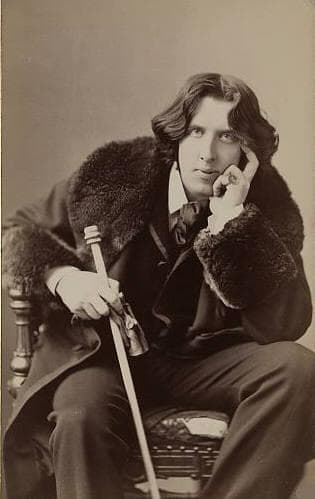
Oscar Wilde

Oscar Fingal O'Fflahertie Wills Wilde was an Irish poet and playwright. After writing in different forms throughout the 1880s, he became one of the most popular playwrights in London in the early 1890s. He is best remembered for his epigrams and plays, his novel The Picture of Dorian Gray, and the circumstances of his criminal conviction for gross indecency for consensual homosexual acts in "one of the first celebrity trials", imprisonment, and early death from meningitis at the age of 46.