“The butterfly lion was a symbol of hope, a promise that life could be beautiful again.”
— The narrator reflects on the lion's significance after its death.

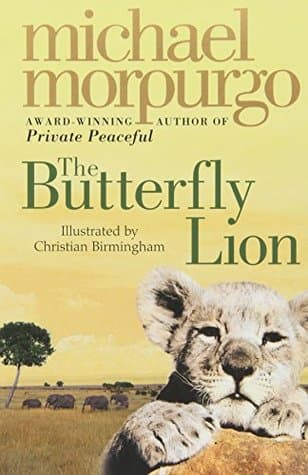
Michael Morpurgo (1996)
Genre
Children's / Historical Fiction
Reading Time
90 min
Key Themes
See below
Sign in to track this book
Separated by continents and circumstance, a boy and his orphaned white lion cub forge an unbreakable bond, promising a reunion that transcends the boundaries of time and memory.
The story begins with a young boy named Michael, unhappy at his new boarding school, running away and finding himself near a large, old house. He climbs over a wall and encounters an elderly woman, Millie, tending her garden. Instead of scolding him, Millie invites him in for tea and begins to tell him a story, sensing his sadness. She introduces him to a small, wooden lion she keeps on her mantelpiece, carved with butterflies, and explains that it represents a lifelong friendship she witnessed. This chance encounter sets the stage for Millie to recount the tale of Bertie and his white lion.
Millie begins her story by introducing Bertie, a young boy growing up on a farm in colonial Africa. Bertie often feels lonely, as his parents are busy with the farm and he has no siblings or close friends. One day, while exploring the veld, he discovers two newborn white lion cubs, one of whom is injured and abandoned after its mother is shot by a local farmer. Bertie, against his father's initial wishes, takes the cub home and nurses it back to health. He names the cub 'Charlie' and they quickly become inseparable, sharing a deep, unspoken bond as Charlie grows from a tiny cub into a young lion.
As Bertie grows older, his parents decide he must go to boarding school in England to receive a proper education. This news devastates Bertie, as it means leaving his beloved lion, Charlie. To make matters worse, Bertie's father, fearing the fully grown lion's danger and unable to keep it, sells Charlie to a French circus owner. Bertie is heartbroken and makes a promise to Charlie that he will find him again. The separation is painful for both boy and beast, marking a significant turning point in their lives.
Bertie struggles to adjust to life at his English boarding school, often feeling out of place and longing for Africa and his lion. He finds solace in drawing pictures of Charlie and dreaming of their reunion. During his school holidays, he often stays with an elderly woman, Miss Carter, a family friend. It is during one of these holidays, while walking in the countryside, that he first encounters a young Millie. They become friends, and Bertie shares his story of Charlie with her, confiding his hope of finding his lion again. Millie is captivated by his tale and his loyalty.
Meanwhile, the white lion, Charlie, now part of a traveling French circus, lives a life of captivity and performance. He never forgets Bertie. One day, during a storm, Charlie escapes from the circus. Driven by instinct and a deep-seated memory, he begins a long journey across the European landscape, avoiding humans and surviving on his own. His travels are marked by a quiet determination, symbolizing his longing for freedom and, perhaps, for his original companion.
Years pass, and Bertie, now a young man, serves as a soldier in the trenches of World War I in France. The horrors of war weigh heavily on him. One day, during a lull in fighting, he hears a familiar roar. Against all odds, he discovers Charlie, emaciated and scarred but unmistakably his lion, living wild in a nearby forest. Their reunion is emotional and miraculous. Bertie secretly visits Charlie whenever he can, bringing him food and comfort, rekindling their powerful bond amidst the devastation of war.
Millie, now living in France as a Red Cross nurse, is reunited with Bertie by chance. Bertie confides in her about Charlie, and Millie, an understanding friend, helps him keep the lion a secret, bringing him food when Bertie cannot. After the war ends, Bertie and Millie manage to bring Charlie back to England. They find a secluded farm where Charlie can live out his days in peace and freedom, hidden from the public. He lives a long, contented life, always close to Bertie and Millie, until his natural passing.
After Charlie's death, Bertie is heartbroken but filled with gratitude for their friendship. To commemorate his beloved lion, Bertie carves a wooden lion, covered with butterflies. The butterflies represent Charlie's gentle nature, his quiet strength, and perhaps his spirit soaring freely. This 'butterfly lion' becomes a cherished keepsake, a tangible symbol of a bond that transcended continents, war, and time. It is this carving that Millie shows to Michael, bringing the story full circle.
Bertie and Millie remain lifelong companions. They eventually marry and live a quiet, happy life in the old house with the beautiful garden. Though Charlie is gone, his memory lives on through the butterfly lion carving and the stories they share. They often speak of him, keeping his spirit alive in their hearts. Their love for each other is intertwined with their shared love and memory of the white lion, forming the foundation of their peaceful existence. Millie, now an old woman, cherishes these memories deeply.
Millie concludes her story, which has captivated young Michael. She explains that the old man who lived in the house, Bertie, was her husband, and she has kept their story alive. Michael, moved by the tale of loyalty, friendship, and enduring love, feels his own sadness lift. He no longer feels so alone or unhappy about boarding school. He thanks Millie, promises to return, and walks back to his school, carrying the lessons of Bertie and Charlie's story with him, forever changed by the 'butterfly lion'.
The Protagonist (frame story)
From a lonely, unhappy runaway, he gains solace and a new perspective on life and friendship through Millie's story.
The Supporting (frame story) / Primary Narrator
As a young girl, she witnesses and supports Bertie's unique friendship, then becomes his wife and the keeper of their shared memories.
The Protagonist (main story)
From a lonely boy, he becomes a devoted friend who endures great hardship to reunite with his lion, eventually finding peace and love with Millie.
The Supporting / Central Figure
From an abandoned cub, he grows into a magnificent lion who, despite captivity, finds his way back to his friend and lives out his days in peace.
The Supporting
He remains a figure of authority and practicality, representing the demands of the adult world that separate Bertie from Charlie.
The Supporting
She remains a supportive but somewhat distant maternal figure in Bertie's early life.
The Mentioned / Antagonist
He serves as a catalyst for Charlie's journey and escape, but his role is limited to the period of the lion's captivity.
The Supporting
She remains a supportive and kind figure in Bertie's young life in England.
The core theme of the book is the lifelong friendship between Bertie and Charlie, the white lion. Their bond transcends species, distance, and the ravages of war. Bertie's promise to find Charlie, and Charlie's instinctual journey back to Bertie, show loyalty. Millie's enduring friendship with Bertie and her commitment to preserving their story further reinforces steadfast relationships. The narrative shows that true friendship can overcome any obstacle.
“All my life I'll think of you, I promise I will. I won't ever forget you.”
The story is filled with the pain of loss and separation. Bertie experiences the initial loss of his lion when he is sent to boarding school and Charlie is sold. This separation is traumatic for both of them. The backdrop of World War I further shows themes of loss, as Bertie faces the horrors of war and the loss of innocence. Even the framing story begins with Michael feeling lost and unhappy. However, the narrative also shows how hope and the promise of reunion can sustain one through difficult times.
“He held the tiny carving in his hand, and I knew then that his heart had broken, just like mine.”
The book explores the tension between the wild, represented by Charlie and the African veld, and the demands of human civilization, such as education (boarding school) and war. Charlie's captivity in the circus shows the unnaturalness of confining wild creatures. Bertie's struggle to bridge these two worlds – his wild heart longing for Africa and his life in England – is central. The eventual return of Charlie to a peaceful, secluded life in England, overseen by Bertie and Millie, suggests a harmonious, if fragile, coexistence.
“A white lion in the veld is a miracle. A white lion in a cage is a tragedy.”
The entire narrative is framed by Millie telling Michael the story of Bertie and Charlie. This shows the importance of memory and storytelling in preserving history, love, and identity. Millie acts as a keeper of memories, ensuring that Bertie's life and his bond with Charlie are not forgotten. The wooden butterfly lion itself is a symbol of a cherished memory. Through storytelling, Michael's own sadness is alleviated, showing the power of shared narratives to heal and inspire.
“Some stories, she said, were too important to be forgotten.”
Despite numerous setbacks and sadness, the characters show hope and resilience. Bertie never gives up hope of finding Charlie, even through the despair of war. Charlie, too, shows resilience in escaping the circus and surviving his long journey. Millie's support and her ability to keep the story alive for decades also speak to enduring hope. The book suggests that even in the darkest times, hope and the promise of love can sustain individuals.
“He had promised he would find him, and Bertie never broke a promise.”
A story within a story, providing context and emotional depth
The novel uses a frame story structure, where the main narrative of Bertie and the white lion is told by an elderly Millie to a young, unhappy boy named Michael. This device allows for a reflective and nostalgic tone, as Millie recounts past events from a position of wisdom. It also serves to immediately engage the reader by presenting a mystery (the butterfly lion) and allows Michael's emotional journey to mirror the reader's, as he learns valuable life lessons through the tale.
Represents uniqueness, wildness, and an extraordinary bond
The white lion is a powerful symbol throughout the book. Its rarity emphasizes the uniqueness of Bertie's bond with Charlie. It represents a connection to the wild, untamed spirit of Africa, contrasting with the constraints of human society and war. Charlie also symbolizes purity, innocence, and an almost mythical quality of friendship. His survival and journey against all odds underscore the extraordinary nature of his loyalty and resilience.
A tangible symbol of enduring love, memory, and freedom
The small, wooden lion carving adorned with butterflies is a central symbolic object. It encapsulates the entire story: the lion for Charlie, and the butterflies representing his gentle spirit, his freedom after captivity, and perhaps the delicate yet beautiful nature of the bond he shared with Bertie. It serves as a physical manifestation of memory and a testament to a love that transcends death, acting as a portal for Millie to share her story with Michael.
Bertie's promise to find Charlie creates anticipation and drives the plot
Bertie's solemn promise to Charlie, 'I won't ever forget you,' made at the moment of their painful separation, acts as a significant piece of foreshadowing. It establishes the central goal of Bertie's life and creates a strong sense of anticipation for their eventual reunion. This promise drives Bertie's actions and thoughts throughout his adolescence and into adulthood, assuring the reader that their paths will cross again despite the immense obstacles.
“The butterfly lion was a symbol of hope, a promise that life could be beautiful again.”
— The narrator reflects on the lion's significance after its death.
“He was not just a lion; he was a friend, a companion through the darkest times.”
— Bertie describes his bond with the white lion in Africa.
“In the end, it is the memories that keep us alive, that give us strength.”
— Bertie shares wisdom with the narrator in his old age.
“The white lion was like a ghost, a beautiful, silent ghost in the bush.”
— Bertie first sees the lion in the African veld.
“We made a pact, the lion and I, to always remember each other.”
— Bertie recalls his childhood promise to the lion.
“War changes everything, but some things, like love, remain unchanged.”
— Bertie reflects on his experiences in World War I.
“The chalk lion on the hillside was our secret, a message to the world.”
— Bertie and Millie create the chalk lion in England.
“Sometimes, the bravest thing is to let go, to trust that love will find a way.”
— Bertie decides to release the lion back into the wild.
“Life is a circle, and we are all connected, like the butterflies on the lion.”
— The narrator observes the butterflies on the lion statue.
“He taught me that true friendship knows no boundaries, not even species.”
— Bertie speaks about his relationship with the lion.
“The lion's roar was not just a sound; it was a call to freedom, to home.”
— Bertie hears the lion roar after its release.
“In the silence of the night, I could still feel his presence, guiding me.”
— Bertie feels the lion's spirit after its death.
“We carved our story into the land, so it would never be forgotten.”
— Bertie and Millie create the chalk lion as a memorial.
“The butterfly lion was a miracle, a reminder that magic exists in the world.”
— The narrator describes the lion covered in butterflies.
Ready to see how well you understood this book? Take our interactive quiz with 10 questions.

Biography coming soon.

Dan Gemeinhart
4.5
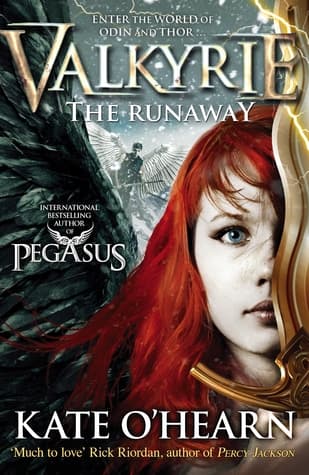
Kate O'Hearn
4.4

Jeanne Birdsall
4.4

Jen Wang
4.4
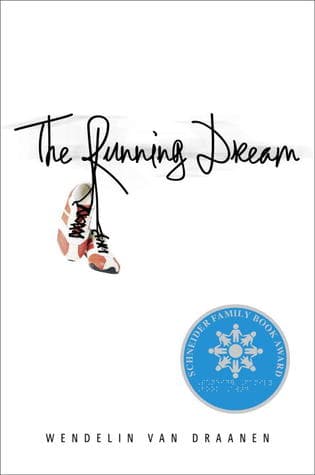
Wendelin Van Draanen
4.3

John Marsden
4.3

Chris Van Allsburg
4.3
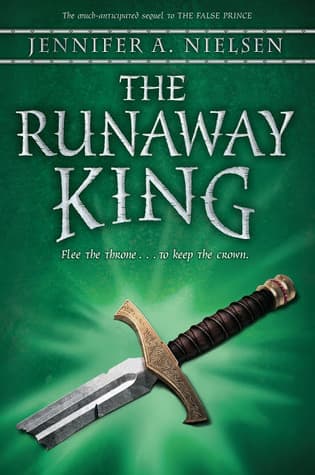
Jennifer A. Nielsen
4.2