“The children were all alone in the world, but they were not afraid.”
— After their parents die, the Alden children decide to live independently in an abandoned boxcar.

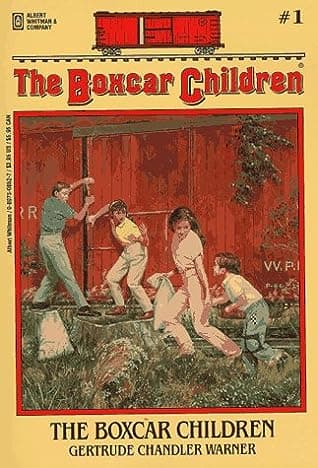
Gertrude Chandler Warner (1924)
Genre
Children's / Mystery / Young Adult
Reading Time
120 min
Key Themes
See below
Sign in to track this book
Four orphaned siblings turn an abandoned boxcar into a secret home, starting a self-sufficient adventure to stay together before finding the grandfather they never knew.
The story starts with the four Alden children—Henry (age 14), Jessie (age 12), Violet (age 10), and Benny (age 5)—after their parents' death. They overhear their grandparents' housekeeper talking about their wealthy but supposedly strict grandfather and his wish to take them in. The children decide to run away to avoid being separated. They fear their grandfather will be unkind and might split them up. They leave their home with little money, determined to stay together and make their own way, starting a journey of self-reliance and adventure.
After several days of walking and sleeping in haystacks, the Alden children find an abandoned boxcar deep in the woods. Tired and hungry, they see it as a perfect, hidden shelter. They decide to make it their new home. Henry, the oldest, takes charge, and they begin to clean and furnish their new dwelling with found objects and their small amount of money. This discovery begins their independent life, full of cleverness and cooperation as they turn the boxcar into a cozy, secret home.
The Alden children quickly set up routines to live in their boxcar home. Henry finds odd jobs in a nearby town, earning money for food and supplies. Jessie takes on the role of homemaker, cooking and organizing. Violet, artistic and quiet, helps with chores and finds berries. Benny, the youngest, is always cheerful and helps with small tasks. They find dishes, an old stovepipe, and even a small stream for water. Their teamwork turns the boxcar into a working and comfortable secret place, showing their strength and strong family bond.
Henry, looking for more steady work, gets a job helping Dr. Moore, an elderly and kind man, with gardening and chores at his large house. Dr. Moore pays Henry well and gives him meals, which Henry secretly takes back to his siblings. Henry enjoys the work and Dr. Moore's company, as Dr. Moore becomes a mentor. Unknown to Henry, Dr. Moore is a friend of their grandfather, and Henry's job will eventually lead to the children being found. This job is important for their money and brings a key person into their lives.
One day, Violet gets very sick with a high fever. The children, especially Henry, know they cannot care for her alone. Henry, desperate, tells Dr. Moore about his siblings and their boxcar home, asking for help for Violet. Dr. Moore, who had grown fond of Henry, is surprised by the news but immediately agrees to help. He brings Violet to his house to recover, giving her proper care and medicine. This crisis is a turning point, as their secret, kept for so long, is finally out.
As Violet gets better at Dr. Moore's house, Dr. Moore tells Henry a surprising truth: he knows their grandfather, Mr. Alden, very well. Mr. Alden is Dr. Moore's best friend, and he has been actively looking for the children for months, upset by their disappearance. Dr. Moore explains that their grandfather is a kind and loving man, not the strict person they imagined. He had been helping Mr. Alden search, unknowingly employing one of the children he was looking for. This news begins to change the children's wrong ideas about their grandfather.
When he hears the news, Mr. Alden immediately comes to Dr. Moore's house. The children are at first nervous, especially Benny, but their fears quickly disappear when they meet him. Mr. Alden is warm, gentle, and happy to find his grandchildren. He tells them he would never separate them and shows his deep love and relief. The children, seeing his true affection, realize their first fears were wrong. This emotional meeting ends their independent life in the boxcar and starts a new chapter with their loving grandfather.
The Alden children move into their grandfather's large and comfortable house. They are at first overwhelmed by the luxuries, having gotten used to their simple life in the boxcar. Mr. Alden makes sure they feel at home, giving them their own rooms and showing them kindness. While they enjoy the comfort, they also miss their boxcar and the freedom it meant. They begin to get used to their new, secure environment, valuing the stability and love their grandfather gives, though the memory of their adventurous past stays strong.
Knowing how much the boxcar means to his grandchildren, Mr. Alden arranges for it to be carefully moved from the woods to his backyard. The children are very happy and touched by this thoughtful act. The boxcar becomes their special playhouse, a place where they can remember their adventures and keep a connection to their time of independence. This act shows Mr. Alden's deep understanding and respect for his grandchildren's experiences, connecting their past with their new life of comfort and security.
With the boxcar now in their grandfather's yard, the Alden children fully accept their new life. They go to school, make new friends, and enjoy the security and love of their grandfather. Their boxcar adventure has made them resourceful, strong, and very thankful for family. They often visit their boxcar, remembering their time together and the lessons they learned. The story ends with the Alden children settled in a loving home, their bond made stronger by their shared experiences, and ready for future adventures with their grandfather.
The Protagonist
From a fearful fugitive leading his siblings, Henry grows into a confident and trusting young man who learns the value of accepting help and love.
The Protagonist
Jessie solidifies her role as the nurturing heart of the family, demonstrating leadership in domestic matters and adaptability to new environments.
The Protagonist
Violet, initially timid and prone to illness, learns to trust and finds security in her newfound family stability.
The Protagonist
Benny, initially a dependent child, learns resilience and adaptability while remaining the joyful heart of the family, eventually finding a stable home.
The Supporting
From an unknown, feared figure, Mr. Alden is revealed as a loving patriarch who provides a secure home for his grandchildren.
The Supporting
Dr. Moore serves as the unexpected bridge, connecting the children's independent life with their eventual reunion with their grandfather.
The Mentioned
N/A
The Supporting
Watch becomes a loyal and comforting companion, integrating into the Alden family's new life.
The main theme of 'The Boxcar Children' is the strong bond between the Alden siblings. Their main reason for running away is to stay together, and their cooperation, care, and love for each other are clear throughout their time in the boxcar. Henry's leadership, Jessie's nurturing, Violet's quiet support, and Benny's cheerfulness all help them survive and be happy. Even after meeting their grandfather, their shared experiences in the boxcar make their family unit stronger.
“'We must keep together,' said Henry, 'whatever happens. We have no one now but ourselves.'”
The children's journey shows their great ability to adapt and use what they have. From finding and furnishing the boxcar with old items to Henry's work to earn money, they show amazing cleverness. Jessie cooks with simple ingredients, and they all help maintain their secret home. This theme celebrates their independence and the satisfaction from building a life for themselves, even in hard times, before they meet their grandfather.
“'This is better than any house,' said Benny, 'because it is ours.'”
The book looks at what a 'home' truly is. For the Alden children, home is not a big house but where they are together, safe, and loved. The boxcar, despite its humble start, becomes a cherished home because they built it themselves and shared it as a family. When they move into their grandfather's mansion, they still value the boxcar, showing that emotional connection and shared experience, not money, define a real home. Their grandfather moving the boxcar confirms this feeling.
“'It's our own house, and nobody can turn us out!'”
A key theme is the children's first wrong idea of their grandfather as a strict and unkind person, which makes them run away. Their fear is based on overheard talks and guesses, not direct experience. The story slowly shows the truth of his kind and loving nature through Dr. Moore's words and their eventual meeting. This shows the dangers of judging too quickly and the importance of trust and clear talk, finally solving the main problem by changing their first fears.
“'Oh, children,' said Mr. Alden, 'I have been looking for you everywhere! I thought I should never find you.'”
The children's ability to handle trouble and find joy in their situation shows childhood strength. Despite being orphans and living in secret, they face their challenges with a sense of adventure and hope. They find excitement in exploring the woods, setting up their home, and even in everyday tasks. This theme highlights the natural strength and imaginative spirit of children, turning a hard situation into a memorable and important experience.
“'It was fun, wasn't it, living in the woods, and having our own house?'”
A central symbol of independence, home, and childhood ingenuity.
The boxcar serves as the literal and symbolic heart of the children's adventure. It represents their independence, their ability to create a home from nothing, and their resilience. It's a secret haven that shields them from the outside world and allows their sibling bonds to strengthen. Its eventual relocation to their grandfather's yard symbolizes the integration of their past adventures with their new, secure life, honoring their journey and memories.
The children's secret existence and their misjudgment of their grandfather.
This device drives the initial plot. The children hide their identities and their location, fearing their grandfather based on a mistaken perception of his character. This creates suspense and motivates their self-reliant lifestyle. The gradual revelation of their grandfather's true, kind nature, facilitated by Dr. Moore, resolves this central conflict and shifts the narrative from escape to reunion.
A benevolent figure who unknowingly aids the protagonists and bridges their two worlds.
Dr. Moore acts as a crucial plot device by unknowingly becoming Henry's employer and later the catalyst for the children's reunion with their grandfather. He is the 'kind stranger' who offers help without judgment, providing a safe haven for Violet and revealing the truth about Mr. Alden. His role bridges the children's independent life in the boxcar with their eventual return to family, facilitating the resolution of the story.
The children's carefully guarded existence that creates tension and motivates their actions.
The children's secret of living in the boxcar is a driving force throughout the first half of the book. It dictates their cautious behavior, their resourcefulness, and their constant vigilance. The fear of being discovered, especially by their grandfather, creates tension and highlights their desire for independence and to stay together. The eventual revelation of this secret, prompted by Violet's illness, leads directly to the story's resolution.
“The children were all alone in the world, but they were not afraid.”
— After their parents die, the Alden children decide to live independently in an abandoned boxcar.
“We can live here, and we can take care of ourselves.”
— Henry, the eldest, reassures his siblings about their new home in the boxcar.
“It's like a little house, only it's a car.”
— Jessie describes the boxcar to her younger siblings, making it feel like a home.
“We must be very careful not to let anyone know we are here.”
— Henry warns the children to stay hidden to avoid being separated.
“I found a pink cup and a broken pitcher.”
— Violet, the artistic one, discovers treasures that make the boxcar cozy.
“We'll have a garden and grow our own vegetables.”
— The children plan to sustain themselves by farming near the boxcar.
“It's fun to live in a boxcar.”
— Benny, the youngest, expresses joy in their unconventional life.
“We are the Boxcar Children.”
— The children proudly name themselves after their unique home.
“Let's keep it a secret, our beautiful home.”
— Jessie emphasizes the importance of hiding their boxcar from outsiders.
“We can make it nice with flowers and pretty things.”
— Violet suggests decorating the boxcar to create a welcoming environment.
“I'm going to be the cook.”
— Jessie takes on the role of preparing meals for the family.
“We don't need anyone else; we have each other.”
— Henry comforts the children when they feel lonely or scared.
“It's our own little world here.”
— Reflecting on their isolated but happy life in the boxcar.
“We'll always remember our boxcar days.”
— The children look back fondly on their time living independently.
Ready to see how well you understood this book? Take our interactive quiz with 10 questions.
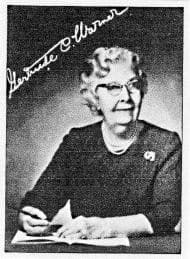
Biography coming soon.

Dan Gemeinhart
4.5

Kate O'Hearn
4.4

Jeanne Birdsall
4.4

Jen Wang
4.4

Wendelin Van Draanen
4.3

John Marsden
4.3

Chris Van Allsburg
4.3

Jennifer A. Nielsen
4.2