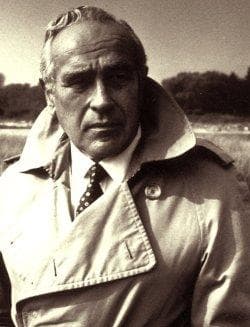
Biography coming soon.

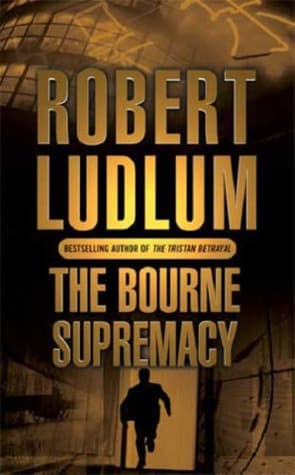
Robert Ludlum (1986)
Genre
Thriller / Mystery
Reading Time
12 Minutes
Key Themes
See below
Sign in to track this book
A phantom assassin haunted by his past must confront a deadly imposter who is using his name to plunge the world into chaos.
In Hong Kong, a mysterious assassin, using the name 'Jason Bourne,' meticulously plans and executes the murder of Yu Chun, a high-ranking Chinese Vice-Premier. The assassination is made to look like a professional hit, creating an international incident and escalating tensions between China and the United States. This new 'Bourne' is a phantom, leaving a trail that implicates the original Jason Bourne. The real Jason Bourne, living quietly as David Webb, a professor of Oriental Studies at the University of Maine, knows nothing of these events, believing his past is behind him. News of the assassination and the name 'Jason Bourne' quickly reaches international intelligence agencies, especially the CIA, who are both alarmed and bewildered by the return of their former operative.
The CIA, specifically Director of Consular Operations Alex Conklin and his colleague Peter Holland, are in crisis because of the Hong Kong assassination. They believe the original Jason Bourne has resurfaced and gone rogue, jeopardizing delicate international relations. Despite their past dealings with him, they decide the threat is too great to ignore. They initiate 'Medusa,' a protocol to locate and neutralize Bourne. This involves contacting David Webb's wife, Marie St. Jacques, and subtly manipulating her to alert Webb. Webb, now teaching peacefully, is at first reluctant to believe he is being targeted again, but the evidence and the reappearance of figures from his past force him to confront the terrifying possibility that his old identity is being used as a weapon.
Marie St. Jacques, after being contacted by the CIA and seeing suspicious activities around their home, confronts David about the 'Jason Bourne' incidents. She understands how serious the situation is and the danger it poses to their lives, especially their children. David wants to remain in his new identity, but Marie, drawing on her own strength and understanding of his past, convinces him that the only way to truly protect their family is to find and stop the imposter. This conversation is an important moment, as it marks David Webb's reluctant but determined decision to embrace the Bourne persona once more, not as an assassin, but as a hunter seeking justice and clarity.
Jason Bourne, now fully reactivated, begins his investigation, starting with the limited information from the CIA and his own instincts. He discovers that the assassin's methods, while superficially similar, have subtle differences that suggest a sophisticated mimicry. His path leads him back to the familiar, yet dangerous, streets of Hong Kong, a city deeply connected with his original Bourne identity. There, he navigates the criminal underworld, using his old contacts and skills to gather intelligence. He encounters figures like the enigmatic and dangerous head of the Hong Kong Triads, who provides cryptic clues and challenges, forcing Bourne to confront elements of his forgotten past.
As Bourne goes deeper into the Hong Kong underworld, he uncovers fragments of a larger conspiracy. He learns that the imposter Bourne is not merely a rogue assassin but is connected to a powerful, shadowy organization. The name 'Krupkin' surfaces, a legendary, almost mythical Soviet assassin believed to be long dead. Bourne realizes that Krupkin, or someone operating with his methods and resources, is orchestrating these events, using the 'Bourne' identity as a smokescreen. This revelation raises the stakes significantly, as Bourne now faces an adversary with immense power and a deep understanding of his own past.
Bourne, through deduction, interrogation, and dangerous encounters, uncovers Krupkin's true plan. Krupkin, a former KGB operative with a deep hatred for both the United States and China, is manipulating events to ignite a major conflict between the two superpowers. The assassination of Yu Chun was just the first step. Krupkin aims to use the 'Bourne' identity to commit further atrocities, escalating tensions to an irreversible point, thereby creating a new world order from the chaos. Bourne realizes the imposter is a pawn, and Krupkin is the true puppet master, pulling strings from the shadows.
Through intense confrontations and intelligence gathering, Bourne finally identifies the man posing as him. The imposter is not a random killer but a highly trained former intelligence operative, a product of a defunct Soviet program, who has been meticulously groomed and conditioned by Krupkin to mimic Bourne's skills and mannerisms. This revelation is unsettling for Bourne, as he sees a distorted reflection of his own past in his adversary. The imposter is driven by a deep loyalty to Krupkin and a warped sense of purpose, making him a formidable and dangerous opponent who believes he is fulfilling a greater destiny.
The pursuit of the imposter leads Bourne to Macau. Here, Bourne and the imposter engage in a high-stakes cat-and-mouse game across the city's labyrinthine streets, casinos, and hidden alleys. The imposter, believing himself to be the true Bourne, is equally determined to eliminate his 'rival.' Their encounters are brutal and intense, testing Bourne's skills to their limits. Bourne, however, is fighting for his life, his identity, and the truth. He uses his knowledge of the imposter's training and Krupkin's methods to anticipate his moves, turning the hunter into the hunted.
Krupkin, seeing the confrontation between the two Bournes as an opportunity to tie up loose ends, sets a trap to eliminate both of them. He orchestrates a scenario where the two Bournes are forced into a deadly encounter, with Krupkin's forces waiting to finish off the survivor. Bourne senses the manipulation, however, and manages to outwit Krupkin. He uses his superior tactical intelligence and understanding of Krupkin's cold logic to turn the trap against its creator, escaping the ambush and further solidifying his resolve to bring Krupkin down. This escape is a turning point, as Bourne now has the upper hand.
Bourne tracks Krupkin to his hidden base of operations, a formidable stronghold protected by a network of loyal operatives. In a climactic showdown, Bourne infiltrates Krupkin's lair, confronting the mastermind behind the entire conspiracy. The battle is not just physical but also a clash of ideologies and wills. Bourne systematically dismantles Krupkin's network, exposing his agents and thwarting his final plans to plunge the world into chaos. Ultimately, Bourne defeats Krupkin, ending his reign of terror and the threat he posed to global stability. The defeat of Krupkin also allows Bourne to reclaim his identity and clear his name.
With Krupkin defeated and his network exposed, Bourne gathers irrefutable evidence proving his innocence and the true nature of Krupkin's plot. He delivers this evidence to the CIA, specifically to Alex Conklin and Peter Holland, effectively clearing his name and preventing further international incidents. While the immediate threat is neutralized, Bourne knows that the shadows of his past, the original Treadstone project, and the lingering questions about his identity will always be a part of him. He returns to Marie, seeking solace and a return to their quiet life, but the experience has again reminded him of the fragile line between David Webb and Jason Bourne.
David Webb and Marie St. Jacques return to their secluded life, attempting to pick up the pieces and rebuild the peaceful existence they had before. However, the events of the 'Bourne Supremacy' have left a lasting mark. David is more aware than ever of the world's memory of Jason Bourne and the potential for that identity to be resurrected or misused again. While he finds comfort in Marie and their family, the echoes of his past and the skills he possesses remain. The ending suggests a fragile peace, a constant vigilance, and the understanding that while Krupkin is gone, the world of espionage is always lurking, and Jason Bourne may be called upon again.
The Protagonist
David Webb is forced to shed his peaceful academic persona and fully embrace the Jason Bourne identity to confront an imposter and a global conspiracy, ultimately reaffirming his core humanity despite his lethal skills.
The Supporting
Marie demonstrates incredible strength and resolve in facing the re-emergence of Bourne's past, acting as his primary motivation and emotional anchor throughout the ordeal.
The Supporting
Conklin transitions from viewing Bourne as a rogue agent to a necessary, albeit dangerous, asset in uncovering a larger international conspiracy.
The Supporting
Holland initially supports Conklin's aggressive stance against Bourne but gradually comes to understand the true nature of the threat, advocating for a more nuanced approach.
The Antagonist
Krupkin's meticulously planned scheme to ignite a global conflict is ultimately thwarted by the real Jason Bourne, leading to his downfall.
The Antagonist
The Imposter Bourne, initially a confident and effective tool for Krupkin, is ultimately outmaneuvered and defeated by the real Jason Bourne, exposing his identity as a mere copy.
The Supporting
Yu Chun's assassination serves as the initial spark for the entire conflict, making him a pivotal plot device rather than a developing character.
The Supporting
The Triads primarily serve as a backdrop and source of information/conflict for Bourne, their internal dynamics remaining largely static.
The novel centers on Jason Bourne's fragmented identity and his constant struggle to reconcile his violent past with his desire for a normal life as David Webb. The existence of an imposter Bourne forces him to confront who he is and the lasting mark his past has left. He grapples with memories that are both a burden and a key to understanding the present, constantly questioning where David Webb ends and Jason Bourne begins, and whether true escape from his past is ever possible. The imposter acts as a terrifying mirror, reflecting the person Bourne once was.
“He was Jason Bourne, and he was David Webb, and the two were inextricably linked, a tormenting, terrifying bond he could never fully break.”
Deception is central to the plot, from Krupkin's elaborate scheme to frame Bourne to the imposter's careful mimicry of his identity. The novel explores how identity can be weaponized and manipulated, blurring the lines between truth and fabrication. Bourne must not only fight a physical enemy but also disentangle a web of lies designed to sow chaos and incriminate him. This theme highlights the psychological warfare in espionage, where perception can be as powerful, if not more so, than reality, and where one's name can be stolen and used against them.
“The greatest weapon was not a gun, but a name, a reputation, twisted and turned against its rightful owner.”
The book portrays the immense personal and international costs of the clandestine world. Bourne's life shows the psychological scars left by government programs like Treadstone. The plot is a cascade of international incidents triggered by a rogue agent's actions, demonstrating how secrets and covert operations can destabilize global relations. The CIA's own internal struggles and moral compromises further highlight the heavy price paid by individuals and nations caught in the web of espionage, where trust is a luxury and betrayal is a constant threat.
“In this world, alliances were written in sand, and loyalty was a word whispered in the dark, easily forgotten.”
At its heart, the novel is driven by Bourne's fierce desire to protect his family. Marie and his children represent the normal life he desperately craves and the anchor that keeps him from fully succumbing to his past. His decision to re-enter the dangerous world of espionage is not for personal glory or vengeance, but solely to eliminate the threat that endangers those he loves. This theme highlights the contrast between the cold, brutal world of spies and the warmth and vulnerability of domestic life, showing that even the most hardened operative can be motivated by deep personal bonds.
“He fought not for country, nor for flag, but for the quiet laughter of his children and the steady hand of his wife.”
The novel examines the ethical dilemmas faced by intelligence agencies and individuals wielding immense power. Krupkin's desire to manipulate global events for his own agenda is a prime example of unchecked power, while the CIA's initial willingness to target Bourne, even if he were innocent, highlights the 'ends justify the means' mentality prevalent in intelligence. The story questions who controls these powerful assets and what moral boundaries are crossed in the name of national security, forcing characters like Conklin and Holland to grapple with difficult decisions.
“Power was a corrosive agent, eating away at conscience until only the objective remained.”
An imposter mirroring the protagonist's identity and skills.
The imposter 'Jason Bourne' serves as a crucial doppelgänger, creating confusion and directly threatening the real Bourne's identity and life. This device not only drives the plot forward by forcing Bourne out of hiding but also serves as a psychological torment, forcing him to confront a distorted reflection of his past self. The imposter's existence raises questions about what defines an identity and how easily it can be stolen or duplicated, adding a layer of existential dread to Bourne's mission.
The central, driving objective that propels the plot.
Krupkin's intricate master plan to destabilize global powers and ignite a conflict between China and the US acts as the primary MacGuffin. While the details of the plan are gradually revealed, its existence and the threat it poses are what motivate Bourne, the CIA, and other factions. It provides the overarching stakes and urgency for the entire narrative, giving Bourne's individual quest to clear his name a much larger, world-saving significance, pushing the story towards a global climax.
Bourne's incomplete and returning memories of his past.
Although less central than in 'The Bourne Identity,' Bourne's fragmented memories continue to be a significant plot device. His incomplete understanding of his own past, particularly his original training and contacts, creates both obstacles and unexpected advantages. These returning flashes of memory often provide crucial clues or insights into the imposter's methods and Krupkin's network, while simultaneously serving as a constant reminder of the trauma that shaped him, adding depth to his character and motivations.
How external characters misinterpret Bourne's actions and identity.
The perception of Jason Bourne by other characters, particularly the CIA and international agencies, acts as a form of external unreliable narration. They initially believe the real Bourne has gone rogue, based on the imposter's actions. This misinterpretation drives much of the early conflict and forces Bourne to not only fight Krupkin but also to clear his name against the backdrop of powerful organizations determined to neutralize him. It highlights the difficulty of discerning truth in the world of espionage and emphasizes Bourne's isolation.
Ready to see how well you understood this book? Take our interactive quiz with 10 questions.
Biography coming soon.







