
Marlon James may refer to:Marlon James (novelist), Jamaican writer, winner of the 2015 Man Booker Prize Marlon James (footballer), Vincentian retired footballer

Marlon James (2009)
Genre
Literary Fiction / Historical Fiction
Reading Time
12 Minutes
Key Themes
See below
Sign in to track this book
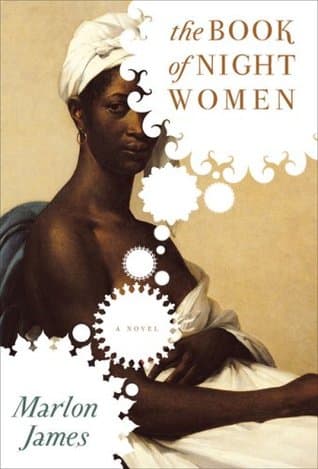
Born into Jamaican slavery, a woman of dark power named Lilith becomes the reluctant center of a slave revolt, her desires and identity threatening to unravel the very conspiracy she's meant to ignite.
The novel begins with Lilith's birth on a Jamaican sugar plantation in 1785. Her mother, Homer, a field slave, dies soon after the difficult delivery. The other slave women, especially the older, more perceptive ones, are immediately struck by Lilith's unusual yellow eyes and the unsettling silence after her birth. They sense something strange about her, whispering about omens and a 'dark power.' Miss Mbiti, a respected elder and healer, takes a special interest in the infant, feeling she has a destiny beyond the ordinary. Lilith's early life is defined by this perception of her as different, a child touched by the unknown, setting her apart even among the enslaved community.
As Lilith grows, she is raised not by one mother figure, but by the older slave women, mainly Miss Mbiti and the other 'Night Women' – a secret group planning a rebellion. She watches their hidden meetings, their coded language, and their rituals, though she doesn't fully understand their plans at first. Lilith's childhood is harsh, filled with the brutal realities of plantation life: constant labor, the overseer's cruelty, and the ever-present threat of violence. However, she also experiences fierce loyalty and protection from these women, who see in her not just a child, but a possible tool for their future. Her 'otherness' continues to be a subject of quiet talk and careful observation among them.
Upon reaching adolescence, Lilith's striking appearance, especially her unusual eyes, attracts the attention of the plantation owner, Robert Quinn. She is moved from the fields to work in the Great House, a common path for young slave women, but one full of danger. The Night Women meet this move with worry, fearing her closeness to Quinn will endanger their plans. Lilith experiences the disturbing reality of a slave woman's vulnerability to her master. Quinn's attention is a mix of possessiveness and a strange, almost fearful interest in her unique qualities, further isolating her within the house and the slave community. Her new role brings her closer to the power dynamics of the plantation's white inhabitants.
In the oppressive atmosphere of the Great House, Lilith finds herself drawn to Cato, the new Irish overseer. Their relationship starts with stolen glances and quiet talks, becoming a passionate and dangerous affair. Cato, though an overseer, is also an outsider, and their shared sense of alienation creates a fragile bond. This forbidden love is a great risk for both of them, especially for Lilith, as discovery would mean severe punishment, even death. The affair complicates her loyalty to the Night Women and their cause, as she struggles with her personal desires against the collective fight for freedom. It becomes a source of both comfort and immense internal conflict for her.
As Lilith matures, the Night Women, led by Miss Mbiti, fully initiate her into their long-planned conspiracy. They reveal the details of their intended rebellion, a coordinated uprising meant to overthrow the white masters and gain their freedom. They believe Lilith, with her perceived 'dark power' and her strategic position within the Great House, is vital to their success. Her role is not just as a participant, but as a key figure, perhaps even a spiritual catalyst. This revelation places a huge burden on Lilith, forcing her to face the seriousness of their mission and her own place within it, while still navigating her complex feelings for Cato and her growing sense of identity.
Lilith's involvement in the Night Women's conspiracy clashes with her growing love for Cato. She is torn between her duty to her people and the rebellion, and her deep, personal connection to the overseer. The Night Women see Cato as an enemy, a symbol of their oppression, making Lilith's affection for him a dangerous betrayal in their eyes. This internal conflict is agonizing for Lilith, who wants a life beyond slavery and the strict expectations of the rebellion. She questions the path laid out for her, wanting control over her own destiny rather than being a tool for others, even if those others are her own people fighting for freedom.
Robert Quinn's mental state worsens throughout the novel, marked by increasing paranoia, fits of rage, and a deepening obsession with Lilith. He is tormented by his slaves' perceived disloyalty and the general unrest on the island. His interactions with Lilith become more volatile and possessive, a dangerous game of power and psychological manipulation. He tries to control her, not just physically, but emotionally, believing she holds some key to his own salvation or destruction. This unstable environment in the Great House adds another layer of tension and danger to Lilith's already precarious existence, making her a direct witness to her oppressor's unraveling sanity.
As the rebellion nears, the Night Women grow more suspicious of Lilith. Her withdrawn behavior, her occasional absences, and the rumors of her relationship with Cato fuel their distrust. Miss Mbiti, while still believing in Lilith's inherent power, becomes wary of her divided loyalties. Pressure mounts on Lilith to prove her commitment to the cause, while simultaneously hiding her forbidden affair. The community's watchful eyes and the constant fear of exposure create an atmosphere of intense paranoia, where every action is scrutinized, and every secret risks unraveling the entire conspiracy, possibly leading to terrible consequences for all involved.
The long-planned slave rebellion finally erupts, throwing the plantation into chaos. The Night Women, along with other enslaved people, rise up against their masters and overseers, driven by years of brutal oppression. The uprising is marked by intense violence, as the enslaved fight for their freedom with desperate ferocity. Lilith finds herself caught in the conflict, forced to make immediate and life-altering decisions. The initial stages of the revolt are bloody and uncertain, with both sides suffering casualties. The Night Women's carefully laid plans are put to the ultimate test amidst the unpredictable nature of armed conflict, and the fate of the rebellion hangs in the balance.
In the chaotic aftermath of the rebellion, Lilith faces the full, brutal consequences of the uprising. Lives are lost, and the plantation is irrevocably changed. She must confront the outcomes of her choices and loyalties, particularly regarding Cato and the Night Women. The novel's climax sees Lilith making a definitive, self-serving decision that ultimately shapes her destiny, choosing a path that prioritizes her own survival and agency, even if it means diverging from the collective struggle. This final act highlights her complex character, showing her resilience and her determination to forge her own future, regardless of the expectations placed upon her.
The Protagonist
Lilith evolves from a child seen as an instrument for a rebellion to a woman who asserts her own agency, making choices that prioritize her individual survival and freedom over prescribed roles.
The Supporting
Miss Mbiti remains steadfast in her mission, eventually entrusting Lilith with crucial responsibilities, though her faith in Lilith's full loyalty wavers.
The Supporting
Cato struggles with his conscience and his love for Lilith, ultimately choosing a path that reflects his humanity despite his complicity in the system of slavery.
The Antagonist
Quinn descends further into madness and paranoia, his control over the plantation and himself unraveling, ultimately facing the consequences of his brutality.
The Supporting
Homer's arc is tragic and brief, her death serving as the catalyst for Lilith's unique upbringing and destiny.
The Supporting
The Night Women develop their conspiracy over many years, ultimately launching their rebellion and facing its consequences, with their unity tested by Lilith's individual desires.
The Supporting
Miss Aggie remains a critical, often antagonistic, figure within the Night Women, her loyalty to the cause often clashing with her personal feelings towards Lilith.
The Supporting
Miss Ma provides consistent, albeit cautious, support and wisdom to Lilith, acting as a steadying force amidst the chaos.
The novel explores what freedom means for an enslaved person, moving beyond just physical liberation to include personal agency and self-determination. Lilith's journey highlights the conflict between collective freedom (the rebellion) and individual freedom (her desires, her love for Cato). It questions whether true freedom is possible if one is still bound by the expectations or plans of others, even those fighting for a just cause. The narrative suggests that agency is not just about escaping chains, but about the right to define one's own life and choices, often at great personal cost and against immense societal pressures.
“And I know I am not free, not truly free, until I can choose what path to walk, not just the one that is laid out for me.”
This theme examines the many forms of power dynamics within the brutal system of slavery and the various types of resistance it creates. It shows the overt power of the masters (Robert Quinn) and overseers (Cato's initial role), but also the subtle, often spiritual, power wielded by the enslaved, particularly the Night Women. Their conspiracy is organized resistance, while Lilith's 'dark power' represents a more mystical, individual influence. The novel illustrates that resistance isn't always violent; it can also be found in maintaining cultural identity, secret communication, and the sheer will to survive and hope for a different future, even under extreme duress.
“They think they break us with the whip, but we break them with patience and with the knowing of what is coming.”
Lilith's 'otherness' is central to her identity, marked by her unusual eyes and the perceived 'dark power' from birth. This theme explores how identity is shaped by both internal perception and external categorization, especially within a dehumanizing system like slavery. Lilith struggles with being seen as an instrument or an omen rather than a whole person, navigating the expectations placed upon her by the Night Women, Robert Quinn, and even Cato. Her journey is one of self-discovery, as she tries to define herself outside the roles assigned to her, asserting her individuality in a world that seeks to erase it. Her unique nature both isolates her and empowers her.
“They see a power in me, a darkness, but they do not see me. They see what they want me to be.”
The novel explores the complexities of love and its potential for both comfort and betrayal in a world defined by oppression. Lilith's forbidden love for Cato is a central conflict, challenging her loyalties to the Night Women and the rebellion. This theme explores how love can cross social barriers, yet also put individuals at immense risk. Betrayal is not always malicious; it can come from conflicting loyalties, self-preservation, or the impossible choices forced upon people in extreme circumstances. The narrative questions whether love can truly flourish or endure when intertwined with such deep-seated power imbalances and the constant threat of violence.
“Love is a dangerous thing when you own nothing, not even your own heart.”
The novel is set in the historical context of Jamaican slavery, exploring how the past shapes the present and future. The collective memory of brutal injustices fuels the Night Women's rebellion, and the characters live with the inherited trauma of their ancestors. The narrative itself, told through Lilith's unique voice, is an act of remembering and telling, ensuring that the stories of the enslaved are not forgotten. This theme highlights how history is not a static past but a living force that continues to influence identity, conflict, and the struggle for justice, even across generations.
“The past is not past. It is a whisper in the wind, a memory in the blood, always here.”
Lilith's unique and often subjective perspective shapes the narrative.
The entire novel is narrated by Lilith in the first person, but her unique voice and perspective make her an unreliable narrator. Her 'dark power' and the mystical elements she perceives often blur the lines between reality and her subjective experience. She sometimes withholds information, hints at future events, or interprets situations through her own lens of fear, desire, and intuition. This device creates suspense and forces the reader to question what is 'actually' happening versus Lilith's interpretation, deepening the mystery surrounding her and the events of the plot. It also provides an intimate, yet often fragmented, insight into her internal world and struggles.
Hints of future events and mystical portents create suspense.
From Lilith's birth, the narrative is laced with foreshadowing and omens, particularly concerning her 'dark power' and the impending rebellion. The slave women's whispers about her destiny, the recurring dreams or visions Lilith experiences, and cryptic statements from Miss Mbiti all hint at future events and the weight of Lilith's role. This device builds suspense, creating a sense of inevitability and mysticism around the plot. It reinforces the idea that some events are predetermined or guided by forces beyond human control, adding a layer of spiritual significance to the brutal realities of plantation life.
The novel frequently employs opposing forces and ideas.
The narrative is structured around numerous dualities: master vs. slave, white vs. black, freedom vs. bondage, love vs. duty, individual vs. collective, and the natural vs. supernatural. These contrasts highlight the inherent conflicts within the story and the characters' struggles. For example, Lilith's love for Cato, an overseer, directly contrasts with her loyalty to the Night Women's anti-master rebellion. The Great House stands in stark contrast to the slave quarters. This device emphasizes the deep divisions and moral ambiguities present in the world of the novel, forcing characters and readers alike to grapple with complex, often irreconcilable, opposing forces.
The narrative voice mimics traditional oral storytelling, rich with cultural nuances.
The novel's distinct voice, characterized by its non-standard English, rhythmic prose, and use of Creole dialect, evokes the rich oral tradition of Jamaica. Lilith's narration often feels like a story being told aloud, with direct addresses to an unseen listener, repetitions, and vivid imagery. This device grounds the narrative in a specific cultural heritage, giving authenticity to the voices of the enslaved. It also reinforces the importance of storytelling as a means of preserving history, culture, and identity in the face of oppression, allowing the characters' experiences and perspectives to be conveyed with raw power and emotional depth.
Ready to see how well you understood this book? Take our interactive quiz with 10 questions.
Marlon James may refer to:Marlon James (novelist), Jamaican writer, winner of the 2015 Man Booker Prize Marlon James (footballer), Vincentian retired footballer







