
David Demchuk is a Canadian author known for his dark, visceral fiction. His debut novel, "The Bone Mother," published in 2017, garnered critical acclaim for its unsettling atmosphere and exploration of folklore and trauma. Demchuk's work often delves into themes of memory, identity, and the monstrous, establishing him as a distinctive voice in contemporary horror and speculative fiction.
Archivist's Choice
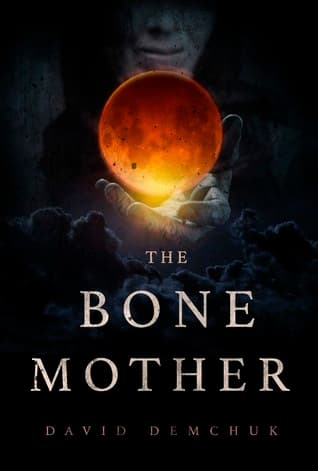
The Bone Mother
David Demchuk (2017)
Genre
Fantasy
Reading Time
12 Minutes
Key Themes
See below
Track Your Reading
Sign in to track this book
As war looms and a brutal regime hunts them, the last mythical beings of Eastern Europe gather in their final refuge to share their stories and face extinction.
Synopsis
In the shadow of an impending war and the relentless pursuit of the Night Police, three villages nestled on the Ukrainian/Romanian border become the last bastion for the mythical creatures of Eastern Europe. As their sanctuary is threatened and their ancient kind faces eradication, various fantastical beings come forward to share their personal histories and confront the destinies awaiting them. Through interwoven narratives, they reveal tales of love, loss, survival, and the enduring power of myth in a world on the brink of collapse, all while a mysterious 'Bone Mother' watches over their collective fate.
Difficulty
Medium
Pacing
Moderate
Mood
Melancholy, mythical, dark, poignant, atmospheric, haunting
Plot Summary
The Last Refuge
The story begins by introducing three remote, neighboring villages—Hutsulshchyna, Bukovina, and Transcarpathia—on the border between Ukraine and Romania. These villages are the last sanctuary for the dwindling mythical creatures of Eastern European folklore, who have long lived in hiding among humans. A sense of impending doom hangs over them, as World War II approaches and the feared 'Night Police' (implied to be an occupying force or a specialized unit hunting their kind) close in. Creatures like rusalky, strigoi, and vodyaniky begin to gather, knowing their time is short. This opening sets a somber tone and establishes the central conflict: survival against overwhelming human hostility and the encroaching war.
The Story of the Rusalka
One of the first tales is from a Rusalka, a water spirit. She recounts her human life as a young woman who loved a miller. Her story is one of tragic betrayal; the miller promised marriage but then abandoned her for another, leading her to drown herself in despair. After her death, she became a Rusalka, bound to the water and driven by a desire for vengeance against men who betray women. Her narrative shows the sorrow and supernatural powers that define her, highlighting injustice and the transformation of human suffering into a monstrous form. Her story is an example of how these mythical beings originate and what motivates them.
The Strigoi's Confession
A Strigoi, a type of vampire, shares his experience, giving a different view of their supernatural existence. Unlike the vengeful Rusalka, the Strigoi's tale is marked by deep weariness and isolation. He describes the endless hunger and the moral compromises needed to sustain his life, often at the expense of human lives. His confession reveals an internal conflict, torn between predatory instincts and a lingering sense of humanity or regret. He speaks of the loneliness of immortality and the constant threat of discovery, emphasizing the heavy price of his powers. His narrative explores the complexities of good and evil and the blurred lines that define his kind.
Baba Yaga's Prophecy
The ancient Baba Yaga, a powerful witch, appears, offering an older, more cynical perspective on events. Known for her wisdom and unpredictable nature, she delivers cryptic prophecies and observations about the impending war and its effects on both humans and mythical creatures. She speaks of destruction and rebirth's cyclical nature and humanity's endless conflicts. Her insights are often delivered with a detached, almost amused air, yet they carry great weight. She offers no comfort but a stark, realistic assessment of their grim situation, emphasizing change's inevitability and the difficulty of escaping fate. Her presence shows the deep roots of folklore in the region.
The Vodyanik's Domain
A Vodyanik, a male water spirit, recounts his existence tied to rivers and lakes. Unlike the Rusalka's personal tragedy, the Vodyanik's story focuses on his role as a guardian and often a punisher of those who disrespect the water. He describes his powers to lure the unwary to their deaths, especially those who swim after dark or disrespect his domain. His narrative highlights the ancient, pagan relationship between humans and nature, where natural forces are personified and can be benevolent or malevolent depending on human behavior. He speaks of ecological balance and the consequences of human disregard for the environment, hinting at deeper connections between the creatures and the land itself.
The Night Police Descend
The Night Police become a real threat as they infiltrate the villages' perimeter. Descriptions of their methodical and brutal tactics instill fear among the gathered creatures. These forces are portrayed as relentless, unfeeling hunters, equipped with modern weapons and chilling efficiency. Initial encounters are brief but violent, resulting in the capture or deaths of some less powerful or cautious beings. This section shifts from shared narratives to direct action, as the creatures confront imminent danger. The idyllic, if melancholic, sanctuary is shattered by the harsh realities of their persecution.
Tales of the Werewolf
A werewolf shares their harrowing experiences, focusing on their dual nature. They describe agonizing transformations, loss of control, and primal urges during their beastly form. Their narrative explores the internal struggle between human consciousness and savage wolf instincts, touching on identity and the burden of a curse. The werewolf speaks of the constant fear of harming loved ones and the isolation that comes with their condition, making them an outcast even among other supernatural beings. Their story shows monstrosity as both a blessing and a curse, and the eternal conflict within oneself.
The Bone Mother's Counsel
The titular 'Bone Mother' (implied to be a form of Baba Yaga or a similar ancient spirit of life and death, possibly a personification of the earth itself) takes a central role. She is an ancient, powerful entity, deeply connected to the land and the cycle of existence. She offers cryptic but profound counsel to the desperate creatures, speaking not of escape but of acceptance, legacy, and the continuation of their essence. Her wisdom transcends individual survival, focusing on preserving their stories and the spirit of their kind. She represents folklore's enduring power and nature's deep, often brutal, wisdom, preparing them for what is to come.
The Last Stand
As the Night Police fully close in, the remaining mythical creatures realize escape is no longer an option. They decide to make a final stand, not necessarily for victory, but to preserve their dignity, stories, and perhaps inflict some resistance. This section describes their preparations, alliances formed among disparate beings, and emotional goodbyes. The atmosphere is heavy with resignation and defiance. Each creature, drawing on unique powers and ancient knowledge, prepares for a confrontation they know will likely be their last, highlighting their courage in the face of annihilation and their deep connection to their heritage.
Echoes and Legacies
The final section deals with the immediate aftermath of the confrontation. While battle specifics are somewhat ambiguous or conveyed through fragments, the outcome is clear: the mythical creatures suffer heavy losses, and their physical presence in the world is largely eradicated. However, the narrative emphasizes that their stories, essence, and the folklore they represent endure. The 'Bone Mother's' influence is felt most strongly here, as the book suggests that even in destruction, there is a form of continuation. The book closes on a note of melancholy but also resilience, implying that while physical beings may vanish, the power of their myths and the human need for such tales will always find a way to persist, perhaps even to be reborn.
Principal Figures
The Rusalka
The Supporting
Her arc is largely static, driven by her past tragedy, but her telling of it provides insight into the origins of such beings.
The Strigoi
The Supporting
He grapples with his identity and morality, ultimately accepting his fate and choosing to stand with his kind.
Baba Yaga
The Supporting
She serves as a guide and prophet, her wisdom shaping the creatures' understanding of their impending doom and their legacy.
The Vodyanik
The Supporting
His arc is primarily to illustrate the power and ancient role of nature spirits, providing a facet of the creatures' collective identity.
The Werewolf
The Supporting
Their story highlights the personal suffering inherent in their condition, contributing to the collective narrative of persecution and pain.
The Bone Mother
The Protagonist/Guiding Force
She guides the creatures towards understanding their ultimate fate and the importance of their stories, embodying the cyclical nature of existence and the power of myth.
The Night Police
The Antagonist
They are a static, external force of destruction, serving as the catalyst for the creatures' final gathering and confrontation.
The Viy
The Supporting
Its narrative contribution emphasizes the diverse and dangerous powers present among the creatures and the desperation of their plight.
Themes & Insights
The Enduring Power of Folklore and Storytelling
At its heart, the novel is about the resilience of myths. Even as the creatures face extinction, their stories, passed down through generations, are presented as immortal. Recounting their tales becomes an act of defiance and preservation, ensuring that their essence, if not their physical forms, will continue to exist in human consciousness. The 'Bone Mother' herself embodies this theme, being a spirit of narrative and memory.
““We are not truly gone as long as our stories are told. We live in the whispers, in the fear, in the wonder.””
Identity and Monstrosity
The creatures constantly grapple with their identities, often born from human tragedy or cursed transformations. They are 'monsters' in humanity's eyes, yet their own narratives reveal complex motivations, sorrows, and even morality. The novel explores what it means to be a monster—is it defined by appearance, actions, or others' perception? It challenges the reader to empathize with beings often demonized, showing their internal struggles and the humanity (or lack thereof) within their monstrous forms.
““They call us monsters, but what is more monstrous than the hatred in human hearts?””
The Price of Progress and Modernity
The encroaching World War II and the 'Night Police' symbolize modern human civilization's destructive force, with its technology, ideologies, and capacity for systematic eradication. This 'progress' spells doom for the ancient, wild, and magical world embodied by the mythical creatures. The novel laments the loss of connection to nature and the mystical, suggesting that humanity's drive for order and control ultimately destroys the very wonder it once feared. It highlights the clash between the ancient world and the modern.
““The world is shrinking. There is no room left for us, for the old ways, for the magic that once lived in every shadow.””
Loss and Legacy
A pervasive sense of loss permeates the narrative, as the creatures face their kind's imminent extinction. However, intertwined with this despair is the theme of legacy. The characters are not just fighting for their lives, but for the continuation of their heritage, their myths, and their place in collective memory. They seek to leave something enduring, even if it's only their stories, ensuring their existence wasn't in vain and that the magic they represent won't be entirely forgotten.
““We may vanish from sight, but our echoes will haunt the rivers and forests, if only in the stories they tell of us.””
Survival and Resistance
Despite overwhelming odds and almost certain doom, the creatures display remarkable resilience and a quiet form of resistance. Their survival isn't always about physical triumph but about enduring, adapting, and refusing to be silenced. Their gathering to share stories, their decision to make a final stand, and the very act of existing in a world that seeks to eradicate them, are all acts of resistance against oblivion. It's a struggle not just for life, but for the right to exist and be remembered.
““To tell our tales is to refuse to die. It is to plant seeds in the ashes of our burning world.””
Plot Devices & Literary Techniques
Frame Narrative
Stories within a story, providing context for the creatures' existence.
The novel employs a frame narrative structure, where the overarching story of the creatures gathering in their last refuge during wartime serves as a framework for individual characters to tell their personal histories and myths. Each creature's 'story' or confession is a self-contained narrative that deepens the reader's understanding of their origins, motivations, and the nature of their kind. This device allows for a rich tapestry of folklore to be woven, showcasing diverse perspectives and traditions, while also building a sense of community and shared fate among the disparate beings.
Anthropomorphism
Giving human qualities to non-human mythical beings.
Demchuk extensively uses anthropomorphism to make the mythical creatures relatable and complex. While they possess supernatural abilities and non-human forms, they are imbued with human emotions like love, betrayal, sorrow, regret, weariness, and fear. This device allows the reader to empathize with beings traditionally seen as monstrous, challenging preconceived notions and highlighting their internal struggles. It blurs the line between human and monster, suggesting that even the most fantastical beings share fundamental emotional experiences with humanity.
Foreshadowing
Hints of impending doom and the creatures' ultimate fate.
Foreshadowing is a pervasive element throughout the novel, creating a sense of dread and inevitability. From the initial mention of the 'Night Police' closing in to Baba Yaga's cryptic prophecies and the characters' own somber reflections on their dwindling numbers, the narrative constantly hints at the tragic outcome awaiting the mythical creatures. This device builds tension and emotional weight, making the creatures' shared stories more poignant as they unfold against the backdrop of their impending doom, preparing the reader for the eventual, devastating confrontation.
Symbolism
Objects and concepts representing deeper meanings.
Symbolism is rich in 'The Bone Mother.' The villages themselves symbolize the last bastions of the old world and magic against encroaching modernity. The 'Bone Mother' symbolizes the enduring power of folklore, memory, and the cyclical nature of life and death, even in the face of annihilation. The 'Night Police' symbolize the destructive forces of human prejudice, war, and the eradication of the mystical. The stories told by the creatures are not just narratives, but symbolic acts of resistance and preservation, embodying the very essence of their kind.
Critical analysis
Notable Quotes
Quiz
Test Your Knowledge
Ready to see how well you understood this book? Take our interactive quiz with 10 questions.
10
Questions
~5
Minutes
?
Best Score
Key Questions (FAQ)
The Bone Mother is a fantasy novel set on the Ukrainian/Romanian border, where three villages serve as a sanctuary for mythical creatures of Eastern Europe. As war looms and the Night Police close in, these creatures share their stories and face their fates.







