“It was a small blue umbrella, and it was a very fine umbrella too.”
— Describing Binya's new prized possession.

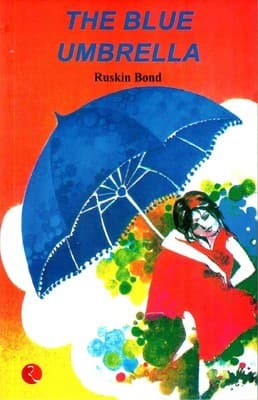
Ruskin Bond (1992)
Genre
Children's
Reading Time
30 min
Key Themes
See below
Sign in to track this book
In a Garhwal village, a young girl's blue umbrella, acquired through a trade, becomes a symbol of joy, envy, and an unexpected act of kindness among the dry brown hills.
Binya, a young girl in a Garhwal village, grazes her cows and goats in the mountains. She enjoys the freedom of the hills. One day, she sees a group of picnickers. Among their things, a bright blue Japanese silk umbrella catches her eye. Its color stands out against the natural landscape. A woman from the picnic party sees Binya looking at the umbrella. Amused by Binya's quiet wanting, the woman offers to trade the umbrella for Binya's leopard's claw necklace, which Binya wears for luck. Binya agrees to the trade at once, happy to have the umbrella.
Binya goes back to her village, carrying her new blue umbrella. Its color and design immediately get everyone's attention. The villagers, used to simple things, have never seen such a beautiful umbrella. Children follow her, looking at it, and adults show their awe. Binya likes her umbrella, carrying it everywhere, even when it is not raining. She is proud of her special item, and it becomes a part of her, showing her uniqueness and a bit of luxury in her simple life. Her brother, Bijju, also likes it, though he secretly wishes he had something as special.
Ram Bharosa, the grumpy old shopkeeper, really likes Binya's blue umbrella. From the moment he sees it, he wants to own it. He often sits outside his small shop, watching Binya walk by with her umbrella, wanting it. He tries different ways to get it, offering Binya sweets or small items, hoping she might give it up. But Binya protects her umbrella and politely says no to all his tries. Ram Bharosa's wanting grows, making him think about it constantly and feel a bit bitter, as he cannot accept that such a beautiful item belongs to a child while he, a shopkeeper, cannot have it.
One windy afternoon, while Binya is on the hillside, a strong wind takes the blue umbrella from her hand. It tumbles down the slope, bouncing towards a deep ravine. Binya, scared of losing her umbrella, tries to get it, but the ground is hard. Her older brother, Bijju, who is nearby, sees what happens. With his quickness, Bijju runs ahead, catching the umbrella just before it falls. He gives it back to a relieved Binya, who is very thankful. This event makes the umbrella even more important to Binya and strengthens her bond with it, and it also shows Bijju's protective side for his sister and her things.
Ram Bharosa's desire for the umbrella gets very strong, leading him to a desperate act. One day, he sees a chance when Binya leaves her umbrella outside a tea shop. He quietly takes the umbrella, planning to hide it and then say he found it, or just keep it. But a young boy named Rajaram, who works for the tea shop, sees Ram Bharosa take the umbrella. Rajaram, a simple but honest boy, tells the other villagers. When faced by the community, Ram Bharosa has to admit he stole it. He is shamed, his name hurt, and he gives the umbrella back to Binya.
Even though her umbrella is back, Binya's feelings about it have changed. The event with Ram Bharosa, and daily use, seem to have lessened its specialness for her. The bright blue has faded a bit, and the first excitement is gone. She sees Ram Bharosa's continued longing look, now with regret and sadness. One evening, Binya, moved by sudden kindness, goes to Ram Bharosa's shop. Without a word, she hands him the blue umbrella, surprising the old man. She tells him he can keep it, a very generous act of forgiveness.
Ram Bharosa is surprised and touched by Binya's unexpected gift. His face, usually grumpy, softens with thanks and a bit of shame for what he did. He takes the umbrella, valuing it as a sign of Binya's kindness and his own change. He starts to treat Binya and Bijju with more warmth, often giving them sweets or tea for free. The blue umbrella, now his, becomes a quiet source of joy for him. Later, Ram Bharosa, wanting to show his thanks, gives Binya a new, small, bright red umbrella. This finishes the cycle of giving and starts a new friendship between the old shopkeeper and the young girl.
The Protagonist
From a child captivated by a material object and fiercely protective of it, Binya matures to understand the value of generosity and compassion over ownership.
The Antagonist/Supporting
He transforms from a covetous and somewhat bitter old man to a grateful and benevolent member of the community, finding redemption through Binya's compassion.
The Supporting
He remains a constant, supportive figure for Binya, demonstrating loyalty and practicality.
The Mentioned/Catalyst
Her brief appearance acts as a catalyst for the entire story, introducing the central object.
The Supporting
His honesty serves as a moral compass, ensuring justice is served in the village.
The blue umbrella shows the desire for something beautiful and special. Binya first shows this desire, trading her lucky charm for it and valuing it greatly. Ram Bharosa's strong wanting for the umbrella shows the darker side of wanting things and envy, leading him to steal. The story contrasts Binya's later happiness and willingness to give up the umbrella when its 'magic' lessens, with Ram Bharosa's first unhappiness caused by his desire. In the end, Binya finds more joy in giving, and Ram Bharosa finds peace not in owning, but in getting a gift and giving kindness back.
“'The umbrella was like a flower, a great blue flower that had sprung up on the dry brown hillside.'”
This theme is key to how the story ends. Ram Bharosa's first actions come from selfishness and envy, leading to his public shame. But Binya's unexpected act of giving him the umbrella offers him a way to change. Her generosity changes him, helping him get past his bitterness and become a kinder part of the community. His later gift of a red umbrella to Binya completes this cycle, showing how kind acts can heal and build good relationships, helping people find a way to moral recovery.
“'It was no longer the same umbrella. It was just an umbrella. Binya knew that she would never love it as much as she had loved it at first.'”
The story is set in the Garhwal hills, showing the beauty and simplicity of rural life. Binya spends her days freely in nature, with goats and cows, which contrasts with the sudden appearance of the blue umbrella. The umbrella's first appeal is how it stands out against the natural browns and greens of the land. Ruskin Bond often shows the charm of ordinary village life, where small events have big meaning and human feelings happen in a simple, natural setting. Simple pleasures, like wild berries or the wind, are quietly valued.
“'Binya loved the hills, the smell of the pines, the sight of the wild flowers, the feel of the wind.'”
Binya shows childhood innocence through her first pure joy in a beautiful item and her honest nature. Her choice to trade her leopard's claw, a symbol of luck, for the umbrella shows a child's immediate reaction to beauty. But her character also shows a deep, almost natural wisdom. Her ability to forgive Ram Bharosa and give away her most valued item, not because she lost it but from empathy and a changed view of its worth, shows a growth beyond just innocence. She understands that real happiness is not about owning things, but about human connection and care.
“'She did not regret the loss of the leopard's claw. She had the umbrella, and that was enough.'”
A central symbol representing desire, beauty, and the transient nature of material possessions.
The blue umbrella is the most prominent symbol in the story. Initially, it symbolizes exotic beauty, uniqueness, and Binya's pride and individuality. For Ram Bharosa, it represents a deep, almost irrational desire and the longing for something beyond his simple existence. As the story progresses, its fading color and Binya's changing feelings about it symbolize the transient nature of material desires and the eventual realization that true happiness lies not in possession, but in acts of kindness and human connection. It becomes a catalyst for character development and thematic exploration, driving the entire narrative.
A symbol of luck, tradition, and personal value, traded for a new desire.
The leopard's claw necklace is Binya's initial prized possession, inherited and believed to bring good luck. It represents her connection to tradition, her family, and a more rustic, intrinsic value system. Her willingness to trade it for the blue umbrella signifies her immediate, strong desire for something new and beautiful, highlighting a shift in her priorities. The trade itself is a pivotal moment, setting the entire plot in motion and establishing Binya's character as one who follows her heart, even if it means parting with something traditionally valuable for something aesthetically pleasing.
The Garhwal hills provide a backdrop emphasizing simplicity, community, and natural beauty.
The setting of the Garhwal hills is more than just a location; it's a crucial element that establishes the atmosphere and context of the story. The simple, close-knit village life, far removed from urban complexities, highlights the significance of small possessions and the impact of individual actions within the community. The natural beauty of the hills contrasts with and accentuates the striking color of the blue umbrella, making it stand out more prominently. This setting reinforces themes of contentment with simplicity and the strong communal bonds that ultimately facilitate both conflict and redemption among the characters.
“It was a small blue umbrella, and it was a very fine umbrella too.”
— Describing Binya's new prized possession.
“She took it everywhere with her, even when there was no sign of rain.”
— Illustrating Binya's deep attachment to the umbrella.
“The umbrella was her companion, her friend, her protector.”
— Binya's personification of the umbrella.
“Sometimes she lent it to her friends, but always with a warning to be careful.”
— Binya's cautious sharing of her special item.
“The other children in the village admired it, and some were a little envious.”
— The umbrella's status symbol among the children.
“Binya was a happy girl, and the umbrella seemed to add to her happiness.”
— The umbrella's contribution to Binya's joy.
“She wouldn't have exchanged it for anything in the world.”
— Emphasizing the umbrella's irreplaceable value to Binya.
“The wind tried to snatch it away, but Binya held on tight.”
— Binya's determination to protect her umbrella from nature's forces.
“The shopkeeper, Ram Bharosa, coveted the umbrella.”
— Introducing the shopkeeper's desire for the umbrella.
“He offered her money, then sweets, but Binya refused.”
— Ram Bharosa's attempts to buy the umbrella.
“It was just an old, faded umbrella now, but it was still special to her.”
— Binya's continued affection for the umbrella even as it aged.
“Binya felt sorry for him, for his loneliness, for his desire.”
— Binya's empathy towards Ram Bharosa after he tries to steal the umbrella.
“And so, the blue umbrella, having brought so much joy, was given away.”
— Binya's selfless act of giving the umbrella to Ram Bharosa.
“Ram Bharosa never really smiled, but a slight tremor at the corners of his mouth indicated pleasure.”
— Ram Bharosa's subtle reaction to receiving the umbrella.
“The world was full of other umbrellas, but none could be quite like the blue one.”
— Reflecting on the unique significance of Binya's umbrella.
Ready to see how well you understood this book? Take our interactive quiz with 10 questions.
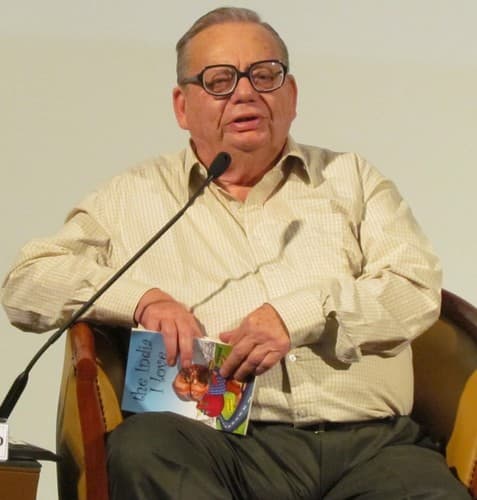
Biography coming soon.

Dan Gemeinhart
4.5

Kate O'Hearn
4.4

Jeanne Birdsall
4.4

Jen Wang
4.4

Wendelin Van Draanen
4.3

John Marsden
4.3

Chris Van Allsburg
4.3
Jennifer A. Nielsen
4.2