“A woman's hands are her destiny.”
— The protagonist, a young girl, is learning the intricate craft of carpet weaving from her mother.

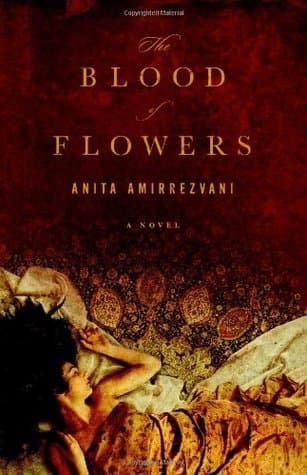
Anita Amirrezvani (2007)
Genre
Historical Fiction / Romance
Reading Time
9-10 hours
Key Themes
See below
Sign in to track this book
In 17th-century Isfahan, a young woman, stripped of her dowry and forced into servitude, defies a grim future by weaving her heartbreak and artistic skill into magnificent Persian carpets, ultimately risking everything for a life chosen on her own terms.
In 17th-century rural Persia, a thirteen-year-old girl, the unnamed narrator, prepares for marriage. Her father, a kind and observant man, promises her a good dowry, including a beautiful carpet he is designing himself, ensuring her a good match. He teaches her the art of carpet weaving, sharing his passion and knowledge. However, tragedy strikes when her father unexpectedly falls ill and dies. Without a dowry, the girl's marriage prospects disappear, and her mother, left with nothing, must seek help from her wealthy merchant uncle, Gourgen, in the city of Isfahan. This sudden change marks the end of her childhood and the start of a harsh new life.
The narrator and her mother travel to Isfahan, a city of busy markets and grand mosques, a sharp contrast to their simple village life. Gourgen, her mother's brother, who is a famous carpet designer for the Shah's court, takes them in. While Gourgen's home is luxurious, their place is that of servants. The girl observes the social ranks and the rules placed on women, especially those without status. She also meets her cousin, a beautiful but often unkind girl, and her aunt, a strict woman who manages the household. Despite the comforts, the girl feels a deep sense of not belonging and a loss of self-respect.
Driven by her natural talent and her father's lessons, the narrator secretly begins to sketch carpet designs. Her uncle, Gourgen, eventually finds her drawings. Recognizing her unusual gift, he takes her into his workshop as an apprentice. This is an uncommon and special position for a woman, giving her access to a world of art and creativity usually for men. She quickly does well, learning complex patterns and color theories, and her designs begin to show a unique style. However, her artistic success does not raise her social standing, and her chances for a good marriage remain poor because she lacks a dowry.
As the narrator grows, her mother becomes more desperate to arrange a marriage for her, even if it means sacrificing her daughter's happiness. A wealthy and much older rug merchant, Ardashir, proposes to the narrator. While she does not love or find him attractive, his wealth offers security and a way out of her current subservient status. Her mother and aunt pressure her to accept, stressing the practical benefits of such a match. The narrator, though unsure, sees this as her only real option to escape the shame of being a dowerless woman and secure a future, even if it is one without love.
The narrator marries Ardashir and moves into his home. Her life as his wife brings material comfort but emotional emptiness. Ardashir is kind in his own way but distant and focused on his business. Their marriage lacks passion or intellectual connection. The narrator feels increasingly alone, longing for real companionship and understanding. Her only true comfort comes from her continued, often solitary, work on her carpet designs. She puts her emotions and artistic vision into her creations, finding a voice and purpose that her marriage denies her. Her designs become more detailed and expressive, reflecting her inner world.
After several years of marriage, Ardashir unexpectedly dies. His death leaves the narrator a young widow, a position that brings both freedoms and restrictions in Persian society. While she is no longer bound by an unfulfilling marriage, her status as a widow, especially one without children, limits her future options. She inherits a portion of Ardashir's wealth, giving her some financial independence, but she is still open to societal pressures. Her family, particularly her mother, again urges her to remarry, fearing for her security and reputation. The narrator, however, wants a different kind of life.
During her widowhood, the narrator meets a talented young painter, a dervish named Bahram, who shares her artistic sense and love for beauty. They meet secretly, sharing talks about art, philosophy, and life, and a deep emotional and intellectual bond forms between them. This forbidden love offers the narrator a glimpse of the companionship and understanding she wanted in her marriage. However, their relationship is socially unacceptable due to his lower status and her position as a widow. The risks of pursuing such a connection are huge, threatening her reputation and safety, but the pull of true affection is strong.
Throughout her challenges, the narrator continues to improve her carpet-making skills. She begins designing and weaving a truly magnificent carpet, a masterpiece that includes all her knowledge, personal experiences, and unspoken emotions. This carpet becomes a canvas for her life story – her grief, her strength, her longing for love, and her artistic successes. The detailed patterns, the bright colors, and the hidden symbols within the design all speak to her journey. This creation is not just a product but a deep artistic statement, showing her identity and her ability to overcome her situation through art.
As a wealthy widow, the narrator faces renewed pressure from her family to remarry. Her mother and aunt, concerned with a woman's traditional place in society, arrange potential matches, often with unsuitable men. However, the narrator, having experienced some independence and true artistic fulfillment, finds herself unwilling to give up her freedom again. She resists these pressures, determined to build a life on her own terms, even if it means going against societal expectations. Her artistic success and financial stability give her the means to assert her will, a rare advantage for a woman in 17th-century Persia.
The narrator's masterpiece carpet is finally finished and put on display, either in a market or through her uncle's connections, earning admiration for its beauty and originality. This exhibition brings her significant recognition as a master weaver, a rare achievement for a woman. During this time, she has a chance encounter or reunion with Bahram, the painter, restarting their connection. The carpet itself, with its hidden stories and artistic brilliance, quietly shows her lasting spirit and talent, attracting not only buyers but also those who understand its deeper meaning. This public success is mixed with her personal desires.
Faced with the choice between a conventional, secure, but loveless marriage, and the uncertain but emotionally rich path with Bahram, or a fully independent life dedicated to her art, the narrator must make a significant decision. She struggles with the societal results of defying norms, the possible poverty and exclusion that come with choosing love over security, or art over marriage. Ultimately, she chooses a path that prioritizes her self-respect and artistic fulfillment. While the novel does not explicitly state a traditional 'happily ever after,' it emphasizes her ability to shape her own future, even if it means some loneliness or disapproval from society.
The narrator's life shows how art can be a way to survive, express oneself, and define who you are. Her carpets, especially her masterpiece, are not just decorations but stories woven with her experiences. They are her voice in a society that often silenced women. Her artistic legacy, perhaps recognized after her death or through the lasting beauty of her work, goes beyond her personal struggles, leaving behind a lasting impression of a woman who found freedom and identity through her creative spirit. The novel ends with the understanding that her art is her true and lasting legacy.
The Protagonist
From a dowerless girl with no prospects, she transforms into an independent and acclaimed artist who chooses her own destiny, even if it means defying societal norms.
The Supporting
His death marks the end of the narrator's idyllic childhood and forces her into a harsh reality, but his teachings continue to guide her.
The Supporting
She remains largely static, driven by societal norms and anxieties, often clashing with her daughter's growing desire for independence.
The Supporting
He evolves from a somewhat detached relative to a mentor who appreciates and utilizes the narrator's unique artistic abilities.
The Supporting
He serves as a temporary provider and a means for the narrator to escape her initial dowerless state, though his presence highlights her emotional isolation.
The Supporting
He represents an alternative path for the narrator, embodying love and artistic freedom that stands in contrast to societal expectations.
The Supporting
She remains a static character, representing the rigid societal structure and traditional female roles.
The Mentioned
She serves as a contrast to the narrator, showcasing the life of privilege the narrator was denied.
The main theme is how art, specifically carpet weaving, helps the unnamed narrator survive, find identity, and express herself. In a society where women, especially those without dowries, have little say or power, her artistic talent becomes her safe place and her strength. Her carpets are not just objects but stories, weaving her joys, sorrows, dreams, and defiance into patterns. The masterpiece carpet, in particular, shows her life's journey and her refusal to be silenced, allowing her to overcome her situation and leave a lasting legacy. For example, her designs become more complex and personal after her father's death and during her unfulfilling marriage, directly showing her inner world.
“A carpet is a story, a tapestry of life. Each knot a word, each thread a thought, each color an emotion.”
The narrator's journey involves a constant struggle to keep her dignity in a society that tries to take it away due to her lack of a dowry and her gender. From being forced into servitude to an unfulfilling marriage, she consistently tries to assert her worth. Her artistic success gives her some financial independence and recognition, which in turn fuels her desire for personal freedom. Her refusal to remarry only for security, even when pressured by her family, is a strong statement of her right to choose her own path and live a life of integrity, even if it has social costs. This is clear in her defiance of her mother's attempts to arrange new marriages for her after Ardashir's death.
“A woman without a dowry is like a rug without a pattern—it has no value, no purpose.”
The novel clearly shows the strict social structures and limited roles for women in 17th-century Isfahan. Women are largely defined by their marital status, dowry, and ability to have children. They have little public presence and are often treated as goods or dependents. The narrator's experiences—her vulnerability without a dowry, the pressure to marry for security, the rules of her uncle's household, and the challenges of being a widow—all highlight these widespread limits. The story shows how even wealthy women are bound by expectations, while poor women face even greater hardship. Her artistic pursuits are an uncommon rebellion against these norms.
“For a woman, a husband is a roof over her head, and a dowry is the foundation of that roof.”
Beneath the surface of social struggles, the novel explores the narrator's deep emotions of love, loss, and unfulfilled longing. The initial loss of her father and the security he represented sets the tone for much of her journey. Her marriage to Ardashir, while secure, lacks true affection, leaving her wanting emotional connection. The forbidden love she experiences with Bahram, the painter, represents a brief moment of real closeness and shared passion. This theme highlights the universal human desire for love and understanding, even when society makes it incredibly difficult or impossible to achieve.
“My heart, like an unfinished carpet, longed for the missing threads of companionship and love.”
The story constantly deals with the tension between a predetermined fate (especially for women in her society) and an individual's ability to choose. The narrator's initial misfortunes, like her father's death and lack of dowry, seem to seal a bleak future. However, through her artistic talent, resilience, and choices—from pursuing her art to resisting unwanted marriages—she actively shapes her destiny. While she cannot escape all societal limits, she exercises power where she can, showing that even within a very restrictive system, individuals can create some self-determination. Her decision to pursue art over a traditional marriage is a prime example of choosing free will.
“Some say our lives are already woven, like a carpet on the loom of destiny. But I believe we choose our own threads, and sometimes, even the pattern.”
A symbolic and literal representation of the protagonist's life and artistic journey.
The masterpiece carpet the narrator designs and weaves is the central plot device. It functions both literally as a grand artistic creation and symbolically as a repository for her life's experiences, emotions, and aspirations. Each knot, color, and pattern within the carpet tells a part of her story – her grief for her father, her unfulfilled desires, her artistic triumphs, and her defiance. Its creation spans significant periods of her life, and its eventual exhibition brings her recognition and a moment of reckoning with her past and future. It is her voice, her legacy, and her ultimate act of self-expression.
A crucial determinant of a woman's status and marriage prospects.
The dowry is a pivotal plot device that drives much of the narrator's initial conflict and subsequent struggles. Her father's inability to provide one upon his death immediately reduces her status from a marriageable girl to a dependent, forcing her into servitude. The absence of a dowry makes her vulnerable to exploitation and limits her options for a desirable match. It highlights the economic and social precariousness of women in 17th-century Persia and underscores the narrator's constant battle for dignity and security. The dowry's absence is the catalyst for her entire journey.
Allows for deep insight into the protagonist's inner world and emotional struggles.
The story is told from the first-person perspective of the unnamed narrator. This narrative choice provides intimate access to her thoughts, feelings, observations, and artistic process. It allows the reader to experience her vulnerability, her resilience, her longing, and her growth directly, fostering a strong empathetic connection. This perspective is crucial for understanding the subtle ways she navigates a restrictive society and for appreciating the depth of her artistic expression, which often serves as her only outlet for her inner life.
A vibrant and contrasting backdrop that reflects both beauty and harsh realities.
Isfahan, the fabled capital of 17th-century Persia, serves as more than just a backdrop; it is a character in itself. Its bustling bazaars, grand mosques, and intricate architecture provide a rich, sensory experience for the reader, contrasting sharply with the narrator's humble village origins. However, Isfahan also represents the rigid social hierarchy, the opulence of the wealthy, and the struggles of the poor. The city's beauty and cultural richness underscore the narrator's artistic inspiration, while its social structures highlight the constraints she faces. It is a place of both opportunity and oppression.
“A woman's hands are her destiny.”
— The protagonist, a young girl, is learning the intricate craft of carpet weaving from her mother.
“Beauty is a dangerous gift in a woman's possession.”
— The narrator reflects on the perils faced by women, particularly those considered beautiful, in their society.
“The threads of a carpet are like the threads of a life: each one carefully chosen, each one contributing to the whole.”
— A metaphor used to describe the meticulous nature of weaving and its parallels to life's journey.
“A woman without a husband is like a house without a roof.”
— The harsh reality of a woman's social and economic vulnerability without a male protector is discussed.
“Love is a pattern, intricate and often painful to weave.”
— The protagonist's understanding of love evolves through her experiences, comparing it to the complexities of carpet design.
“Sometimes the greatest strength is found in quiet endurance.”
— The narrator observes the resilience of women in her community who face hardship with quiet determination.
“A secret is a knot that tightens the longer it is kept.”
— The burden of a hidden secret weighs heavily on a character, creating tension and internal conflict.
“The world is not always just, especially for women.”
— A bitter realization shared by a character facing an unfair situation due to her gender.
“Hope is a fragile thread, but it can weave miracles.”
— Despite overwhelming odds, a character clings to hope, believing in the possibility of a better future.
“The patterns we choose in life define the tapestry of our existence.”
— A philosophical reflection on the choices individuals make and how they shape their lives, akin to designing a carpet.
“Even in the darkest dyes, there can be a glimmer of light.”
— A moment of optimism during a period of great despair, suggesting that beauty and hope can be found even in difficult times.
“To be truly free, one must first be free in one's mind.”
— A character contemplates the nature of freedom, realizing that internal liberation is as important as external circumstances.
“Grief is a color that never truly fades from the heart's design.”
— The lasting impact of loss and sorrow is described as an indelible part of one's emotional landscape.
Ready to see how well you understood this book? Take our interactive quiz with 10 questions.







