“The problem with having a purpose is that it gives you a target.”
— Gavin Guile reflecting on his past and the dangers of clear objectives.

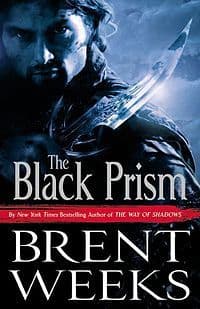
Brent Weeks (2010)
Genre
Fantasy
Reading Time
1260 min
Key Themes
See below
Sign in to track this book
The most powerful man in a world sustained by magic races against his own inevitable demise while grappling with the sudden emergence of a secret son who could shatter his carefully constructed peace.
The story begins in the Satrapy of Tyrea, where Kip, an overweight, seemingly useless teenager, lives with his mother, Lina. Tyrea is under siege by the Color Prince, Koios, and his army. During an escape attempt, Kip's village is overrun. Lina tells Kip that his father is Gavin Guile, the powerful Prism, and gives him a magical dagger and a letter before pushing him into a secret tunnel. Kip barely escapes, witnessing his mother's death. He then encounters a monstrous 'bane' creature and a mysterious old man named Karris, who seems to know more about Kip than he lets on, and directs him towards the Chromeria.
Meanwhile, Gavin Guile, the Prism, deals with the political consequences of Koios's rebellion and the coming war. He is the most powerful drafter in the world, able to draft all colors of luxin, but his power has a terrifying cost and a limited lifespan. Gavin is haunted by the past and the secret of his imprisoned brother, Dazen, whom he defeated and replaced as Prism years ago. Dazen, now blind and confined in a cell of black luxin, constantly torments Gavin, mocking his decisions and reminding him of his failures. Gavin also struggles with his complicated relationship with Karris Whiteoak, a former lover and a powerful Blackguard.
Kip, guided by Karris Whiteoak, goes on a dangerous journey towards the Chromeria, the center of the magical world and Gavin's seat of power. They face many challenges, including attacks from rogue drafters and Koios's forces. During their travels, Kip discovers he has a latent drafting ability, though it is uncontrolled. Karris, initially believing Kip to be a mere orphan, gradually suspects his true lineage due to his resilience and a certain resemblance. She also tries to teach him some basic survival and combat skills, often with a harsh demeanor that hides her growing concern for him.
Upon reaching the Chromeria, Kip's identity as Gavin's son is confirmed, though Gavin initially tries to deny it publicly to protect Kip. The revelation causes a stir within the Chromeria, as Gavin had always claimed to be infertile. Kip is enrolled in the Chromeria's drafting school, where he struggles with his weight, his lack of discipline, and the expectations placed upon him as the Prism's son. He quickly makes enemies, particularly with Liv Danavis, a talented young drafter, and finds a mentor in the gruff, one-eyed commander, Ironfist, who sees potential in Kip despite his flaws.
Kip's drafting training is difficult. He learns about the different colors of luxin and the dangers of 'breaking the halo,' a condition where drafters exceed their color limits and go mad. His unique ability to draft multiple colors, though uncontrolled, marks him as potentially powerful. He struggles with the academic side of drafting and the strict discipline of the Chromeria. Ironfist takes Kip under his wing, teaching him combat and strategy, while also building his confidence. Kip also begins to form friendships, most notably with Teia, a quiet and observant drafter with a mysterious past.
Gavin, meanwhile, is deeply involved in the political workings of the Chromeria and the Satrapies. He tries to form alliances and secure resources to fight Koios, who is quickly consolidating power and gaining followers with his charismatic, messianic claims. Koios, a powerful drafter himself, preaches a new order and is allied with ancient entities known as the 'Color Gods.' Gavin understands the seriousness of the threat, knowing that Koios seeks to dismantle the existing world order and unleash a new age of chaos.
In his black luxin prison, Dazen continues to taunt Gavin, revealing fragmented truths about their shared past and the war that led to Dazen's imprisonment. He hints at a deeper conspiracy and the true nature of the Prism's power. Dazen's words are often cryptic and manipulative, leaving Gavin to wonder what is real and what is merely his brother's attempt to break him. The conversations between the two brothers are a constant reminder of Gavin's burdens and the moral ambiguities of his reign.
As the war intensifies, Kip finds himself on the front lines, despite Gavin's initial reluctance. He participates in the Battle of the Jaspers, an important engagement against Koios's forces. During the battle, Kip's raw, untrained drafting abilities appear in spectacular and often dangerous ways, saving his companions but also putting him at great risk. He shows courage and a surprising tactical mind, earning the respect of his peers and the admiration of Ironfist. The battle is a brutal introduction to war for Kip, forcing him to confront death and make difficult choices.
Karris, a dedicated Blackguard, grapples with her rekindled feelings for Gavin and her duty. She helps protect Kip and provides intelligence. Meanwhile, Liv Danavis, initially a rival of Kip's, becomes disillusioned with the Chromeria's leadership and its perceived corruption. Influenced by Koios's charismatic words and her own personal grievances, Liv makes the shocking decision to defect to Koios's side, believing he offers a path to a better world, showing the insidious appeal of the Color Prince's movement.
Facing overwhelming odds and Koios's growing power, Gavin makes a desperate, self-sacrificing move to protect the Chromeria and his people. He pushes his drafting abilities to their absolute limits, risking 'breaking the halo' to unleash devastating power against Koios's forces. This act draws the attention of the super-violet god, further entangling Gavin in ancient prophecies and the looming threat of the Blinding Knife. The novel ends with the war far from over, Koios still a significant threat, and Kip's future, as well as the world's, hanging in the balance, hinting at a larger, older conflict.
The Protagonist
Gavin begins as a jaded leader carrying immense secrets and guilt, but the discovery of his son, Kip, reignites a sense of hope and a desire to protect his legacy, even as his past continues to haunt him.
The Protagonist
Kip transforms from a self-conscious, overlooked boy into a budding drafter and warrior, finding his place and purpose in a world far grander and more dangerous than he imagined.
The Supporting
Karris reconciles her past with Gavin and her duties, finding a new purpose in protecting Kip and guiding him through the dangers of the Chromeria.
The Antagonist/Supporting
Dazen's arc is largely static in this book, as he remains imprisoned, but his revelations slowly unravel the past and challenge Gavin's understanding of himself and the world.
The Antagonist
Koios rises as a significant threat, gathering power and followers, setting the stage for a grand conflict.
The Supporting
Ironfist transitions from a loyal commander to a paternal mentor for Kip, guiding him through his early training and battles.
The Supporting/Antagonist
Liv's arc sees her growing disillusionment with the Chromeria lead to her defection, positioning her as a potential antagonist.
The Supporting
Teia develops a strong friendship with Kip, showcasing her quiet strength and loyalty as she navigates the challenges of the Chromeria.
The novel explores identity through Kip's journey. Initially an overweight, insecure boy, Kip struggles to reconcile his perceived worthlessness with the revelation of his parentage as the Prism's son. He constantly battles self-doubt and the expectations placed upon him, using humor as a shield. His transformation through training and battle forces him to create a new identity, separate from his past and his famous father, focusing on his own unique strengths. Gavin also deals with his identity as Prism versus his past as Dazen's brother, and the man he truly is beneath the public persona.
“"He was the Prism, yes, but he was also a man who had made mistakes, a man who had loved, and a man who was afraid. And he was, God help him, a father."”
The nature of power, especially magical power (drafting luxin), and its corrupting influence is central. Gavin, as the Prism, wields immense power but is always aware of its costs — his limited lifespan, the strain on his mind, and the moral compromises he has made to maintain peace. The 'breaking the halo' condition symbolizes the ultimate corruption of unchecked power. Koios represents a different kind of corruption, using charismatic rhetoric and claims of divine right to gather power and plunge the world into war. The Chromeria itself, while a force for order, has its own political intrigues and hidden corruptions, as seen through Liv's disillusionment.
“"Power always corrupts, but absolute power... well, it just makes you go blind and mad."”
The complex dynamics of family, both biological and chosen, are a recurring theme. Gavin's relationship with his imprisoned brother, Dazen, is a constant source of guilt, manipulation, and revelations about their shared past. The sudden discovery of Kip, his illegitimate son, forces Gavin to confront his legacy and the responsibility of fatherhood. Kip, in turn, grapples with the weight of his father's legend and the desire to forge his own path. Karris and Ironfist act as surrogate family figures for Kip, showing how bonds can form beyond blood, offering guidance and protection.
“"A father's duty, it seemed, was to protect his children, even from himself."”
The ongoing war with Koios and the Satrapies forms the backdrop of the story, showing its brutal consequences. The novel shows the human cost of conflict, from the destruction of Kip's village to the gruesome realities of battles like the Jaspers. It explores the different motivations for war — Koios's messianic ambition, Gavin's struggle to maintain peace, and the individual soldiers' fight for survival. The psychological toll of war on characters like Ironfist and the moral dilemmas faced by leaders like Gavin are also central, showing that victory often comes at a heavy price.
“"War was not glorious. It was brutal, messy, and it took everything from you."”
The unique ability to draft and control all colors of luxin.
The Prism's power is central to the magic system and plot. It allows Gavin to draft and use all seven colors of luxin, making him the most powerful drafter in the world. This power is essential for maintaining peace and balancing the colors, but it comes with a severe cost: a limited lifespan and the constant risk of 'breaking the halo,' which leads to madness and death. The Prism's ability to 'split the light' is a unique and defining feature of this magical system, making Gavin both revered and feared.
The consequence of drafting too much luxin or exceeding one's color limits.
Breaking the halo is a critical plot device that serves as a constant threat and a limit on magical power. When drafters exceed their capacity for a certain color or draft too much luxin, they risk going mad and becoming 'color wights' or 'blinding.' This consequence underscores the dangers of unchecked power and provides a powerful source of tension, particularly for Gavin, who constantly pushes his limits. It also explains the Chromeria's strict rules and training methods.
The magical cell holding Dazen Guile, Gavin's brother.
The black luxin prison is a unique and significant plot device. Crafted from black luxin, a dangerous and rare substance, it holds Gavin's brother Dazen captive. This prison serves multiple functions: it highlights Gavin's ruthlessness and the depth of his secrets, provides a continuous source of exposition and manipulation through Dazen's taunts, and hints at the darker, more ancient aspects of luxin and drafting. Its very existence is a testament to the extreme measures Gavin has taken to secure his rule.
Mysterious prophecies and divine entities influencing the world.
Ancient prophecies and the concept of 'Color Gods' or 'super-violet god' are introduced as significant plot devices. These elements hint at a larger, more ancient conflict beyond the immediate war. The prophecies suggest a destined role for the Prism and other powerful figures, adding a layer of epic fantasy to the narrative. Koios's claims of divine connection and Gavin's own encounters with these entities elevate the stakes, implying that the current war is merely a prelude to a confrontation with forces far older and more powerful.
“The problem with having a purpose is that it gives you a target.”
— Gavin Guile reflecting on his past and the dangers of clear objectives.
“There are no ordinary people. There are only people you don't know well enough.”
— Liv Danavis's thought about the complexity of individuals.
“A man's worth isn't in how many battles he's won, but in how he's lived between them.”
— Kip Guile's internal reflection on his own value.
“Power is a knife. It can cut the ropes that bind you or it can cut your own throat.”
— Gavin Guile considering the dual nature of power.
“Sometimes the only way to win is to not play.”
— Gavin Guile's strategic thinking about impossible situations.
“Hope is a lie, a beautiful, seductive lie. It promises what it can't deliver.”
— A character expressing cynicism about the concept of hope.
“The greatest prison is the one we build for ourselves.”
— Gavin Guile's realization about self-imposed limitations.
“Truth is a stubborn beast. You can cage it, but you can't kill it.”
— A character's belief in the enduring nature of truth.
“Every man has a weakness. The trick is to find it before he finds yours.”
— A strategic observation about human nature and conflict.
“Fear is a poison. It seeps into everything, corrupting it.”
— Gavin Guile's understanding of the destructive power of fear.
“You can't solve every problem with a sword, but it helps with a surprising number of them.”
— A pragmatic view on the utility of direct action.
“The past is a phantom, a ghost that haunts the present.”
— Gavin Guile grappling with the lingering effects of his past.
“Sometimes the best lies are the ones you tell yourself.”
— A character's self-deception and its consequences.
“It's not about how hard you hit, it's about how hard you can get hit and keep moving forward.”
— Kip Guile's internal mantra about resilience in the face of adversity.
Ready to see how well you understood this book? Take our interactive quiz with 10 questions.
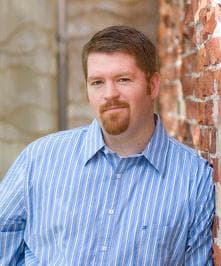
Brent Weeks is a bestselling author of epic fantasy, known for his intricate world-building and complex magic systems. His most celebrated works include the Night Angel Trilogy, featuring 'The Way of Shadows,' and the Lightbringer Series, with titles such as 'The Black Prism' and 'The Blood Mirror.' Weeks's novels are lauded for their fast-paced plots and morally ambiguous characters.







