“Everybody counts or nobody counts.”
— Harry Bosch's personal motto, reflecting his belief in justice for all victims.

Michael Connelly (1992)
Genre
Thriller / Mystery
Reading Time
360 min
Key Themes
See below
Sign in to track this book
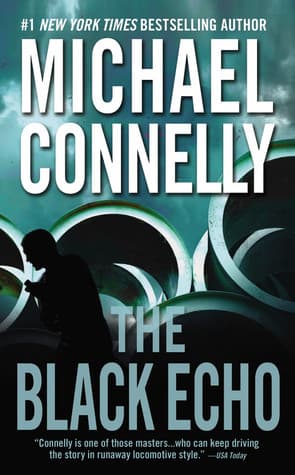
Haunted by his past as a Vietnam 'tunnel rat,' LAPD detective Harry Bosch navigates departmental corruption and personal demons to find a killer, forcing him to choose between justice and vengeance.
LAPD Homicide Detective Harry Bosch responds to a suspected overdose in a drainpipe. The victim, Billy Meadows, has a heroin needle nearby, but Bosch notices details that don't fit, like the lack of other drug items and clean clothes. Bosch recognizes Meadows as a fellow 'tunnel rat' from the Vietnam War, making the case personal. He remembers their hard times in Vietnam's underground tunnels. This connection drives Bosch to prove Meadows was murdered, despite pressure from his department to call it an overdose. This path puts him against his superiors and the FBI.
As Bosch investigates, the FBI abruptly takes over, led by Agent Eleanor Wish. Bosch is frustrated, feeling the LAPD is being pushed aside. He soon learns Meadows was involved in a bank heist, where millions were stolen from a vault holding safe deposit boxes of a corrupt S&L. The FBI thinks Meadows was killed to keep him quiet about the heist, and his death is now part of their bigger plan to get the money back and catch the others. Bosch reluctantly joins a joint task force, but his independent nature and distrust of the FBI immediately create tension, especially with Wish.
Bosch and Wish begin to piece together the bank robbery. They find out the thieves didn't target the bank's general funds but specifically the safe deposit boxes of the fraudulent Western Federal Savings and Loan, stored in the vault. The heist was carefully planned, involving tunneling into the vault from a storm drain system, like the 'tunnel rat' tactics used in Vietnam. This detail makes Bosch suspect other former tunnel rats are involved. Their investigation shows Meadows was a key player, likely the one who broke into the vault, and his death is directly linked to how the money was divided or a betrayal among the thieves.
Using his knowledge of Vietnam tunnel rats, Bosch starts to identify suspects who might have been with Meadows. He recalls other members of their unit, especially those with special skills or a history of crime. John Chastain, another former tunnel rat known for his engineering skills, is a main suspect. Bosch believes the heist's unique method points to people with similar combat experience. He begins tracking down these former comrades, often going against FBI rules, believing their shared past holds the key to solving the current crime and Meadows' murder. His methods often conflict with Eleanor Wish's more by-the-book approach.
Throughout the investigation, Bosch faces strong opposition from within his own department. His LAPD superiors, especially Deputy Chief Irvin Irving, are wary of his independent ways and his history of bending rules. The FBI, through Agent Wish, sees Bosch as unpredictable, constantly undermining their authority and procedures. Bosch's drive to find justice for Meadows, even if it means exposing corruption in his city or clashing with federal agents, puts him at odds with almost everyone. He often works outside official channels, using personal connections and instincts, often risking his career to follow leads he believes are important, further isolating him within the police hierarchy.
Initially, Harry Bosch and Eleanor Wish's relationship is marked by professional disagreement and distrust. Wish sees Bosch as a rogue, while Bosch sees her as an obstacle and a symbol of the bureaucracy he dislikes. However, as they spend more time together, sharing the dangers and frustrations of the case, they start to respect each other. They find common ground in their dedication to justice, though they go about it differently. This professional partnership slowly turns into a personal and romantic relationship, adding emotional depth to the high-stakes investigation. Their bond becomes a source of both strength and weakness for Bosch, challenging his usual solitary nature.
After a series of intense leads, Bosch and Wish discover the remaining conspirators are trying to move the stolen money through the same storm drain system used for the heist. This leads to a harrowing chase through dark, narrow underground tunnels, which brings back Bosch's traumatic Vietnam memories. The chase ends in a tense confrontation within the tunnels, where Bosch faces the remaining thieves. The environment reminds him of the terrible conditions of his past, forcing him to confront his inner demons while battling the desperate criminals. The echoes of his war experience are clear as he moves through the underground maze.
Through his investigation, Bosch uncovers a shocking betrayal within the heist crew. He learns that Billy Meadows was murdered not by an outsider, but by one of his own comrades. The person behind the bank heist and Meadows' killer is revealed to be John Chastain, the former tunnel rat Bosch had suspected. Chastain, driven by greed and a desire to remove loose ends, killed Meadows and planned the bank robbery. This revelation hits Bosch hard, as it forces him to confront the dark side of loyalty and the psychological scars of war that can twist people years later. The personal nature of the betrayal strengthens Bosch's resolve for justice.
The story's climax shows Harry Bosch in a direct, violent fight with John Chastain. This showdown is more than just catching a killer; it's a deeply personal battle for Bosch, a fight against a ghost from his past and a twisted version of his own war experience. The fight is brutal, pushing Bosch's physical and mental limits. Bosch eventually brings Chastain to justice, but at a significant personal cost. The case closes, the stolen money is mostly recovered, and the criminals are dealt with. However, the emotional and psychological toll on Bosch is immense, leaving him to deal with the lingering trauma and moral complexities of his past.
Throughout the investigation, Harry Bosch struggles with the moral question of justice versus vengeance. Meadows' murder is deeply personal, bringing up old traumas and a desire for revenge that goes beyond his professional duty. He is constantly pushed to the edge, tempted to cross ethical lines to avenge his friend. While he ultimately follows a form of justice, the journey forces him to confront his own dark impulses. The case's resolution, while holding the killers accountable, doesn't fully resolve Bosch's inner conflict, leaving him with a deeper understanding of the cost of his choices and the lasting impact of his experiences in Vietnam and Los Angeles.
The Protagonist
Bosch is forced to confront his past trauma and the blurring lines between justice and personal vengeance, ultimately reaffirming his commitment to his own moral compass.
The Supporting
Wish learns to trust her instincts and adapt her rigid methods, finding common ground and a personal connection with Bosch.
The Victim/Supporting
His death, initially a mystery, is revealed to be a betrayal by a former comrade, exposing the dark side of loyalty.
The Antagonist
Chastain's journey from war hero to ruthless criminal highlights the corrosive effects of greed and unresolved trauma.
The Supporting
Irving maintains his position as a political chess player, constantly navigating the complexities of departmental power.
The Supporting
Foster remains a diligent but secondary figure, primarily focused on assisting Wish and learning from the investigation.
The Supporting
Sheehan consistently tries to manage Bosch's rogue tendencies while navigating departmental politics.
The Supporting
Edgar remains a loyal, if sometimes frustrated, partner to Bosch, providing a contrast to Bosch's intensity.
The Vietnam War, especially the experiences of 'tunnel rats,' affects the characters, particularly Harry Bosch and the criminals. Bosch's PTSD appears as claustrophobia and flashbacks when he enters tunnels, blurring the line between past combat and the current investigation. The heist itself uses military precision and tactics from their war experiences, showing how combat skills can be used for crime. The story explores how war can permanently scar people, leading some to seek justice and others to a life of crime, unable to escape their past.
“The tunnels were never far from him. They were the black echo.”
Bosch's investigation into Billy Meadows' murder is deeply personal, blurring the ethical line between seeking justice and personal vengeance. Because Meadows was a fellow tunnel rat, Bosch feels a strong loyalty and a need to avenge his death, which sometimes makes him ignore rules and risk his career. He struggles with the temptation to take justice into his own hands, especially when a former comrade betrays him. The story constantly asks if Bosch's actions are purely for the law or driven by a more basic, vengeful instinct from his past.
“He knew the difference between justice and vengeance. Or thought he did. Tonight, the line blurred.”
The novel shows Bosch's deep distrust of authority and the widespread corruption in institutions, both police and financial. The bank heist targets funds stolen through a fraudulent S&L, suggesting a larger system of greed and lies. Bosch often clashes with LAPD leaders, especially Deputy Chief Irving, who prioritizes politics over real detective work. His interactions with the FBI are also full of suspicion, as he believes they care more about their own agenda than the truth. This theme highlights Bosch's isolation and his commitment to an honest form of justice, even when it means fighting against the system he serves.
“The law was a living, breathing thing. But the system, the system was a machine, and it could be broken.”
The mystery centers on the bonds of loyalty formed in extreme situations – specifically, among the Vietnam tunnel rats – and the betrayal of those bonds. Billy Meadows' murder by a former comrade, John Chastain, is a profound act of treachery. Bosch's strong loyalty to his dead friend drives his relentless pursuit. The story explores how shared trauma can create strong bonds, but also how greed and desperation can break them, turning comrades into enemies. This theme is central to Bosch's emotional journey, as he deals with the idea that those he once fought alongside could turn against each other.
“In the tunnels, you trusted your brother with your life. What happens when that trust is broken?”
A recurring symbol and skill set derived from the Vietnam War.
The 'tunnel rat' experience from the Vietnam War serves as a central motif. It is not only Bosch's past profession but also the specific skill set used by the perpetrators of the bank heist. This motif provides a psychological backdrop for Bosch's character, explaining his unique abilities and his claustrophobia. It also links the past and present crimes, suggesting that the war's influence extends far beyond the battlefield. The confined, dark spaces of the underground tunnels become a physical manifestation of Bosch's internal struggles and the 'black echo' of his trauma.
Misleading clues and characters designed to divert the investigation.
The novel employs several red herring suspects and misleading clues to complicate the investigation and keep the reader guessing. Initial assumptions about Billy Meadows' death as an overdose, and the FBI's early focus on other individuals, serve to divert Bosch and the reader from the true culprits. These diversions highlight Bosch's keen detective instincts as he sees through the superficial evidence to uncover deeper truths, reinforcing his maverick nature and his ability to connect seemingly disparate pieces of information.
The protagonist's direct emotional connection to the victim.
Harry Bosch's personal connection to the victim, Billy Meadows, as a fellow Vietnam tunnel rat, is a crucial plot device. This personal stake elevates the investigation beyond a routine homicide, imbuing it with deep emotional resonance and driving Bosch's relentless pursuit of justice. It fuels his defiance of authority and his willingness to take extreme risks, as he is not just solving a case but avenging a comrade. This device allows the author to explore Bosch's character depth and his internal conflicts more profoundly.
Recurrent memories of past trauma that impact the present narrative.
Flashbacks to Bosch's experiences as a tunnel rat in Vietnam, and the manifestation of his PTSD, serve as a significant plot device. These memories are triggered by the underground settings of the investigation, adding a layer of psychological tension and explaining Bosch's unique reactions to confined spaces. The flashbacks not only provide exposition about his past but also illuminate his character's motivations and struggles, showing how his wartime experiences continue to influence his present actions and perceptions, blurring the lines between his two 'wars'.
“Everybody counts or nobody counts.”
— Harry Bosch's personal motto, reflecting his belief in justice for all victims.
“The past is a wilderness of horrors.”
— Bosch reflecting on his Vietnam War experiences and the lasting trauma.
“The law is a weapon, and it needs to be wielded with care.”
— Bosch considering the power and responsibility of his role as a detective.
“There are no coincidences in murder, only links that haven't been found yet.”
— Bosch's investigative philosophy, emphasizing thoroughness.
“Sometimes the light at the end of the tunnel is a train.”
— Bosch's cynical outlook on hope in difficult situations.
“He knew the city like a lover, intimate with its secrets and its scars.”
— Describing Bosch's deep connection to Los Angeles.
“The dead speak to the living, if you only know how to listen.”
— Bosch's belief in finding clues and understanding victims.
“Silence was a weapon, and he knew how to use it.”
— Bosch using quiet observation and intimidation during an interrogation.
“The truth was a beast, and it often left a trail of destruction.”
— Bosch understanding the painful consequences of uncovering the truth.
“He was a man who lived on the edge of the dark, comfortable in its shadows.”
— Describing Bosch's nature and his work in the criminal underworld.
“The city was a thousand stories, and he was just trying to read one.”
— Bosch's perspective on the vastness of L.A. and his focus on a single case.
“You can't save everyone, but you have to try for the ones you can.”
— Bosch's motivation to pursue justice despite overwhelming odds.
“Every secret had a price, and someone always paid.”
— Bosch reflecting on the cost of hidden truths and deceit.
“He was a hunter in a city of prey, and the hunt was all he knew.”
— Describing Bosch's relentless pursuit of criminals.
Ready to see how well you understood this book? Take our interactive quiz with 10 questions.
Biography coming soon.







