“The only real way to know something is to do it.”
— Omakayas learns traditional skills from her grandmother, Nokomis.

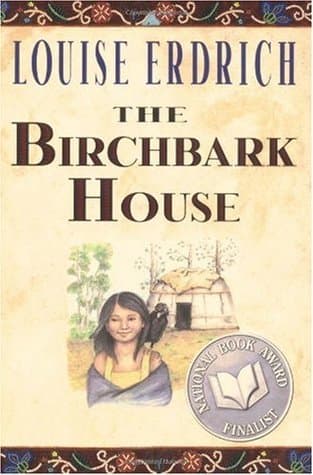
Louise Erdrich (1999)
Genre
Children's / Historical Fiction / Young Adult
Reading Time
300 min
Key Themes
See below
Sign in to track this book
Journey through 1847 with spirited Ojibwa girl Omakayas as she navigates the daily rhythms of family, nature, and the looming shadow of smallpox on Lake Superior's Madeline Island.
The story begins in the spring of 1847 on Moningwanaykaning, Madeline Island, where seven-year-old Omakayas, an Ojibwa girl, lives with her family. Her family includes her father, Deydey; her mother, Yellow Kettle; her older sister, Angeline; her younger brother, Little LaPointe; and her baby brother, Neewo. The family is emerging from a long, harsh winter, and Omakayas helps her mother with the spring chores, such as gathering birchbark for their new wigwam and collecting maple sap. She has a special bond with her pet crow, Andeg, whom she rescued as a fledgling. The family moves from their winter lodge to their summer camp, and spring brings renewal and the promise of abundant resources. Omakayas often feels different from her siblings, particularly her beautiful and graceful sister Angeline.
Summer brings many activities and lessons for Omakayas. She helps her mother and Angeline in the garden, planting corn, squash, and beans, and learns to scare crows away. She also goes berry picking, a favorite pastime, and learns about the different plants and their uses from her mother. During one berry-picking excursion, Omakayas has an encounter with a bear cub and its mother, narrowly escaping harm. This event leaves a deep impression on her, making her feel both fear and a strange connection to the natural world. She also begins to understand the spiritual world and the interconnectedness of all living things through stories told by her grandmother, Nokomis, and her own experiences.
As summer progresses, the family prepares for the arrival of the white traders, who come to Madeline Island by boat. This event is an annual occurrence, bringing opportunities to trade furs and goods for items like cloth, metal tools, and flour. Omakayas observes the interactions between her family and the traders, noticing the cultural differences and the effect of these new goods on their traditional lifestyle. She is fascinated by the new items but also senses a subtle shift in the balance of their world. The trading post is a place of excitement and bustle, but also a reminder of the encroaching world beyond their island home.
Autumn is a busy time of harvest and preparation. The family works together to gather wild rice, dry berries, and hunt deer and moose to ensure they have enough food and supplies for the long winter. Omakayas helps with these tasks, learning the importance of hard work and cooperation. She also sees the process of tanning hides, a vital skill for making clothing and shelter. During this time, Nokomis shares more stories and traditional knowledge, deepening Omakayas's connection to her heritage and the spiritual wisdom of her people. The family moves to their winter lodge, a more insulated structure, as the weather grows colder.
Winter brings severe cold and scarcity. The family endures the freezing temperatures, relying on their stored provisions and the warmth of their lodge. Hunting becomes more challenging, and hunger is always present. Tragically, a terrible illness, smallpox, begins to spread through the Ojibwa community. The disease, brought by the white traders, devastates the village. Omakayas's family is not spared, and the once lively community is plunged into sorrow and fear. The descriptions of the sick and dying are stark, showing the people's vulnerability to this foreign disease.
As smallpox rages, Omakayas, who seems to be immune, takes on the responsibility of caring for her ailing family members. She fetches water, tends to their fevers, and tries to comfort them, despite her young age and the overwhelming horror of the situation. She bravely faces the sickness, showing courage and compassion. However, the disease claims the life of her baby brother, Neewo, a loss that affects her deeply. She also loses her grandmother, Nokomis, and other members of her extended family, leaving a deep scar on her heart and the community.
After the epidemic, the remaining family members grieve and rebuild. The village is quiet, filled with the absence of those lost. Omakayas struggles with the death of Neewo, often feeling his presence and talking to him, especially when she is alone. Her parents, Deydey and Yellow Kettle, are deeply affected by the tragedy, and the family must find a way to heal and move forward. The winter continues, but the family has been changed by the smallpox. Omakayas finds solace in her connection to nature and her pet crow, Andeg.
During the deep sorrow of winter, Deydey finally reveals a long-held secret to Omakayas. He tells her that she is not his biological child, nor Yellow Kettle's. He explains that she was found as a baby, the sole survivor of a smallpox epidemic on Spirit Island, rescued by Tallow, a powerful woman from their community. Tallow brought the baby to Deydey and Yellow Kettle, who adopted her and raised her as their own. This revelation explains Omakayas's immunity to the current smallpox outbreak and gives her a new understanding of her place in the family and her connection to the devastating disease that took Neewo.
Omakayas is initially shocked and confused by the news of her adoption, feeling a mix of sadness and a strange sense of belonging. The revelation helps her understand why she sometimes felt different from her siblings and why she survived the smallpox when others did not. Her parents reassure her of their love, saying that she is truly their daughter, regardless of her birth. This new understanding allows Omakayas to begin healing from the trauma of the epidemic and to reconcile her past with her present. She finds a renewed sense of purpose and strength in her unique history.
As the harsh winter finally gives way to spring, the cycle of life begins anew on Madeline Island. The snow melts, the ice breaks on the lake, and the first signs of green emerge. The family, though still grieving, finds strength in each other and the renewal of nature. They begin the spring chores again, gathering birchbark and tapping maple trees, showing their resilience and enduring spirit. Omakayas, with her newfound understanding of her past, looks towards the future with quiet hope. The book ends with the promise of continuing life and the enduring strength of the Ojibwa people.
The Protagonist
Omakayas transforms from a curious child to a resilient, empathetic young girl who understands her unique history and role, finding strength in her identity.
The Supporting
Deydey struggles with the burden of his secret, ultimately finding peace by sharing Omakayas's true story and reaffirming his love for her.
The Supporting
Yellow Kettle endures immense grief and loss but continues to be the loving, stable center of her family, exemplifying resilience.
The Supporting
Angeline navigates the challenges of growing up, including illness, maintaining her supportive role within the family.
The Supporting
Little LaPointe experiences the trauma of illness and loss at a young age, but his youthful spirit persists.
The Supporting
Neewo's brief life and tragic death serve as a catalyst for Omakayas's emotional growth and understanding of loss.
The Supporting
Nokomis passes on her wisdom and traditions, leaving a lasting spiritual legacy for Omakayas before her death.
The Supporting
Andeg remains a constant, comforting presence for Omakayas, symbolizing her enduring bond with nature.
The Supporting
Tallow's initial act of heroism in rescuing Omakayas establishes her enduring significance to Omakayas's life and identity.
Omakayas's journey of self-discovery is central to the novel. She often feels subtly different from her siblings, leading to questions about her place. The revelation of her adoption and survival of a smallpox epidemic on Spirit Island answers her unique identity. This knowledge helps her understand her immunity to the current disease and solidifies her sense of belonging within her adoptive family, as their love for her transcends bloodlines. Her deep connection to animals, particularly Andeg, also contributes to her sense of self.
“You are our child. You are our daughter. No matter how you came to us.”
The novel is structured around the four seasons, showing the cyclical nature of life, death, and renewal in the natural world. Spring brings new life and hope, summer provides abundance, autumn is a time of harvest and preparation, and winter brings harshness and, in this story, devastating loss through the smallpox epidemic. The death of Neewo and Nokomis is a central tragedy, but the return of spring at the end of the book symbolizes the resilience of life and the Ojibwa people, who continue to find hope and rebuild after suffering.
“And the earth lived, and the people lived, and the birds sang, and the sun rose, and the moon sailed, and the stars shone.”
The Ojibwa family's ability to endure the challenges of a harsh natural environment and the devastating impact of smallpox shows their resilience. They adapt to the changing seasons, relying on traditional knowledge and communal cooperation for survival. Omakayas, as a survivor of an earlier smallpox epidemic, embodies this theme personally. Her courage in caring for her sick family and her eventual acceptance of her origins show an inner strength that allows her and her family to face adversity and continue their way of life.
“They were still alive. They had survived. They would live.”
The Ojibwa people's deep reverence for and connection to nature are central to the story. Omakayas's observations of animals, plants, and the changing seasons are woven throughout the narrative. Her special bond with Andeg, the crow, and her encounter with the bear cub illustrate this connection. The spiritual world, guided by stories from Nokomis and Omakayas's own feelings, is integrated with the natural world, providing guidance, meaning, and comfort. The land and its creatures are seen as living entities with their own spirits.
“The earth was a living thing, and everything in it had a spirit.”
While primarily focused on Ojibwa life, the novel addresses the impact of European contact. The annual arrival of white traders brings new goods and opportunities for trade, but also introduces devastating elements like smallpox. The disease, foreign to the Ojibwa, decimates the community, showing the vulnerability of Indigenous populations to diseases brought by colonizers. The trading post and the goods exchanged signify the slow but inevitable encroachment of a different culture on the traditional Ojibwa way of life, hinting at future changes.
“The white people brought many things. Some good, some bad.”
Organizes the narrative around the annual cycle of Ojibwa life.
The novel is explicitly structured around the four seasons – spring, summer, autumn, and winter – of 1847. This device is fundamental to depicting the traditional Ojibwa way of life, which is intimately tied to the natural cycles of the earth. Each season brings specific tasks, challenges, and joys for Omakayas and her family, from maple sugaring in spring to enduring the harsh winter. It emphasizes the cyclical nature of their existence, the importance of adapting to environmental changes, and ultimately, the theme of renewal and resilience as the story concludes with the return of spring.
Provides an intimate view of Ojibwa culture through a child's eyes.
The story is primarily told through the eyes and experiences of seven-year-old Omakayas. This narrative perspective allows readers to intimately experience the daily life, traditions, and emotional landscape of an Ojibwa family in the 19th century. Omakayas's observations, questions, and feelings shape our understanding of events, from the wonder of nature to the devastation of smallpox. Her limited understanding as a child makes the revelation of her adoption particularly impactful, and her developing empathy makes the losses she experiences deeply poignant for the reader.
Hints at Omakayas's unique past and immunity to smallpox.
The narrative subtly foreshadows Omakayas's unique history and immunity to smallpox. During the epidemic, she is the only one in her immediate family who does not fall ill, or at least recovers quickly. This unexplained immunity creates a sense of mystery around her character, setting the stage for Deydey's eventual revelation about her adoption and her previous survival of a smallpox outbreak on Spirit Island. This device adds depth to her character and provides a logical explanation for her survival, connecting her past trauma to the present crisis.
Represents Omakayas's unique connection to nature and her spirit.
Andeg, Omakayas's pet crow, serves as a significant symbol throughout the novel. Crows are often associated with intelligence, mystery, and being messengers between worlds. Andeg represents Omakayas's deep and intuitive connection to the natural world, her ability to understand and communicate with animals, and perhaps her own unique spirit. He is her constant companion, a source of comfort, and a reflection of her wilder, more observant nature. His presence highlights her difference from her siblings and her special bond with the non-human world.
Preserves Ojibwa culture and transmits wisdom through generations.
Storytelling, particularly through Nokomis, is a crucial plot device that transmits Ojibwa cultural knowledge, history, and spiritual beliefs. Nokomis frequently shares traditional stories, myths, and legends with Omakayas and her siblings, teaching them about their ancestors, the natural world, and moral lessons. These stories are not merely entertainment but vital educational tools that connect the children to their heritage and instill a sense of cultural identity. This device authenticates the narrative and emphasizes the importance of oral tradition in Indigenous cultures.
“The only real way to know something is to do it.”
— Omakayas learns traditional skills from her grandmother, Nokomis.
“Sometimes the hardest thing and the right thing are the same.”
— Omakayas faces difficult decisions about family and survival.
“A story is like the wind, it comes from a far-off place and we feel it.”
— Nokomis tells stories to teach Omakayas about their heritage.
“The land does not belong to us; we belong to the land.”
— Reflecting on the Ojibwe connection to nature and their homeland.
“Grief is a heavy stone, but it can be carried.”
— Omakayas deals with loss and the smallpox epidemic.
“In every ending, there is a beginning waiting to be seen.”
— After hardships, the family rebuilds and looks to the future.
“A name is a story all by itself.”
— Discussing the importance and meaning of Ojibwe names.
“The birchbark remembers every story it has ever heard.”
— Symbolizing the birchbark house as a keeper of family history.
“Strength is not in the muscle, but in the spirit.”
— Omakayas finds inner courage during trials.
“To be alone is to listen to the world speak.”
— Omakayas spends time in nature, learning from solitude.
“A family is a circle that no one can break.”
— The importance of family unity amidst challenges.
“The old ways are not gone; they sleep in our hearts.”
— Nokomis teaches about preserving Ojibwe traditions.
“Fear is a shadow that grows in the dark; bring it to light.”
— Omakayas confronts her fears during the smallpox outbreak.
“Every season has its purpose, and every life its path.”
— Reflecting on the cyclical nature of life and the Ojibwe calendar.
Ready to see how well you understood this book? Take our interactive quiz with 10 questions.

Karen Louise Erdrich is an American author of novels, poetry, and children's books featuring Native American characters and settings. She is an enrolled member of the Turtle Mountain Band of Chippewa Indians, a federally recognized tribe of Ojibwe people.
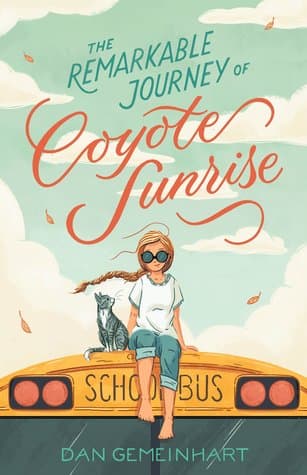
Dan Gemeinhart
4.5
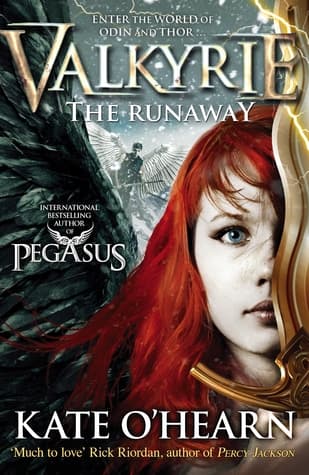
Kate O'Hearn
4.4

Jeanne Birdsall
4.4

Jen Wang
4.4

Wendelin Van Draanen
4.3

John Marsden
4.3

Chris Van Allsburg
4.3
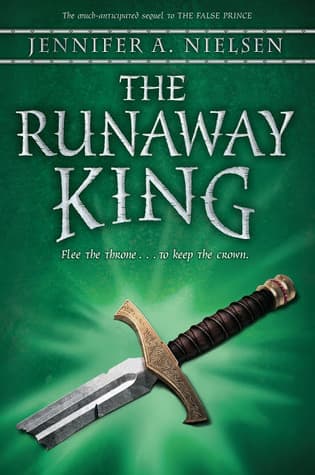
Jennifer A. Nielsen
4.2