“I was a Jew, and I was a boxer. In Nazi Germany, that made me a contradiction.”
— Karl Stern reflecting on his identity as a Jewish teenager training in boxing.

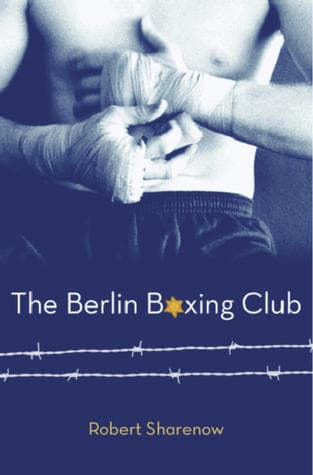
Robert Sharenow (2011)
Genre
Historical Fiction / Young Adult
Reading Time
450 min
Key Themes
See below
Sign in to track this book
In Nazi-era Berlin, a young Jewish cartoonist wants to prove himself during rising persecution. He finds an unexpected way to self-discovery and family protection through boxing legend Max Schmeling, even as his hero's loyalties become dangerously unclear.
In 1930s Berlin, thirteen-year-old Karl Stern lives a fairly normal life, focused on drawing cartoons. But the Nazi regime's rise quickly changes his world. He and his younger sister, Hildy, face more antisemitic bullies at school, leading to violent fights. After a particularly bad attack where a group of boys beats Karl, his father, a veterinarian, looks for a solution. An opportunity comes when famous German boxing champion Max Schmeling brings his dog, Susie, to Dr. Stern's clinic for treatment. In exchange for the doctor's expert care and a promise to keep a politically sensitive matter quiet, Schmeling offers to teach Karl to box at his private club. He sees it as a way for Karl to defend himself and gain confidence.
Karl, who prefers art and is unsure about boxing, reluctantly starts training at Schmeling's private gym. He meets Paul, Schmeling's trainer, a rough but experienced man who quickly sees Karl's ability. Karl lacks natural aggression but learns fast, developing agility and strategic thinking. Boxing becomes an escape from the increasingly hostile outside world and gives him new self-respect. He also connects with Schmeling, who, despite his public image as a German hero, shows Karl real kindness and guidance. Schmeling's presence temporarily protects the Stern family from some immediate threats, as his celebrity makes them less direct targets for a while.
Karl commits to boxing, training daily and getting much better. He starts winning fights against other boys in the club, earning respect from his peers and trainers. Meanwhile, Germany's political situation keeps getting worse. Jewish businesses are boycotted, and the Stern family faces more discrimination. Max Schmeling, as a national hero, is pressured by Nazi officials, especially Propaganda Minister Joseph Goebbels, to use his platform for political goals. This includes divorcing his Czech wife, Anny Ondra, who is not considered 'Aryan.' Schmeling resists these demands, trying to keep his integrity while navigating the dangerous political situation, but the regime watches and manipulates his public appearances more and more.
The night of November 9-10, 1938, known as Kristallnacht or the 'Night of Broken Glass,' destroys any remaining safety for Jewish families in Berlin. Synagogues burn, Jewish businesses are destroyed, and Jewish men are arrested in large numbers and sent to concentration camps. Karl's father is among those taken by the Gestapo. The Stern family's apartment is searched, and they must leave their home. Karl, stronger and more confident from his boxing training, feels responsible for protecting his mother and Hildy. This event changes things; Karl's fight in the ring becomes a comparison for his fight for survival and his family's safety.
After Kristallnacht, the Stern family has no home and no father. Karl, his mother, and Hildy must hide, staying with various sympathetic friends and neighbors, always fearing discovery. During this desperate time, Max Schmeling, despite the great personal risk, secretly helps. He uses his influence and connections to help get Dr. Stern released from Sachsenhausen concentration camp. Schmeling also arranges for the Stern family to hide in his own apartment for a time. This shows his deep moral courage and loyalty to the Sterns, even as he publicly pretends to go along with the Nazi regime to protect himself and those he helps. This act strengthens Karl's respect and admiration for Schmeling.
Dr. Stern returns from the concentration camp, physically and emotionally hurt but alive, thanks to Schmeling's help. The experience makes it clear that staying in Germany is no longer possible. The family starts to plan their emigration, a difficult and dangerous process needing visas, money, and safe passage. Max Schmeling continues to give secret assistance, using his network and resources to help the Sterns get through the paperwork and find a way out of the country. Karl, now more mature and focused, understands that his boxing skills, while useful for self-defense, are less important than the urgent goal of saving his family.
As their escape date approaches, Karl has one last important boxing match. This fight is not just about winning; it completes his journey, showing the strength and resilience he has gained. It is a symbolic goodbye to the life he knew and the sport that changed him. Max Schmeling is there, giving his quiet support and encouragement. The fight shows Karl's growth, his ability to stand strong against trouble. After the match, Karl and Schmeling share a quiet moment, a silent recognition of their bond and the hidden dangers ahead for the Stern family.
With Max Schmeling's continued, secret help, the Stern family gets their passage out of Germany. The escape is full of tension and danger; they must avoid Nazi patrols and pass border controls. Karl, his mother, father, and Hildy leave everything they know behind, carrying only what they can. The journey is a terrible experience, showing the great risks and sacrifices made by those fleeing persecution. They eventually reach a safe place. The specific destination is left somewhat vague, focusing on the relief of escape rather than a new beginning in a particular place. The family's survival shows their resilience and Max Schmeling's quiet bravery.
After successfully escaping Germany, the Stern family starts the hard process of rebuilding their lives in a new country. They carry the lasting scars of their experiences, but also the strength and unity formed through trouble. Karl keeps drawing, finding comfort and expression in his art, which now holds a deeper meaning and understanding of the human condition. The memories of Berlin, the persecution, and Max Schmeling's quiet bravery stay with him. They are safe, but the past's trauma is always present in their new life. Karl thinks about his change from a vulnerable boy to a protective young man, always thankful for the lessons learned in the Berlin Boxing Club and the unexpected friendship with Max Schmeling.
The Protagonist
Karl transforms from a bullied, artistic boy into a strong, self-reliant boxer who uses his skills to protect his family during the Holocaust.
The Supporting
Schmeling navigates the perilous political landscape, publicly maintaining a facade while privately risking everything to help the Stern family.
The Supporting
He transitions from a hopeful, assimilated father to a traumatized survivor, leading his family's escape from Germany.
The Supporting
She remains a steadfast and resilient figure, providing emotional strength for her family through intense adversity.
The Supporting
Hildy endures persecution as a child, relying on her family for protection and adapting to their changing circumstances.
The Supporting
Paul serves as a consistent, guiding force in Karl's boxing development, offering tough love and practical skills.
The Mentioned
Her presence as Schmeling's non-Aryan wife underscores the moral choices he faces under the Nazi regime.
The Antagonist
As a symbol of the Nazi regime, Goebbels exerts constant pressure on Schmeling, escalating the dangers faced by the Stern family.
Karl's journey explores identity. He initially does not see himself as strongly Jewish, but the Nazi regime forces him to confront this heritage. Boxing gives him a new identity, changing him from a bullied artist into a strong protector. He learns to combine his artistic self with his physical abilities. He finds an identity based on resilience and defending his family. His struggle shows the wider challenge many assimilated Jews faced in Nazi Germany.
“I was still Karl, the cartoonist, but I was also Karl, the boxer. And that meant I wasn't just a victim anymore.”
The book explores different kinds of courage. Karl's courage shows when he steps into the boxing ring and, more importantly, when he protects his family against great odds. Max Schmeling shows quiet, moral courage, risking his career and life to defy the Nazis and help the Sterns. Dr. Stern also shows courage by seeking help for Karl and surviving the concentration camp. The theme shows that resistance is not always obvious; sometimes it is found in acts of kindness and defiance against tyranny.
“True strength wasn't just about hitting hard. It was about standing up, even when you were afraid.”
Max Schmeling mentors Karl, teaching him boxing skills, resilience, discipline, and self-worth. Schmeling's guidance goes beyond the ring; he uses his influence to protect the Stern family, becoming a life-saving figure. Paul, the trainer, also helps shape Karl's physical and mental strength. This theme shows how experienced people's guidance can greatly affect a young person's growth, especially during a crisis.
“He taught me how to fight, but more than that, he taught me how to stand.”
The novel clearly shows how political extremism, specifically Nazism, destroys individual lives and families. Karl's innocent childhood ends, his family is displaced, and his father is hurt. The constant fear, losing their home, and forced emigration are direct results of the regime's policies. Even Max Schmeling, a national hero, is not safe. He faces great pressure and must compromise his public image to keep his moral integrity. The story shows that political ideas have very personal and often sad results.
“The world was changing, and it wasn't just the bullies at school. It was everywhere.”
Karl's first passion is drawing, a creative and expressive activity. But the growing violence forces him to focus on survival skills, leading him to boxing. This theme explores the conflict between pursuing artistic passions and needing practical skills for self-preservation. While boxing initially feels like a betrayal of his artistic self, Karl eventually realizes that the discipline and strength from boxing can exist with his creativity and even inform it, giving his art a deeper understanding of human struggle.
“My hands were for drawing. They weren't for fighting. But now, it seemed, they had to be for both.”
Traces Karl Stern's moral and psychological growth from boy to young man.
The novel follows Karl's development from a naive, artistic boy to a resilient young man capable of defending himself and protecting his family. His journey is marked by significant emotional, intellectual, and physical changes brought about by the traumatic events of the Holocaust and his boxing training. He learns about his identity, courage, and responsibility, culminating in his family's escape and his newfound sense of self in a new country. This device effectively frames the personal impact of historical events.
Grounds the narrative in the real events and atmosphere of Nazi Germany.
The novel is set against the meticulously researched backdrop of 1930s Berlin and the rise of the Nazi regime, incorporating real historical figures like Max Schmeling and Joseph Goebbels, and events like Kristallnacht. This device provides authenticity and gravitas to Karl's personal story, illustrating how large-scale historical events directly impact individual lives. The author's note further emphasizes the factual inspirations, blending fiction with documented history to educate and immerse the reader.
Represents Karl's struggle, self-defense, and inner strength.
Boxing serves as a powerful symbol throughout the narrative. Initially, it represents Karl's reluctant foray into physical self-defense. As he progresses, it symbolizes his growing inner strength, discipline, and resilience in the face of adversity. The ring becomes a microcosm of his larger struggle against the Nazi regime, where he learns to stand his ground, take hits, and fight back. Ultimately, it signifies his transformation from a victim to a survivor and protector, a skill that transcends the sport itself.
A real-life hero who offers guidance and protection to the protagonist.
Max Schmeling functions as a classic mentor figure, providing Karl with both practical skills (boxing) and moral guidance. His real-life status as a German national hero, juxtaposed with his secret acts of defiance against the Nazis, makes him a compelling and complex figure. He represents the possibility of individual goodness and courage even within a corrupt system, offering hope and a crucial lifeline to Karl and his family. His mentorship is instrumental in Karl's physical and emotional survival.
“I was a Jew, and I was a boxer. In Nazi Germany, that made me a contradiction.”
— Karl Stern reflecting on his identity as a Jewish teenager training in boxing.
“Boxing is not about hurting someone. It's about not getting hurt.”
— Max Schmeling teaching Karl the philosophy of boxing.
“In the ring, you are alone. No one can help you. That is the truth of life.”
— Karl realizing the isolation and self-reliance required in boxing and life under Nazi rule.
“Art is a weapon. Use it to fight back.”
— Karl's sister, Hildy, encouraging him to use his cartooning skills as resistance.
“Sometimes the only way to survive is to become invisible.”
— Karl learning to navigate the dangers of being Jewish in Berlin.
“Fear is like a punch. If you see it coming, you can block it.”
— Max Schmeling advising Karl on managing fear in and out of the ring.
“We are not defined by what others call us, but by what we choose to become.”
— Karl asserting his agency amidst Nazi dehumanization.
“A true champion fights not just with his fists, but with his heart.”
— Karl internalizing lessons from his boxing training.
“The world is a ring, and we are all fighters in it.”
— Karl drawing a parallel between boxing and the struggles of life in 1930s Germany.
“Silence can be louder than any scream.”
— Observing the complicity and quiet suffering in Nazi Germany.
“Every punch tells a story. Make sure yours is worth hearing.”
— Max Schmeling teaching Karl about the narrative power of boxing.
“In darkness, even a small light can guide you home.”
— Karl finding hope through boxing and family during the rise of Nazism.
“To be a Jew in Germany now is to be a boxer every day.”
— Karl describing the constant vigilance and fight for survival.
“Courage is not the absence of fear, but the decision to move forward despite it.”
— Karl mustering bravery to face opponents and Nazi threats.
Ready to see how well you understood this book? Take our interactive quiz with 10 questions.







