
Biography coming soon.
Archivist's Choice
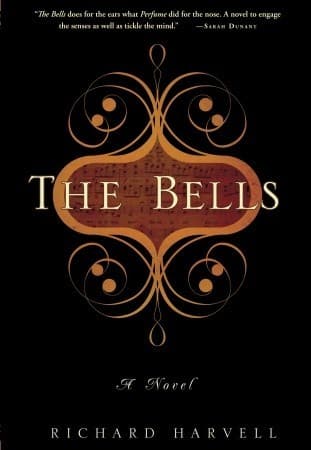
The Bells
Richard Harvell (2010)
Genre
Literary Fiction / Fantasy / Historical Fiction / Romance
Reading Time
12 Minutes
Key Themes
See below
Track Your Reading
Sign in to track this book
A castrated opera singer, haunted by the secret of his son's parentage, narrates his extraordinary life from a Swiss belfry to the grand stages of Europe, where his divine voice is both his salvation and his curse.
Synopsis
Narrated as a confessional letter from the celebrated opera singer Lo Svizzero, Moses Froben, to his son Nicolai, this historical fiction novel unveils the extraordinary journey of a man whose preternatural gift for sound shapes his destiny. Born in a belfry in the Swiss Alps, Moses is cast out after his acute hearing exposes church secrets. He finds refuge in an Abbey where his voice, cultivated by a brilliant but cruel choirmaster, leads to his castration to preserve its angelic quality. This 'musico' status, an abomination in his homeland, forces him into a life of secrecy, even from the woman he loves. His pursuit of her leads him to the vibrant opera houses of Vienna and into a world of music and intrigue.
Through Moses's remarkable life story, from his unique birth to his rise as an opera star, the narrative explores themes of identity, sacrifice, and the profound power of sound. The central mystery of the novel, and the letter's ultimate purpose, is to reveal how Moses Froben, a man physically incapable of siring a child, came to be the father of Nicolai.
Difficulty
Medium
Pacing
Moderate
Mood
Melancholy, mysterious, passionate, introspective, grand
Plot Summary
The Belfry and the Boy
Moses Froben, later known as Lo Svizzero, begins his story by recounting his birth and childhood in a remote Swiss belfry. His mother, the belfry keeper, raises him amid the powerful vibrations and sounds of the bells. Moses develops an extraordinary sense of hearing, capable of discerning the subtlest nuances of sound. This heightened auditory perception is both a gift and a burden, allowing him to 'hear' the truth behind people's words and actions. He lives an isolated life, deeply connected to the bells and the natural world, where sound is the primary language.
The Unveiling of Sins
Moses's unusual hearing exposes the hidden sins and hypocrisies of local church officials. His ability to discern truth through sound and vibration makes him a threat to the established order. The community, fearing his unique gift and the uncomfortable truths it reveals, casts him out of his village. This expulsion is a dramatic turning point, forcing Moses to leave the only home he has ever known and embark on a perilous journey into an unfamiliar and dangerous world, guided only by his exceptional ears.
Rescue and Refuge
Alone and vulnerable, Moses is rescued from certain death by two traveling Benedictine monks, Father Sebastian and Brother Bartholomew. They recognize something extraordinary in the boy and bring him to the vast Abbey of St. Gall. Here, Moses finds a new kind of refuge. His ears, once a source of ostracization, now guide him through the ancient stone hallways and into the Abbey's choir. He is captivated by the monks' chanting and realizes his calling: to sing and create music, a realization that fills him with purpose and belonging.
The Choirmaster and the Sacrifice
Moses quickly becomes the student of the Abbey's brilliant but morally ambiguous choirmaster, Ulrich. Ulrich recognizes Moses's unparalleled vocal talent and begins to develop it. However, in a shocking act of cruelty, Ulrich has Moses castrated to maintain his exquisite, angelic boy soprano voice. This horrific act transforms Moses into a 'musico' or castrato, condemning him to an adult life with a child's voice and marking him with a shameful secret he must hide from society, especially in the Swiss Confederation where such an act is an abomination.
First Love and Betrayal
During his time at St. Gall, Moses falls deeply in love with Anna, a kind and spirited girl who works at the Abbey. Their love blossoms, offering Moses a glimpse of a normal life and a connection that transcends his unique circumstances. However, their new romance is tragically cut short when Anna's family arranges her marriage to another man in Vienna. Heartbroken and feeling betrayed by fate, Moses grapples with his secret and the loss of his beloved, realizing he can no longer deny his condition or his desire to be reunited with Anna.
Journey to Vienna
Following Anna's departure for Vienna, and after his saviors, Father Sebastian and Brother Bartholomew, are also exiled from St. Gall due to political conflicts, Moses decides he can no longer remain at the Abbey. He makes the momentous decision to leave and follow them to Vienna. This journey is driven by a dual purpose: to find Anna and to seek out his mentors, who had shown him kindness and understanding. It is his true entry into the wider world, a world of grand opera houses and societal complexities, where his unique voice will either elevate him or expose his secret.
Apprenticeship and Fame
In sumptuous Vienna, Moses reunites with his exiled mentors and, through their connections, secures an apprenticeship at one of Europe's greatest theaters. His extraordinary voice, now fully matured as a musico, quickly garners attention. He works tirelessly, honing his craft and immersing himself in the world of opera. Moses, now known as Lo Svizzero, rises rapidly through the ranks, becoming a celebrated opera singer. His fame grows, but the personal cost of his unique gift and the secret of his castration weigh heavily upon him, even as he achieves professional success.
Reunion and Revelation
Moses eventually encounters Anna again in Vienna, now married. Their reunion is full of unspoken emotions and the weight of their past. Moses, driven by a desire for honesty and a longing for genuine connection, finally reveals the truth of his castration to Anna. This moment is a vulnerable turning point, stripping away the layers of secrecy he has maintained for so long. Anna's reaction to this revelation is crucial, determining whether their bond can withstand such a painful truth, or if it will shatter.
The Opera Premiere
Moses, as Lo Svizzero, takes on a lead role in the premiere of a significant opera, one that subtly mirrors aspects of his own life and struggles. The performance is a culmination of his artistic journey and personal sacrifices. The emotions he pours into his singing are amplified by his own experiences of love, loss, and the unique burden of his voice. This grand operatic event is a dramatic backdrop for the resolution of some of his personal conflicts, intertwining his private narrative with the public spectacle of his art.
The Secret of Nicolai's Birth
The novel culminates with Moses writing this confessional letter to his son, Nicolai, revealing the long-held secret of Nicolai's birth. Despite his castration, Moses found a way to become a father. This revelation explains the opening enigma of the book and provides a deeply personal and emotional conclusion to Moses's extraordinary life story. It affirms the possibility of family and legacy even in the face of immense personal sacrifice and societal judgment.
Principal Figures
Moses Froben (Lo Svizzero)
The Protagonist
Moses transforms from an isolated, gifted boy into a world-renowned opera singer, grappling with his traumatic past and ultimately finding a way to embrace fatherhood despite his physical limitations.
Nicolai Froben
The Supporting
Nicolai's arc is implicitly one of understanding and acceptance as he receives and processes his father's profound and often painful life story.
Moses's Mother
The Supporting
Her arc is limited to Moses's early childhood, establishing the unique foundation of his sensory world.
Ulrich
The Antagonist
Ulrich's arc is primarily one of an antagonist, whose actions set Moses's tragic path in motion, but he does not undergo significant personal transformation.
Anna
The Supporting
Anna's arc involves her moving from a simple life at St. Gall to an arranged marriage in Vienna, and then later confronting Moses's past and his difficult truth.
Father Sebastian
The Supporting
Father Sebastian provides initial rescue and mentorship, and his later exile contributes to Moses's decision to leave St. Gall.
Brother Bartholomew
The Supporting
Brother Bartholomew's arc parallels Father Sebastian's, providing rescue and support before his exile influences Moses's journey.
Themes & Insights
The Power and Burden of Extraordinary Talent
Moses's unusual hearing and angelic voice are both his greatest gifts and the source of his suffering. His talent allows him to perceive the world with unmatched clarity and to create sublime music, but it also isolates him, exposes him to danger, and ultimately leads to his mutilation. The novel explores how immense talent can elevate an individual to fame while demanding immense personal sacrifice and carrying the weight of a unique, often lonely, existence.
“My ears, which had once been a source of wonder and connection, became a tool for unveiling the world’s hidden truths, and for this, I was cast out.”
Identity, Secrecy, and Shame
The novel explores Moses's struggle with his identity as a castrato, a condition considered an abomination in his homeland. His castration forces him to live a life of secrecy and shame, constantly hiding his true physical state from society and even from those he loves. This theme examines the psychological toll of concealing a fundamental aspect of oneself, the yearning for authenticity, and the arduous path towards self-acceptance despite societal judgment and personal trauma.
“I was a man with the voice of an angel, but forever marked by a secret that whispered of a monstrous act, an abomination I carried within.”
Love, Loss, and Redemption
Moses's life is woven with threads of deep love and devastating loss. His love for Anna, his bond with his mother and mentors, and his ultimate desire to connect with his son drive much of his journey. He experiences the pain of separation, betrayal, and the loss of a 'normal' life. The narrative seeks a form of redemption through confession, the creation of art, and the unexpected possibility of fatherhood, allowing Moses to find peace and meaning in his extraordinary life.
“In the end, it was not the bells, nor the music, that defined me, but the love I found and lost, and the secret I carried for my son.”
The Nature of Family and Legacy
A central mystery of the book revolves around how Moses, a castrato, could have fathered a son. This theme explores the unconventional ways families are formed and the human desire for legacy. It challenges traditional notions of fatherhood and biological inheritance, suggesting that love, dedication, and the act of imparting one's life story can forge a familial bond just as strong, if not stronger, than biological ties. Moses's confession to Nicolai is his ultimate act of fatherhood, ensuring his story and spirit live on.
“Though there was never any doubt that my seed had come from another man, Moses Froben, Lo Svizzero, called me 'son.' And I called him 'father.'”
Plot Devices & Literary Techniques
First-Person Confessional Narrative
Moses recounts his life directly to his son
The entire novel is framed as a long, intimate letter from Moses Froben to his son, Nicolai. This device creates a deeply personal and subjective tone, allowing the reader direct access to Moses's thoughts, feelings, and internal struggles. It also builds suspense around the central mystery of Nicolai's paternity, as Moses gradually reveals the truths of his life that lead to the ultimate explanation. The confessional style emphasizes themes of secrecy, truth, and the desire for understanding and forgiveness.
Symbolism of Bells and Sound
Bells represent origin, truth, and the divine
The bells are a pervasive and powerful symbol throughout the novel. They represent Moses's origins, his unique connection to the world, and the raw, unadulterated power of sound. They are both beautiful and overwhelming, reflecting the duality of Moses's own gifts. His preternatural hearing, honed by the bells, symbolizes an ability to perceive deeper truths, often uncomfortable ones. The music created by the bells, and later by Moses's voice, suggests a connection to the divine and an expression of the inexpressible.
The Mystery of Nicolai's Paternity
The central enigma driving the narrative
From the very first lines, the novel establishes the central mystery: how could Moses, a castrato, have a son? This question serves as the primary hook, compelling the reader to follow Moses's life story to uncover the answer. It creates a powerful narrative arc, as every event, every hardship, and every triumph in Moses's life contributes to the eventual, surprising revelation. This device not only drives the plot but also deepens the themes of identity, legacy, and the unconventional nature of family.
Critical analysis
Notable Quotes
Quiz
Test Your Knowledge
Ready to see how well you understood this book? Take our interactive quiz with 10 questions.
10
Questions
~5
Minutes
?
Best Score
Key Questions (FAQ)
"The Bells" tells the story of Nicolai, the adopted son of the renowned opera singer Moses Froben, called Lo Svizzero. The novel unfolds as Moses writes a confessional letter to Nicolai, revealing the secrets of his own past and how he came to raise a son he could not have biologically sired.







