BookBrief
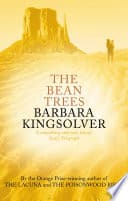
The Bean Trees cover
Archivist's Choice

The Bean Trees

Barbara Kingsolver (2020)

Genre

Literary Fiction

Reading Time

240 min

Key Themes

See below

Track Your Reading

Sign in to track this book

A Kentucky woman finds an unexpected family with a silent, traumatized Native American child, building a new life in the American West.

Synopsis

Taylor Greer, a young woman from rural Kentucky who wants to avoid early pregnancy, leaves Pittman County with only her car. On the way, she becomes the guardian of a silent, traumatized three-year-old Cherokee girl she names Turtle. They arrive in Tucson, Arizona, where Taylor, without money, finds work at Jesus Is Lord Used Tires. She forms a household with Lou Ann Ruiz and her two young children. As Taylor adjusts to her new life, she takes in Estevan and Esperanza, two Salvadoran refugees. Turtle, at first withdrawn, slowly connects with the world, especially nature. The threat of Child Protective Services makes Taylor consider legal adoption for Turtle, but she lacks the right documents. To secure Turtle's future, Taylor goes to Oklahoma with Estevan and Esperanza. They plan to pose as Turtle's biological parents to a Cherokee Nation official, getting tribal affiliation for Turtle. After saying goodbye to Estevan and Esperanza, who continue their search for safety, Taylor and Turtle return to Tucson. Their bond has grown, and they are ready to face their new life together as a chosen family.
Reading time
240 min
Difficulty
Easy
Pacing
Moderate
Mood
Heartwarming, Hopeful, Thought-provoking, Humorous
✓ Read this if...
You enjoy character-driven stories about unconventional families, resilience, and social justice, with a touch of humor and heartwarming moments.
✗ Skip this if...
You prefer fast-paced thrillers or stories with complex plot twists, or if you dislike narratives focused on social commentary.

Plot Summary

Leaving Pittman County and the Unexpected Passenger

Marietta "Taylor" Greer, a young woman from rural Pittman County, Kentucky, decides to avoid early pregnancy and a life tied down. She saves money, buys a '55 Volkswagen bug, and drives west, planning to stop only when her car breaks down. In rural Oklahoma, a desperate woman places a small, silent, and abused Native American child into Taylor's car. She says the child's mother is dead and her father does not want her. The woman leaves before Taylor can refuse, giving Taylor no information about the child. Taylor, at first overwhelmed, takes the child with her, naming her Turtle because of her strong grip on Taylor's finger.

Arrival in Tucson and New Beginnings

After a long drive, Taylor and Turtle arrive in Tucson, Arizona, when her car breaks down. With little money and no plan, Taylor finds the Jesus Is Lord Used Tires shop, owned by Mattie. Mattie, a kind and helpful woman, offers Taylor a job and a place to stay upstairs. Taylor quickly learns that Mattie's shop is also a safe house for undocumented immigrants, mostly from Central America. Turtle starts to show small signs of life, mostly by watching the world around her, especially the desert plants.

Meeting Lou Ann and Forming a Household

Taylor meets Lou Ann Ruiz, a fellow Kentuckian who is also a single mother, recently left by her husband, Angel. Lou Ann lives with her two children, Dwayne Ray and a newborn daughter named Alice, and her mother-in-law and brother-in-law, who soon return to Montana. Taylor, needing a more stable living situation and finding a friend in Lou Ann, suggests they move in together. They create a shared household, combining their resources and supporting each other. Despite their different personalities—Taylor's adventurous spirit and Lou Ann's timid worries—they quickly form a close bond, living their new lives in Tucson.

Turtle's Growing Connection to Nature

As Taylor settles into her new routine, working at Mattie's and living with Lou Ann, she sees Turtle's slow awakening. Turtle remains mostly silent but gets interested in the desert, especially the wisteria vine and the bean trees outside their home. She points out different plants, identifying them with a word or gesture. Taylor realizes that Turtle has a special connection to nature. However, Turtle's quietness and signs of past abuse still worry Taylor, who struggles to care for a child with such a traumatic past.

Estevan and Esperanza Enter Their Lives

Mattie introduces Taylor to Estevan and Esperanza, a young, gentle couple from El Salvador who also live at Mattie's safe house. They are refugees, fleeing political persecution in their home country, where they lost their child, Ismene, to the government. Taylor and Estevan quickly connect, drawn to each other's kindness and shared sense of loss. Esperanza, however, stays withdrawn and depressed, still grieving for her daughter and the trauma she endured. Taylor feels a strong desire to protect and help them, especially after learning the tragic details of their past.

The Wisteria and Turtle's Awakening

A significant event happens when Turtle, playing in the park, points to a wisteria vine and says her first word: 'bean.' This moment fills Taylor with joy and hope, showing Turtle's slow but steady recovery from her trauma. The wisteria vine, with its strong roots and blossoms, becomes a symbol of resilience and growth for both Turtle and Taylor. Turtle's vocabulary slowly grows, mostly related to plants, showing her deep connection to the natural world and her gradual re-engagement with life. This milestone strengthens Taylor's resolve to provide a loving and stable home for Turtle.

The CPS Interview and the Need for Adoption

A social worker, Mrs. Parsons, visits Taylor and Lou Ann's home after a neighbor reports Turtle was unsupervised in the yard. During the interview, Taylor finds it hard to explain Turtle's origin without revealing the illegal circumstances of her arrival. Mrs. Parsons expresses concern about Turtle's lack of legal documents and unclear guardianship. This interaction makes Taylor realize how uncertain their situation is and how urgently she needs to legally adopt Turtle to ensure her safety and future. The fear of losing Turtle motivates Taylor to find a permanent solution for their family.

The Journey to Oklahoma and Legal Challenges

To adopt Turtle, Taylor, with Estevan and Esperanza, travels back to Oklahoma, hoping to find Turtle's biological relatives or a legal way to adopt her. Mattie helps arrange the trip, understanding the urgency. During the journey, Estevan and Esperanza pretend to be Turtle's biological parents, hoping to make the adoption process easier by presenting a more conventional family unit to the Cherokee Nation. This pretense is emotionally hard for Esperanza, as it brings back the pain of losing her own child, Ismene. The group faces bureaucratic problems and the emotional cost of their deception.

The Cherokee Nation and a New Identity

In Oklahoma, Taylor, with Estevan and Esperanza's help, goes to the Cherokee Nation offices. They navigate the legal system by presenting Estevan and Esperanza as Turtle's biological parents, who are supposedly giving her up for adoption to Taylor. This fabrication is necessary because Turtle is a Native American child, and tribal law has specific rules for her adoption. The officials are convinced, and Taylor gets temporary custody, with the way clear for a full adoption. This experience strengthens Taylor's commitment to Turtle and changes her idea of family, showing that love and commitment, not biology, make a family.

Saying Goodbye and Returning Home

After successfully getting Turtle's adoption, Taylor makes the difficult decision to leave Estevan and Esperanza at a safe house in Oklahoma. From there, they will be taken to a safer life in a different part of the country through a network of sanctuary cities. The goodbyes are emotional, especially for Taylor and Estevan, who have grown close. Taylor promises to keep their story alive. She and Turtle then drive back to Tucson, a legally recognized family. Taylor thinks about her journey, her early fears of commitment, and the deep love she now feels for Turtle, embracing her new identity as a mother and her chosen family.

Principal Figures

Taylor Greer

The Protagonist

Transforms from an independent, commitment-averse young woman into a fiercely protective and loving mother who embraces her chosen family.

Turtle

The Supporting

Gradually recovers from severe trauma, slowly learning to trust, speak, and engage with the world around her, symbolizing resilience and hope.

Lou Ann Ruiz

The Supporting

Overcomes her crippling anxieties and self-doubt to become a more confident, independent, and self-assured single mother.

Mattie

The Supporting

Maintains her role as a steadfast, compassionate anchor for her community, quietly facilitating the safety and well-being of others.

Estevan

The Supporting

Continues to endure the trauma of his past while maintaining his gentle nature, eventually finding a new, safer path with Esperanza.

Esperanza

The Supporting

Gradually begins to process her profound grief and trauma, moving towards a fragile hope for healing and a new beginning.

Angel Ruiz

The Supporting

Remains largely unchanged, representing a life path that Lou Ann ultimately moves beyond.

Mrs. Parsons

The Mentioned

Serves as a plot device to propel Taylor's legal quest for Turtle's adoption.

Edna Poppy

The Supporting

Remains a consistent, cheerful presence in the neighborhood, embodying the spirit of community support.

Virgie Mae Parsons

The Supporting

Remains a consistent, observant presence, providing a grounded perspective within the neighborhood.

Themes & Insights

Chosen Family and Community

The novel explores the idea that family is not only defined by biological ties but by love, commitment, and support. Taylor, Lou Ann, Turtle, Mattie, Estevan, and Esperanza form an unconventional but loving family in Tucson. This theme appears in Taylor's decision to adopt Turtle, Lou Ann and Taylor's shared home, and Mattie's role as a sanctuary provider. The Tucson community, a mix of resilient individuals from different backgrounds, nurtures and protects its members, showing the strength found in solidarity and compassion, especially for those on the edges of society.

It was just a little green bean of a thing, and I'd had it on my mind to keep it. I decided that this was the kind of miracle I'd been expecting.

Taylor Greer

Motherhood and Nurturing

Motherhood is a central theme, imagined beyond traditional biological roles. Taylor, at first against motherhood, becomes a devoted mother to Turtle. Lou Ann, a biological mother, also grows into a more confident parent through her shared life with Taylor. The novel emphasizes the active, nurturing role of a mother, regardless of biology, highlighting the sacrifices and love involved. Mattie also acts as a mother figure, caring for and protecting many, including the refugees. The theme suggests that nurturing is a strong, healing force.

What happened to you, little kid? I thought. I didn't know the answer. But I knew one thing: if I kept her, I'd have to make sure nothing like that ever happened again.

Taylor Greer

Identity and Self-Discovery

Both Taylor and Lou Ann go through journeys of self-discovery. Taylor leaves Kentucky to define herself outside of traditional expectations, only to find her true identity as a mother and a member of a supportive community. Lou Ann, at first defined by her worries and her relationship with Angel, gradually finds her own strength and independence. The characters learn to navigate new environments, face their fears, and take on unexpected roles. Their experiences show how a unique identity forms, often through challenges and new relationships, ultimately finding strength in their changing selves.

I had been running away from something, and now I was running towards something.

Taylor Greer

Resilience and Survival

The novel has characters who show resilience when facing hardship. Turtle's slow recovery from trauma, Estevan and Esperanza's survival of political persecution and loss, and Taylor and Lou Ann's ability to build new lives in a new city all show this theme. The 'bean trees' themselves symbolize resilience, growing in harsh conditions. The characters' ability to adapt, heal, and find hope despite their struggles shows the human capacity for endurance and the strong spirit of life, like desert plants that bloom against odds.

The wisteria vine was the most tenacious, ill-tempered plant in the world. It had the kind of tenacity that was admirable, even if it was a pain in the neck.

Narrator

Social Justice and Immigration

Kingsolver includes themes of social justice, especially concerning undocumented immigrants and Native American rights. Mattie's tire shop as a sanctuary for Central American refugees like Estevan and Esperanza brings the political realities of their situation into the home. The bureaucratic problems Taylor faces in adopting Turtle, a Native American child, highlight issues of tribal law and the complexities of guardianship. The novel supports compassion and human rights, advocating for those who are marginalized and unheard, showing how ordinary people can make a difference through kindness and solidarity.

These people are running for their lives. What else are we supposed to do?

Mattie

Plot Devices & Literary Techniques

The Wisteria and Bean Trees

Symbolic plants representing resilience, growth, and interconnectedness.

The wisteria vine, specifically the 'bean trees' that Turtle points out, serves as a powerful symbol throughout the novel. Initially, Turtle's first word, 'bean,' connects her to the plant, marking her awakening and recovery from trauma. The plants, with their tenacious roots and ability to thrive in harsh desert conditions, mirror the resilience of the characters, particularly Turtle, Taylor, Estevan, and Esperanza. They symbolize growth, interconnectedness, and the idea that beauty and life can emerge even from difficult circumstances, reinforcing the theme of survival and the formation of a chosen family rooted together.

First-Person Narrative (Taylor's Voice)

Provides an intimate, humorous, and authentic perspective on the events.

The story is told from Taylor Greer's first-person perspective, allowing readers direct access to her thoughts, fears, and observations. This narrative choice imbues the story with Taylor's distinctive Kentucky voice, marked by humor, colloquialisms, and a down-to-earth sensibility. It creates an intimate connection with the protagonist, making her journey of unexpected motherhood and self-discovery deeply personal and relatable. Her honest, often humorous, reflections on her experiences and the people she encounters shape the reader's understanding of the themes and events, making the narrative engaging and authentic.

The Desert Setting

A symbolic backdrop representing harshness, beauty, and unexpected life.

The Arizona desert, with its unique flora and fauna, serves as a significant symbolic setting. Initially perceived as harsh and alien by Taylor, it gradually reveals its hidden beauty and capacity for life, much like the characters themselves. The desert plants, particularly the wisteria, symbolize resilience and survival against challenging odds. The starkness of the landscape highlights the characters' vulnerability while also emphasizing their tenacity. It becomes a place of unexpected growth, community, and transformation, contrasting with Taylor's lush but restrictive Kentucky origins and symbolizing the new, unconventional life she builds.

The Jesus Is Lord Used Tires Shop

A sanctuary and symbol of practical compassion and community.

Mattie's tire shop is more than just a place of employment; it functions as a literal and symbolic sanctuary. It provides safe haven, employment, and community for marginalized individuals, particularly undocumented refugees like Estevan and Esperanza. The act of 'fixing tires' can be seen as a metaphor for Mattie's work in helping 'fix' broken lives and situations. It represents a space where practical help, compassion, and quiet activism converge, illustrating how ordinary places can become centers of profound social good and support networks for those in need, embodying the novel's theme of chosen family and social justice.

Critical analysis

Notable Quotes

There is no point treating a depressed person as though she were just feeling sad, saying, 'There now, hang on, you'll get over it.' Sadness is more or less like a head cold—with patience, it passes. Depression is like cancer.

Taylor's thoughts on her friend Lou Ann's depression.

The way I see it, a person isn't nothing more than a scarecrow. You, me, the President, the Queen of England—we're all just made out of the same stuff. The only difference between one person and another is the way they're put together.

Taylor reflecting on human nature and equality.

You can't just sit there and wait for people to give you that golden dream. You've got to get out there and make it happen for yourself.

Taylor's advice to herself about taking control of her life.

Home is where you know the names of the trees.

Taylor's realization about what makes a place feel like home.

There are still flowers blooming in the desert, even if you can't see them from the road.

Metaphor for hidden beauty and resilience in difficult circumstances.

The most important thing about a person is always the thing you don't know.

Taylor's observation about the complexity of people.

I had decided early on that if I couldn't dress elegant, I'd dress memorable.

Taylor's philosophy on personal style and identity.

You can't just pick out the parts you like and ignore the rest, because the whole thing's a package deal.

Reflection on accepting people and situations fully.

Sometimes you have to let go of the life you planned to find the life that's waiting for you.

Taylor's realization about embracing unexpected opportunities.

A mother is the only person who can turn a grocery list into a love letter.

Observation about the small, loving acts of motherhood.

The world is full of bastards, the number increasing rapidly the further one gets from Missoula, Montana.

Taylor's humorous yet cynical view as she travels.

It's funny how you can be in a place for years and never really see it until you're about to leave.

Taylor reflecting on perception and attachment to places.

Hope is a funny thing. It's the only thing stronger than fear.

Taylor's thoughts on overcoming challenges.

You don't have to be blood to be family.

Central theme of the novel about chosen family.

Quiz

Test Your Knowledge

Ready to see how well you understood this book? Take our interactive quiz with 10 questions.

10
Questions
~5
Minutes
?
Best Score

Key Questions (FAQ)

The novel follows Taylor Greer, a young woman from rural Kentucky who drives west to escape her hometown's expectations. In Oklahoma, she unexpectedly becomes the guardian of a 3-year-old Cherokee girl she names Turtle, and they settle in Tucson, Arizona, where Taylor finds work at Jesus Is Lord Used Tires and builds a makeshift family with other displaced characters.

About the author

Barbara Kingsolver

Barbara Kingsolver is a Pulitzer Prize winning American novelist, essayist and poet. She was raised in rural Kentucky and lived briefly in the Congo in her early childhood. Kingsolver earned degrees in biology at DePauw University and the University of Arizona and worked as a freelance writer before she began writing novels. Her widely known works include The Poisonwood Bible, the tale of a missionary family in the Congo, and Animal, Vegetable, Miracle, a non-fiction account of her family's attempts to eat locally.