“Everyone lies about their lives. What would happen if you shared the truth?”
— Written by Julian Jessop in the notebook that starts the project.

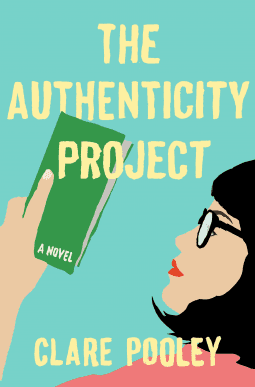
Clare Pooley (2020)
Genre
Literary Fiction / Romance
Reading Time
450 min
Key Themes
See below
Sign in to track this book
An eccentric artist's green notebook, filled with raw truths, connects six strangers, forcing them to shed their curated lives and find unexpected love and friendship in a bustling café.
Julian Jessop, a seventy-nine-year-old artist living alone in Chelsea, feels lonely and unseen. He writes his truth in a green exercise book, confessing his loneliness and that his life, despite appearances, feels unfulfilled since his wife, Mary, died. He describes his creative block and the facade he maintains. He names the book 'The Authenticity Project' and leaves it in Monica's Café, a local place he visits, hoping someone else finds it and shares their own truth, creating a chain of connection.
Monica, the owner of Monica's Café, finds the green notebook Julian left. Intrigued by its contents, she reads Julian's confession. Despite her outwardly perfect life—a successful café, a loving husband, two children—Monica feels pressure to appear perfect. She decides to add to the project, writing her own truth: that she is overwhelmed, exhausted, and feels like she constantly fails to meet her high standards. Inspired by Julian's vulnerability, she wants to find him and help him feel less alone.
Hazard, a former finance worker in recovery for drug addiction, finds the notebook in Monica's Café. Ashamed of his past and current struggles, he invents a glamorous persona for his entry, portraying himself as a successful businessman. He then sees Monica trying to find 'Julian Jessop.' Hazard, feeling drawn to Monica's genuine concern, decides to help her find Julian, pretending to be a helpful stranger. He connects Monica with Julian, setting up their first meeting at the café, while keeping his fabricated identity.
The green notebook reaches Alice, a young woman in Thailand who curates a perfect life on social media, with exotic travel and a seemingly ideal relationship. In reality, Alice is insecure, lonely, and her relationship is not perfect. She writes her 'truth' in the notebook, but it is a filtered version, still maintaining a facade of happiness and success, though with hints of dissatisfaction. She passes the notebook on, hoping for connection but still unable to fully drop her public persona.
Riley, an Australian primary school teacher in London, finds the green notebook. He writes his truth about his heartbreak over a past love, a woman named Bridget, whom he met while backpacking and lost touch with. He confesses his regret and his hope of finding her again. His entry is honest, unlike some of the earlier, more guarded entries. He leaves the notebook, continuing his life of quiet longing, unaware of the connections forming around him through the pages he contributed to.
The Authenticity Project notebook eventually finds Sarah, a woman in an unfulfilling marriage and struggling with her identity as a mother and wife. Reading the previous entries, especially Julian's and Monica's, resonates with her own feelings of inadequacy and the lies she tells herself and others about her happiness. She writes her truth, revealing her unhappiness and her desire for more from life, feeling a sense of release in the anonymous confession. Her entry adds another layer of vulnerability to the collective story.
Monica, wanting to help Julian and connect the others, finds the previous contributors to the Authenticity Project. She invites Julian, Hazard, Riley, and eventually Sarah, to regular gatherings at her café. These initial meetings are awkward, as no one knows the full truth behind anyone else's entries, and Hazard keeps his fabricated identity. However, as they share coffee and conversation, a fragile sense of community begins to form, and the participants start to feel a glimmer of the connection Julian had hoped for, despite the lingering deceptions.
As the group spends more time together, the facades start to break. Hazard's fabricated identity is exposed, leading to a confrontation and feelings of betrayal among the group, especially from Monica who felt close to him. Julian also faces questions about his past and the true nature of his loneliness. These revelations are painful but force the characters to confront their own truths and the impact of their deceptions. The group dynamic shifts from polite acquaintance to a deeper, more challenging, level of honesty.
After the uncomfortable revelations, especially Hazard's deception, the group deals with trust and forgiveness. Monica is hurt at first, but shared vulnerability and the understanding that everyone has struggles lead to deeper empathy. Hazard, without his lies, starts to genuinely connect with the group, especially Monica. Riley finds a connection with Alice, who returns from Thailand, and Sarah begins to make decisions about her future. The project, despite its bumpy path, starts to fulfill its purpose, creating friendships and support.
Through his involvement with the Authenticity Project and the new friendships he makes, Julian Jessop changes. The loneliness that bothered him disappears as he finds companionship and belonging. The connections rekindle his artistic inspiration, and he starts to paint again, creating new works that show his new perspective. He finds joy in sharing and being understood, realizing that authenticity comes from engaging with others, not from solitary reflection.
The Authenticity Project leads to romantic connections. Riley and Alice, connected by the notebook, develop a relationship that helps Alice drop her social media facade and find happiness. Hazard and Monica, after dealing with the shock of his deception, find love and a deeper understanding of each other, building a relationship based on honesty and mutual support. Sarah decides to leave her unhappy marriage and pursue a path that brings her fulfillment, supported by her new friends. The project acts as a catalyst for significant life changes.
The green notebook, having served its purpose for this group, continues its journey, possibly inspiring others. The original contributors are changed. Julian finds friendship, artistic renewal, and peace. Monica learns to accept imperfection, Hazard finds redemption and love, Riley and Alice build a relationship, and Sarah finds the courage to redefine her life. The Authenticity Project becomes a symbol of vulnerability and the connections that come when people share their true selves, showing that connection is possible even in a world of curated images.
The Protagonist
Julian transforms from a lonely, isolated artist to a vibrant, connected individual who finds renewed inspiration and a sense of belonging.
The Protagonist/Catalyst
Monica learns to let go of her need for perfection, embraces vulnerability, and finds genuine happiness in imperfect connections.
The Protagonist
Hazard moves from deception and shame to honesty, self-acceptance, and a loving relationship.
The Supporting
Alice transitions from living a curated online life to embracing real-world vulnerability and genuine connection.
The Supporting
Riley moves past his past heartbreak to find new love and a deeper sense of belonging.
The Supporting
Sarah finds the courage to leave her unhappy marriage and pursue a path of self-fulfillment and independence.
The Supporting
George continues to be a loving and supportive partner, adapting to the changes Monica undergoes and finding his own quiet strength.
The Mentioned
N/A (deceased character, but her memory drives Julian's initial motivation)
The main theme is the power of sharing one's true self. Julian's initial act of vulnerability in the green notebook starts a chain reaction, leading all characters to confront their own facades. Monica learns to accept her imperfections, Hazard finds redemption by dropping his lies, and Alice finds connection by letting go of her social media persona. The book shows that while authenticity can be scary, it is the only way to true connection and personal fulfillment.
“Everybody lies about their lives. What would happen if you shared the truth?”
Loneliness is a theme that affects characters of different ages and life stages, from Julian's isolation to Alice's digital loneliness and Monica's hidden struggles. Despite living in a connected world, many characters feel alone. The Authenticity Project directly addresses this, creating a way for strangers to bridge that gap. The story shows that true connection is not about superficial interactions but about deep understanding through shared vulnerability and honesty, which reduces the characters' sense of isolation.
“He desperately wanted to share his truth, to be seen for who he really was. But he was terrified.”
The novel looks at the impact of social media and the pressure to present a perfect life. Alice's character is a good example, living a glamorous online existence while struggling with insecurity and an unhappy relationship. Her journey shows how constant comparison and the need for external validation can prevent self-acceptance and connection. The book suggests that trying to have an 'authentic' online persona often leads to an inauthentic real life, emphasizing the importance of disconnecting from the digital facade to find happiness.
“Her Instagram feed was a carefully curated fantasy, a life she wished she was living, rather than the one she actually had.”
Several characters get chances for redemption and new beginnings. Hazard, haunted by his past drug addiction and lies, finds a path to forgiveness and a new start through his honesty and new relationships. Julian also gets a second chance at life and artistic fulfillment after years of stagnation. The Authenticity Project acts as a catalyst for these arcs, showing that it is never too late to change, seek forgiveness, and rebuild one's life on a foundation of truth.
“Perhaps this was what being brave felt like. Not the absence of fear, but the decision to act despite it.”
While blood relatives are present, the novel explores how chosen family and community can be just as important. The group formed by The Authenticity Project starts as strangers but becomes a supportive, loving community that offers each member what their traditional families or social circles could not: understanding, non-judgmental support, and belonging. Monica's Café becomes the literal and symbolic center of this new family, showing that connection and care can go beyond traditional definitions of family.
“They were an unlikely bunch, brought together by a little green book and a shared yearning for something real.”
The central object that connects all characters and drives the plot.
The pale green exercise book, titled 'The Authenticity Project,' is the primary plot device. It serves as a physical conduit for the characters' deepest truths and a catalyst for their interactions. By writing their confessions and passing it on, each character unknowingly contributes to a collective narrative that ultimately brings them together in real life. The notebook symbolizes the courage required for vulnerability and the potential for connection when people dare to be honest, acting as the narrative's central engine.
The juxtaposition of characters' public personas and their private realities.
The novel is structured around the contrast between the characters' carefully constructed public images (their 'lies') and the raw confessions they write in the notebook (their 'truths'). This device creates dramatic irony and suspense, as the reader is privy to secrets the characters initially keep from each other. The gradual unraveling of these lies and the revelation of their truths drive much of the character development and interpersonal conflict, ultimately leading to deeper, more authentic relationships.
A recurring setting that acts as a central hub and symbol of community.
Monica's Café is more than just a setting; it functions as a central hub and a symbolic space for community and connection. It's where the notebook is found, where the characters eventually gather, and where many of their truths are revealed and relationships forged. The café, with its warmth and Monica's nurturing presence, becomes a safe haven where vulnerability can be explored and genuine friendships can blossom, transforming from a mere business into a vibrant social nexus.
The narrative unfolds through loosely connected character perspectives, converging later.
The story is told through an episodic structure, initially focusing on individual characters as they encounter the notebook and write their entries. Each character's vignette feels somewhat self-contained at first, offering their unique perspective and backstory. This allows for a rich exploration of diverse experiences of loneliness and inauthenticity. The device then cleverly brings these disparate threads together as Monica orchestrates their meeting, demonstrating how individual acts of vulnerability can weave into a larger, interconnected tapestry of human experience.
“Everyone lies about their lives. What would happen if you shared the truth?”
— Written by Julian Jessop in the notebook that starts the project.
“The trouble with secrets is that they fester. They grow in the dark, feeding on shame and fear.”
— Monica reflects on her own hidden struggles.
“We're all just a collection of stories, and sometimes we need someone else to help us edit ours.”
— Hazard, a recovering addict, shares his perspective on personal narratives.
“It's not about being perfect. It's about being real.”
— Riley, a social media influencer, learns to embrace imperfection.
“Loneliness is a silent epidemic. We're all so busy pretending we're fine that no one dares to say they're not.”
— Monica observes the isolation in modern life.
“Sometimes the bravest thing you can do is ask for help.”
— A lesson learned by multiple characters throughout the story.
“We're all connected, whether we realize it or not. Our stories are threads in the same tapestry.”
— Reflecting on how the characters' lives intertwine.
“Happiness isn't something you find; it's something you build, brick by brick, with the people around you.”
— A realization shared among the group.
“The truth is messy and complicated, but it's also where the beauty lies.”
— Julian comes to appreciate the imperfections in life.
“We spend so much time curating our lives for others that we forget to live them for ourselves.”
— Riley's critique of social media culture.
“Kindness is a language that everyone understands, even when words fail.”
— Demonstrated through small acts between characters.
“The most ordinary moments can become extraordinary when shared with the right people.”
— Highlighting the value of simple connections.
“We're all works in progress, and that's perfectly okay.”
— A comforting thought for characters facing personal challenges.
“Sometimes the person you need to forgive most is yourself.”
— A theme in Hazard's journey of recovery.
“Life isn't a solo performance; it's a chorus, and we all have a part to sing.”
— Emphasizing the communal aspect of human experience.
Ready to see how well you understood this book? Take our interactive quiz with 10 questions.







