“There are some things in life you can't be prepared for, no matter how hard you try.”
— Lindsay Boxer reflecting on the unexpected twists in the case.

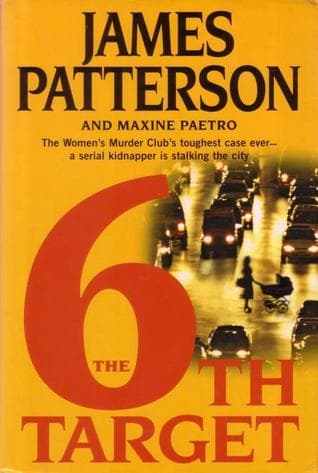
James Patterson (2007)
Genre
Thriller / Mystery
Reading Time
360 min
Key Themes
See below
Sign in to track this book
A member of the Women's Murder Club fights for her life after an attack, while Detective Lindsay Boxer races to solve nanny-and-child kidnappings with no ransom, as San Francisco faces lethal danger.
The book begins with a sniper attack at a San Francisco wedding, causing chaos and many casualties. Dr. Claire Washburn, a medical examiner and member of the Women's Murder Club, is critically wounded. Lindsay Boxer, an SFPD detective, rushes to the scene, her personal life put aside by the tragedy and the need to investigate. At the same time, Lindsay is assigned to a puzzling case: two sets of nannies and their young charges have been abducted in broad daylight. There are no ransom demands or clear motives, leaving the city scared and confused, suspecting a highly organized criminal group.
With Claire in a coma, the remaining Women's Murder Club members—Lindsay Boxer, crime reporter Cindy Thomas, and Assistant District Attorney Yuki Castellano—are devastated. They gather at the hospital, struggling with the attack on their friend. While doctors work to save Claire, Lindsay and Yuki are determined to find the sniper. Yuki feels a personal connection to the case, as the wedding was for a colleague. Their grief and concern for Claire drive them to find the attacker, even as Lindsay's police duties pull her into the growing kidnapping crisis.
The kidnappings continue, with more nannies and children vanishing, increasing the mystery and public fear. The abductions are carefully planned, leaving little evidence. Lindsay partners with Detective Rich Conklin, a sharp and experienced officer who proves valuable. As they work together, professional respect and a personal attraction grow between Lindsay and Rich. This new dynamic adds to Lindsay's life, as she deals with the pressure of the cases, Claire's uncertain recovery, and her feelings for her new partner, creating a tough balance between her personal and professional worlds.
Yuki Castellano, with Cindy Thomas's help, looks into the background of the wedding victims and guests, searching for a motive for the sniper attack. Their investigation finds a link to a corruption case Yuki had prosecuted years earlier. Evidence points to a former San Francisco police officer, Marcus Dowling, who was disgraced and imprisoned because of that case. Dowling, now out of prison, is identified as the likely sniper, seeking revenge against those he blamed for his downfall, including the judge and those connected to the prosecution.
After a period of silence, the kidnappers make their demands. They call themselves 'The Collective' and issue an ultimatum: they demand the release of Ethan Grey, a dangerous cult leader imprisoned for multiple crimes. Grey's followers are devoted to him, and The Collective's actions aim to free him. This demand changes the investigation, turning it from an abduction case into a hostage negotiation with possibly devastating effects for the city if their demands are not met. The stakes become very high.
Claire Washburn begins to show signs of improvement, slowly waking from her coma. Her recovery offers hope and renewed determination for Lindsay, Cindy, and Yuki. Meanwhile, the search for Marcus Dowling increases. Lindsay and Yuki, working closely, use all resources to track him. They know Dowling is skilled and dangerous, driven by revenge. Time is short, as they fear Dowling might try another attack, and they want to catch him before he can harm their friends or the city.
The Collective increases their threats, revealing their plan: if Ethan Grey is not released, they will use a chemical weapon in San Francisco. This threat shocks the city and the police department. Lindsay Boxer faces an impossible choice. She must weigh the lives of the kidnapped children and nannies against the possibility of many casualties across the city. The decision of whether to negotiate with terrorists and release a dangerous cult leader, or risk a catastrophic attack, falls on her, pushing her to her moral and professional limits.
Facing an impossible choice, Lindsay Boxer, with Rich Conklin and the SFPD, plans a high-stakes operation. Instead of releasing Ethan Grey, they plan a fake release, hoping to trap The Collective and rescue the hostages. This plan is risky and needs precise timing and execution. Lindsay leads the charge, knowing any mistake could mean the deaths of the hostages and the use of the chemical weapon. The operation ends in a tense and violent confrontation with The Collective, where Lindsay and her team fight to save the city.
While Lindsay focuses on The Collective, the hunt for Marcus Dowling ends. Yuki and other SFPD units track Dowling to a secluded location. Cornered and desperate, Dowling tries one last act of defiance, but he is caught or stopped, ending his terror. The resolution of the sniper case brings justice for Claire and the other victims, and relief for the Women's Murder Club, even as Claire continues her recovery. This closure allows Lindsay to fully focus on The Collective crisis.
After the dual crises, San Francisco slowly recovers. The kidnapped children and nannies are reunited with their families, and The Collective's plot is stopped. Claire Washburn continues her recovery, showing resilience and strength, though her life has changed. Lindsay Boxer, tired but victorious, thinks about the events and their impact on her. Her relationship with Rich Conklin has grown through the shared experience, suggesting a future together. The Women's Murder Club, though shaken, remains strong, ready for future challenges.
The Protagonist
Lindsay navigates immense personal and professional stress, deepening her resolve and opening herself to a new romantic relationship amidst chaos.
The Supporting
Claire fights for her life and slowly begins a difficult recovery, symbolizing the enduring strength of the club's bond.
The Supporting
Cindy uses her journalistic skills to assist in the investigations, proving her value beyond just reporting.
The Supporting
Yuki channels her grief and legal expertise into actively pursuing the sniper, demonstrating her resilience and dedication to justice.
The Supporting
Rich develops a strong professional and personal bond with Lindsay, becoming a trusted partner and confidant.
The Antagonist
Dowling executes his meticulously planned revenge plot until he is cornered and brought to justice.
The Antagonist
Grey's unseen presence drives the plot of the kidnapping storyline, as his followers attempt to free him.
The Antagonist
The Collective escalates their demands and threats until their plot is ultimately thwarted by the SFPD.
This theme is central to the sniper storyline. Marcus Dowling, the sniper, seeks revenge for his past conviction, believing he was wronged. His actions are driven by personal vendetta, leading to casualties and an attack on the justice system (targeting Yuki's colleagues). In contrast, Lindsay and Yuki are motivated by justice—bringing a dangerous criminal to account and protecting the innocent, as seen in their pursuit of Dowling to prevent further harm after Claire's shooting.
““Revenge is a dish best served cold, they say. But justice… justice is a fire that burns clean.””
The bond between the Women's Murder Club members is a core of the novel. Claire Washburn's critical injury shows the impact one member's suffering has on the others. Lindsay, Cindy, and Yuki are loyal, supporting Claire through her recovery and channeling their grief and anger into finding her attacker. Their friendship provides emotional resilience and practical support, showing how loyalty can drive individuals to great lengths, as seen when Yuki personally investigates the sniper's motive.
““We’re a club, yes. But more than that, we’re family. And you don’t mess with family.””
Lindsay Boxer faces a dilemma when 'The Collective' threatens a chemical attack on San Francisco if Ethan Grey is not released. This forces her to choose between two catastrophic outcomes: releasing a dangerous cult leader who could cause further harm, or risking the lives of many citizens. This theme explores the pressure on law enforcement in high-stakes situations, where there are no easy answers and every decision has consequences, highlighting the ethical complexities of counter-terrorism.
““How do you choose between a city full of people and a handful of innocents? It’s a choice no one should ever have to make.””
The kidnapping storyline explores the power of cults through 'The Collective' and their devotion to Ethan Grey. Even from prison, Grey's charisma inspires loyalty, leading his followers to commit horrific acts, including abducting children and threatening mass destruction, to free him. This theme shows how cults can manipulate individuals, remove their autonomy, and turn them into tools of a leader's will, posing a threat to society beyond the cult members.
““They weren’t just followers. They were extensions of his will, ready to burn the world down for him.””
Two distinct criminal threats run concurrently, raising the stakes and complicating the investigation.
The novel features two independent criminal plots: the sniper attacking the wedding and the kidnappings by 'The Collective.' This device significantly elevates the tension and workload for Lindsay Boxer, forcing her to juggle two high-stakes investigations simultaneously. It demonstrates her professional capacity while also highlighting the overwhelming nature of her job. The distinct threats also allow for different members of the Women's Murder Club to contribute their unique skills to separate problems, showcasing the club's versatility and teamwork.
The threat of a chemical attack establishes a desperate race against time.
The 'ticking clock' device is prominently used once 'The Collective' issues their ultimatum: release Ethan Grey or face a chemical attack on San Francisco. This creates immense urgency for Lindsay and the SFPD. The impending deadline forces rapid decision-making, increases the pressure on all characters, and accelerates the plot towards a climactic confrontation. It heightens the sense of danger and ensures that every action taken by the protagonists carries immediate and severe consequences.
A close friend's injury directly impacts the protagonist's motivation and the club's dynamics.
Claire Washburn's critical injury immediately establishes high personal stakes for Lindsay Boxer and the entire Women's Murder Club. This isn't just another case; it's an attack on their inner circle. Lindsay's grief and fear for Claire fuel her determination to catch the sniper, adding an emotional layer to her professional drive. This device makes the conflict more impactful, as the reader is invested not just in the crime's resolution, but in the well-being of a beloved character and the emotional journey of her friends.
“There are some things in life you can't be prepared for, no matter how hard you try.”
— Lindsay Boxer reflecting on the unexpected twists in the case.
“Sometimes the only way to find out what someone's made of is to push them to their breaking point.”
— Inspector Boxer considering tactics to get information from a suspect.
“The city never sleeps, and neither do its secrets.”
— A general observation about San Francisco and its hidden criminal underbelly.
“Even the strongest walls can crumble if you find the right crack.”
— Cindy Thomas discussing how to break down a suspect's alibi.
“Fear is a powerful motivator, but it can also be a blinding one.”
— Lindsay observing the behavior of victims and perpetrators alike.
“Justice isn't always fair, but it's the best we've got.”
— Yuki Castellano expressing her frustration with the legal system.
“The truth is rarely simple, and often, it's the hardest thing to accept.”
— Claire Washburn contemplating a complex medical finding related to a case.
“Every choice has a consequence, and some consequences are irreversible.”
— Lindsay reflecting on the aftermath of a critical decision made during the investigation.
“You can run, but you can't hide from your own conscience.”
— A police officer's internal thought about a suspect on the run.
“Sometimes, the biggest monsters hide in plain sight.”
— The team discussing the unassuming nature of a killer.
“The past has a way of catching up to you, no matter how far you try to outrun it.”
— A character realizing that old secrets are impacting the present case.
“In this job, you learn to trust your gut, even when the evidence tells you otherwise.”
— Lindsay Boxer relying on her intuition during a critical moment.
“The line between good and evil is often blurrier than we'd like to admit.”
— The protagonists grappling with the moral ambiguities of a case.
“Hope is a dangerous thing in this line of work, but sometimes, it's all you have left.”
— A detective feeling the weight of a difficult investigation.
Ready to see how well you understood this book? Take our interactive quiz with 10 questions.

Biography coming soon.







