“Every time someone in your family dies, you lose a little bit of your past. Then you die, and the whole past is gone.”
— Victor Joseph reflecting on loss and heritage.

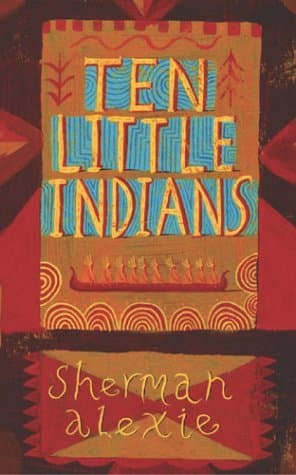
Sherman Alexie (2003)
Genre
Literary Fiction
Reading Time
300 min
Key Themes
See below
Sign in to track this book
Alexie's collection shows the struggles of Native Americans navigating different cultures, from a Spokane feminist saving white women to a homeless man reclaiming his grandmother's regalia, with honesty and powerful writing.
Corliss Joseph, a Spokane Indian man in Seattle, searches for his former girlfriend, Mary, a white woman. He spends his days at the public library, looking through phone books and early internet search engines, believing he will find her. His search comes from a deep longing and a feeling of incompleteness after they broke up. He thinks about their past relationship, their cultural differences, and his own feelings of not being good enough. Mary remains hard to find, and Corliss's search becomes a look at memory, loss, and the difficulty of finding connection in a big city. He meets different people in the library, each with their own stories, but he only focuses on Mary.
Estelle Walks Above, an intelligent and direct Spokane Indian woman, lives on the reservation. She starts an unusual habit of saving the lives of dozens of white women, often in dramatic ways, from car accidents to choking. Her son, Harlan, struggles to understand why his mother does this and how she seems to be in the right place at the right time. Estelle gives no clear reason, only saying it is 'her job.' This behavior creates a complex situation in the community and with Harlan, who deals with his mother's mysterious nature and what her actions mean for their family and tribal identity. Her actions show the often strained relationships between Native and white communities.
David and Karen, Spokane Indian college sweethearts, are driving through a remote area when they find a lost cat in the road. They decide to save it. This act of kindness unexpectedly becomes an important moment in their relationship. The cat, which they name 'Lost,' brings a strange mix of joy and tension into their lives. As they care for the animal, they talk about their future, their culture, and the moral parts of their choices. Saving the cat makes them face bigger questions about responsibility, commitment, and the kind of people they want to be. This strengthens their bond and their understanding of each other's values.
Jackson Jackson, a homeless Spokane Indian man in Seattle, sees his grandmother's stolen fancy dance outfit in a pawn shop window. The outfit, a valuable family item, was stolen fifty years ago. The pawnbroker, a white man, agrees to sell it back to Jackson for $999. Jackson has only 24 hours to get the money. He starts a desperate and often funny search across Seattle to find the funds. He meets different people, including a kind police officer, other homeless people, and a sympathetic bartender. During this time, he thinks about his grandmother's life and how important the outfit is to his identity and culture. His journey shows strength and the lasting power of cultural connection.
Zits, a fifteen-year-old Spokane Indian boy, moves between foster homes and juvenile detention centers. He struggles with anger and a broken sense of self. He is affected by his family's history of alcoholism and being left alone. After a violent event, a mysterious figure visits Zits and takes him through time, into the bodies of different people. He experiences life as a white FBI agent during the Wounded Knee occupation, a Native American warrior in the 19th century, and other characters. Each experience gives a different view of violence, identity, and history. These surreal journeys make Zits face the cycle of trauma and look for a way to heal and understand his place in the world.
Jimmy Many Horses, a Spokane Indian man, deals with his wife Norma's terminal cancer diagnosis with dark humor and deep love. He constantly tells jokes, often inappropriate ones, about her illness and coming death, which annoys and sometimes amuses Norma. Their relationship has this unusual dynamic, a way of facing the terrible with a defiant attitude. Jimmy's humor protects him, helping him process grief and keep some sense of normal during tragedy. The story looks at the complexities of love, loss, and how people face death, showing the couple's strong bond despite the grim situation.
The narrator, a Spokane Indian man, tells about various meetings and relationships. He focuses on his struggle with his identity as a Native American intellectual and writer. He feels a constant tension between his traditional background and his modern life. The story ends with an important meeting with a mysterious and strong Native American woman. She challenges his ideas about strength, spirituality, and masculinity. This meeting makes him rethink his understanding of himself and his place in the world. He deals with the complexities of his heritage, the expectations placed on him, and his personal journey toward self-acceptance and being true to himself.
The narrator, a Spokane Indian man, works as a caretaker for the son of a well-known white senator. He sees the clear differences between their lives and the subtle, and not so subtle, racial tensions in their interactions. The senator's son, a privileged white boy, at first does not understand the complexities of the narrator's life and background. Through their interactions, a complex relationship grows, with moments of real connection and underlying resentment. The story explores themes of class, race, and power. The narrator deals with his role and thinks about the wider societal implications of their different backgrounds. He often feels like an outsider, even while doing an intimate job.
David, a Native American lawyer, plays in a recreational basketball league with white lawyers. On the court, he finds a temporary escape from his professional pressures and the weight of his cultural identity. However, even in this casual setting, he faces subtle prejudices and stereotypes. His teammates and opponents often make assumptions about him because of his race, forcing him to constantly deal with and challenge these ideas. The basketball court becomes a small example of larger societal dynamics. David shows his skill and intelligence, both as a player and as a person, while dealing with the expectations and biases he faces as a Native American man in a mostly white professional world.
The story follows a Spokane Indian couple who move into a mostly white, wealthy neighborhood. They hope to escape their past and create a better life for their children. They try to fit in, but they always feel like outsiders, dealing with cultural differences and the unspoken judgments of their new neighbors. Despite their efforts, their past, especially the struggles and traumas from their Spokane heritage, continues to affect them. They deal with questions of identity, belonging, and what success truly means. They realize that simply moving does not erase the complexities of their history or the challenges of finding their place in a world that often misunderstands them.
The Protagonist
Jackson's arc is one of reaffirmation, as he successfully reclaims a piece of his heritage, demonstrating his resilience and connection to his past despite his current circumstances.
The Protagonist
Estelle remains largely enigmatic, her arc defined by the consistent manifestation of her unique 'gift' and her son's ongoing struggle to comprehend her.
The Protagonist
Corliss's arc is largely internal, defined by his unwavering but ultimately unfulfilled search, highlighting the lingering pain of unrequited or lost love.
The Protagonist
Zits undergoes a profound transformation, moving from anger and confusion to a nascent understanding of empathy and a desire for a more positive future through his time-traveling experiences.
The Protagonist
Jimmy's arc is one of enduring love and a unique way of processing grief, finding strength in their shared humor even as tragedy unfolds.
The Protagonist
David's arc is defined by a moment of shared compassion that solidifies his commitment and understanding of his relationship with Karen.
The Protagonist
Karen's arc, alongside David's, is marked by a shared experience that deepens her understanding of commitment and love.
The Protagonist
The narrator's arc involves a profound re-evaluation of his identity, masculinity, and connection to his heritage after a transformative encounter.
Many characters deal with what it means to be Native American today, often feeling caught between old traditions and modern life. Jackson Jackson's search for his grandmother's regalia ('What You Pawn I Will Redeem') is about reclaiming cultural identity. Zits's time-traveling ('Flight') makes him face different parts of Native history and identity, helping him understand his own place. The Spokane couple in 'The Best and Brightest' move to a wealthy neighborhood, only to find that changing where they live does not erase their complex identity or their struggle to belong.
“I was an Indian, a Spokane Indian, which meant I was a member of a tribe that had been dispossessed, then repossessed, then dispossessed again. I was a tribal member, which meant I was a citizen of a nation that no longer existed.”
The stories often look at how historical and personal trauma affects Native American individuals and communities, along with their ability to be strong. Zits in 'Flight' is a product of trauma passed down through generations, but his journey offers a path to understanding and possible healing. Jimmy Many Horses's use of humor in 'The Approximate Size of My Favorite Tumor' shows a unique kind of strength when facing deep personal tragedy. Jackson Jackson's determination to get his grandmother's outfit back shows the strength of cultural memory against years of loss.
“We were survivors, you see, and survivors are always a little bit crazy. That's why we're still here.”
The collection deeply examines different kinds of love—romantic, family, and community—and how much loss affects people. Corliss Joseph's intense search for Mary in 'The Search Engine' is a sad portrayal of lost love. The relationship between Jimmy and Norma in 'The Approximate Size of My Favorite Tumor' shows a strong, lasting love when facing terminal illness. There, humor becomes a shared language of affection and grief. David and Karen's shared act of kindness in 'Do You Know Where I Am?' strengthens their loving bond and shared morals.
“Love is not a battlefield, but sometimes it feels like one.”
Many characters deal with the tension between traditional Native American culture and the main white American society. They often feel caught between two worlds. The Spokane couple in 'The Best and Brightest' try to fit into a wealthy white neighborhood, but they still feel like outsiders. The Native American lawyer in 'Lawyer's League' faces stereotypes even in a casual setting. This shows how he constantly has to negotiate his identity. Estelle Walks Above's habit of saving white women can be seen as a complex interaction with the dominant culture.
“I was an Indian trying to be an American, and it was the hardest thing I'd ever tried to be.”
Alexie often uses humor, sometimes dark or ironic, to help his characters deal with pain, grief, and the absurd parts of life. Jimmy Many Horses's constant joke-telling in 'The Approximate Size of My Favorite Tumor' is the clearest example. It allows him and Norma to face her coming death with a mix of defiance and closeness. Jackson Jackson's thoughts and conversations in 'What You Pawn I Will Redeem' are full of self-deprecating humor and clever remarks. This helps him deal with being homeless and his desperate search. This theme shows the strength and spirit of the characters.
“An Indian without a sense of humor is like a warrior without a weapon.”
Supernatural elements woven into a realistic setting.
Alexie occasionally injects elements of magical realism into his otherwise grounded stories. The most striking example is Estelle Walks Above's inexplicable ability to consistently save white women's lives in 'The Life and Times of Estelle Walks Above,' which defies logical explanation. Similarly, Zits's time-traveling and body-swapping experiences in 'Flight' serve as a fantastical mechanism to explore historical trauma and identity. These elements introduce a sense of wonder and allow Alexie to delve into deeper, often spiritual or psychological truths that transcend conventional reality, reflecting a Native American storytelling tradition.
Stories told directly from the character's perspective.
The majority of the stories are told from a first-person perspective, providing intimate access to the characters' thoughts, feelings, and internal struggles. This device allows readers to deeply empathize with the protagonists, understanding their unique cultural backgrounds, personal dilemmas, and emotional landscapes. For instance, Jackson Jackson's internal monologue in 'What You Pawn I Will Redeem' reveals his wit, despair, and deep connection to his heritage. This direct address creates a strong sense of authenticity and personal connection, making the characters' experiences feel immediate and resonant.
Everyday objects imbued with deeper cultural or personal meaning.
Alexie frequently uses specific objects to carry significant symbolic weight. The most prominent example is the fancy dance outfit in 'What You Pawn I Will Redeem,' which symbolizes Jackson Jackson's cultural heritage, family history, and personal dignity. The lost cat in 'Do You Know Where I Am?' becomes a symbol of shared responsibility, compassion, and a turning point in David and Karen's relationship. These objects are not merely props but serve as tangible representations of intangible concepts, connecting characters to their past, their values, or their future.
The lasting impact of historical injustices across generations.
While often a theme, intergenerational trauma also functions as a crucial plot device, driving character motivations and conflicts. In 'Flight,' Zits's violent outbursts and fragmented identity are directly linked to the unresolved traumas of his ancestors and family history. The very existence of homeless Native Americans like Jackson Jackson ('What You Pawn I Will Redeem') implicitly points to a history of systemic disenfranchisement. The struggle of characters to find their place and heal often stems from this inherited burden, making it a foundational element that shapes their journeys and choices within the narratives.
“Every time someone in your family dies, you lose a little bit of your past. Then you die, and the whole past is gone.”
— Victor Joseph reflecting on loss and heritage.
“We are all beautiful, every last one of us, and we are all alone.”
— From the story 'What You Pawn I Will Redeem,' Thomas Builds-the-Fire's perspective.
“Sometimes you have to give up your past to have a future.”
— Characters grappling with difficult choices and moving forward.
“It's hard to be a man in a world that doesn't want you to be a man.”
— Exploring themes of masculinity and identity for Native American men.
“We are all born with a certain amount of light. The good news is that we can always make it brighter.”
— A hopeful sentiment about resilience and inner strength.
“The only thing more dangerous than a wounded Indian is a wounded Indian who knows how to read.”
— A commentary on the power of education and knowledge within a marginalized community.
“We were all just trying to make it through the day, one day at a time, one breath at a time.”
— Describing the everyday struggles and perseverance of the characters.
“Love is like a wildfire; it can destroy everything in its path, or it can warm you in the coldest night.”
— A metaphor for the dual nature of love and its impact.
“Sometimes I think I'm a living ghost, haunting my own life.”
— A character feeling disconnected and observing their own existence.
“You can take the Indian out of the reservation, but you can't take the reservation out of the Indian.”
— Highlighting the lasting impact of one's origins and cultural identity.
“Every good story is a scar, a wound that never heals, a memory that never fades.”
— Reflecting on the nature of storytelling and its connection to pain and memory.
“We are all searching for something, a place to belong, a reason to be.”
— A universal theme about the human quest for meaning and connection.
“Humor is the only way to survive, to keep from crying, to keep from going crazy.”
— Emphasizing the role of humor as a coping mechanism in difficult circumstances.
“The world is a dangerous place, not because of those who do evil, but because of those who look on and do nothing.”
— A call to action against indifference and a reflection on moral responsibility.
Ready to see how well you understood this book? Take our interactive quiz with 10 questions.
Biography coming soon.







