“Better drowned than duffers if not duffers won't drown.”
— The telegram from the children's father giving permission for their sailing adventure.


Arthur Ransome (1930)
Genre
Children's / Historical Fiction / Young Adult
Reading Time
420 min
Key Themes
See below
Sign in to track this book
Four adventurous siblings sail their catboat, Swallow, to a deserted island for a summer of camping, exploration, and a thrilling rivalry with two fierce 'Amazon' pirates.
The four Walker children—John, Susan, Titty, and Roger—travel by train from London to the Lake District for their summer holiday. Their father, a naval officer, is away at sea, but he has let them camp on an island in the lake. They must send a telegram saying 'BETTER DROWNED THAN DUFFERS IF NOT DUFFERS WON'T DROWN'. When they arrive, they meet their mother and baby sister, Vicky, at the farm. They prepare their dinghy, 'Swallow', for its first trip, stocking it with supplies. John, as captain, feels responsible, while Susan, as mate, keeps things organized. Titty is the able seaman, and young Roger is the ship's boy. They are excited to sail for Wild Cat Island.
The Swallows sail to Wild Cat Island, a small, wooded island in the middle of the lake. They set up their camp carefully, pitching their tent, building a fireplace, and organizing their food. John, as captain, teaches them sailing moves and camp skills. While exploring, they see another boat, a dinghy named 'Amazon', with two girls. These girls, Nancy and Peggy Blackett, live on a nearby farm and call themselves pirates. They first see the Swallows as intruders in their area. A tense moment leads to a challenge for control of the lake, setting up their future interactions and adventures.
After their first meeting, the Amazons, Nancy and Peggy Blackett, leave a message on Wild Cat Island declaring war on the Swallows. The Swallows, led by Captain John, accept the challenge. The war rules are simple: capture the other side's boat. Both sides scout the area, mapping the lake and planning. The Swallows practice sailing and rowing, developing ways to get away and chase. They learn to use the wind and the lake's shape to their advantage. The Amazons, with their knowledge of the local water and pirate spirit, are tough opponents, making the lake a lively place for their imaginative games.
During a naval battle, the Swallows outmaneuver the Amazons and capture their boat, 'Amazon'. This win is a big moment for the Swallows, especially John, who feels proud. The Amazons, though initially upset, admit defeat. After the capture, they call a truce, and the two crews start talking more. They share stories, compare sailing experiences, and find they respect each other's skills and love for adventure. This shared event changes their relationship from rivalry to a growing friendship, preparing them for future teamwork.
With the truce, the Swallows and Amazons decide to explore the mainland together. They go into the woods, finding hidden paths and imagining new adventures. During their exploration, they meet the Amazons' uncle, Captain Flint, a quiet and gruff man who lives in a houseboat called 'The Houseboat'. Captain Flint at first seems scary. The children call him after the pirate in 'Treasure Island'. He likes his privacy and often seems annoyed by the children, but there are hints of kindness. The children, especially Titty, are interested in him and his mysterious ways, adding intrigue to their summer.
Inspired by their pirate games, the children decide to go on a treasure hunt. They make their own maps and clues, leading them on an exciting search across the island and parts of the mainland. While hunting for treasure, they find Captain Flint's secret project: he is writing a book about his travels. This discovery makes Captain Flint more human to the children, changing him from just an intimidating figure to someone with his own creative pursuits. The children, especially Titty, feel a connection to his writing, and a new understanding starts to grow between them and the quiet adult, bridging the gap between their imaginative world and his reality.
Wanting fresh milk for their tea, the Swallows, led by John, go on a night trip. They row 'Swallow' to the mainland under cover of darkness, using moonlight to navigate. The excitement of the secret mission, the quiet paddling, and the risk of being caught make their adventure greater. They get the milk, paying for it and leaving a note. This trip shows their self-reliance and cleverness, adding more excitement to their summer camping and proving they can be independent adventurers.
A storm suddenly hits the lake, catching the Swallows unprepared in their camp on Wild Cat Island. The tent struggles against the wind and rain, threatening to collapse. Because of the bad weather, they have to leave their tent and find better shelter. Captain Flint, despite being gruff, offers them a place in his houseboat. Sharing the experience of riding out the storm together in the houseboat further breaks down barriers between the children and the quiet adult. It creates a feeling of friendship and mutual reliance, showing Captain Flint's kindness.
As their holiday nears its end, the Swallows and Amazons decide to hold a regatta, inviting Captain Flint to join. They organize races and sailing challenges, showing their skills and competitive spirit. The regatta is a happy celebration of their summer adventures and new friendship. It ends with a feast on the mainland, with both families there, including the Swallows' mother and Captain Flint (who is the Amazons' uncle and a friend of the Swallows' parents). The feast is a warm gathering, full of laughter, stories, and shared memories. It marks the good end of their summer of exploration and friendship.
With the summer holiday over, the Swallows reluctantly pack up their camp on Wild Cat Island. They carefully take down their tent, gather their things, and make sure to leave the island as clean as they found it. Their last trip across the lake in 'Swallow' feels a bit sad, but also satisfying from a successful adventure. They return to the farm, where they meet their mother again, sharing stories of what they did. As they get ready to leave the Lake District, there is a quiet promise of future summers and more sailing adventures, strengthening the friendships made and memories created as independent navigators and explorers.
The Protagonist
John learns to balance his strict adherence to rules with flexibility and to trust his own judgment as a leader.
The Supporting
Susan learns to embrace adventure while maintaining her practical nature, finding joy in the unexpected.
The Protagonist
Titty's imagination is both a source of adventure and a tool for understanding the real world around her.
The Supporting
Roger grows in confidence and competence, proving himself a valuable member of the crew despite his age.
The Protagonist
Nancy learns to share her leadership and finds new joy in collaborative adventures rather than sole command.
The Supporting
Peggy gains confidence and overcomes some of her anxieties through the shared adventures.
The Supporting
Captain Flint transitions from a reclusive, intimidating figure to a benevolent, if still gruff, adult presence in the children's lives.
The Supporting
Her character remains consistent, embodying supportive parenthood.
The main idea is about how children's imagination can turn ordinary places into great adventures. The lake becomes a vast ocean, Wild Cat Island a remote land, and other children become pirate rivals. Titty's vivid imagination and the detailed 'wars' and treasure hunts planned by both groups show this. Their ability to create entire worlds through play helps them learn skills, build relationships, and feel free.
“'Better drowned than duffers if not duffers won't drown.'”
The children's summer holiday shows their growing independence. With their parents' permission, they set up their own camp, manage their food, navigate the lake, and solve problems without adults. John's role as captain, Susan's managing the household, and everyone's efforts to 'raid' the farm for milk all show they can take care of themselves and make their own choices. This independence comes from their parents' trust, letting them truly own their adventures.
“'We're not going to have any grown-ups bothering us this time,' said John.”
The Lake District is an active background for the children's adventures. The lake's winds, islands, and shores guide their sailing, create challenges, and offer chances to explore. The children learn to read the weather, navigate by landmarks, and respect nature's power, as seen during the storm. This idea highlights the value of outdoor play and learning from direct interaction with the environment.
“'The lake was their ocean, Wild Cat Island their desert island, and the Amazon their pirate ship.'”
The first meeting between the Swallows and Amazons is marked by rivalry and a declaration of war, fueled by competition and claims over the lake. But through shared experiences, respect for sailing skills, and a love for adventure, this rivalry grows into a strong friendship. The change from enemies to allies, ending with the joint regatta and feast, shows how shared experiences and understanding can overcome initial differences and form lasting bonds.
“'Peace at last! And now for a proper feast.'”
The book explores different parts of leadership through John as captain of the Swallows and Nancy as captain of the Amazons. John deals with the responsibility for his crew's safety and the strategic choices for their 'war'. Nancy shows bold action and smart thinking. Both learn to lead their teams well, assign tasks, and consider their crew's welfare. This idea points out the difficulties and rewards of being in charge and making decisions.
“'A captain must always be ready for anything,' said John.”
A symbolic permission slip for adventure
The telegram from the Walker children's father, with its iconic message 'BETTER DROWNED THAN DUFFERS IF NOT DUFFERS WON'T DROWN', serves as a pivotal plot device. It acts as both a literal permission slip for their island camping adventure and a symbolic endorsement of their independence and daring. It sets the tone for the entire summer, emphasizing that risk and adventure are encouraged, provided they are undertaken with competence and responsibility, giving the children a sense of sanctioned freedom.
Vehicles for adventure and symbols of identity
The two dinghies, 'Swallow' and 'Amazon', are central to the narrative. They are not merely modes of transport but extensions of the children's identities and the primary arenas for their adventures. 'Swallow' represents the Walker children's self-reliance and the spirit of exploration, while 'Amazon' embodies the Blackett girls' fierce independence and pirate persona. The boats facilitate the 'war', races, and journeys, making the lake their personal playground and solidifying their roles as sailors and adventurers.
The isolated setting for their independent kingdom
Wild Cat Island is more than just a location; it's the children's private kingdom, a symbol of their independence and the canvas for their imaginative play. Its isolation allows them to create their own rules and govern themselves without adult interference. The island provides a base for their expeditions, a place for their camp, and a strategic point for their 'battles'. It embodies the freedom and self-sufficiency that are core to their summer experience, becoming a character in itself.
A narrative structure for character development and relationship building
The 'war' between the Swallows and Amazons, complete with declarations, strategies, and battles, functions as a structured narrative device. It provides a clear conflict and a framework for the children to develop sailing skills, strategic thinking, and leadership. The subsequent truce is equally important, allowing the initial rivalry to evolve into friendship, demonstrating how shared experiences and mutual respect can bridge differences. This arc of conflict-to-collaboration is central to the plot and character development.
“Better drowned than duffers if not duffers won't drown.”
— The telegram from the children's father giving permission for their sailing adventure.
“Let's be explorers and discover things.”
— John's enthusiastic declaration as the children plan their summer on the island.
“Pirates don't have mothers.”
— Roger's observation about the freedom of pirate life during their imaginative play.
“It's not what you look like, it's what you do that counts.”
— Nancy Blackett's pragmatic view on judging people by their actions rather than appearances.
“We'll have to make our own laws.”
— John establishing the rules for their self-governed island community.
“The best way of learning to swim is to be thrown into the water.”
— Reflecting on the children's hands-on approach to learning and adventure.
“A ship is all right as long as you can keep her afloat.”
— Practical sailing wisdom shared during their nautical adventures.
“We're not playing at being pirates, we are pirates.”
— Nancy's insistence on fully committing to their imaginative roles.
“It's no good having adventures unless you can talk about them afterwards.”
— The children's recognition of the importance of storytelling and memory.
“You can't be a proper pirate without a parrot.”
— Roger's humorous take on pirate stereotypes during their games.
“The lake is ours.”
— The children's triumphant feeling of ownership over their summer domain.
“We must always be ready for the unexpected.”
— John's practical advice during their sailing and camping adventures.
“There's nothing like a good map.”
— Appreciation for cartography and planning in their explorations.
“Better to ask forgiveness than permission.”
— The children's unofficial motto when taking initiative in their adventures.
Ready to see how well you understood this book? Take our interactive quiz with 10 questions.

Arthur Ransome was an English author best known for "Swallows and Amazons," a series of children's books chronicling the adventures of children sailing and camping. His vivid descriptions of outdoor life and self-reliance resonated with readers, making the series a classic of children's literature. Ransome's own love for sailing and the outdoors heavily influenced his writing.
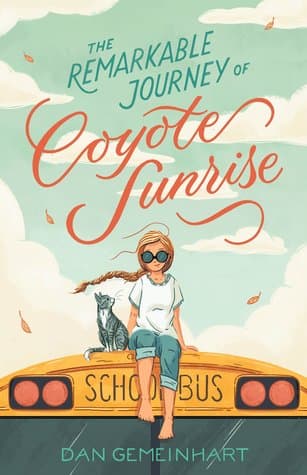
Dan Gemeinhart
4.5
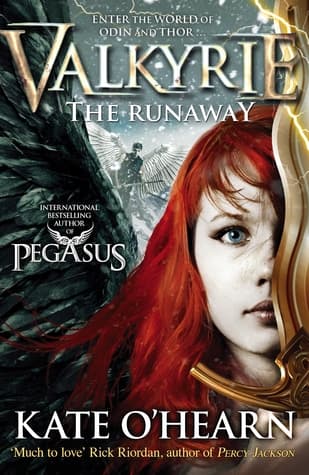
Kate O'Hearn
4.4

Jeanne Birdsall
4.4

Jen Wang
4.4

Wendelin Van Draanen
4.3

John Marsden
4.3

Chris Van Allsburg
4.3
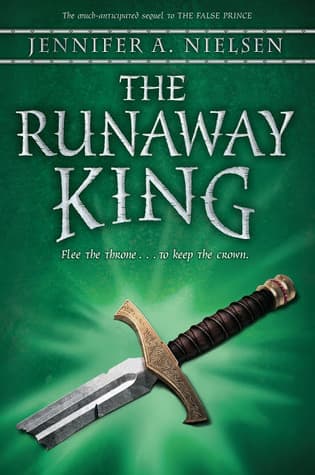
Jennifer A. Nielsen
4.2