“When you're a kid, you think you're going to live forever. You don't think about things like cancer or tuberculosis.”
— Josie reflects on childhood innocence before her brother's illness.


Jennifer L. Holm (2015)
Genre
Children's / Historical Fiction / Young Adult
Reading Time
150 min
Key Themes
See below
Sign in to track this book
Sent to a Florida retirement community, Sunny Lewin's summer of comic books, alligators, and new friendships unravels a hidden family secret far more complex than any amusement park ride.
Ten-year-old Sunny Lewin is unexpectedly sent to live with her grandfather, Gramps, in a Florida retirement community called "On Top of the World" for the summer of 1976. She expects a fun, Disney World-like vacation but is quickly disappointed by the quiet, elderly-filled environment. Her parents drop her off with vague explanations about needing a break and dealing with her older brother, Dean. Sunny feels confused and abandoned, missing her normal life and friends back home in Pennsylvania. Gramps, a kind but somewhat forgetful man, tries his best to make her feel welcome, but Sunny struggles to adjust to the slow pace and the constant presence of older people.
Feeling bored and alone, Sunny explores the community and soon meets Buzz, a boy her age who lives nearby with his grandmother. Buzz loves comic books, especially Superman, and spends his time reading and drawing his own stories. He seems a bit odd to Sunny at first, but his excitement and knowledge of superheroes interest her. Buzz introduces Sunny to the local comic book store, where she starts to enjoy the stories and the escape they offer. Their shared interest in comics becomes an important bond, giving Sunny a much-needed distraction from her worries about her family.
Sunny and Buzz decide to take on their first "case" when Mrs. Rodriguez's beloved cat, Ginger, goes missing. Mrs. Rodriguez is upset, and Sunny, feeling a sense of purpose, agrees to help Buzz search for the cat. Their investigation takes them around the large retirement community, asking residents questions and looking for clues. This adventure helps Sunny feel more involved with her surroundings and less focused on her own problems. They eventually find Ginger safe, having wandered into a neighbor's garage, bringing a small victory and a sense of accomplishment to their summer.
Throughout the summer, Sunny has flashbacks to events before her trip to Florida. These memories slowly reveal the truth about her older brother, Dean. Dean, once a bright student, has developed a serious drug problem, specifically with marijuana. Sunny remembers finding his hidden stash, seeing his strange behavior, and hearing hushed, worried talks between her parents. The tension and sadness around Dean's addiction are the real reasons her parents sent her away, hoping to shield her from the trouble and to focus on getting Dean help. This realization weighs heavily on Sunny, explaining her feelings of abandonment and confusion.
Sunny begins to notice that Gramps is becoming more forgetful. He misplaces things, repeats himself, and sometimes struggles to remember recent events. She finds herself taking on more responsibility, reminding him of appointments, helping him find his glasses, and managing small tasks around the house. While frustrating at first, Sunny's empathy grows as she understands that Gramps is not just being absent-minded but is truly struggling with his memory. This shared vulnerability strengthens their bond, and Sunny feels protective of her grandfather, similar to her concern for Dean.
One of their more exciting adventures involves an alligator that has started eating golf balls from the community's course. Sunny and Buzz, always looking for excitement, decide to watch the alligator. This encounter, while a bit dangerous, becomes another memorable part of their summer. It shows their growing friendship and their shared desire for adventure in an otherwise quiet setting. The alligator, a symbol of Florida's wilder side, contrasts sharply with the manicured lawns and orderly lives of the retirement community, providing a touch of the unexpected for Sunny.
As the summer goes on, Sunny and Buzz get excited about an upcoming comic book convention in a nearby town. This event is a major goal for them, a chance to be in the world they love and perhaps even meet some of their favorite artists. They carefully plan their trip, saving money and discussing which comics they hope to find. The convention represents a beacon of normal childhood fun and a temporary escape from the adult problems in Sunny's life, giving the two friends a much-needed focus and shared dream.
Sunny's attempts to connect with her parents back home are largely unsatisfying. Phone calls are short, her mother sounds distracted and worried, and her father offers little comfort. The conversations reinforce Sunny's feeling of being an outsider to the family crisis, even though it deeply affects her. She wants reassurance and a clear explanation, but her parents continue to be vague, trying to protect her while unintentionally making her feel more alone. These calls emphasize the emotional distance created by Dean's problems and Sunny's physical separation.
Towards the end of the summer, Sunny's parents finally visit Florida. During their visit, they sit down with Sunny and, for the first time, openly discuss Dean's drug problem. They explain that Dean has been sent to a rehabilitation facility to get help. This conversation, while painful, brings clarity and relief to Sunny. The long-held secret is out, and she finally understands the full weight of the family's struggles. Her parents apologize for not telling her sooner and reassure her of their love, starting the process of healing and open communication.
As the summer ends, Sunny prepares to return home. She says goodbye to Buzz, promising to keep in touch, and shares a heartfelt farewell with Gramps, recognizing his quiet strength. Although her family's problems are not magically solved, Sunny leaves Florida with a deeper understanding of her brother's struggles and her parents' efforts. She has also gained independence, formed a meaningful friendship, and discovered a new interest in comic books. The summer, initially a confusing exile, has become a period of personal growth and a difficult but necessary step towards facing her family's reality.
The Protagonist
Sunny transforms from a confused and isolated child into a more resilient and understanding individual, capable of confronting difficult truths about her family.
The Supporting
Buzz remains a consistent source of fun and friendship for Sunny, helping her navigate her difficult summer.
The Supporting
Gramps's character highlights the quiet challenges of aging, and his relationship with Sunny deepens through their shared vulnerability.
The Supporting/Mentioned
Dean's arc is largely off-screen, but his journey toward rehabilitation is implied as a hopeful turning point for the family.
The Supporting
They move from a state of secrecy and quiet desperation to one of open communication and active problem-solving.
The Mentioned
Her role is primarily functional, initiating a plot point for Sunny and Buzz.
The main theme is Sunny's discovery and eventual understanding of her brother Dean's drug addiction. Her parents' initial secrecy, meant to protect her, instead causes confusion and feelings of abandonment. The story looks at how addiction affects the entire family, creating tension and forcing difficult decisions. Sunny's journey involves putting together clues from flashbacks and eventually facing the painful truth, learning that open communication, though difficult, is essential for healing, as seen when her parents finally explain Dean's situation.
“''Sometimes, when you're little, grown-ups don't tell you everything. They think they're protecting you.'”
In a summer filled with adult worries, Sunny finds comfort and adventure in her friendship with Buzz and their shared love for comic books. Buzz introduces Sunny to a world where heroes win and problems can be solved, offering an escape from her real-life worries. Their imaginative play, from investigating missing cats to watching alligators, gives Sunny a way to cope and a sense of normalcy. This theme shows how connection and creative outlets can help children deal with difficult emotions, turning a potentially lonely summer into one of discovery.
“''With Buzz, I didn't have to worry about anything. We were just two kids on an adventure.'”
Sunny's summer in Florida puts her in an unfamiliar environment, away from her parents and usual support system. This displacement, while unsettling at first, helps her become more independent. She learns to navigate a new community, make a new friend, and even take on responsibilities for her grandfather. Her observations of the elderly residents and her growing awareness of Gramps's memory issues also help her mature. By the end of the summer, Sunny has developed a stronger sense of self and an ability to cope with challenging situations, preparing her for the family issues she will face upon returning home.
“''I was ten, almost eleven. I could handle it.'”
Initially, Sunny sees the retirement community as boring and full of 'old people,' but her interactions with Gramps and other residents gradually change her view. She observes their routines, their friendships, and their quiet struggles, especially with Gramps's increasing forgetfulness. This exposure builds her empathy, as she moves from annoyance to understanding and even a protective feeling. The theme challenges age stereotypes and shows how connections between generations can be good for everyone, offering Sunny new insights into life's different stages and the importance of caring for one another.
“''It wasn't just old people here. It was people. Just like me, only older.'”
Interspersed memories revealing the catalyst for Sunny's summer.
Throughout the narrative, Sunny experiences fragmented flashbacks to events preceding her trip to Florida. These memories are initially confusing and unsettling, gradually piecing together the story of her brother Dean's drug problem and the resulting family turmoil. The flashbacks serve to build suspense and allow the reader to experience Sunny's dawning realization of the truth alongside her, rather than having it revealed all at once. They effectively convey the emotional weight of the family secret and the reasons behind Sunny's displacement.
The story is told from Sunny's perspective, providing intimate access to her thoughts and feelings.
The novel is narrated entirely from Sunny's point of view, allowing readers to deeply connect with her internal struggles, observations, and emotional journey. This perspective emphasizes her confusion and sense of isolation at the beginning of the summer, as well as her growing understanding and resilience. The first-person narration makes her discoveries about her family's secret more impactful and personal, as we experience the revelations through her eyes and feel her changing emotions, from frustration to empathy and eventual acceptance.
Comic books represent an escape from reality and a framework for understanding the world.
Comic books, particularly Superman, function as both a literal source of entertainment and a powerful metaphor for Sunny. They offer an escape from the difficult realities of her family's situation, allowing her to immerse herself in worlds where heroes solve problems and good triumphs over evil. More profoundly, they provide a framework for Sunny to understand her own life, seeing herself and Buzz as detectives or heroes on a mission. The themes of good versus evil, strength, and resilience found in comics mirror Sunny's internal journey as she confronts her family's challenges.
The Florida retirement community influences Sunny's journey and understanding of life.
The "On Top of the World" retirement community in Florida is more than just a backdrop; it significantly shapes Sunny's experiences and growth. Initially perceived as boring and alien, the setting forces Sunny out of her comfort zone. Its slower pace, unique residents, and unexpected elements (like alligators) provide both challenges and opportunities for adventure. The community, filled with elderly individuals, contrasts sharply with Sunny's youthful anxieties, ultimately broadening her perspective on life, aging, and human connection, making her feel less alone in her own family's struggles.
“When you're a kid, you think you're going to live forever. You don't think about things like cancer or tuberculosis.”
— Josie reflects on childhood innocence before her brother's illness.
“I think about how sometimes grown-ups make promises they don't keep, and how sometimes they do.”
— Josie ponders the reliability of adults, especially her parents.
“Florida was supposed to be sunny. It was supposed to be a happy place.”
— Josie's initial disappointment upon arriving at the sanatarium in Florida.
“Sometimes you just have to make the best of it, even when 'it' isn't what you planned.”
— Josie's developing resilience in a difficult situation.
“It's funny how you can miss things you never even knew you had until they're gone.”
— Josie reflecting on her normal life back home.
“Grown-ups always think they know what's best, even when they don't.”
— Josie's internal thoughts about her parents' decisions.
“The world keeps going, even when your own world feels like it's stopped.”
— Josie observing life continuing around her while she's at the sanatarium.
“Sometimes the bravest thing you can do is just keep breathing.”
— Josie's quiet struggle and determination.
“I wondered if all families had secrets, or if it was just mine.”
— Josie contemplating her family's unspoken issues.
“Being a kid is hard enough without having to worry about grown-up problems.”
— Josie's feeling of being burdened by adult concerns.
“It was strange how something so big and scary could also be so quiet.”
— Josie's observation about the nature of tuberculosis and the sanatarium.
“Maybe being brave wasn't about not being scared. Maybe it was about being scared and doing it anyway.”
— Josie's evolving understanding of courage.
“It's like a superhero. You don't think about them until you need one.”
— Josie's thought about her brother's importance, or perhaps the doctors.
“Sometimes, the best stories are the ones you have to live through.”
— Josie's reflection on her experiences and growth.
Ready to see how well you understood this book? Take our interactive quiz with 10 questions.

Biography coming soon.
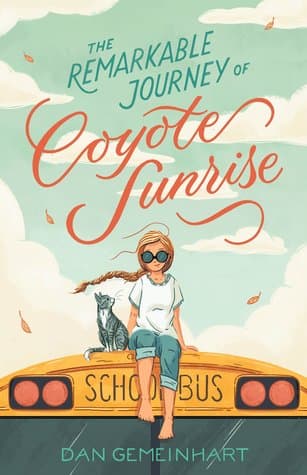
Dan Gemeinhart
4.5

Kate O'Hearn
4.4

Jeanne Birdsall
4.4

Jen Wang
4.4

Wendelin Van Draanen
4.3

John Marsden
4.3

Chris Van Allsburg
4.3
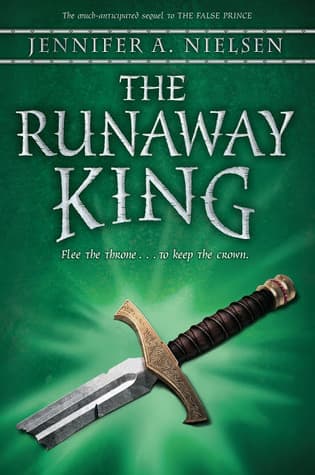
Jennifer A. Nielsen
4.2