“It ain't easy, being a cowboy. It ain't even easy being a man.”
— Captain Call reflecting on his life and the hardships of the frontier.

Larry McMurtry (1993)
Genre
Historical Fiction
Reading Time
14 hours 30 min
Key Themes
See below
Sign in to track this book
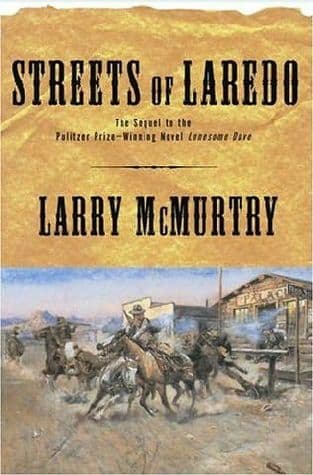
An aging Texas Ranger, now a bounty hunter, hunts a young bandit across the frontier, confronting his past.
The novel opens with Woodrow Call, an old and solitary bounty hunter, living in Texas. Charles Goodnight, a rich railroad owner, offers him a lot of money to find Joey Garza, a young, brutal Mexican bandit who robs trains and kills railroad workers. Call, despite his age and a lifetime of chasing outlaws, takes the job, driven by duty and perhaps a desire for one last hunt. He starts to gather a small, unlikely group for the hard journey into the dangerous frontier.
Call first recruits Pea Eye Parker, his loyal, simple former friend from the Hat Creek outfit, now a farmer with his wife, Lorena. Pea Eye, though he doesn't want to leave his comfortable life, agrees out of loyalty to Call. They are joined by Ned Stone, a refined man from New York who works for Goodnight and insists on going with Call to record the trip and ensure the bandit's capture. Finally, they pick up Deputy Ted Plunkert, a well-meaning but incompetent young lawman. His lack of experience makes him a problem, but Call lets him join.
While Call and his men chase Garza, Lorena, feeling alone and restless, decides to leave Pea Eye and go her own way. She ends up with a group of brutal buffalo hunters led by the cruel Mox Mox, known for scalping. Lorena, tough from her past and surprisingly resilient, finds herself in a dangerous spot, seeing terrible violence and fighting to survive among these ruthless men. Her path differs greatly from Pea Eye's, showing the different lives people led on the frontier.
The chase leads Call and his men into Mexico, where they first meet Joey Garza. They find him with his strong mother, Maria, who is as clever and dangerous as her son. The fight is tense and violent, with injuries on both sides. Call is wounded, and Plunkert proves useless, but Garza escapes, showing he is a more elusive and dangerous enemy than expected. This meeting strengthens Call's grim resolve to bring the young bandit to justice, despite the growing cost to him and his small group.
During a later ambush, Joey Garza shoots Call, badly injuring his leg. The wound is serious, threatening Call's life and making the chase very difficult. Despite the pain and Ned Stone's bad prognosis, Call refuses to give up. His legendary stubbornness keeps him going. Pea Eye, always loyal, cares for Call's wound as best he can, and the group continues their hunt, though much slower. Call's injury shows the brutal reality of the frontier and the personal cost of his lifelong dedication to law and order.
Lorena continues to live a terrible life with Mox Mox and his buffalo hunters. She sees their evil, including their scalping and casual cruelty. Despite the danger, Lorena's inner strength helps her survive. When a chance comes, she makes a daring escape from Mox Mox's camp, showing her resilience and determination to be free. Her escape shows her lasting spirit, even after years of hardship and trauma, and marks a turning point away from a life of being controlled.
Deputy Ted Plunkert, whose clumsy and naive nature has caused frustration and danger, finally dies. In a moment of foolishness, he tries to catch a rattlesnake and is fatally bitten. His death, while sad, comments grimly on the unforgiving nature of the frontier and the dangers faced by those unprepared for it. Plunkert's death emphasizes that only the strongest survive in the wild West, highlighting the contrast with Call's seasoned resilience.
Maria, Joey Garza's mother, proves to be a strong and vengeful enemy. She ambushes Call's group, seeking revenge for their pursuit of her son. During this attack, Ned Stone, the cultured man from the East, is brutally killed. His death is a shocking and violent end for a character who seemed out of place in the rugged West, showing the random nature of frontier violence. Maria's actions show her fierce loyalty to her son and her willingness to do extreme things to protect him, further complicating Call's difficult mission.
The chase ends in a final fight between Woodrow Call and Joey Garza. Call, despite his bad leg injury, corners the young bandit. The fight is quick and brutal, with Call killing Joey Garza. However, the win comes at a high cost; Call is severely weakened, and his body is broken. This final act of justice, while completing his mission, marks the physical and emotional end of his career as a lawman, leaving him greatly changed and facing an uncertain future.
After their separate and hard journeys, Pea Eye Parker and Lorena are reunited. Both have suffered greatly and seen terrible things, but their reunion offers hope and comfort. Lorena, hardened by her time with Mox Mox, is not the same woman who left Pea Eye, but her love for him remains. Their reunion shows a return to a sense of home and stability amidst the chaos of the frontier, highlighting the lasting power of human connection even after great trauma.
With Joey Garza dead and his mission done, a badly wounded and aging Call begins the long, painful journey back to Lonesome Dove. He is with Pea Eye and Lorena, who care for him. During this hard trip, Call has time to think about his long, difficult life, his past with Gus McCrae, and the changing West. His body is failing, but his mind is sharp, grappling with the meaning of his life and his legacy in a world that no longer needs men like him.
Woodrow Call eventually arrives back in Lonesome Dove, a shadow of his former self, his leg wound infected and his strength fading. He spends his last days thinking about the great changes in the West, the end of the open range, and the taming of the wilderness he once knew. His life, dedicated to a harsh code, now feels like something from a past era. Call's quiet end marks the closing chapter of the romanticized cowboy and lawman, showing the shift from the wild frontier to a more settled, modern world.
The Protagonist
Call begins as a hardened but weary bounty hunter, accepting one last mission. His journey breaks his body but reaffirms his unyielding will, culminating in a final, somber acceptance of his mortality and the end of his era.
The Supporting
Pea Eye reluctantly leaves his settled life, endures great hardship, and is ultimately reunited with Lorena, finding a form of peace despite the traumas.
The Antagonist
Joey Garza is established as a formidable, almost unstoppable force of nature, whose reign of terror is ultimately brought to an end by Call, symbolizing the old West's final struggle against its emergent dangers.
The Supporting
Lorena, feeling abandoned, embarks on a separate, harrowing journey of survival and witnessing atrocities, ultimately reuniting with Pea Eye as a hardened but resilient woman.
The Supporting
Ned Stone begins as an academic observer, gradually exposed to the brutal realities of the West, and ultimately becomes a casualty of its violence, underscoring the clash between civilization and wilderness.
The Supporting
Plunkert joins Call's mission with naive enthusiasm but consistently proves his incompetence, leading to his ironic and tragic death by a rattlesnake, highlighting his unsuitability for the frontier.
The Supporting
Maria acts as a vengeful protector of her son, demonstrating her own brutal capabilities and exacting a significant toll on Call's party before her son's eventual demise.
The Antagonist
Mox Mox serves as a temporary, horrifying antagonist for Lorena, representing the extreme depravity of the frontier, from whom she ultimately escapes, illustrating her resilience.
The Mentioned
Goodnight initiates the central conflict by hiring Call, acting as the catalyst for Call's final adventure.
The novel explores the end of the frontier era, showing Call as an old-timer in a changing world. Railroads, fences, and towns mean civilization is growing, making legendary lawmen and wild spaces outdated. Call's last journey is less about conquering the wilderness and more about his struggle to adapt to, or just survive in, a world that no longer needs his kind of justice. His physical decline matches the fading of the wild West, as he thinks about the changes from open range to settled land on his long trip back to Lonesome Dove.
“It was a fine land once, but it ain't no more. The towns are coming, and the fences. It's all going to be gone.”
Woodrow Call is a man defined by his strong sense of duty and strict personal honor. His hunt for Joey Garza is not just a job; it is a moral need, an almost obsessive commitment to justice that goes beyond personal comfort and health. This is clear in his refusal to stop hunting even after being badly hurt by Garza. His relentless drive, however, often costs him personal relationships and a peaceful life, showing the two sides of such strong dedication. His life shows his chosen path, even as it makes him alone.
“A man's word was his bond, and his duty was his life. He had lived by that, and he would die by it.”
The novel shows the harsh, unforgiving nature of the American West, where violence is common and survival is a constant fight. Characters like Lorena endure terrible things, from being abandoned to the evil of Mox Mox's gang, yet they find the strength to survive and escape. The deaths of Ned Stone and Deputy Plunkert highlight the random dangers, from human cruelty to nature. This theme shows the physical and mental toll the frontier takes, but also the great strength and adaptability needed to live in such a world, showing how much the human spirit can endure.
“The West was a hard school, and it taught its lessons with a whip.”
Call's journey is filled with loneliness, both the physical isolation of his job and the emotional solitude of a man who has outlived his closest friends and his time. He often thinks about Gus McCrae, his dead partner, and the son he never truly accepted, Newt. As he faces his own death, Call thinks about the meaning of his life and what he will leave behind. The vast, empty landscapes he travels through mirror his inner emptiness, showing his struggle to find meaning in a world that is moving on without him, leaving him to consider the final value of his lifelong pursuits.
“He had lived a hard life, and a lonely one, and he wondered if it had been worth the living.”
Call's final, arduous pursuit of Joey Garza.
The entire novel is structured around Call's quest to track down and capture Joey Garza. This traditional narrative device drives the plot forward, providing a clear objective for the protagonist. However, it's not merely a physical journey; it's also a metaphorical quest for Call to reaffirm his purpose in a changing world and to confront his own mortality. The difficulties and detours encountered along the way serve to test Call's resolve and highlight the harsh realities of the dwindling frontier, elevating the quest beyond a simple manhunt.
The simultaneous but separate journeys of Call's group and Lorena.
The narrative employs parallel journeys, following Call's pursuit of Garza while simultaneously depicting Lorena's struggle for survival after leaving Pea Eye. This device allows McMurtry to explore different facets of the frontier experience: Call's journey represents the dying code of the lawman, while Lorena's embodies the brutal resilience required by ordinary individuals. The occasional convergence and eventual reunion of these paths highlight the interconnectedness of lives in the vast West and underscore the theme of survival and the human cost of the era.
Joey Garza as a ruthless but compelling figure.
Joey Garza functions as an anti-hero antagonist. While undeniably cruel and violent, he is not a mustache-twirling villain. He is presented as a product of his harsh environment, incredibly skilled, and possessing a primal loyalty to his mother. His youth and effectiveness make him a formidable challenge to the aging Call, representing a new, more chaotic form of lawlessness that is harder to contain. This portrayal adds complexity to the conflict, making Call's pursuit less about pure good versus evil and more about the clash of different codes and eras.
Call as a living legend grappling with his own decline and the end of his era.
Call is presented as a legendary figure whose reputation precedes him, but the narrative constantly reminds the reader of his age and physical decline. This device emphasizes the theme of the end of the Old West, as Call's fading strength mirrors the fading of the frontier itself. His struggle to complete his mission, despite his injuries, reinforces his legendary status while simultaneously humanizing him, showing the immense personal cost of such a life. It forces him and the reader to confront the reality that even legends must eventually face their end.
“It ain't easy, being a cowboy. It ain't even easy being a man.”
— Captain Call reflecting on his life and the hardships of the frontier.
“The only thing worse than being shot, is being shot and not dying.”
— Pea Eye Parker's grim observation after enduring multiple wounds.
“He had ridden too long in the saddle of his own will.”
— Describing Captain Call's stubborn and solitary nature.
“Some things, once done, can never be undone. You just have to live with them.”
— A general reflection on the permanence of past actions and their consequences.
“A man could ride a long way and still not ride away from himself.”
— Another introspection on the inescapable nature of one's own identity and past.
“The wind was always blowing, and the dust was always rising.”
— Describing the relentless and harsh environment of the Texas plains.
“He had seen enough dying to know that it was never neat and seldom quick.”
— Call's realistic and unromantic view of death on the frontier.
“Most men died of loneliness, not bullets.”
— A profound observation on the emotional toll of frontier life.
“There was a lot of country to cross, and not much time to cross it.”
— Reflecting on the vast distances and the urgency of their journey.
“He felt the years on him like a heavy blanket, full of dust and memories.”
— Call's physical and emotional weariness due to his age and experiences.
“It was hard to know what was right and what was wrong when you were just trying to survive.”
— A moral dilemma faced by characters in their struggle for survival.
“The past was a road you couldn't travel back on, no matter how much you wished to.”
— A melancholic acceptance of the irreversibility of time and past events.
“He had done his duty, and that was all a man could do.”
— Call's stoic reflection on his life's purpose and actions.
“The world was full of surprises, mostly bad ones.”
— Pea Eye's cynical but often accurate view of life's unexpected turns.
Ready to see how well you understood this book? Take our interactive quiz with 10 questions.
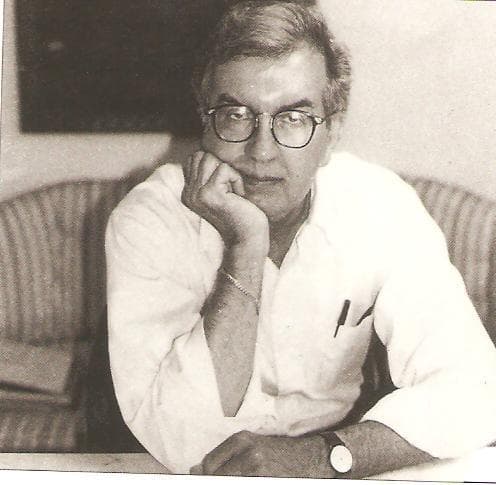
Larry Jeff McMurtry was an American novelist, essayist, prominent book collector, bookseller and screenwriter whose work was predominantly set in either the Old West or contemporary Texas. His novels included Horseman, Pass By (1962), The Last Picture Show (1966), and Terms of Endearment (1975), which were adapted into films. Films adapted from McMurtry's works earned 34 Oscar nominations.







