“He lay very still, not wanting to disturb the quietness, the fragile peace that had settled upon them.”
— After a shared moment of calm amidst the war, reflecting on the fleeting nature of peace.

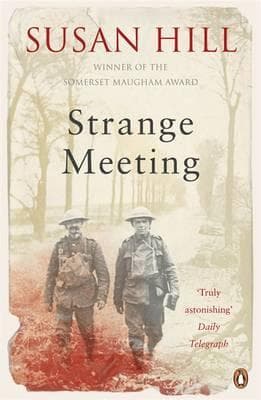
Genre
Literary Fiction / Historical Fiction
Reading Time
150 min
Key Themes
See below
Sign in to track this book
In the brutal trenches of World War I, a reserved officer and a cheerful recruit form an unexpected friendship, a fragile light against inevitable separation and death.
Lieutenant John Hilliard, a reserved officer, returns to the Western Front in France after recovering from an illness in England. He finds his battalion, the 10th Northumberland Fusiliers, much changed, with many familiar faces gone. This immediate sense of loss and the constant threat of death affect him deeply. He struggles to reconnect with his surroundings and the men, feeling isolated despite being among hundreds. The grim reality of trench warfare, with its mud, rats, and constant shelling, quickly returns, making it hard for him to adjust to the brutal routine of his existence.
Soon after Hilliard's return, new recruits arrive, including Second Lieutenant David Barton. Barton is Hilliard's opposite: outgoing, cheerful, and almost naively enthusiastic, despite the daunting environment. He comes from a wealthy, cultured family and brings with him an air of the civilian world that Hilliard has long left behind. Barton quickly seeks out Hilliard, perhaps drawn by Hilliard's quiet authority and experience. Their initial interactions are somewhat awkward, with Hilliard's reserve clashing with Barton's openness, but a connection begins to form, giving Hilliard a new focus amidst the desolation.
Despite their different personalities, Hilliard and Barton start spending more time together. Barton's genuine warmth and curiosity slowly break through Hilliard's guarded manner. They share small comforts, like letters from home, and talk about their lives before the war, their families, and their hopes. Barton's ability to find beauty even in the bleakest surroundings and his optimism offer Hilliard a sense of grounding and a rare moment of humanity amidst the constant dehumanization of war. Their friendship becomes a refuge from the pervasive fear and despair.
Barton, despite his initial enthusiasm, quickly experiences the realities of trench warfare. He sees casualties, endures shelling, and goes on patrols. The initial shock and horror are profound, and the war begins to strip away his youthful innocence. Hilliard, having experienced these horrors before, acts as a quiet mentor, offering support and understanding without needing to say much. Barton's letters home become less effusive and more thoughtful, showing his growing awareness of the war's true cost. His cheerfulness is tempered, but his spirit remains resilient, often strengthened by his bond with Hilliard.
During a break from the front lines, Hilliard and Barton are granted leave together. This time away from immediate danger allows their friendship to deepen, becoming more intimate. They share meals, conversations, and the simple pleasure of being away from the trenches. This period is marked by a clear sense of tenderness and mutual reliance, highlighting the emotional intensity of their bond. It is during this time that the unspoken affection between them becomes most evident, a stark contrast to the harsh realities awaiting them back at the front. The leave is a brief, precious interlude before the inevitable return to conflict.
Barton often receives letters from his family, especially his mother and sisters, which Hilliard often reads or hears about. These letters are full of love, concern, and descriptions of normal life back home, serving as a reminder of the world they have left behind. They also show the deep affection and high expectations the Barton family has for David. Hilliard, who receives fewer letters and has a more detached relationship with his own family, observes this with a mix of envy and understanding. These letters highlight the contrast between the domestic world and the battlefield, and the immense emotional toll the war takes on both soldiers and their loved ones.
As the battalion prepares for another major offensive, Hilliard is consumed by a growing dread about Barton's safety. He has seen too many friends and comrades fall, and the thought of losing Barton, with whom he has formed such a deep connection, is almost unbearable. He tries to subtly offer advice and protection to Barton, but he knows the randomness of war often makes such efforts useless. The unspoken fear hangs heavy between them, a dark cloud over their remaining time together. Hilliard's usual stoicism begins to crack under the weight of this impending sorrow, showing his deep emotional investment in Barton.
The anticipated offensive begins, putting Hilliard, Barton, and their men into a brutal battle. The conditions are horrific: relentless shelling, machine-gun fire, poison gas, and muddy, cratered terrain. Chaos reigns, and the line between life and death is constantly blurred. Hilliard and Barton are separated and reunited multiple times amidst the fighting, each moment of reconnection offering a brief, desperate reassurance. The story shows the reality of combat, emphasizing the sheer terror and physical endurance required. The scale of the loss and destruction is immense, and the men are pushed to their limits.
During the height of the offensive, Barton is severely wounded. Hilliard, seeing this, rushes to his side amidst the ongoing chaos. The scene is one of despair and helplessness. Hilliard tries to offer comfort and aid, but the severity of Barton's injuries is clear. The bond between them, formed in the war, is evident in this moment of crisis. The optimism and vibrancy that Barton brought to Hilliard's life are now threatened by the brutal reality of his situation. The focus shifts to Hilliard's desperate hope and fear as he tries to get help for his friend.
Barton is eventually evacuated to a field hospital, with Hilliard remaining close by, consumed by anxiety. Despite the efforts of the medical staff, Barton's wounds are too severe. He dies shortly after, his passing a profound loss for Hilliard. Barton's death shatters Hilliard's emotional defenses, leaving him utterly bereft. The brief, intense light that Barton brought into his life is extinguished, leaving Hilliard to confront the vast emptiness and overwhelming grief. The finality of Barton's death underscores the tragic nature of their friendship and the devastating toll of the war.
After Barton's death, Hilliard grapples with his grief and the reality of his loss. The war continues, but for Hilliard, a significant part of his world has ended. He reflects on the intensity and meaning of his friendship with Barton, recognizing the unique comfort and connection it provided in an otherwise desolate existence. The memory of Barton, his optimism, and their shared moments become both a source of pain and a cherished, lasting mark on Hilliard's soul. He must now find a way to continue enduring the war, forever changed by the love and loss he experienced.
The Protagonist
Hilliard begins as a stoic, isolated figure and slowly opens up to friendship and love, only to be devastated by the loss, leaving him profoundly changed.
The Supporting (Secondary Protagonist)
Barton's initial optimism is tempered by the realities of war, but his core humanity and capacity for love remain, profoundly impacting Hilliard before his tragic end.
The Supporting
Miller remains largely static, a figure representing the grim, enduring reality of command in wartime.
The Mentioned
Not applicable, as she is a mentioned character.
The Mentioned
Not applicable, as they are mentioned characters.
The Supporting
Collectively, they endure the war's horrors, many falling, representing the tragic cost of conflict.
Amidst the horror and dehumanization of trench warfare, the deep friendship between John Hilliard and David Barton is a powerful source of comfort and meaning. Their bond provides a vital human connection, offering emotional refuge from fear, despair, and isolation. Barton's optimism and warmth break through Hilliard's stoicism, allowing him to experience genuine affection and vulnerability. This love, though ultimately tragic, gives purpose and humanity to their existence, showing how even in the most desolate circumstances, human connection can sustain the spirit, as seen in their shared leave and intimate conversations.
“He was afraid to go to sleep. For three weeks, he had been afraid of going to sleep... But now, with Barton there, it was different. He slept.”
The novel portrays the relentless physical and psychological cost of World War I, stripping away soldiers' individuality and humanity. The constant threat of death, unsanitary conditions, mud, rats, and the overwhelming noise of shelling create an environment designed to break the human spirit. Soldiers are reduced to parts in a vast, destructive machine, their lives seemingly expendable. This theme is clear in Hilliard's initial detachment and how new recruits like Barton quickly lose their youthful innocence, becoming hardened by the grim realities of combat, where personal identity often disappears into collective suffering.
“The mud was a living thing, sucking at their boots, swallowing their dead.”
David Barton embodies lost innocence. He arrives at the front with a cheerful, almost naive spirit, full of youthful optimism. However, the brutal realities of trench warfare quickly strip away this idealism. He witnesses death, experiences fear, and endures suffering, which changes his perspective. While he keeps his core humanity, his initial exuberance is replaced by a more sober understanding of the world's harshness. Hilliard, having already lost his own innocence, watches this transformation, aware of the inevitable disillusionment that awaits all who face the front lines.
“He had expected battle to be glorious, or at least comprehensible. It was neither.”
The novel explores how war experiences, especially loss, leave lasting marks on the mind. Hilliard's initial return to the front is marked by the ghosts of past comrades and a clear sense of loss. After Barton's death, Hilliard is left with profound grief and memories that will forever shape him. The story suggests that even for those who survive physically, the psychological scars, the vivid recollections of horror and loss, will last long after the fighting ends. Memory becomes both a source of pain and a way to keep loved ones alive, even in the face of despair.
“The faces changed, but the loss was a constant.”
Hints of impending doom and loss.
Foreshadowing is used throughout the novel to build a sense of dread and inevitability regarding Barton's fate. Hilliard's increasing anxiety about Barton's safety, the constant presence of death in the trenches, and the description of the upcoming offensive all point towards a tragic outcome. This device heightens the emotional impact of the eventual loss, making the brief moments of happiness between Hilliard and Barton feel even more precious and fragile, as the reader is made aware that their time together is limited.
The juxtaposition of opposing elements to highlight themes.
Contrast is a central device, most notably in the personalities of Hilliard and Barton. Hilliard's reserved, hardened nature is contrasted with Barton's open, optimistic disposition, emphasizing how their differences make their bond so unique and powerful. The grim, squalid reality of the trenches is contrasted with the idealized memories of home and the brief periods of leave, highlighting the war's dehumanizing effect. This contrast underscores the novel's themes of love amidst horror and the loss of innocence.
Letters representing connection to home, hope, and the outside world.
Letters serve as a powerful symbol throughout the novel. Barton's frequent, cheerful letters from his family represent his strong connection to home, the love awaiting him, and the 'normal' world outside the war. Hilliard's fewer, more formal letters underscore his emotional detachment. The act of reading or sharing letters symbolizes a temporary escape from the trenches and a reminder of the humanity that war tries to extinguish. They become a conduit for hope, fear, and the poignant contrast between civilian life and the battlefield.
The physical environment as a character and symbol of despair.
The trenches themselves function almost as a character in the novel, embodying the relentless horror and despair of war. The detailed descriptions of mud, rats, barbed wire, and constant shelling create an oppressive, claustrophobic atmosphere. This setting is not merely a backdrop but an active force that shapes the characters, tests their endurance, and constantly threatens their lives. It symbolizes the dehumanizing, inescapable nature of the conflict and the profound alienation experienced by the soldiers caught within its confines.
“He lay very still, not wanting to disturb the quietness, the fragile peace that had settled upon them.”
— After a shared moment of calm amidst the war, reflecting on the fleeting nature of peace.
“The war had taken so much, but it had given him something too: a knowledge of himself he might never otherwise have gained.”
— Harrow's internal reflection on the paradoxical self-discovery brought by the conflict.
“He thought of them all, the dead, the living, the maimed, the broken, and felt a great wave of pity, and then a cold, hard anger.”
— Harrow's emotional response to the widespread suffering and destruction caused by the war.
“It was not a question of bravery, he thought, but of endurance. Simply putting one foot in front of the other.”
— Harrow's perspective on the true nature of courage in the trenches, emphasizing perseverance.
“The silence was not empty, but full of things unsaid, of fears and hopes and memories.”
— Describing the profound quietness between soldiers, laden with unspoken emotions.
“He wondered if, when it was all over, they would ever be able to speak of it, to make sense of what they had seen and done.”
— Harrow contemplating the lasting psychological impact of the war on its survivors.
“The mud seemed to cling to everything, to seep into the very soul, a constant, inescapable presence.”
— A vivid description of the oppressive and pervasive nature of the trench environment.
“He had never known such friendship, so intense, so immediate, forged in the crucible of shared terror.”
— Harrow reflecting on the unique and powerful bonds formed between soldiers.
“The world outside seemed impossibly distant, a dream from another life, another self.”
— Harrow's feeling of profound detachment from civilian life while immersed in the war.
“He saw the fear in the boy's eyes, a mirrored reflection of his own, and for a moment, they were simply two men, not officer and private.”
— A moment of shared vulnerability between Harrow and a younger soldier, transcending rank.
“The rain fell ceaselessly, a cold, relentless reminder of the misery that enveloped them.”
— Describing the constant, gloomy weather as a symbol of the pervasive hardship.
“He clung to the small rituals, the familiar patterns, as if they could somehow hold back the encroaching chaos.”
— Harrow's reliance on routine to maintain sanity amidst the disorder of war.
“Every day was a step closer to something, or nothing. He no longer knew which.”
— Harrow's existential uncertainty about the future and the purpose of their struggle.
“The letters from home were like fragments of a forgotten world, beautiful and painful in their incongruity.”
— Harrow's perception of letters from home, highlighting the stark contrast between war and civilian life.
Ready to see how well you understood this book? Take our interactive quiz with 10 questions.

Biography coming soon.







