“Sometimes the hardest part about being broken isn't the breaking, it's putting yourself back together.”
— Reflecting on the aftermath of a significant life event.

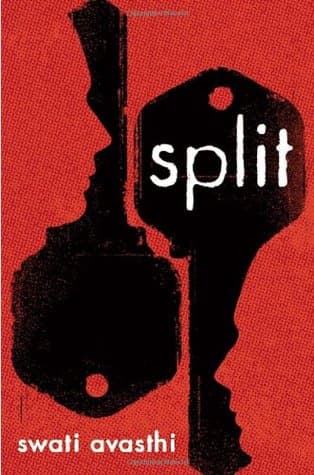
Swati Avasthi (2010)
Genre
Young Adult / Romance
Reading Time
560 min
Key Themes
See below
Sign in to track this book
With a new identity and a hidden past, sixteen-year-old Jace leaves his abusive father to start over, only to learn that real freedom means facing the past he tried to outrun.
Sixteen-year-old Jace Witherspoon arrives at Christian's door, his face bruised from his father's latest violent outburst. He has only $3.84 and a secret he is trying to escape. Christian, Jace's older brother, had left home years ago to escape their abusive father, and their relationship is tense. Despite the tension, Christian reluctantly takes Jace in, giving him a temporary safe place from the violence and a chance to start fresh in a new city. Jace is overwhelmed by the change and the weight of his past, struggling to adjust to a life without constant fear, but also without his mother.
Jace enrolls in Westview High, a new high school, where he tries to blend in and not attract attention. He meets other students, including Miriam, who is kind and artistic and seems like a friend, and the more outgoing Brooke. Jace hesitates to open up to anyone, always on guard and afraid his past will catch up to him. He struggles with schoolwork, but the routine offers a small sense of normalcy he desperately wants, even as he deals with flashbacks and anxiety.
To help Christian and gain some independence, Jace gets a job washing dishes at a local diner, 'The Daily Grind.' The work is hard, but it distracts him from his thoughts and provides a small income. His co-workers, especially the firm but supportive manager, offer him a different kind of community. This job gives Jace a sense of responsibility and a small taste of what a normal life might feel like, allowing him to save money and feel less like a burden to Christian, even if his brother remains emotionally distant.
Jace often thinks about his ex-girlfriend, Hannah, and the secret they share from his previous life. He constantly worries about her and whether their secret will be revealed, bringing his abusive father's anger down on them both. He feels immense guilt for leaving Hannah, believing he is responsible for her safety. This emotional burden keeps him from fully engaging in his new life, as he always looks over his shoulder, fearing the results of his past actions and the possibility of his father finding them.
Through subtle interactions and Jace's observations, Christian's own traumatic past with their father slowly comes out. Jace learns that Christian also suffered severe physical abuse and had to leave home in similar circumstances, which explains his brother's guarded nature and reluctance to talk about their family. This shared history begins to close the gap between them, as Jace starts to understand Christian's emotional distance not as indifference, but as a way to cope with his own pain and survival. It is a difficult bond, formed in shared trauma.
Jace is drawn to Miriam, his classmate, who is artistic, thoughtful, and kind. They spend time together, and Jace feels a connection he has not felt in a long time. However, his fear of his father, the secret with Hannah, and his own emotional scars make him hesitant to start a relationship. He worries about exposing Miriam to his dangerous past and fears he is not worthy of her affection, constantly fighting an internal conflict between his desire for closeness and his protective instincts.
Jace receives a phone call that breaks his fragile peace: a message from his old town, hinting that his secret might be coming out and that Hannah could be in danger. This call brings back his deepest fears, confirming his constant anxiety that his past is inescapable. He immediately fears for Hannah's safety and the possibility of his father tracking him down. This event forces Jace to face the reality that he cannot simply run from his problems; he must address them if he wants to protect those he cares about.
The threat leads to a heated and emotional confrontation between Jace and Christian. Jace expresses his desperate need to go back for Hannah and his mother, while Christian, having been through similar trauma, initially tries to stop him, fearing for Jace's safety. Their discussion reveals their different ways of coping with their father's abuse – Christian's escape versus Jace's desire to confront. This argument, though painful, forces both brothers to express their fears and their love for their mother, strengthening their bond.
Despite immense fear and Christian's initial resistance, Jace decides he must return to his hometown. He cannot live with the guilt of leaving his mother and Hannah in a dangerous situation. Christian, after much struggle, decides to support Jace, understanding that his brother needs to face his past to truly heal. This decision marks a significant change for Jace, as he moves from being a victim to someone taking action, ready to confront the source of his trauma.
Jace returns to his old home, ready to confront his abusive father. This act is not only about protecting his mother but also about regaining his own control. He also seeks to reconcile with Hannah, to understand the effects of his departure, and to ensure her safety. The confrontation is terrifying and emotional, but Jace stands firm, no longer willing to be silenced or intimidated. This final act of courage is important in his journey toward healing and breaking the cycle of abuse.
The Protagonist
Jace transforms from a fearful, guilt-ridden victim to a courageous young man who confronts his abuser and takes responsibility for his past actions, ultimately finding a path toward healing and self-acceptance.
The Supporting
Christian's arc involves slowly breaking down his emotional barriers, acknowledging his own trauma, and ultimately supporting Jace in confronting the past, leading to a deeper bond with his brother.
The Supporting
Hannah's arc is largely external to Jace's immediate story, but her situation forces Jace to confront his choices and ultimately provides a motivation for his return and healing.
The Supporting
Miriam's arc is primarily to serve as a catalyst for Jace's emotional growth, providing him with a safe space and a reason to consider a future beyond his trauma.
The Mentioned
Her arc is unresolved at the point Jace returns, but her plight drives Jace's final confrontation.
The Antagonist
The father's arc is static as an antagonist, representing the force Jace must overcome to break free.
The novel explores the impact of domestic abuse on individuals and families, and the difficult path toward freedom and healing. Jace's physical and emotional scars, his anxiety, and his guilt are direct results of his father's violence. Christian's emotional distance and his initial reluctance to engage with Jace's pain also come from his own history of abuse. The story shows how victims often feel trapped, but also the courage it takes to confront the abuser and seek recovery, as Jace does by returning home. It emphasizes that healing is not just about escaping, but about facing the trauma.
“You can't just run away from everything, Jace. Sometimes you have to go back to fix it.”
A main theme is the overwhelming guilt Jace carries for leaving his mother and Hannah. He feels responsible for their safety and believes his departure worsened their situations. This guilt is a constant burden that keeps him from fully embracing his new life and relationships. It appears in his flashbacks, his worry, and his inability to move forward without addressing the past. The novel examines the complex emotions of survivors, who often feel responsible for situations beyond their control, and how confronting that guilt is essential for freedom.
“I was supposed to protect them. That's what a man does.”
The book looks at the complex and often broken nature of family, especially with abuse. The Witherspoon family is defined by violence, but also by the lasting, if complicated, love between the brothers and for their mother. Christian and Jace's relationship, initially strained by years of separation and unspoken trauma, slowly improves as they acknowledge their shared pain. The story questions what it means to be a family when one member is an abuser, and how loyalty, love, and protection appear in such situations. It suggests that true family support can be a strong force for healing.
“He was my brother. And even if we didn't talk much, even if he was a jerk, he was still family.”
Jace starts the story as a silenced and controlled person, unable to speak out against his father or express his own needs. His journey is about slowly finding his voice and regaining control. From running away, to making new friends, to getting a job, he gradually asserts himself. The final example of this theme is his decision to return home and confront his father, a terrifying but empowering act. This shows his shift from a passive victim to an active participant in shaping his own future, and protecting those he cares about.
“I wasn't a kid anymore. I wasn't just going to stand there and take it.”
Brief, vivid recollections of past abuse and Jace's constant internal struggle.
Flashbacks and Jace's internal monologue are crucial in conveying the depth of his trauma without explicitly detailing every violent act. These fragmented memories, often triggered by everyday events, illustrate Jace's PTSD and the pervasive fear that lingers. His internal thoughts provide direct access to his guilt, anxiety, and his struggle to reconcile his past with his present, allowing readers to deeply empathize with his emotional state and understand the constant battle he faces just to function.
A mysterious past event involving Jace and his ex-girlfriend, serving as a driving force for his anxiety.
The secret Jace shares with Hannah is a significant plot device, acting as a constant source of tension and motivation. Its ambiguous nature keeps the reader guessing and adds to Jace's emotional burden. This secret, gradually hinted at, serves as a powerful link to his past and a catalyst for his eventual decision to return home. It highlights the lasting repercussions of abuse, not just on the direct victims, but on those who try to protect them, and the moral dilemmas they face.
The title itself, representing the physical and emotional break from an abusive past.
The 'split' refers not only to Jace's physical separation from his abusive father but also to the emotional and psychological fracturing he experiences. It signifies the decision to break away from a toxic environment, but also the internal division he feels between his past trauma and his desire for a new future. The metaphor extends to the fractured relationships within his family, and the internal conflict he faces in trying to heal and become whole again after such a profound break.
Christian's past abuse and escape mirror Jace's, providing context and a path for their relationship.
Christian's own history of abuse and his earlier escape from their father serves as a powerful parallel to Jace's current situation. This device provides a deeper understanding of Christian's guarded personality and initially strained relationship with Jace. It establishes a shared trauma that ultimately allows the brothers to connect, as Christian's experiences validate Jace's feelings and help guide his decisions. It shows how different people cope with the same trauma, and how shared understanding can lead to healing.
“Sometimes the hardest part about being broken isn't the breaking, it's putting yourself back together.”
— Reflecting on the aftermath of a significant life event.
“Love isn't about finding someone to complete you. It's about finding someone who accepts your broken pieces and helps you see the beauty in them.”
— Main character's evolving understanding of relationships.
“The past isn't a cage, it's a foundation. You can build something new on it, or you can let it crumble beneath you.”
— A moment of realization about moving forward.
“Silence can be louder than any scream when you're trying to ignore the truth.”
— Grappling with unspoken issues and secrets.
“We all have scars, some visible, some hidden deep inside. They tell our story, if we're brave enough to read them.”
— Contemplating the lasting impact of experiences.
“Hope is a fragile thing, but it's also the most persistent. It finds a way to bloom even in the harshest ground.”
— Finding optimism amidst difficulties.
“Trust isn't given, it's earned. And once broken, it's a long, uphill climb to get it back.”
— Dealing with the consequences of betrayal.
“Sometimes the person you need to forgive the most is yourself.”
— A moment of self-reflection and personal growth.
“It's easy to pretend everything is fine, but it takes courage to admit when it's not.”
— Struggling with outward appearances versus inner turmoil.
“The heart has a way of remembering what the mind tries to forget.”
— Recalling past feelings and memories.
“You can't choose what happens to you, but you can choose how you react to it.”
— Empowerment in the face of adversity.
“Home isn't always a place; sometimes it's a feeling, or a person.”
— Redefining the concept of belonging.
“True strength isn't about never falling, it's about getting back up every time you do.”
— A lesson learned about resilience.
“Every ending is just a new beginning, disguised as something sad.”
— Finding a positive perspective on closure.
Ready to see how well you understood this book? Take our interactive quiz with 10 questions.