“The greatest ideas often come when you're not even trying to think of them.”
— Lily's observation about creativity and inspiration.

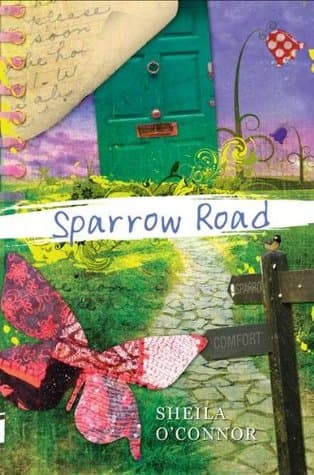
Sheila O'Connor (2012)
Genre
Children's / Creativity / Young Adult
Reading Time
250 min
Key Themes
See below
Sign in to track this book
Twelve-year-old Raine moves to a rundown mansion full of artists and uncovers its mysterious past, only to find a life-changing truth about her own family.
Twelve-year-old Raine O'Rourke's life changes when her mother, Maeve, suddenly accepts a job as a cook at Sparrow Road, an old, isolated mansion hours from their home. Raine is upset to leave her friends and familiar surroundings right before seventh grade. When they arrive, she finds Sparrow Road to be a crumbling, odd place, home to a strange community of artists. The mansion feels haunted and unwelcoming, with peeling wallpaper, dusty rooms, and an air of forgotten secrets. Raine struggles to adapt to this new place, feeling alone and confused by her mother's sudden decision and the mansion's unsettling atmosphere, which is dominated by its quiet owner, Viktor.
Raine begins to meet the diverse artists living at Sparrow Road, including a sculptor, a painter, and a writer, all working on their art. They are quirky, often self-absorbed, but Raine feels drawn to their creative energy, even if she doesn't fully understand it. Her most important meeting is with Josie, an outgoing girl her age who is visiting her artist grandmother, Mrs. Periwinkle. Josie immediately takes Raine under her wing, showing her the mansion's hidden spots and sharing her theories about its mysteries. Their friendship quickly grows, giving Raine much-needed company in her new, strange home.
Curiosity and a sense of adventure lead Raine and Josie to uncover Sparrow Road's secrets. They explore the mansion's forgotten rooms, dusty attics, and overgrown gardens, finding old photographs, trinkets, and documents. They soon discover that Sparrow Road was once an orphanage, a fact that adds sadness and mystery to its rundown state. The girls become fascinated by the lives of the children who lived there, piecing together fragments of their stories. This historical investigation gives Raine a purpose and a distraction from her own feelings of displacement, building a deeper connection to the mansion's past and present.
One of the biggest mysteries at Sparrow Road is its owner, Viktor. He is a quiet, serious man who rarely speaks and keeps to himself, often watching the artists and residents from a distance. Raine and Josie are both curious and intimidated by him. They guess about his past, his connection to the mansion, and why he lives such a solitary life. They watch him carefully, trying to understand his actions and expressions, believing he holds many of the mansion's deepest secrets. Their attempts to understand Viktor become a main part of their detective work, as they suspect he is linked to Sparrow Road's history as an orphanage.
Living among the artists at Sparrow Road, Raine is exposed to a world of creativity she hadn't known. She watches them paint, sculpt, and write, observing their dedication and passion. Though she initially feels out of place, she slowly starts to be influenced by their artistic spirit. The mansion itself, with its unique atmosphere and history, begins to inspire her. Raine finds herself sketching and writing, cautiously exploring her own creative impulses. This exposure to art helps her process her feelings of displacement and provides a new way for self-expression, slowly changing how she sees her summer at Sparrow Road.
Their investigation grows more intense when Raine and Josie find a hidden room, possibly an old office, filled with carefully kept records from when Sparrow Road was an orphanage. These records contain names, dates, and sometimes small personal details about the children who lived there. This discovery is a breakthrough, giving concrete proof of the mansion's past and allowing the girls to put together more complete stories. They spend hours looking through the documents, feeling a strong connection to the children whose lives are written in those pages, further deepening their understanding of the mansion's history.
As Raine and Josie look through the orphanage records, they make a surprising discovery: Viktor, the mansion's owner, was once one of the children at Sparrow Road orphanage. This changes how they see him, turning him from a mysterious, intimidating figure into a sad link to the mansion's past. They begin to understand his silence and his protective nature towards Sparrow Road, realizing it is not just a building to him, but a place of his own childhood memories and experiences. This discovery adds a deep layer of empathy to their understanding of Viktor.
While going through the orphanage records, Raine finds a document that connects her own family to Sparrow Road. She discovers that her mother, Maeve, was also an orphan there. Even more shockingly, Raine realizes that she was conceived at the orphanage and that her biological father was Viktor. This discovery shatters Raine's understanding of her family and her own identity. The secret explains Maeve's sudden decision to return to Sparrow Road and her quiet sadness, as she carries the burden of her past. Raine is devastated by the deception but also begins to see her mother and Viktor in a new, more complicated way.
Shaken by her discovery, Raine confronts her mother, Maeve, demanding answers. The confrontation is emotional, full of pain and confusion for Raine, and deep regret for Maeve. Maeve, finally forced to tell her long-held secret, explains the circumstances of her past at the orphanage, her relationship with Viktor, and her reasons for keeping Raine's true parentage hidden. She expresses her fear of judgment and her wish to protect Raine from a difficult truth. This conversation, though hard, is a turning point, allowing for an honest exchange that begins the process of healing and understanding between mother and daughter.
With the truth revealed, Raine deals with her feelings of betrayal and confusion, but slowly, she begins to understand and even forgive her mother and Viktor. She sees the pain and complexity of their past and the love that, in its own way, led to her existence. Viktor, in his quiet way, acknowledges his paternity, and a hesitant connection begins to form between them. Raine starts to embrace her new, expanded family and her unique connection to Sparrow Road. The mansion, once a place of mystery and unease, becomes a symbol of her origins and a place where she can explore her creativity and her identity.
Inspired by the stories of the orphans, the artists, and her own new history, Raine begins to put her emotions and experiences into writing. She finds her voice, creating stories that explore family, secrets, and identity. The artists at Sparrow Road, once just quirky background figures, now become mentors and fellow creators, encouraging her growing talent. Her writing becomes a way to process the complexities of her life and to honor Sparrow Road's past. She realizes that her summer at the mansion, though initially unwanted, has brought out a deep creative potential within her, setting her on a new path of self-discovery.
As summer ends, Sparrow Road changes from a temporary, unsettling stop into a place of belonging for Raine. Her relationship with Maeve deepens, and she begins to form a new, quiet bond with Viktor. The community of artists, along with Josie, form a supportive network. The mansion, once run-down, now feels full of life and the weight of its history, a history Raine is now a part of. Raine understands that while Sparrow Road's physical structure may be crumbling, its spirit and the stories it holds are lively and lasting, offering a unique home for her and her newly defined family.
The Protagonist
Raine transforms from a confused and displaced child into a self-aware young writer who embraces her unique family history and her creative potential.
The Supporting
Maeve moves from a secretive and burdened individual to someone who confronts her past and begins to heal and communicate more openly with her daughter.
The Supporting
Josie remains a steadfast and adventurous friend, helping Raine navigate her journey without significant personal transformation, serving more as a catalyst for Raine's growth.
The Antagonist/Supporting
Viktor transitions from a mysterious, intimidating figure to a more sympathetic character whose silence is understood as a manifestation of past trauma, slowly opening up to a connection with Raine.
The Supporting
Mrs. Periwinkle remains a consistent, supportive figure, representing the artistic and nurturing side of Sparrow Road.
The Supporting/Mentioned
The artists collectively serve as a backdrop and inspiration for Raine, their individual arcs are not deeply explored but they represent the transformative power of creativity.
Raine's time at Sparrow Road is about finding out who she is and where she belongs. Uprooted from her familiar life, she initially feels lost. Her investigation into the mansion's history and her own family secrets forces her to rethink her identity. The discovery of her true parents and her connection to Sparrow Road's past helps her understand her unique place in the world. The mansion, with its diverse residents, becomes a symbol of her expanded family and a place where she can be her true self.
“Maybe you don't find your place. Maybe your place finds you.”
The novel explores how secrets affect individuals and families. Maeve's long-kept secret about Raine's father and her past at Sparrow Road creates a barrier between her and her daughter. The mansion itself holds forgotten truths, especially its history as an orphanage and Viktor's connection to it. Raine's search for these secrets leads to painful but necessary discoveries. The truth, though upsetting at first, allows for healing, forgiveness, and a deeper, more honest understanding within the family.
“Secrets were like dust motes in the air, invisible until the light hit them just right.”
Sparrow Road, with its artist community, shows the power of creativity. Raine, initially an observer, slowly becomes part of the artistic world. Uncovering stories, both the orphans' and her own, inspires her to write. Her growing talent gives her a way to express her complex emotions and process her new reality. The artists show that art is not just a hobby, but a basic way to understand the world and oneself, offering comfort and a voice, especially during times of confusion and change.
“The stories were inside her, waiting to be written, like a secret language only she understood.”
The idea of family is central to the novel, changing from a traditional mother-daughter unit to a more complex, unconventional structure. Raine's journey makes her face the messy realities of love and forgiveness. She learns that family is not always defined by traditional bonds or perfect circumstances, but by connection, understanding, and the willingness to forgive past hurts. The relationship between Maeve, Viktor, and Raine, born from difficult circumstances, ultimately shows the lasting power of love and the chance to form new, stronger bonds despite a complicated history.
“Family wasn't always blood, but sometimes, it was the deepest kind of connection you could imagine.”
A physical setting that embodies history, mystery, and forgotten stories.
Sparrow Road itself is more than just a setting; it acts as a character and a central plot device. Its crumbling grandeur, hidden rooms, and dusty archives serve as a physical manifestation of the secrets it holds. Its former life as an orphanage directly drives the plot, providing the historical context for Raine and Josie's investigation and ultimately revealing Raine's familial connection. The mansion's atmosphere—at once eerie and inspiring—reflects Raine's initial unease and eventual embrace of her new life, making it a symbolic anchor for the themes of identity and belonging.
Archival documents that reveal the mansion's past and Raine's true parentage.
The discovery of the orphanage records is a crucial plot device that propels the narrative forward. These historical documents, meticulously kept within the mansion, provide concrete clues about Sparrow Road's past and the lives of the children who resided there. More importantly, they directly lead to the revelation of Viktor's and Maeve's connection to the orphanage, and ultimately, Raine's true parentage. Without these records, the central mystery of the book would remain unsolved, making them essential tools for uncovering truth and driving the climax of Raine's personal journey.
The presence of artists and Raine's budding writing talent signify expression and healing.
The pervasive presence of artists at Sparrow Road and Raine's own developing talent for writing serve as a powerful plot device for character development and thematic exploration. Art provides a non-verbal means of communication and a way to process complex emotions. For Raine, writing becomes her primary outlet for understanding her identity and her family's secrets. The artists, through their dedication and varied expressions, symbolize the freedom and catharsis found in creativity, subtly guiding Raine towards her own artistic voice and demonstrating how art can transform pain into beauty and understanding.
A character's silent demeanor that builds mystery and foreshadows deep connections.
Viktor's reclusive nature and profound silence function as a significant plot device, initially creating an aura of mystery and even antagonism. His lack of verbal communication forces Raine and Josie to observe his actions and search for non-verbal clues, intensifying their detective work. His silence is not merely a character trait but a reflection of his trauma and the weight of his past secrets. This device effectively builds suspense and foreshadows his deep, personal connection to Sparrow Road and, ultimately, to Raine, making his eventual, albeit subtle, acknowledgment of his role even more impactful.
“The greatest ideas often come when you're not even trying to think of them.”
— Lily's observation about creativity and inspiration.
“Every person has a secret world inside them, full of stories and pictures no one else can see.”
— Lily reflecting on the inner lives of people she meets at Sparrow Road.
“Sometimes you have to be quiet and listen to the world, because it's always trying to tell you something.”
— A lesson Lily learns about paying attention to her surroundings and subtle clues.
“A blank page isn't empty; it's full of possibilities.”
— Lily's artistic perspective on starting a new drawing or story.
“The best stories are the ones that feel like they've always existed, just waiting for someone to find them.”
— Lily's thoughts on the timeless quality of good storytelling.
“You can't force inspiration, but you can create a place for it to visit.”
— An insight into fostering a creative environment.
“Secrets are like seeds; they can grow into something beautiful or something thorny.”
— Lily contemplating the nature and impact of hidden truths.
“Home isn't just a place; it's a feeling, a collection of memories and people.”
— Lily's evolving understanding of what home truly means.
“It's easy to see the world one way, but it's much more interesting to imagine all the other ways it could be.”
— Lily's imaginative approach to life and problem-solving.
“Sometimes the things you run from are exactly what you need to find.”
— Lily's journey of discovery and confronting her past.
“The past isn't just behind you; it's also inside you, shaping who you are.”
— Lily's realization about the influence of her personal history.
“Even the smallest gesture of kindness can ripple out and change things in big ways.”
— Lily observing the impact of compassion among the residents.
“True artists don't just see the world; they feel it and then show it back to us in a new light.”
— Lily's developing understanding of what it means to be an artist.
“You don't always have to understand everything to appreciate its beauty.”
— Lily's acceptance of mystery and wonder in life and art.
Ready to see how well you understood this book? Take our interactive quiz with 10 questions.
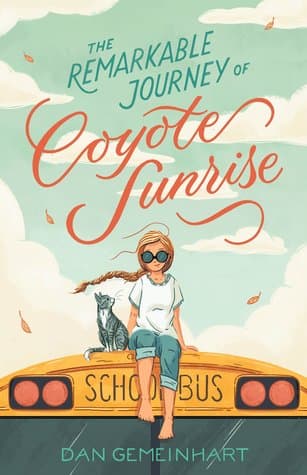
Dan Gemeinhart
4.5
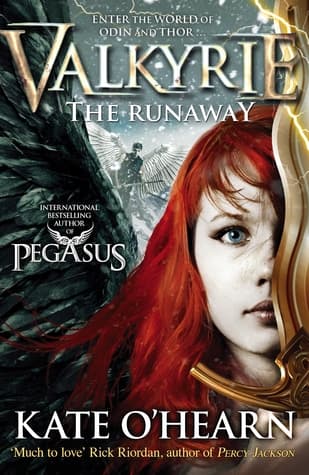
Kate O'Hearn
4.4

Jeanne Birdsall
4.4

Jen Wang
4.4
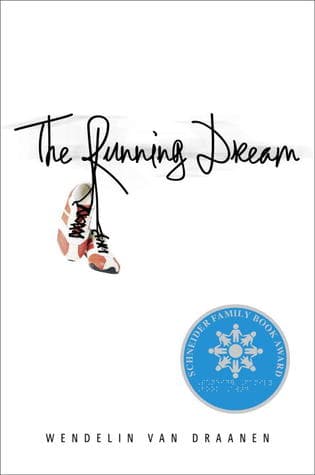
Wendelin Van Draanen
4.3

John Marsden
4.3

Chris Van Allsburg
4.3
Jennifer A. Nielsen
4.2